
Nghe An: Issuing a program on practicing thrift and combating waste.
The program aims to resolutely, synchronously, and effectively implement effective solutions in the practice of saving and combating waste, creating a strong ripple effect, seizing opportunities, overcoming challenges, and accelerating breakthroughs in achieving the socio-economic development goals for 2025 at the highest level.
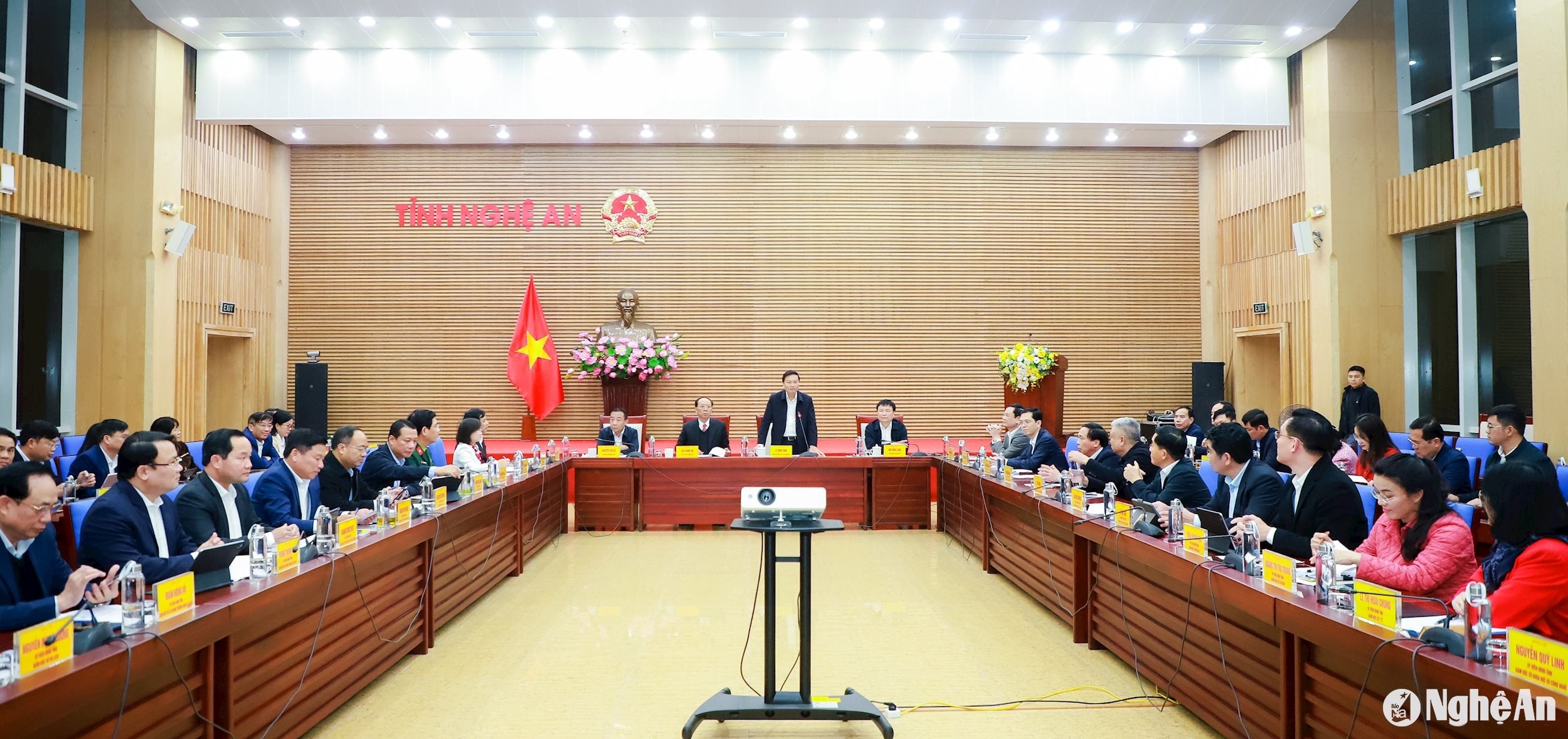
The People's Committee of Nghe An province has just issued the Program for Practicing Thrift and Combating Waste in Nghe An province in 2025.
The program sets out key tasks: Effectively implement the tasks and solutions under the Program for Economic and Social Recovery and Development, striving to achieve the highest possible results in the economic and social development goals and tasks set for 2025.
Strengthening discipline and order in the management and use of finance and budget; managing state budget expenditures according to the approved plan, ensuring strict control, economy, and efficiency; practicing thrift, combating waste, and effectively utilizing state financial resources in conjunction with mobilizing social resources and streamlining the organizational structure.
Strictly manage the mobilization, management, and use of borrowed funds to offset budget deficits and repay principal debt of the State budget. Strictly control the use of borrowed funds from the State budget in accordance with the provisions of the State Budget Law, the Public Debt Management Law, and laws on State budget management. Allocate resources to fully repay long-term loans and report this in the annual State budget estimates and final accounts.
Strengthen the management and use of public assets, ensuring compliance with standards, norms, regulations, and task requirements, focusing on the arrangement and handling of assets, especially houses and land, in conjunction with streamlining the organizational structure.
Promote the allocation, implementation, and disbursement of public investment capital, especially for nationally important programs, projects, and works, national target programs, and projects that connect provinces and regions. Focus on reviewing and resolutely eliminating inefficient projects and projects that are not truly necessary or urgent, prioritizing capital for key and urgent projects that create momentum for rapid and sustainable development.
Complete the streamlining of the organizational structure in accordance with the set goals and requirements, linked with downsizing the workforce and restructuring, improving the quality of cadres, civil servants, and public employees, enhancing the efficiency of state management, and meeting the requirements of tasks in the new situation. Promote decentralization and delegation of power while enhancing self-reliance, self-sufficiency, and accountability in local governance.
Focus on reviewing and addressing the shortcomings and inadequacies in the legal system regarding the practice of thrift and the fight against waste, especially in areas prone to waste.
Prioritize resources, intellectual capacity, and human resource preparation, focusing on implementing digital transformation tasks and developing science and technology in a synchronized and seamless manner.
Strengthen inspection and supervision of the implementation of policies and laws on practicing thrift and combating waste, especially in the fields of land, investment, construction, public finance, public assets, resources, and minerals. Thoroughly recover stalled projects and expedite the recovery of state assets and land that have been lost or misused, in accordance with the conclusions and recommendations of inspection, auditing, and supervisory agencies.
Build a culture of thrift and combat wastefulness in agencies, organizations, and units. Implement measures to encourage the people to strengthen the practice of thrift and combat wastefulness in production, business, and consumption.
The program also sets targets for saving and combating waste in various areas, such as: management and use of public assets; management and use of recurrent expenditure from the State budget; management and use of public investment capital; management, exploitation, and use of resources; management and use of State capital and assets in enterprises; and in organizational structure, management, and use of labor and working time.
At the same time, the program also outlines solutions to achieve the goals and targets of saving and combating waste with the following groups of solutions:
Strengthen leadership and guidance on practicing thrift and combating waste;
完善 legal regulations related to the practice of saving and combating waste;
Review and improve legal regulations in areas prone to losses and waste, such as bidding, auctions, land and resource management and use, state budget, public assets, public investment, and the use of state capital invested in production and business at enterprises.
Promote the application of information technology and digital transformation to modernize management and save resources;
Strengthen propaganda and education efforts to raise awareness about practicing thrift and combating waste;
Strengthen the organization and implementation of austerity measures and combat wastefulness in all areas;
Strengthen inspections and audits, and strictly handle violations of regulations on practicing thrift and combating waste.


