
Nghe An province issues directive to respond to Typhoon Trami.
The People's Committee of Nghe An province has issued Official Dispatch No. 42/CD-UBND to units and localities regarding proactive response to Typhoon Trami.
Accordingly, the dispatch was sent to: the Provincial Steering Committee for Disaster Prevention, Search and Rescue and Civil Defense; the Commanders of: the Provincial Military Command, the Provincial Border Guard Command; the Director of the Provincial Police; the Directors of Departments; the Heads of provincial agencies, organizations and associations; the Chairmen of the People's Committees of districts, cities and towns; the Director of the North Central Region Meteorological and Hydrological Station; and the Chairmen and Directors of irrigation and hydropower companies in the province.
In accordance with Prime Minister's Directive No. 110/CĐ-TTg dated October 24, 2024, on proactively responding to Typhoon Trami, which is forecast to be a strong typhoon with very complex developments, and whose direction of movement and wind speed may still change due to the impact of various weather patterns at sea, the Chairman of the Provincial People's Committee - Head of the Provincial Steering Committee for Disaster Prevention, Search and Rescue and Civil Defense (PCTT-TKCN and PTDS) requests the following to proactively respond to the typhoon and potential flooding caused by its impact:
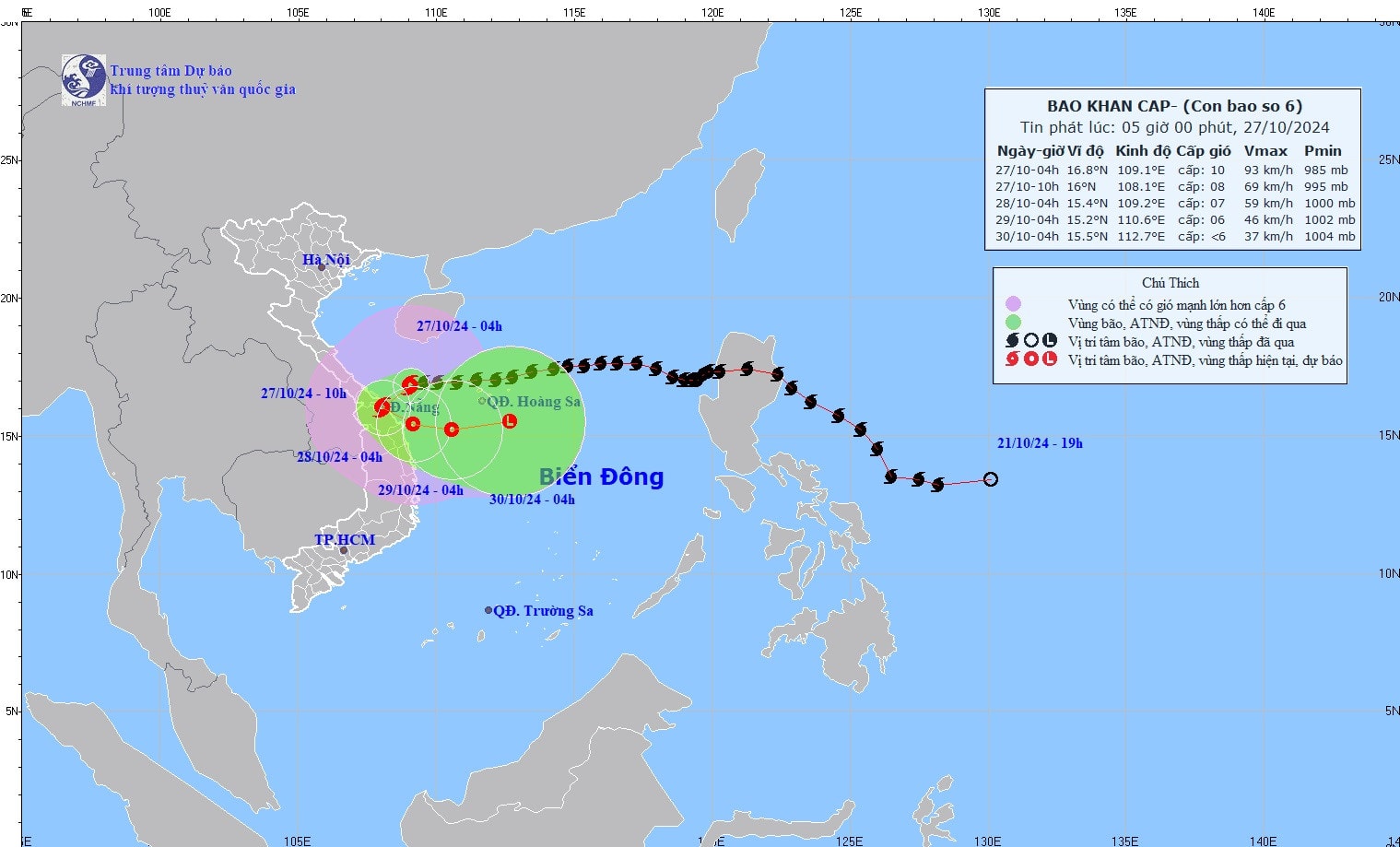
Directors of Departments, Heads of agencies, organizations and associations at the provincial level; Chairmen of People's Committees of districts, cities and towns:Continue to closely monitor the situation, constantly update information on the development of the storm and floods; direct the timely, decisive, and effective implementation of response measures appropriate to the actual developments in the area, adhering to the "four on-the-spot" principle, proactively handling the worst possible situations, avoiding passivity and surprises to ensure the safety of lives and minimize property damage for the people, including:
Focus on ensuring safety for activities at sea and on islands: Organize reviews and counts, proactively inform and guide vessels (including fishing boats, transport ships, and tourist boats) still operating at sea to be aware of and avoid entering or leaving dangerous areas, or to return to safe shelters; take measures to ensure the safety of vessels at anchorage areas.
Review and implement measures to ensure safety for tourism, aquaculture, and fishing activities in the sea, estuaries, and coastal areas; resolutely evacuate people from floating cages and aquaculture watchtowers to safe places before the storm directly impacts them.
Ensuring safety in lowland and coastal areas.Review and prepare for the evacuation of people from dangerous areas, especially those at risk of deep flooding, landslides, river mouths, and coastal areas.
Implement measures to ensure safety and minimize damage to houses, warehouses, offices, public works, industrial zones, factories, dikes, and unfinished construction projects; protect agricultural production and prevent flooding in urban and industrial areas.
Control travel, organize traffic flow, guide traffic, and restrict people from going out during storms and heavy rains to ensure safety.
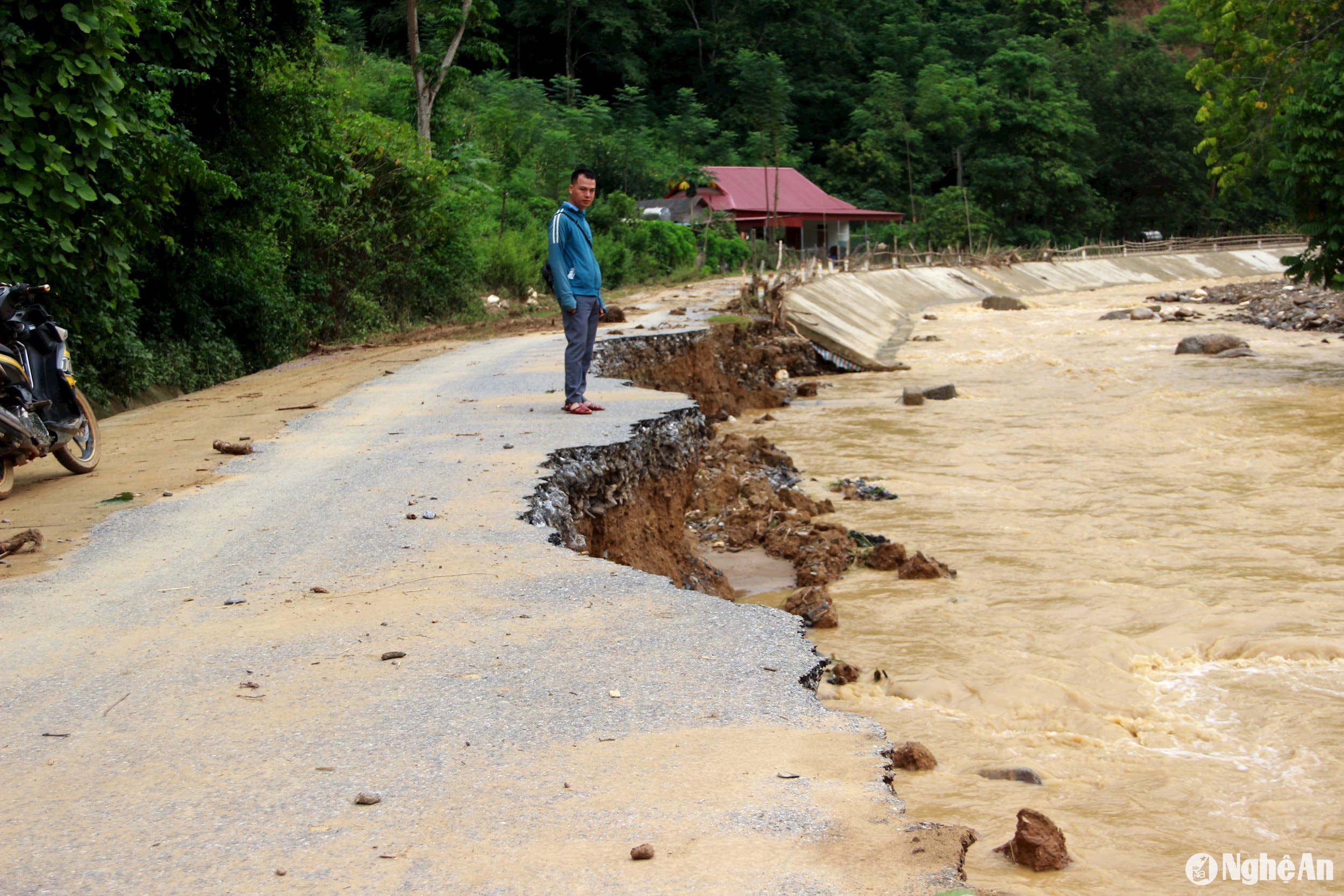
Ensuring safety in mountainous areasReview and prepare for the evacuation of residents in areas at risk of deep flooding, flash floods, and landslides; prepare forces, vehicles, equipment, and essential supplies according to the "four on-the-spot" principle to be ready to respond to any situation.
Inspect and proactively implement measures to ensure the safety of reservoirs and downstream areas; deploy permanent forces ready to operate, regulate, and handle emergency situations.
.jpg)
Control and guide traffic safely, especially through flooded areas, areas with deep flooding, and areas with strong currents; proactively deploy forces, materials, and equipment to address incidents and ensure smooth traffic flow on major transportation routes.
People are strictly prohibited from collecting firewood, fishing, etc., in rivers, streams, and downstream of reservoirs and dams during heavy rain and floods to avoid loss of life.
Prepare forces and resources to promptly carry out rescue and relief operations and quickly mitigate the consequences of storms and floods.
Director of the North Central Region Meteorological and Hydrological Station:Continue to closely monitor the situation, forecast, and provide complete and timely information on the development of storms and floods to relevant agencies and the public so that they can proactively and effectively implement response measures as prescribed.
Commanders: Provincial Military Command, Provincial Border Guard Command; Director of Provincial Police:Directing and coordinating with forces stationed in the area to review response plans, proactively organizing the deployment of appropriate forces, vehicles, and equipment to be ready to support localities in responding to storms and floods, evacuating people, conducting rescue operations, and other urgent requirements. Based on the development and forecast of the storm, the Border Guard Command will promptly advise the Provincial People's Committee to issue a ban on sea travel.
Director of the Department of Agriculture and Rural Development: TClosely monitor the storm and flood situation, proactively direct and effectively implement measures to ensure the safety of dikes, dams, and reservoirs, and protect agricultural production and aquaculture and fisheries.
Director of the Department of Industry and Trade: TIn accordance with the functions of state management and assigned tasks, proactively direct hydropower reservoir owners to strictly implement regulations on dam safety management and reservoir operation procedures; and inspect the work of ensuring the safety of the power grid system.
Director of the Department of Transportation:Directing and coordinating with relevant agencies to implement measures to ensure safety for transport vessels operating at sea and on rivers; ensuring safety of road, rail, and air transport operations; and ensuring traffic safety in accordance with regulations.
Provincial Radio and Television Station, Nghe An Newspaper, and other news agencies:Increase broadcast time and provide timely news updates on the storm, floods, and response efforts so that people are aware and can proactively take preventive measures.
Directors of Departments, Heads of other agencies, organizations and associationsThose involved, in accordance with their state management functions and assigned tasks, should proactively direct and coordinate with localities to promptly and effectively implement measures to respond to storms and floods caused by storms.
Members of the Provincial Steering Committee for Disaster Prevention, Search and Rescue and Civil DefenseIn accordance with assigned duties, they inspect and supervise response efforts in the localities under their responsibility.
Provincial Steering Committee for Disaster Prevention, Search and Rescue and Civil DefenseThe on-duty team closely monitors the situation, proactively directs and urges localities to implement response measures appropriate to the actual developments of the natural disaster; promptly compiles damage reports, and proposes to the Provincial People's Committee for direction and handling of issues beyond their authority.
Directors of Departments; Heads of provincial-level agencies, organizations and associations; Chairmen of People's Committees of districts, cities, and towns; and relevant agencies and units are requested to seriously implement this./.


