
Nghe An province is proactively responding to a low-pressure system that has the potential to strengthen into a tropical depression, bringing heavy rain and posing a risk of flash floods and landslides.
On the evening of August 26th, the Provincial Steering Committee for Disaster Prevention, Search and Rescue, and Civil Defense issued Official Document No. 208, directing proactive measures to respond to the low-pressure system that has the potential to strengthen into a tropical depression, bringing heavy rain and the risk of flash floods and landslides.
This document implements the directives of the Ministry of Agriculture and Environment in Official Letter No. 6020, dated August 26th, regarding proactive response to heavy rain, flash flood and landslide risks; and Official Letter No. 6079, dated August 26th, regarding proactive response to low-pressure areas that may strengthen into tropical depressions.
According to the National Center for Hydro-Meteorological Forecasting, a low-pressure area is currently active over the sea east of the Philippines. At 13:00 on August 26th, the low-pressure area was located at approximately 15.5-16.5 degrees North latitude and 123.5-124.5 degrees East longitude; it is forecast that in the next 24-36 hours, the low-pressure area will move west-northwest into the sea east of the North East Sea and has the potential to strengthen into a tropical depression.
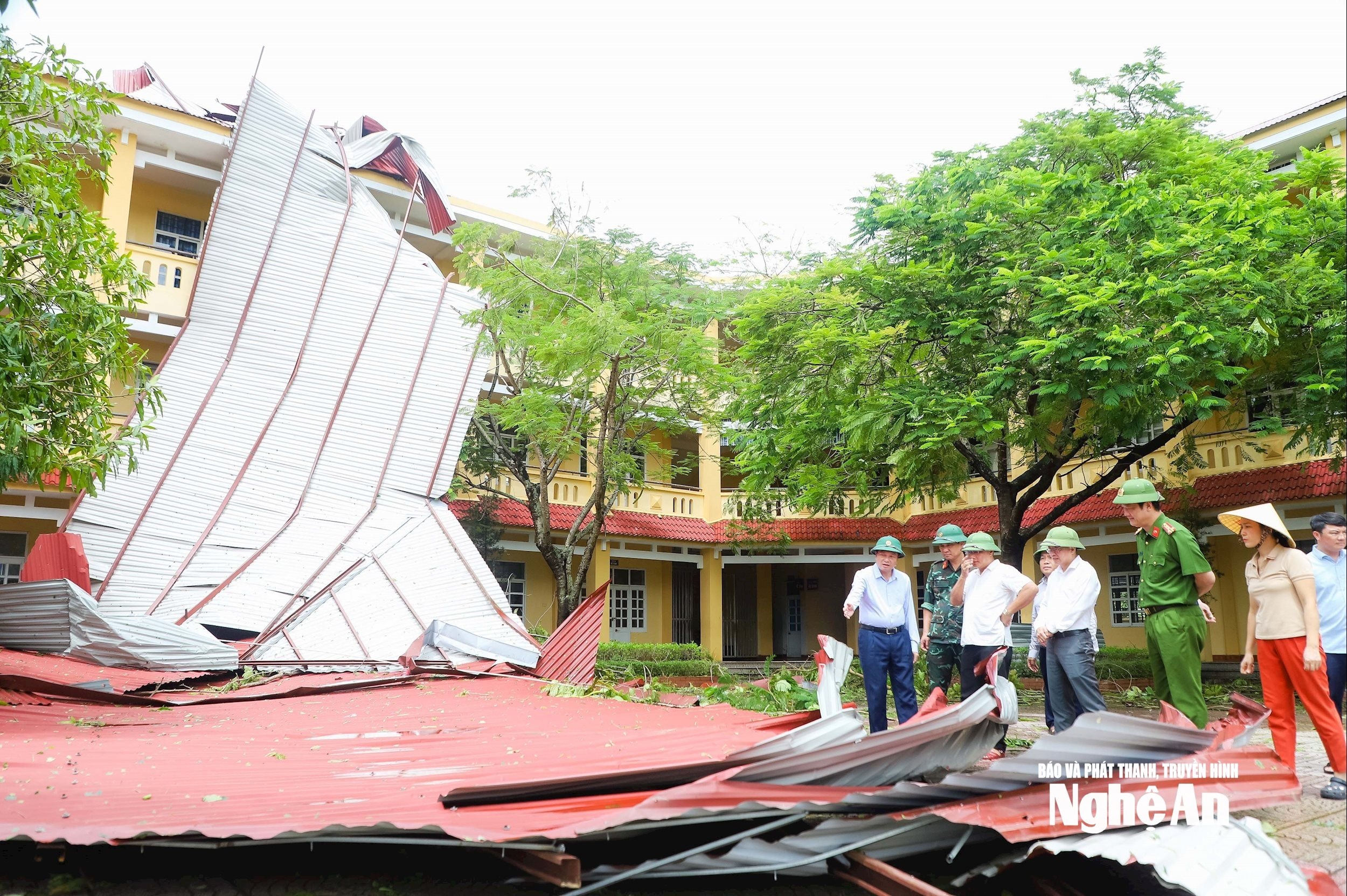
To proactively respond, the Standing Office of the Provincial Steering Committee for Disaster Prevention, Search and Rescue and Civil Defense requests the People's Committees of wards and communes; and relevant agencies and units to implement the following contents:
For coastal routesClosely monitor warning bulletins, forecasts, and developments of low-pressure areas that may strengthen into tropical depressions; inform captains and owners of vessels operating at sea to proactively take preventive measures, adjust production plans, and ensure the safety of people and property; maintain
Communication is essential for promptly addressing any potential negative situations.
At the same time, prepare forces and resources to deploy rescue and relief operations when necessary.
For landClosely monitor weather forecasts and warnings regarding heavy rainfall, flood risks, flash floods, and landslides, and promptly and fully inform local authorities and the public to enable proactive prevention measures.
In addition, proactively deploy rapid response forces to inspect and survey residential areas along rivers and streams, low-lying areas at risk of flooding, flash floods, and landslides. Organize forces to guard, control, support, and guide traffic to ensure safety for people and vehicles, especially at underpasses, overflows, areas with deep flooding, areas with strong currents, and areas where landslides have occurred or are at risk of occurring.
Assign leaders to directly supervise flood response efforts in key areas, especially villages and hamlets at risk of being isolated due to floods and landslides.
The units are on duty 24/7, regularly reporting the situation to the Standing Office of the Provincial Steering Committee for Disaster Prevention, Search and Rescue and Civil Defense.


