
Nghe An province announces revenue targets for the 2025-2026 school year.
For the 2025-2026 academic year, students will be exempt from tuition fees. Other fees will be collected according to regulations, ensuring transparency and accountability.
Reduce prescribed fees.
Nghe An Department of Education and TrainingGuidelines have been issued regarding the management of revenue and expenditure for the 2025-2026 school year at public educational institutions in the province.
Accordingly, starting this school year, in accordance with Government Decree 238, students in public educational institutions within the national education system will be exempt from tuition fees.
Specifically, those eligible for tuition exemption include: preschool children, primary and secondary school students, and learners in general education programs (students enrolled in continuing education programs at the lower secondary level and students enrolled in continuing education programs at the upper secondary level). The school principal is responsible for compiling and approving the list of students eligible for tuition exemption.
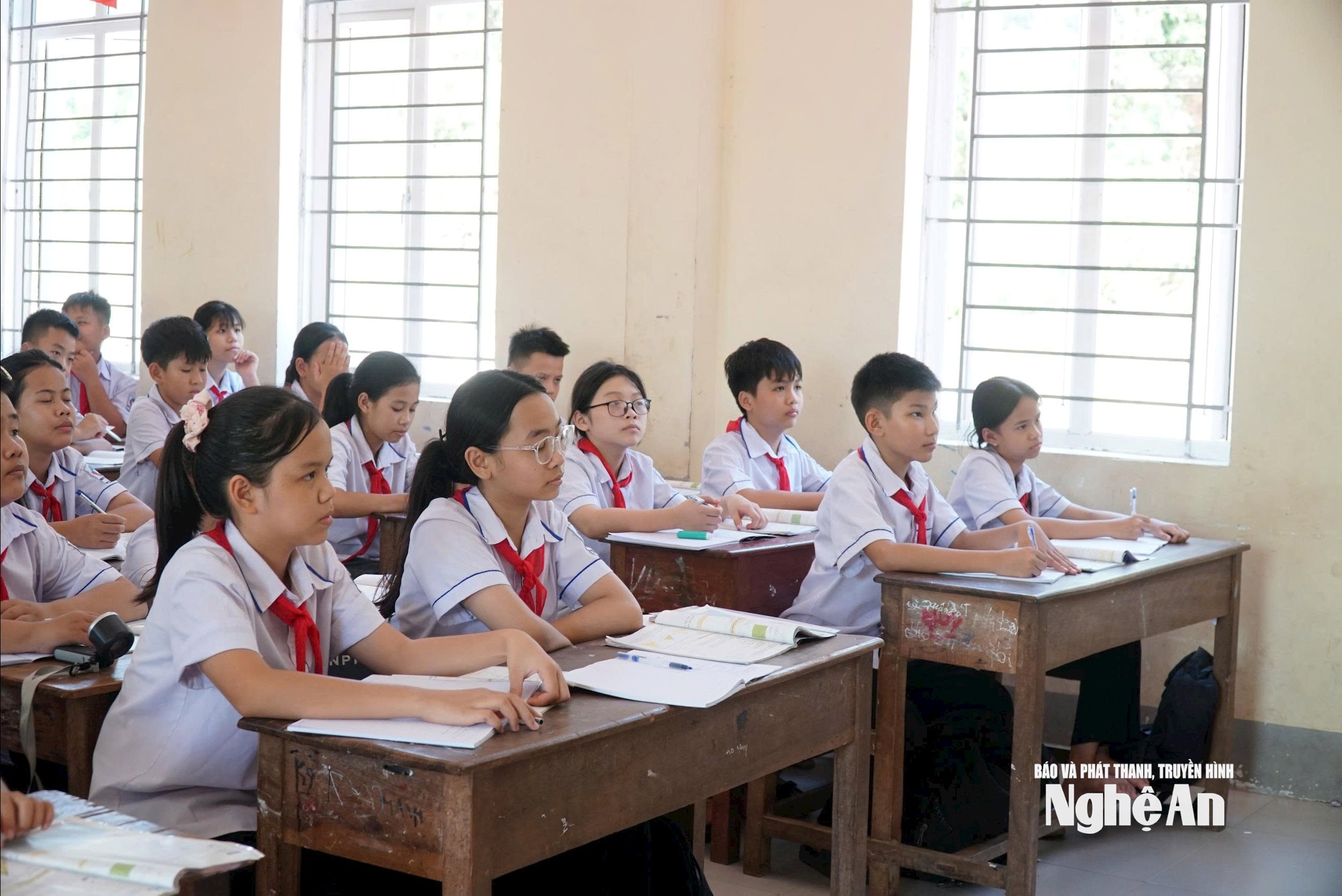
With beingTuition-freeThis year, students only have two mandatory fees to pay: health insurance and a service fee for bicycle parking.
There is no coercion in the implementation of service fees, and they are voluntary.
In addition to the legally mandated fees,some service feesFees for services and support of the school's educational activities are only permitted based on the needs of students and with the consent of parents, taking into account the actual situation at the school.
Service fees include: teaching two sessions per day at educational institutions; organizing boarding facilities in public educational institutions; caring for and nurturing children in public educational institutions during holidays and summer breaks; enhanced educational programs and activities; and services for students.
With income and expenses collected on a voluntary basis,There are three sources of revenue: funding for educational institutions (socialization revenue), operating expenses for the Parent-Teacher Association, and the Youth Union Fund and the Young Pioneers Fund.
To ensure the effective implementation of educational institution fundraising, the Department requires schools to assess the current state of their facilities, investment portfolios, and the living conditions of local residents before implementation, in order to develop a fundraising plan. Before collecting donations, the implementation plan must be approved by the People's Committee of the commune/ward (for preschool to junior high school levels) and the Department of Education and Training (for high schools and other affiliated educational institutions).
Extend payment deadlines.
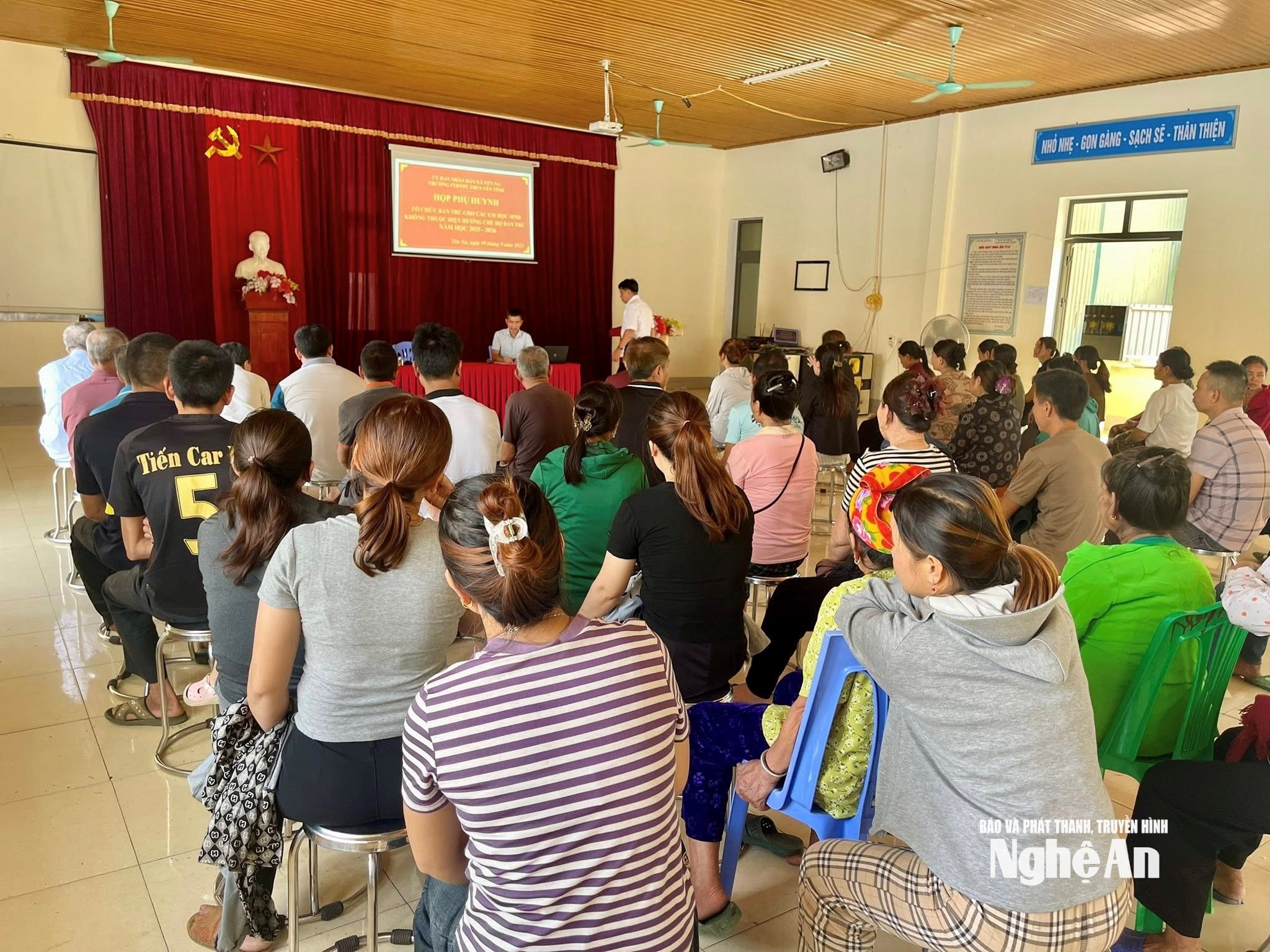
Regarding school year fees, the Department of Education and Training requires educational institutions to fully inform each parent in writing, by posting the information publicly at the institution, or through other means (clearly stating the content of the fees, the amount, the target group and purpose of use, and the details of expenditure).
During implementation, it is necessary to stagger the collection of fees and avoid collecting multiple fees at the same time. Schools should be encouraged to offer exemptions or reductions for students from disadvantaged families or those eligible for social welfare programs.
To ensure proper collection and expenditure, schools also need to establish a strict monitoring mechanism between the school and the parent-teacher association regarding service fees, educational support fees, and voluntary contributions. If any errors occur, the head of the educational institution will be fully responsible for the collection and expenditure within their unit.


