
Nghe An proposes policies to support ethnic minority boarding schools.
The resolution aims to improve the overall quality of education for students in ethnic minority boarding schools; contributing to raising the intellectual level of the population and creating a skilled workforce, especially in ethnic minority areas and particularly disadvantaged regions in Nghe An province.
On the morning of August 26th, the Culture Committee of the Provincial People's Council held a review of the draft Resolution to be submitted to the special session (22nd session) of the Provincial People's Council.
Attending the verification session was Comrade Nguyen Nhu Khoi - Member of the Provincial Party Committee, Vice Chairman of the Provincial People's Council.
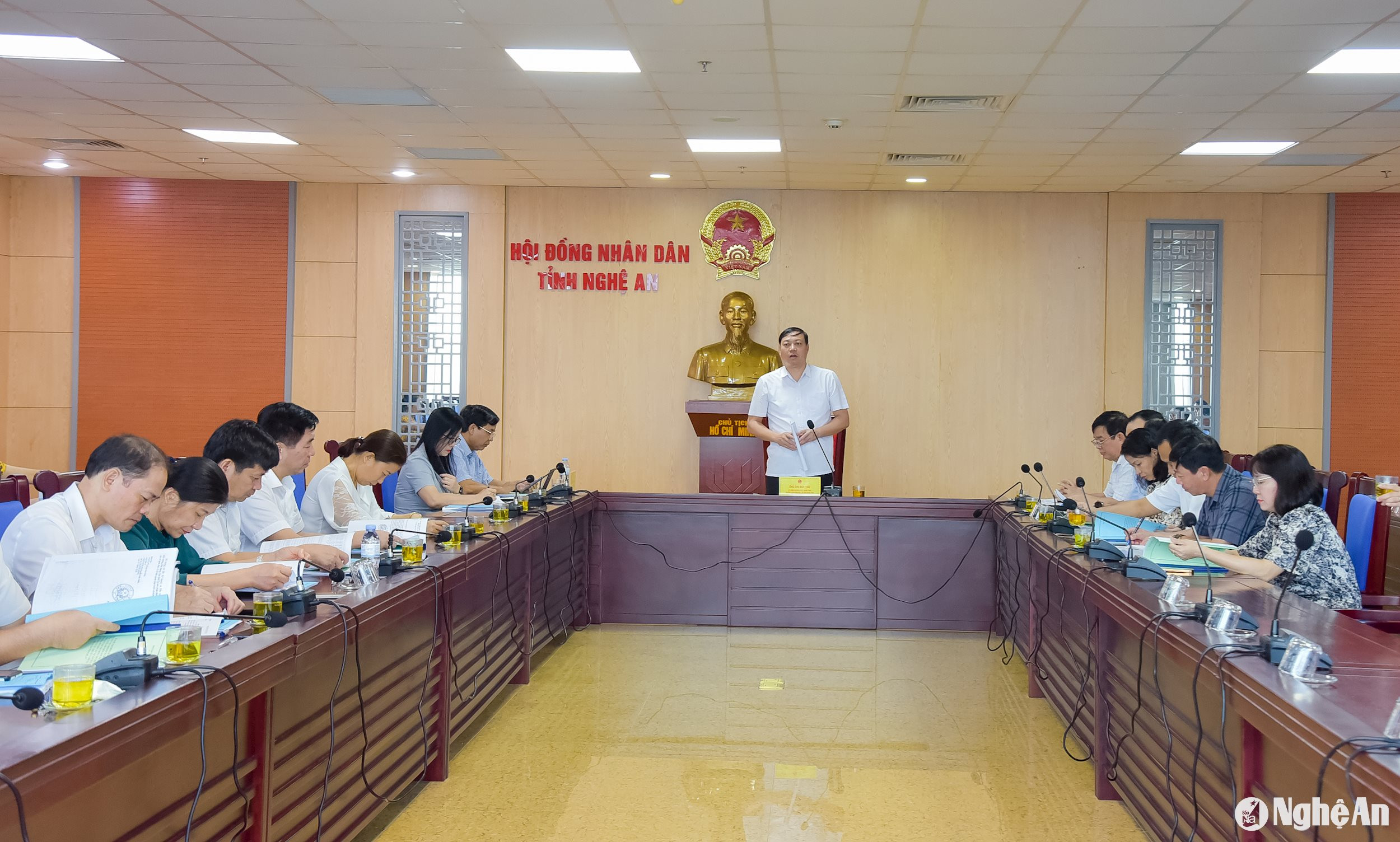
At the beginning of the session, the Culture and Social Affairs Committee of the Provincial People's Council reviewed the Resolution "Regulations on some policies to support ethnic boarding schools and high schools implementing the ethnic minority and mountainous boarding school model in Nghe An province".
The draft Resolution adds several provisions and expenditure levels. These include a policy to support funding for programs to enhance foreign language skills, computer science, STEM education, life skills, and values; a support level of 100,000 VND per lesson; a maximum of 5 lessons per week per class and a maximum of 27 weeks per academic year.
Financial support will be provided for purchasing textbooks and establishing a shared library where each student can borrow a set of textbooks corresponding to their grade level; the support level is 50,000 VND per student per year.
The projected budget for 2024 is over 8.2 billion VND; and from 2025 onwards, it is nearly 18.5 billion VND.
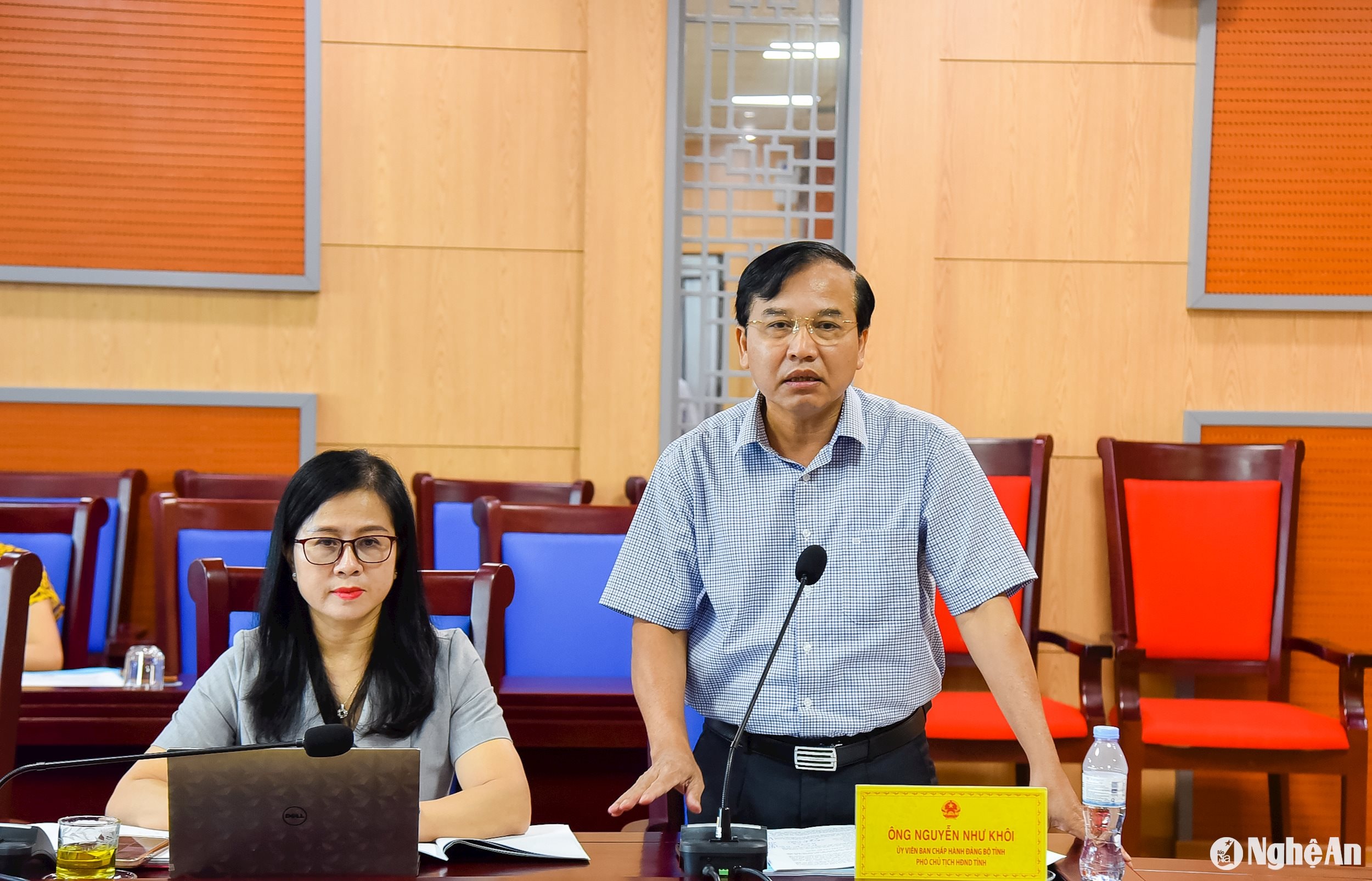
Commenting on the draft, delegates emphasized the necessity of the Resolution to concretize the province's policy on the development of education and training in mountainous areas; and at the same time, create a legal framework for the effective implementation of the policy for high school students with permanent residence in areas with particularly difficult socio-economic conditions of the province to board at school.
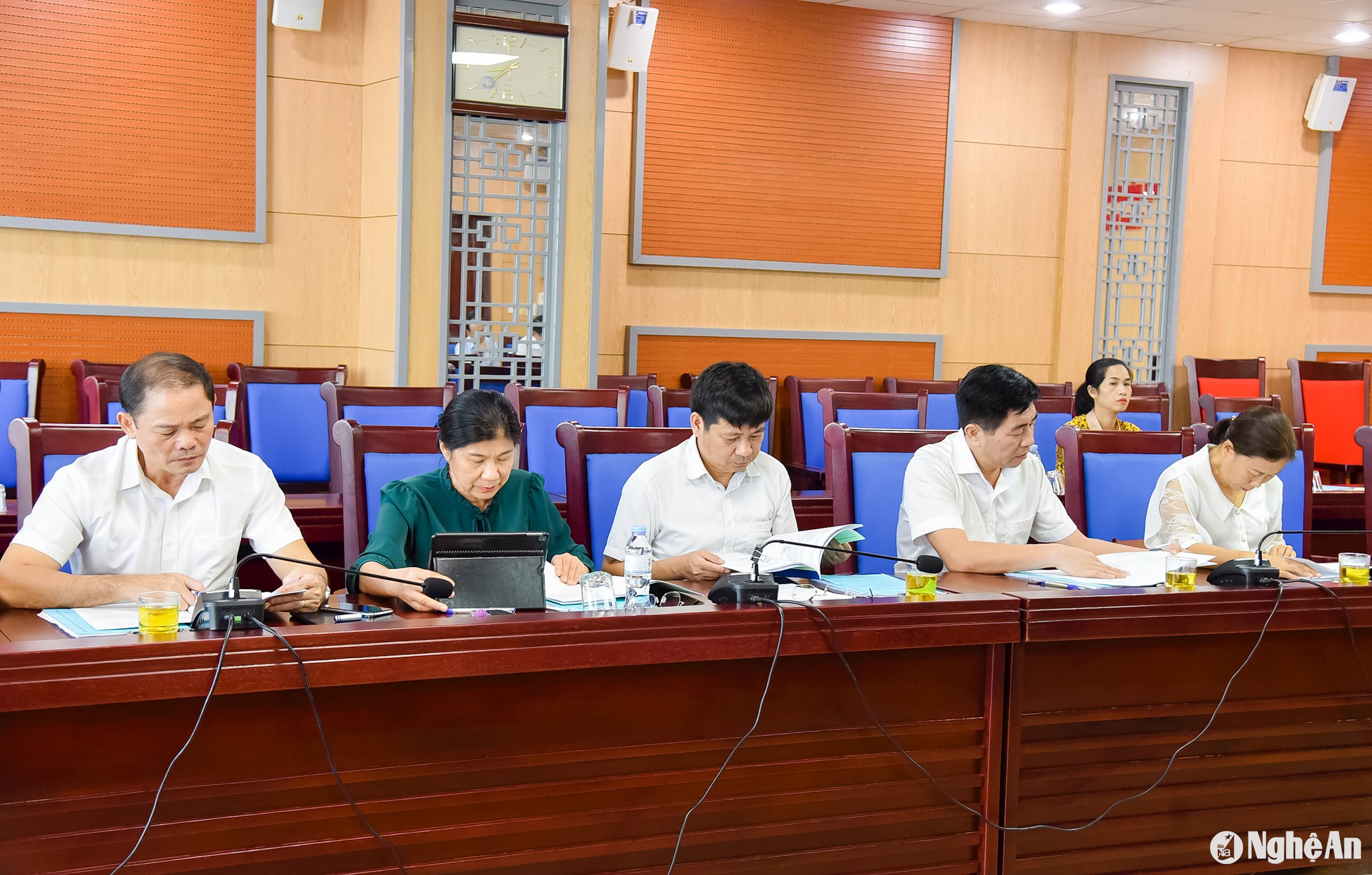
Increasing student enrollment rates in this region contributes to the balanced development of general education across regions, maintaining and improving the results of universal primary and lower secondary education; effectively managing and teaching boarding students, providing healthcare and food safety, reducing the dropout rate, and improving the overall quality of education for students in high schools; contributing to raising the intellectual level of the population and creating human resources, especially in ethnic minority areas and areas facing extreme difficulties.
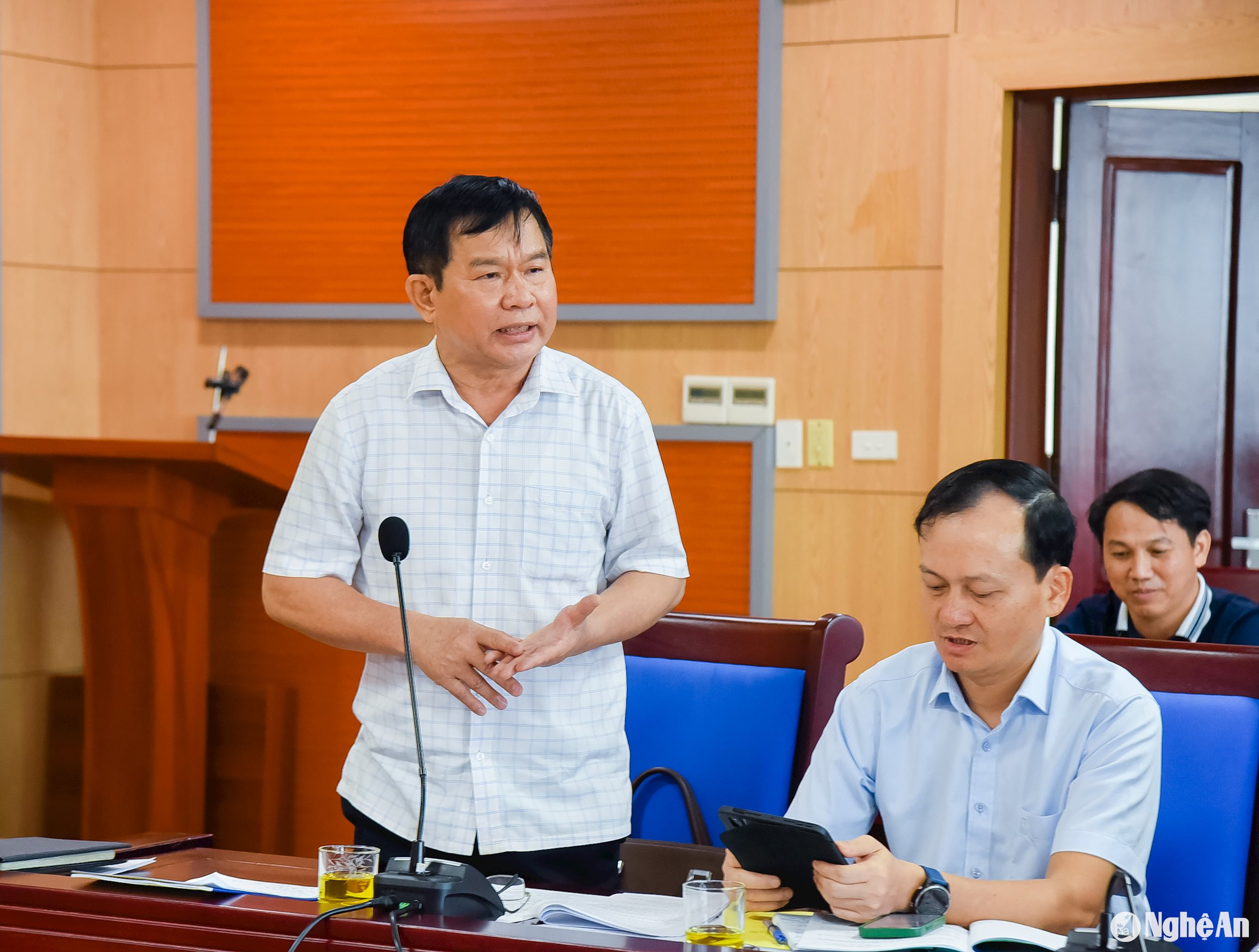
However, delegates expressed concerns about regulations regarding the level of support for teachers working directly and indirectly; financial support for life skills subjects; and the need to pay attention to the management of boarding facilities. Delegates suggested that the resolution should clearly define the scope of application, expand the number of ethnic minority boarding schools in the province, and ensure the feasibility of the resolution's mechanisms and policies.
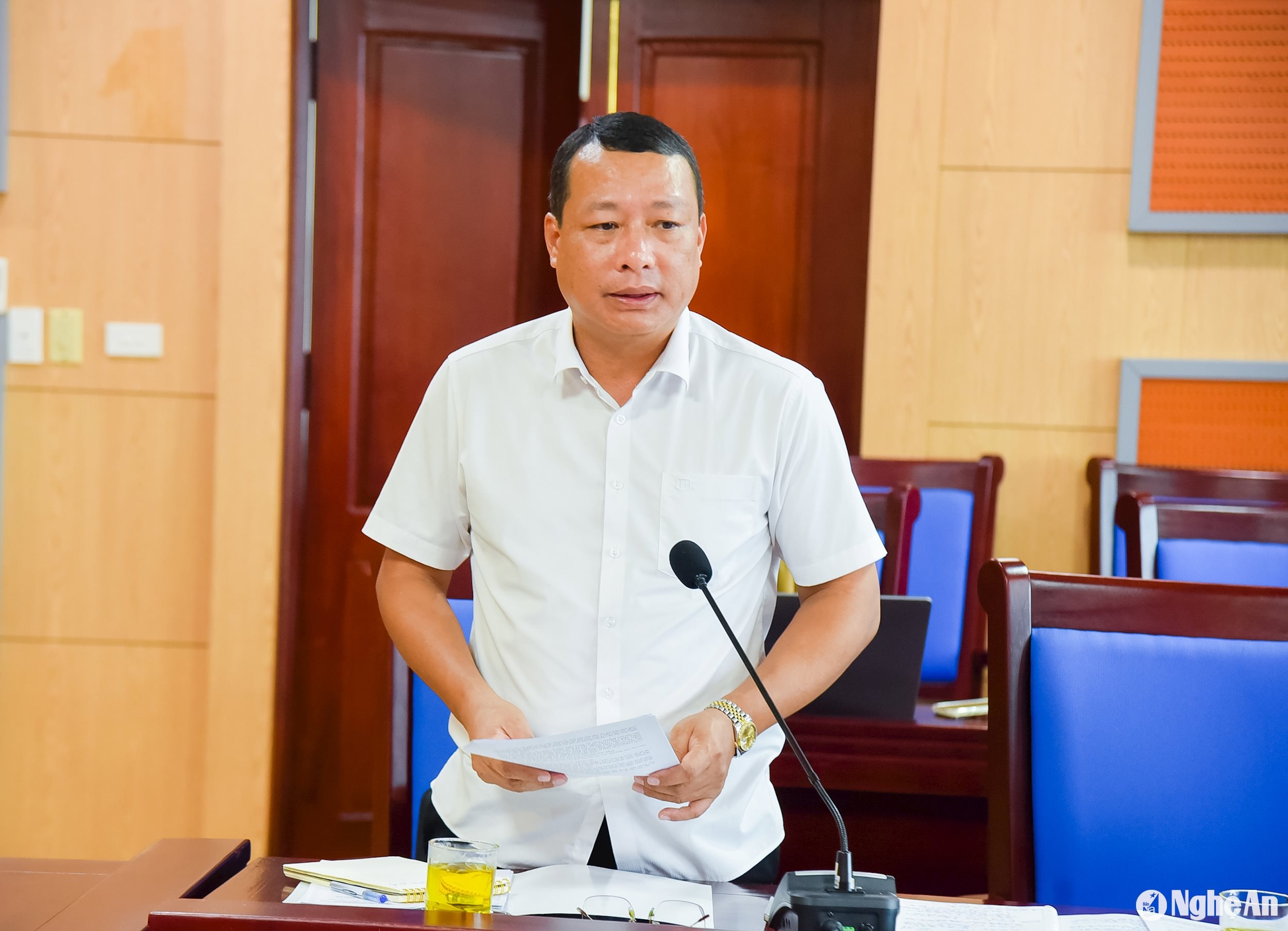
The draft Resolution was unanimously approved; the Culture and Social Affairs Committee of the Provincial People's Council requested the drafting agency to incorporate the delegates' feedback, supplement and adjust the scope of application, target groups, support policies, and finalize the format of the Provincial People's Council Resolution. The Department of Education and Training needs to review and compare the regulations on recognizing schools that meet the standards to benefit from this policy and complete the dossier for submission to the upcoming session of the Provincial People's Council.
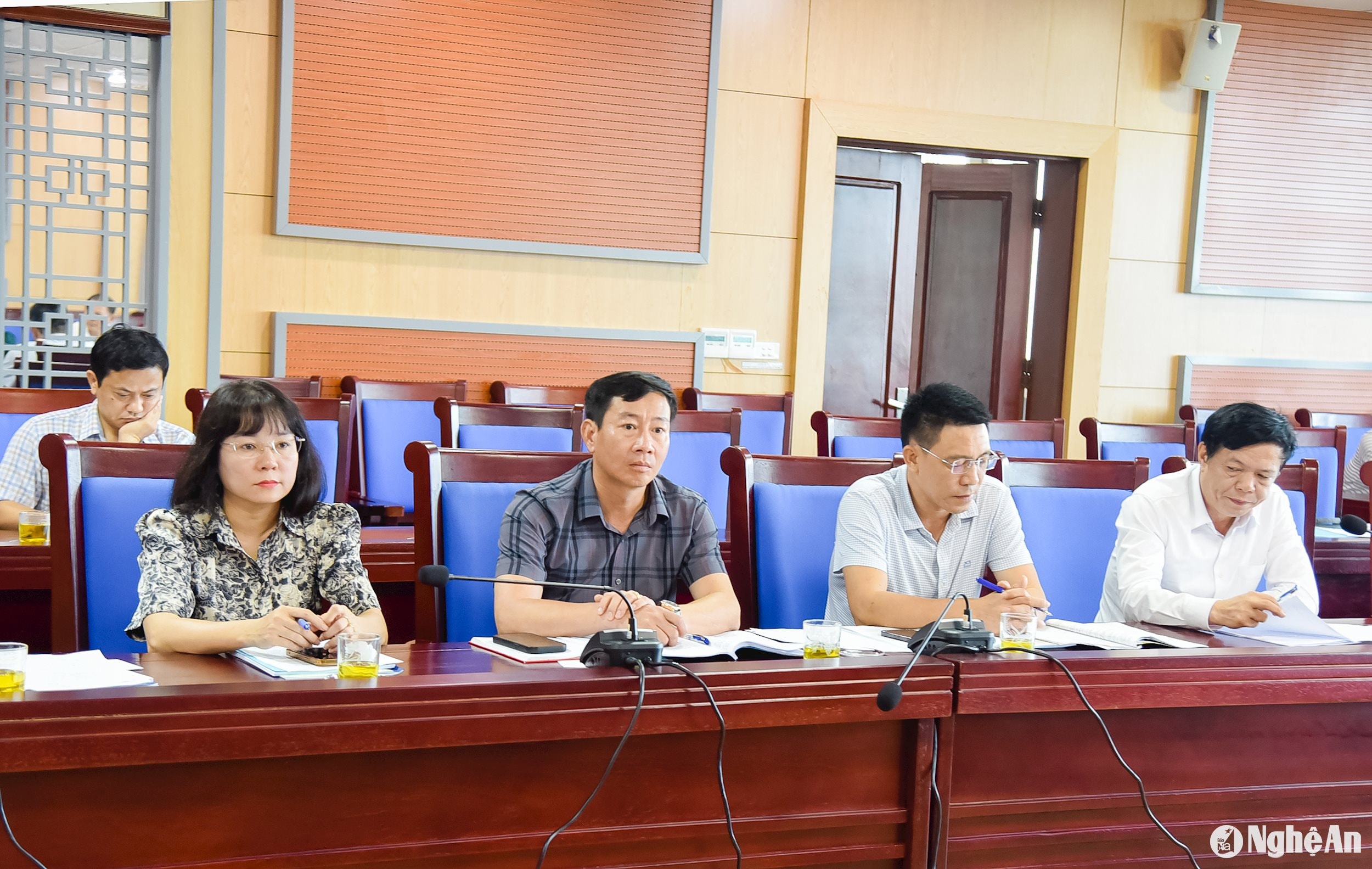
Also at the review session, the Culture and Social Affairs Committee of the Provincial People's Council unanimously approved the draft Resolution on adjusting the investment policy for the project to build a wastewater and waste treatment system for hospitals in Nghe An province, using ODA loan capital from the German Government.


