
Nghe An: Thousands of tons of vegetables 'sitting in fields' waiting for buyers.
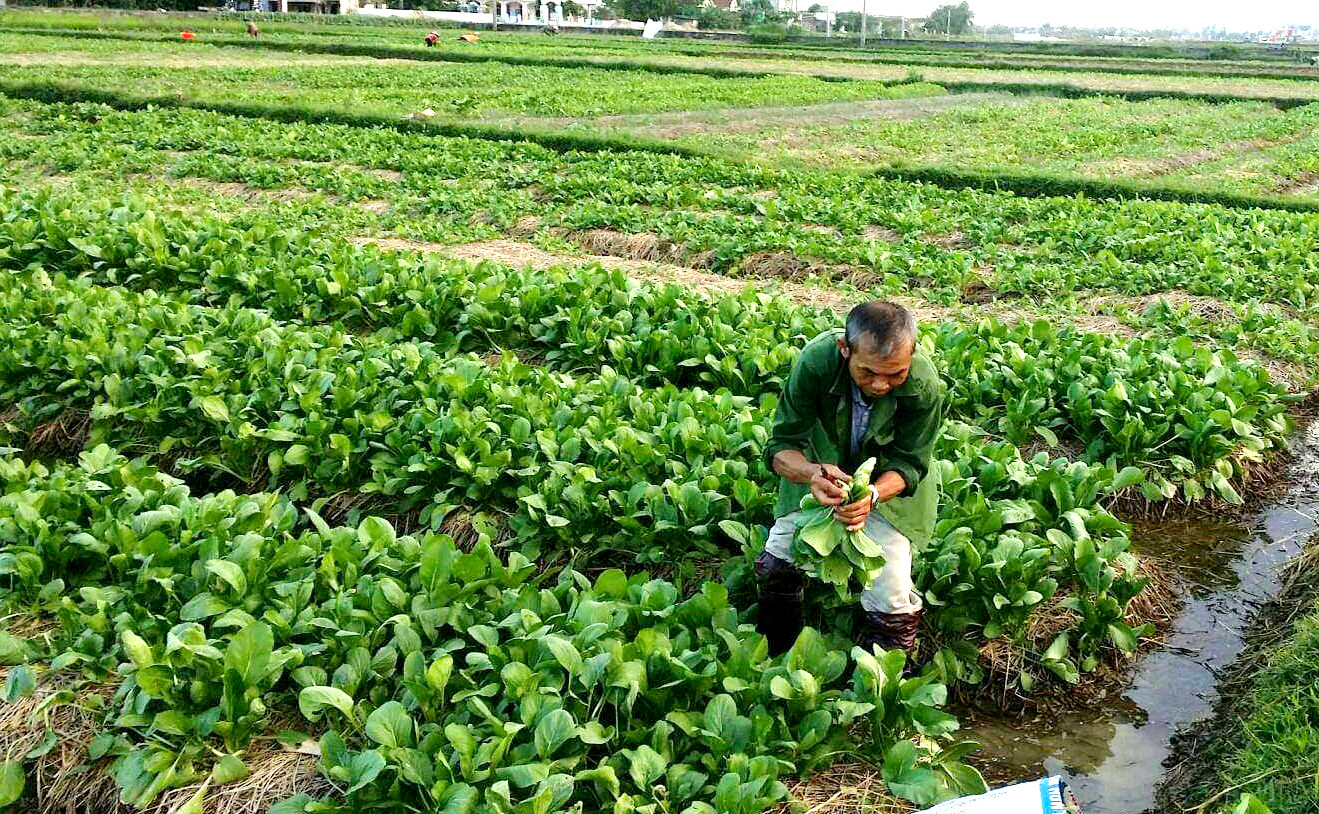
(Baonghean.vn) - Currently, it is the main harvest season for the Nghi Thuan intercropping vegetable growing area (Nghi Loc district), but due to a lack of buyers, nearly 50 hectares of vegetables, yielding thousands of tons, are still sitting in the fields waiting for buyers…
Thousands of tons of vegetables are piling up.
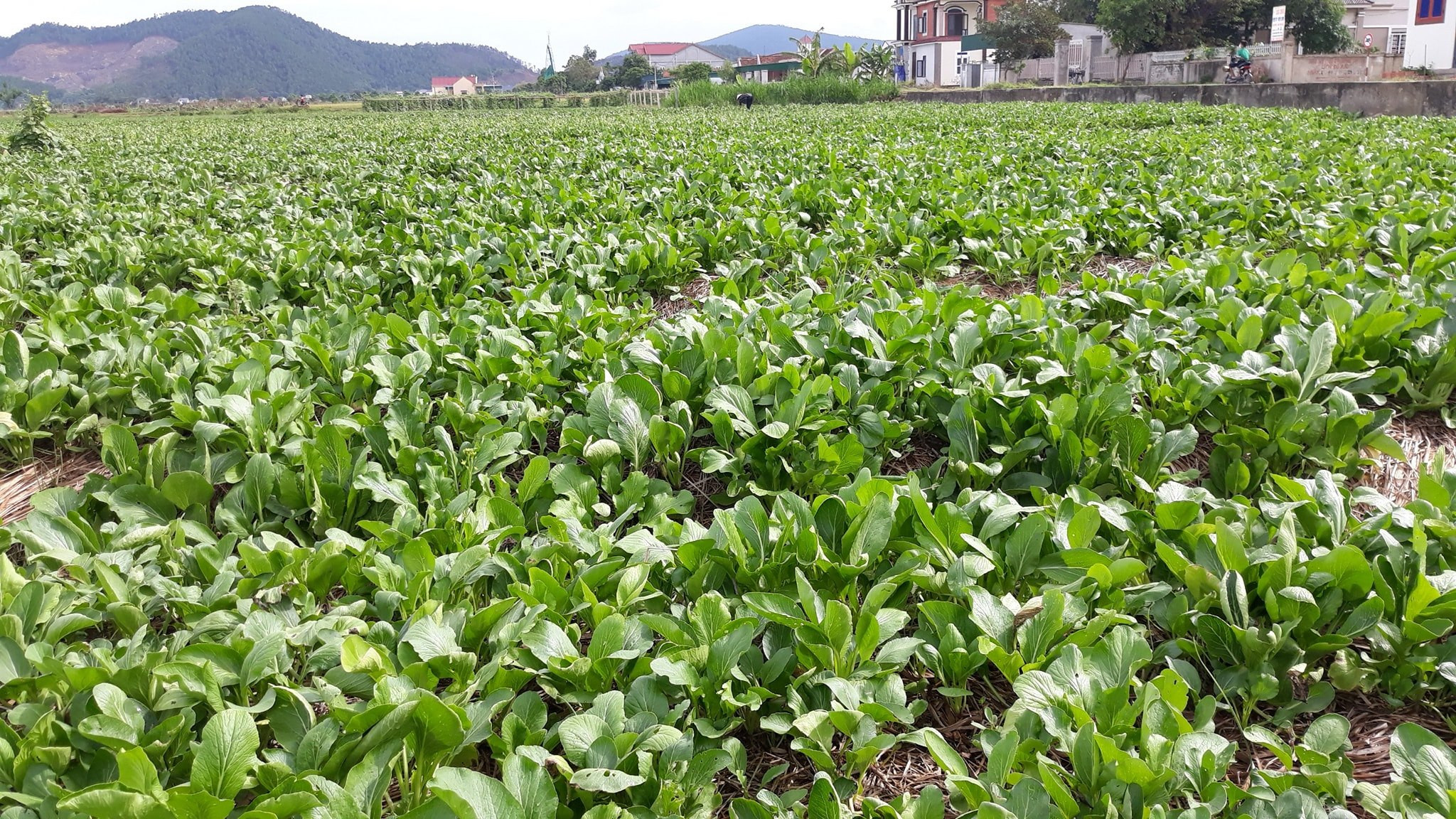 |
| 50 hectares of vegetables in Nghi Thuan commune are ready for harvest but remain unsold due to the lack of a market. Photo: Thanh Phuc |
In previous years, at this time of year, Mr. Ha Van Quy's family in Binh Thuan hamlet, Nghi Thuan commune, would be working tirelessly to harvest their 8 sao (approximately 0.8 hectares) of vegetables in time for traders to buy them. This year, although the 8 sao of vegetables are also in their main harvest season, his family only dares to cut a small amount because there is no place to sell them.
Mr. Quy said: "8 sao (approximately 800 square meters)mixed vegetables with shallots,"While in previous years we harvested 4-5 crops, this year we've only managed to sell 2, mainly through organizations, associations, and philanthropists who buy vegetables to provide relief to areas under lockdown due to the pandemic, in modest quantities. Currently, the vegetables are ready for harvest, but we don't know who to sell them to yet."
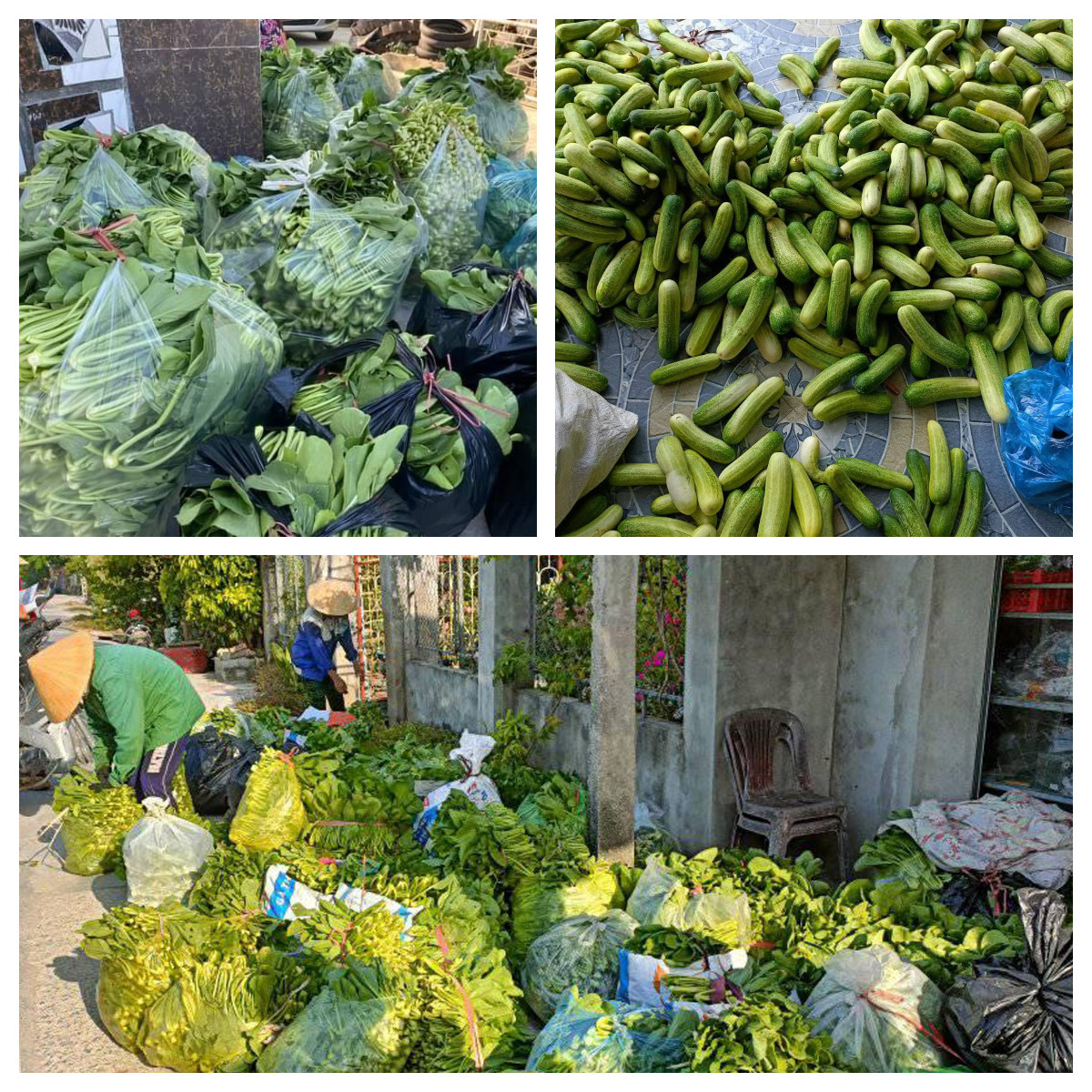 |
| Fearing that the vegetables would become overripe and turn yellow, the locals harvest them and wait for buyers, accepting to sell them by the kilogram. Photo: Thanh Phuc |
Binh Thuan hamlet also has the largest vegetable farming area in the commune, with nearly 35 hectares. According to Mr. Tran Xuan Thang, head of Binh Thuan hamlet, "the main income of the people in the hamlet depends entirely on vegetables and shallots. Now, with no place to sell them, the people are facing many difficulties..."
That is also the common situation for nearly 600 vegetable-growing households in the commune.Nghi ThuanSome households have entire plots of land intercropped with vegetables and onions, while others have at least 1-2 plots. The main vegetables grown are sweet cabbage, mustard greens, stuffed cabbage, cucumbers, and bitter melon. In good years with good harvests and prices, each plot of intercropped vegetables can bring in an income of 10-12 million VND. However, this year, despite a good harvest and favorable weather resulting in fewer pests and diseases, the market is blocked due to the outbreak of disease and the lockdowns and social distancing measures implemented in various localities, hindering transportation.
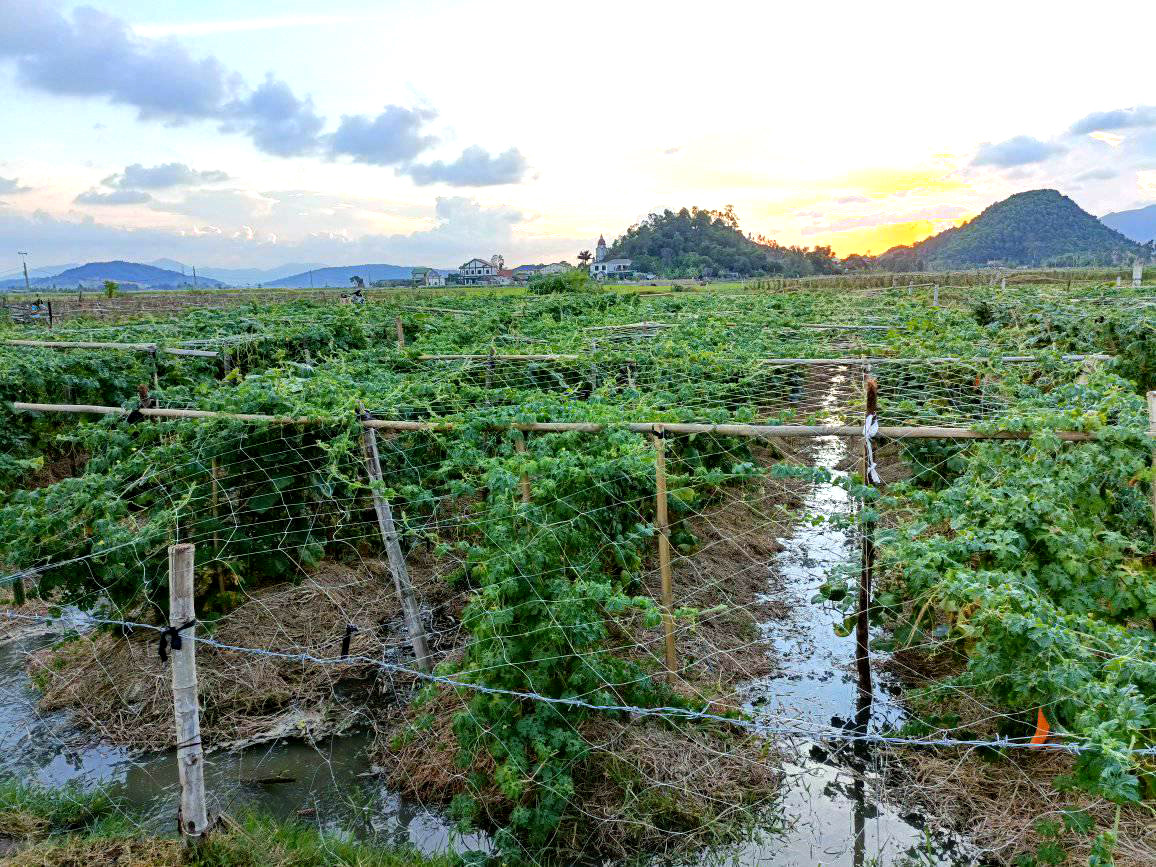 |
| Besides leafy vegetables, nearly 20 hectares of bitter melon and cucumbers in Nghi Thuan commune, yielding hundreds of tons, are also facing difficulties in finding buyers. (Photo: Thanh Phuc) |
“50 hectares of various vegetables, if all are harvested, would yield about 4,000 tons per crop (7-8 crops per season). Along withShallots and vegetables are the main crops.Locally, Nghi Thuan's vegetables are planted in June and harvested from July to September (lunar calendar). During this time, vegetables are scarce in the market due to drought, making them easy to sell. Previously, the vegetables were supplied to the Vinh wholesale market and exported to Ha Tinh, Hanoi, etc. This year, due to the complicated pandemic situation, six local traders specializing in purchasing vegetables, who are connected to the wholesale market, have to be quarantined, resulting in no buyers and no transportation for consumption elsewhere. Thousands of tons of vegetables, ready for harvest, are left unsold in the fields, according to Mr. Le Thanh Hai, Chairman of the Nghi Thuan Commune People's Committee.
Double damage
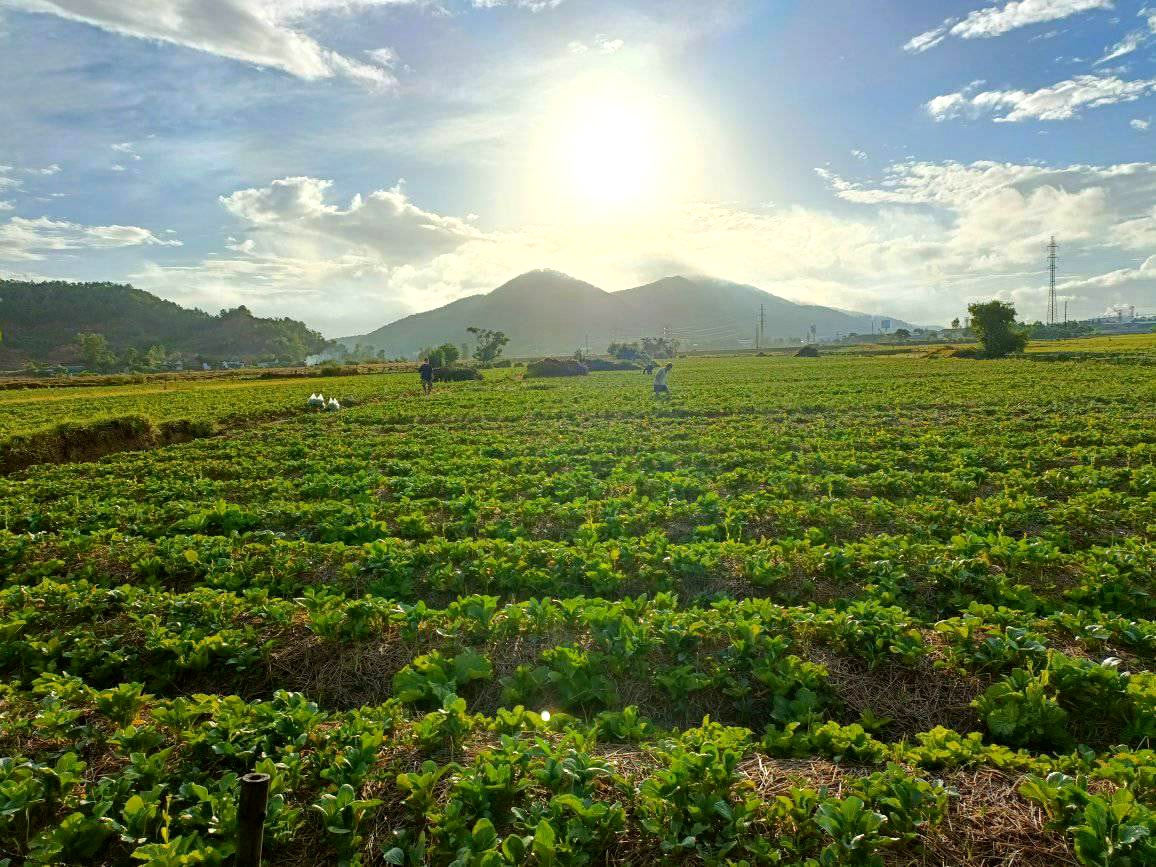 |
| Approximately 1,000 tons of vegetables are piling up in the fields, affecting the care of the next crop and impacting the cultivation of shallots. Photo: Thanh Phuc |
Unlike other crops, if not harvested in time, vegetables will become old and rot, and if harvested but not sold quickly, they cannot be preserved for long. Therefore, the accumulation of vegetables in the fields is causing anxiety for the people of Nghi Thuan commune.
The unique characteristic of growing sweet cabbage is that it's harvested in batches. If one batch is cut close to the root and properly cared for, another can be harvested after 7-10 days. Normally, each crop, lasting from the 7th to the 9th lunar month, yields 8-10 harvests. Therefore, if the cabbage isn't harvested in time, it will affect subsequent crops.
Furthermore, due to the unique intercropping method with shallots, leaving the vegetables to mature in the fields will affect the growth of the shallot plants. Ms. Nguyen Thi Sen, an agricultural official in Nghi Thuan commune, said: “Currently, the shallots have sprouted and emerged from the ground, so they need sunlight and sufficient nutrients. If the vegetables are overripe and not harvested in time, it will affect the development of the shallot plants. Therefore, if the vegetables are not 'released,' the farmers will suffer losses in the next shallot crop…”
In March 2021, people in Nghi Thuan commune suffered losses when the price of shallots plummeted to rock bottom, making them unsaleable. Now, during the vegetable season, they are facing the same predicament as cabbage, cucumbers, and bitter melons are ready for harvest but there is no market for them, causing people to face numerous difficulties...
 |
| Unstable prices and market demand for pumpkins have caused significant difficulties for the people of Nghi Thuan commune. (Photo: Thanh Phuc) |
Hopefully, the epidemic will be brought under control soon, local markets will reopen, the flow of goods will be restored, and the problem of finding markets for vegetables from Nghi Thuan in particular and agricultural products of the local people in general will be resolved.
Currently, many agricultural products in the district are facing difficulties in finding markets due to the epidemic: commercial broiler chickens (approximately 500 tons of broiler chickens are stockpiled); ducks, geese; poultry eggs; lemons, etc. However, the most pressing issue is that about 1,000 tons of vegetables in Nghi Thuan commune have no place to be sold.
After conducting surveys, gathering information, and compiling specific statistics, we have come up with solutions such as: coordinating with organizations and associations to connect farmers with the consumption of agricultural products; contacting collective kitchens and suppliers of vegetables and poultry eggs; and sending official letters to the People's Committee of Vinh City and Cua Lo Town to facilitate local connections with businesses in the area for product consumption…
However, in the current context, the market for agricultural products in general, and vegetables in particular, is facing many difficulties.


