
Nghe An: Many types of medicine are unavailable for purchase.
(Baonghean.vn) - Recently, the first-ever bidding process for the procurement of medicines was implemented in medical units in Nghe An. However, the results of the bidding for medicines and medical supplies were not as expected, especially for medicinal herbs, traditional medicine ingredients, and intravenous fluids.
Unable to purchase traditional medicine ingredients.
During the eventbiddingDuring the recent drug procurement at Nghe An Traditional Medicine Hospital, the bidding process was conducted very systematically, thanks to the hospital's team of skilled and experienced staff in bidding, many of whom have participated in the Ministry of Health's bidding expert team for years. However, the problem was that not many pharmaceutical suppliers participated.
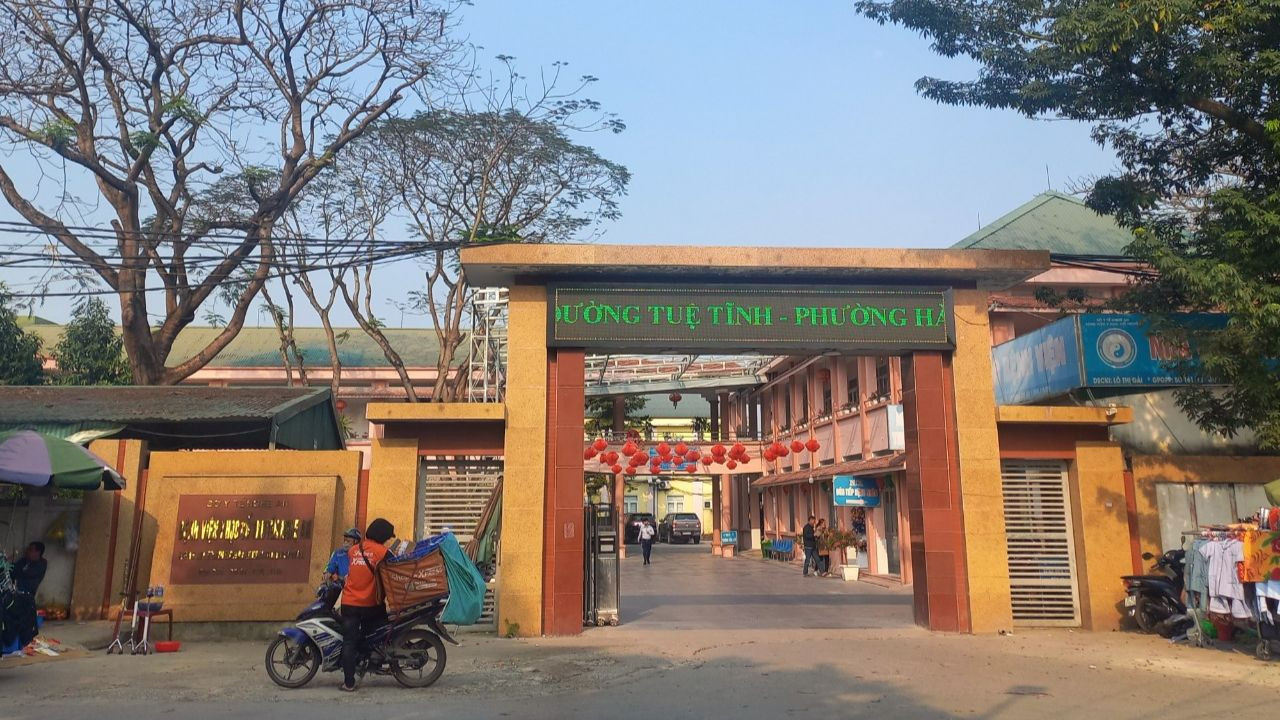 |
Nghe An Traditional Medicine Hospital. Photo: Thanh Chung |
Dr. Nguyen Thi Hai, Deputy Director of Nghe An Traditional Medicine Hospital, said: "In 2022, the procurement of medicinal herbs was extremely difficult. In the context of the Covid-19 pandemic, border crossings with China were closed, and market prices skyrocketed, causing suppliers to provide medicinal herbs to the hospital in a very limited manner. During that year, the hospital organized a tender but no bidders participated."
In late 2022 and the first month of 2023, with the Covid-19 pandemic under control, the hospital prepared tender documents for five packages. Packages 1, 2, and 3 were for modern medicines, produced from medicinal herbs. Packages 4 and 5 were for medicinal herbs, used in the production of medicines at the hospital.
The hospital has procured some modern medicines under packages 1, 2, and 3; however, not all the required ingredients are available. For example, in package 1, which includes 131 items, only 81 items were successfully bid on, while the remaining 50 items were not purchased by bidders. Packages 4 and 5 – the herbal medicine packages – are particularly challenging, with only about one-third of the required ingredients being procured.
The inability to procure sufficient medicinal herbs and traditional medicine treatments for examination and treatment at the Nghe An Traditional Medicine Hospital reflects the common reality of medical facilities throughout the province.
For district-level health units, the procurement of medicinal herbs and traditional medicines is even more difficult during the first phase of the bidding process. In fact, some units were unable to purchase any medicinal herbs or traditional medicines at all, despite inviting bids and extending the deadline, as no businesses participated.
According to healthcare facilities, the reasons why businesses are not participating in the traditional medicine and herbal treatment market include: The COVID-19 pandemic disrupted the supply of raw materials, leaving businesses without the resources for production and supply. Many regulations have stipulated that prices cannot exceed previous levels, while the market is volatile and prices are escalating. The demand from healthcare facilities is low, making businesses less enthusiastic about participating.
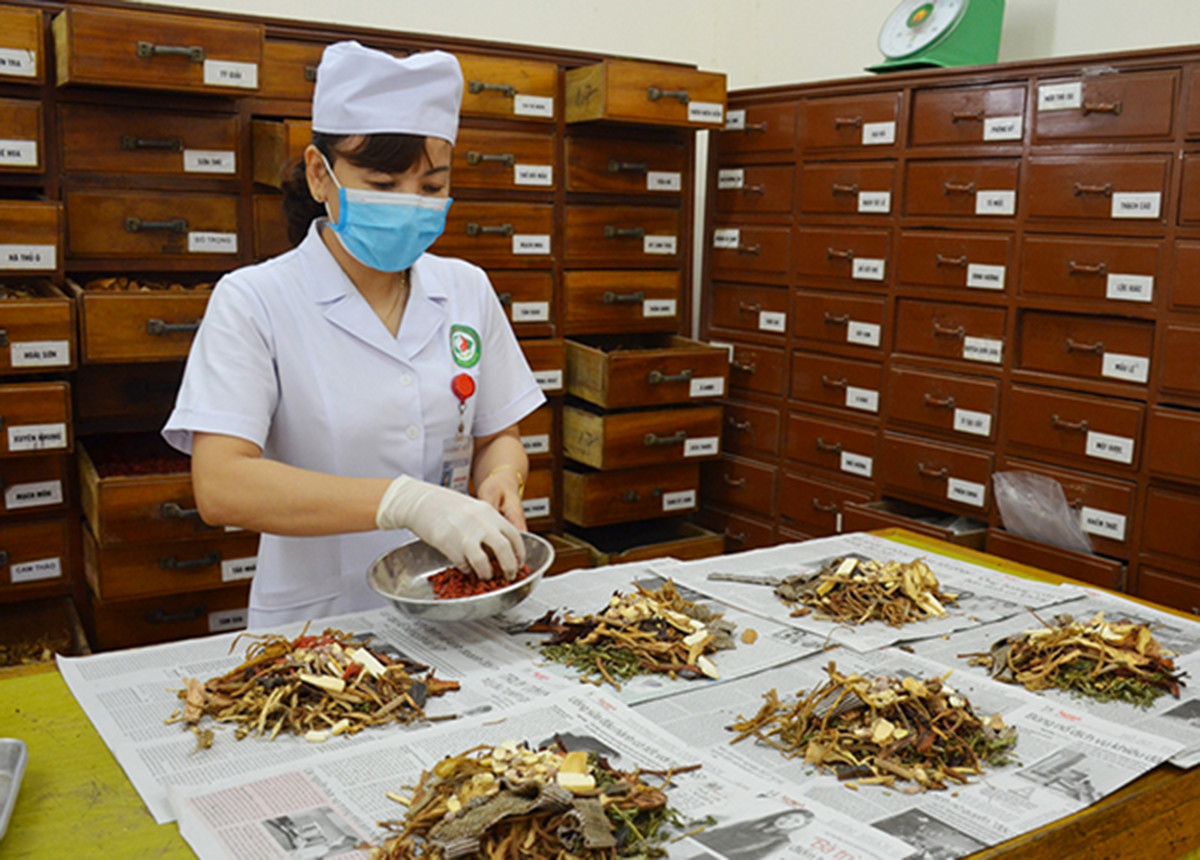 |
Very few businesses participated in the bidding process for the package of medicinal herbs and traditional medicine ingredients. Photo: Internet |
Many new regulations and circulars regarding medicinal herbs (such as requiring medicinal herb standards according to the Vietnamese Pharmacopoeia, including color, properties, starch content, and trace elements; requiring the publication of production volume on the Ministry of Health's website; and requiring proof of origin) have not yet been met by supplying businesses, thus rendering them ineligible to participate...
In fact, the difficulties in procuring medicines had been anticipated by healthcare facilities. To cope with this difficulty, healthcare facilities had stockpiled supplies in advance. However, the reserves only lasted until the end of March 2023.
Dr. Nguyen Thi Hai, Deputy Director of Nghe An Traditional Medicine Hospital, said: Due to the inability to purchase sufficient medicinal herbs, the hospital has directed the import of readily available modern medicines to treat patients. The hospital has also instructed departments and wards to closely follow legal documents to expedite the re-bidding process for the procurement of missing medicinal herbs and ingredients. The re-bidding process will continue in March 2023.
"Running out" of intravenous fluids.
Information from the Department of HealthNghe AnIn the recent drug procurement tender, intravenous fluids had the highest rejection rate, second only to medicinal herbs and traditional medicine ingredients. At medical facilities, while traditional medicine treatments are not used excessively or urgently (not life-threatening), intravenous fluids are an irreplaceable and mandatory item.
Intravenous fluids are sterile drug solutions used for slow intravenous infusion in large volumes. There are many types of intravenous fluids with different active ingredients at varying concentrations, which may be hypertonic or isotonic with respect to the corresponding substances found in blood.
Some types of intravenous fluids contain a fairly complete range of micronutrients and are used as plasma replacements or to supplement vitamins and amino acids in certain cases where nutrition is needed for patients who cannot eat or absorb nutrients through the digestive tract. When blood glucose or electrolyte levels are lower than acceptable, the doctor will rely on test results to decide whether or not to administer intravenous fluids.
In some cases, intravenous fluids must be administered immediately to patients, such as when they are dehydrated, have lost blood, are severely malnourished, are poisoned, or before and after surgery. Intravenous fluids, when necessary, also help to eliminate toxins from the body in cases of drug poisoning, food poisoning, or acute infections, and help increase urine output.
Some types of intravenous solutions are also used as solvents to dissolve certain injectable medications, especially antibiotics. The type of fluid administered depends on the patient's condition, as determined by the doctor.
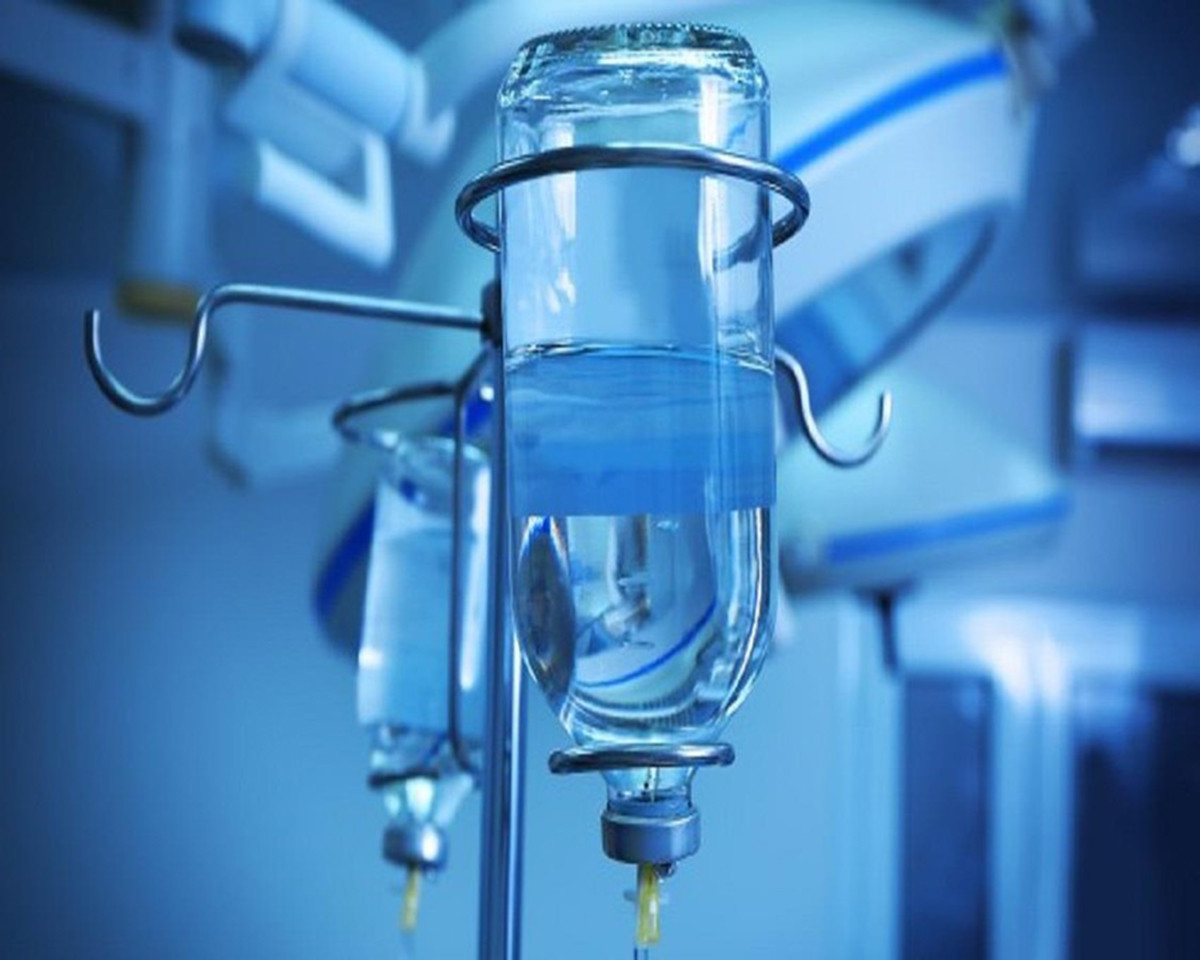 |
During the procurement of medicines through bidding at healthcare facilities, intravenous fluids are an item with a high failure rate in the bidding process. (Image: Internet) |
Dr. Dang Tan Minh, Director of the Quy Chau District Health Center, shared: "Many medical facilities in the province failed to win bids for intravenous fluids. The reason for the failure was that businesses submitted bids exceeding the regulated price. Facing the risk of intravenous fluid shortages, the units reported to the Department of Health to request the province's approval to conduct a re-bidding process or implement direct contracting..."
According to a healthcare expert: In reality, not many businesses specialize in intravenous fluid administration because it's a product with very low profit margins. The value of a single bottle of fluid isn't high, but it has a large volume and weight. Therefore, the costs for businesses to transport and store this item are very high. Some suppliers have even accepted selling intravenous fluids at a loss to healthcare facilities in order to profit from other products. In the recent bidding process, the bid prices for intravenous fluids from suppliers were high because they had already factored in the transportation and storage costs of this item.
Faced with the potential shortage of intravenous fluids, the Nghe An Department of Health has directed medical units unable to procure these items, and medicines in general, to immediately re-tender, ensuring that medical examination and treatment services for the people are not affected. Relevant state management agencies will actively support and create favorable conditions to help units effectively carry out the bidding process for the procurement of medicines, biological products, chemicals, and consumable medical supplies.
In order to alleviate the shortage of medicines and medical supplies, on March 4, 2023,GovernmentThe government has issued Resolution No. 30/NQ-CP on continuing to implement solutions to ensure the supply of medicines and medical equipment.
Government Resolution No. 30 requires the Ministry of Health to urgently revise and supplement the list of drugs subject to national and local centralized bidding to ensure it is consistent with the bidding organization capacity of each level and the supply capacity of enterprises, in order to provide sufficient and timely drugs for medical examination and treatment activities, to be completed in the third quarter of 2023.
In addition, research and develop mechanisms to ensure the availability of rare and limited-supply medicines; develop and issue guidelines for sample tender documents for medicinal herbs and traditional medicines to be tendered online.
Resolution 30 requires the Ministry of Planning and Investment to promptly and specifically guide units and localities in implementing legal documents related to bidding for medicines and medical equipment within their jurisdiction.
At the same time, coordinate with the Ministry of Health to develop regulations on bidding for medicines and medical equipment in the draft Law on Bidding, ensuring they are consistent with the specific characteristics of the health sector.
The Ministry of Finance is responsible for urgently reviewing, amending, supplementing, or issuing new documents on the management and use of public assets and the use of funds originating from the state budget for the procurement of medicines and medical equipment within its authority or submitting them to competent authorities for issuance as prescribed.


