
Good resolutions bring about changes in villages and hamlets.
As the political "nucleus" at the grassroots level, many village and hamlet Party branches have focused on issuing and directing the implementation of Party resolutions effectively. This has led to positive changes in rural development and sustainable poverty reduction.
When the resolution comes into effect
Visiting Na Cay village in Tien Phong commune, I arrived just as the villagers were enthusiastically building rural roads, their laughter and chatter filling the entire village.
Party Secretary Lu Van Quy shared: Na Cay is a village with a total area of 460 hectares, home to 243 households and 1,216 people from three ethnic groups: Thai, Kinh, and Kho Mu. The Thai ethnic group accounts for 71.5% of the population and is divided into four production teams.
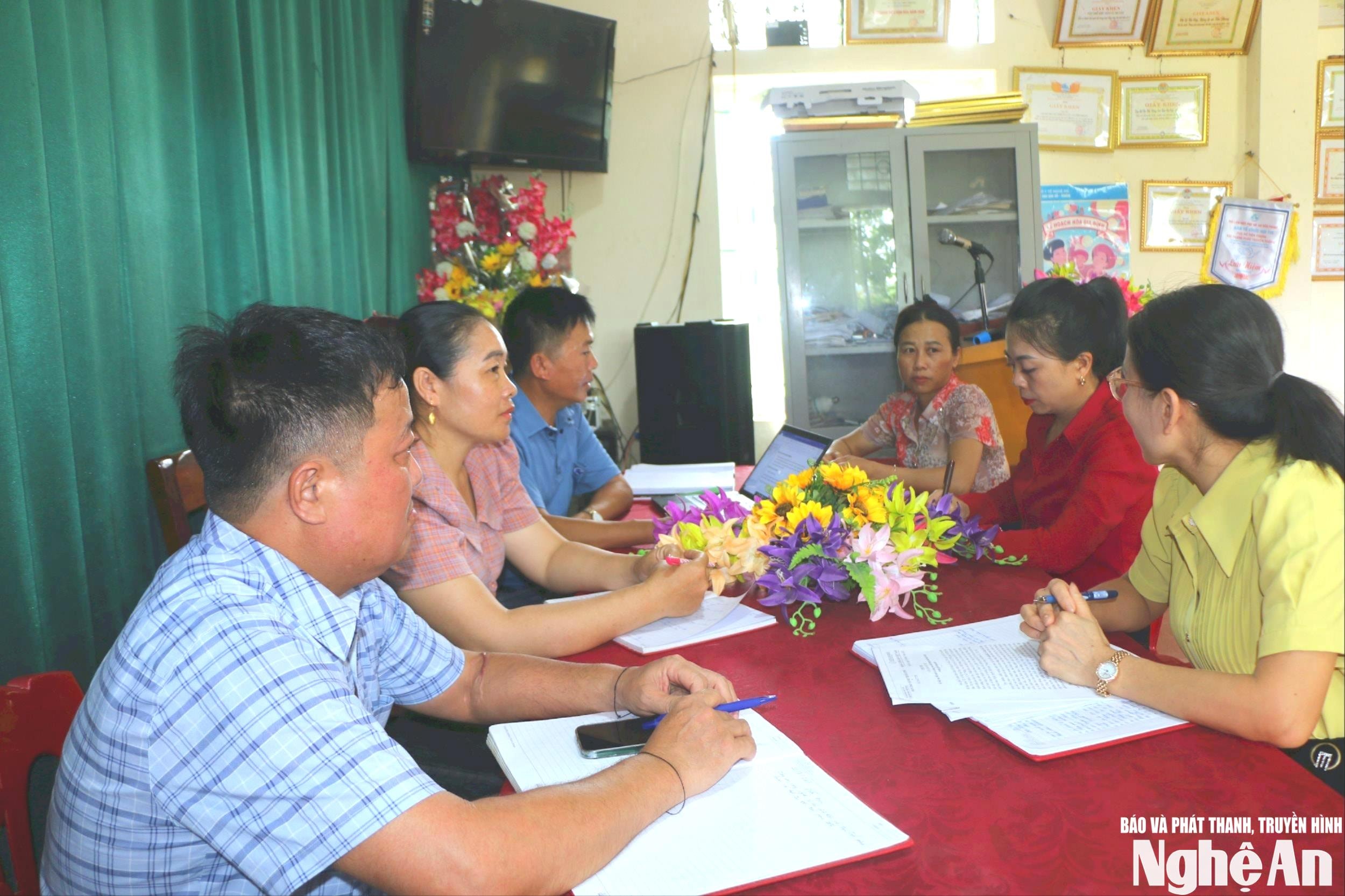
Roads within the villages are still difficult to navigate, especially for production teams located far from the center. Therefore, the Party branch's resolution prioritizes focusing on building rural roads to bring about a significant transformation in the appearance of the villages.
Following the Party branch's resolution, the people unanimously donated land and trees to expand and pave internal village roads and field roads, facilitating travel and production.
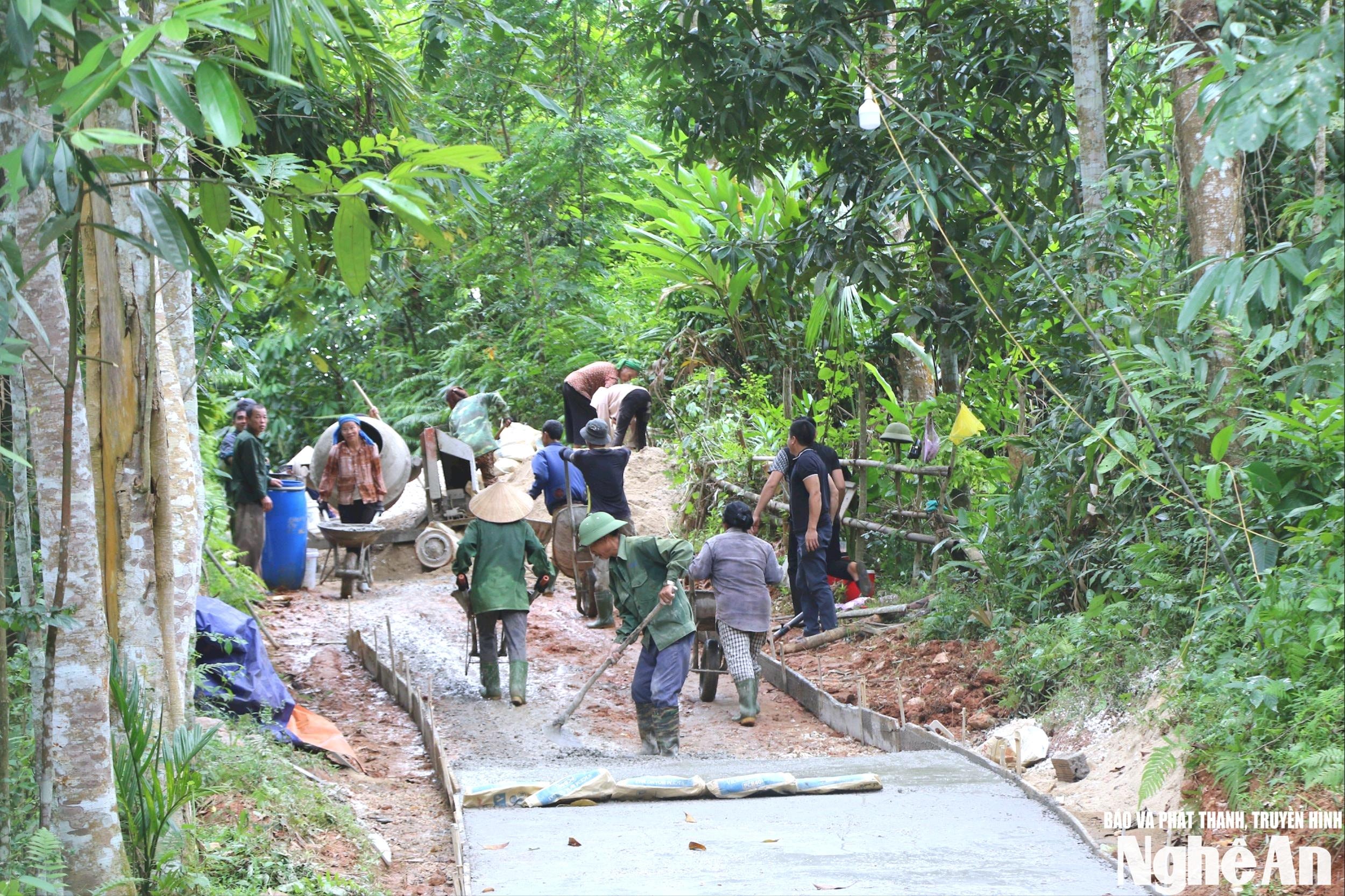
In the very first year of implementation, Na Cay village mobilized the people to contribute to building a lighting power line over 1,000m long and constructing a football field covering 850m².2Serving the physical fitness and sports needs of the people.
In the second year, each household contributed 300,000 VND to build a power line nearly 600 meters long along the main road and about 800 meters long along the road in production team number 4.
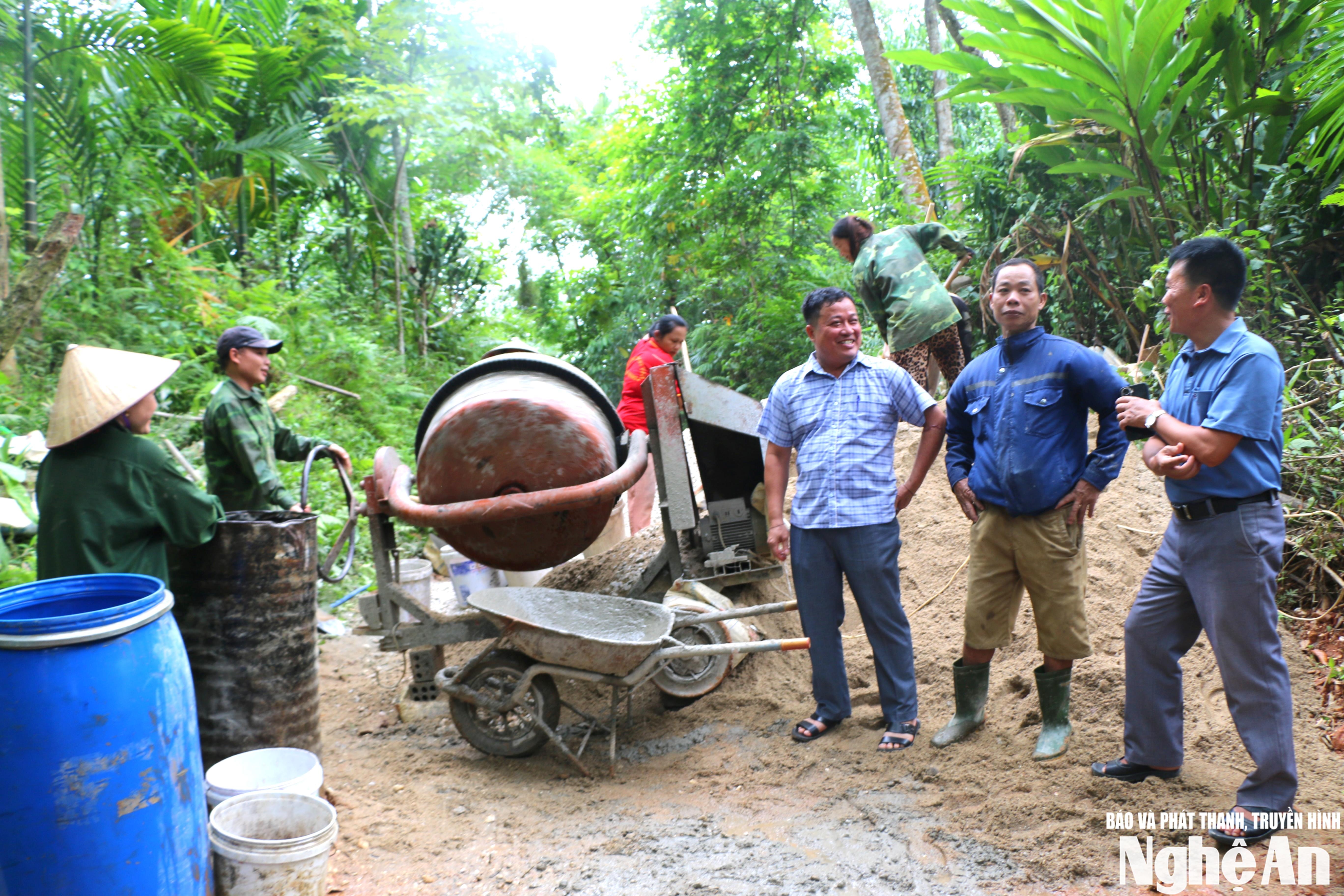
In 2025, Na Cay continued to receive over 150 tons of cement and, to date, has constructed more than 1,178 meters of rural roads, each 2.5 meters wide, with sand and gravel contributed by the people, with each household contributing an average of 1.2 million VND.
Thanks to practical resolutions, evaluations, lessons learned, and the recognition and honoring of exemplary cases, along with a spirit of solidarity and mutual support, wide, airy, clean, and beautiful concrete roads have appeared in Na Cay.
Currently, 80% of the rural roads in the village have been paved with concrete.
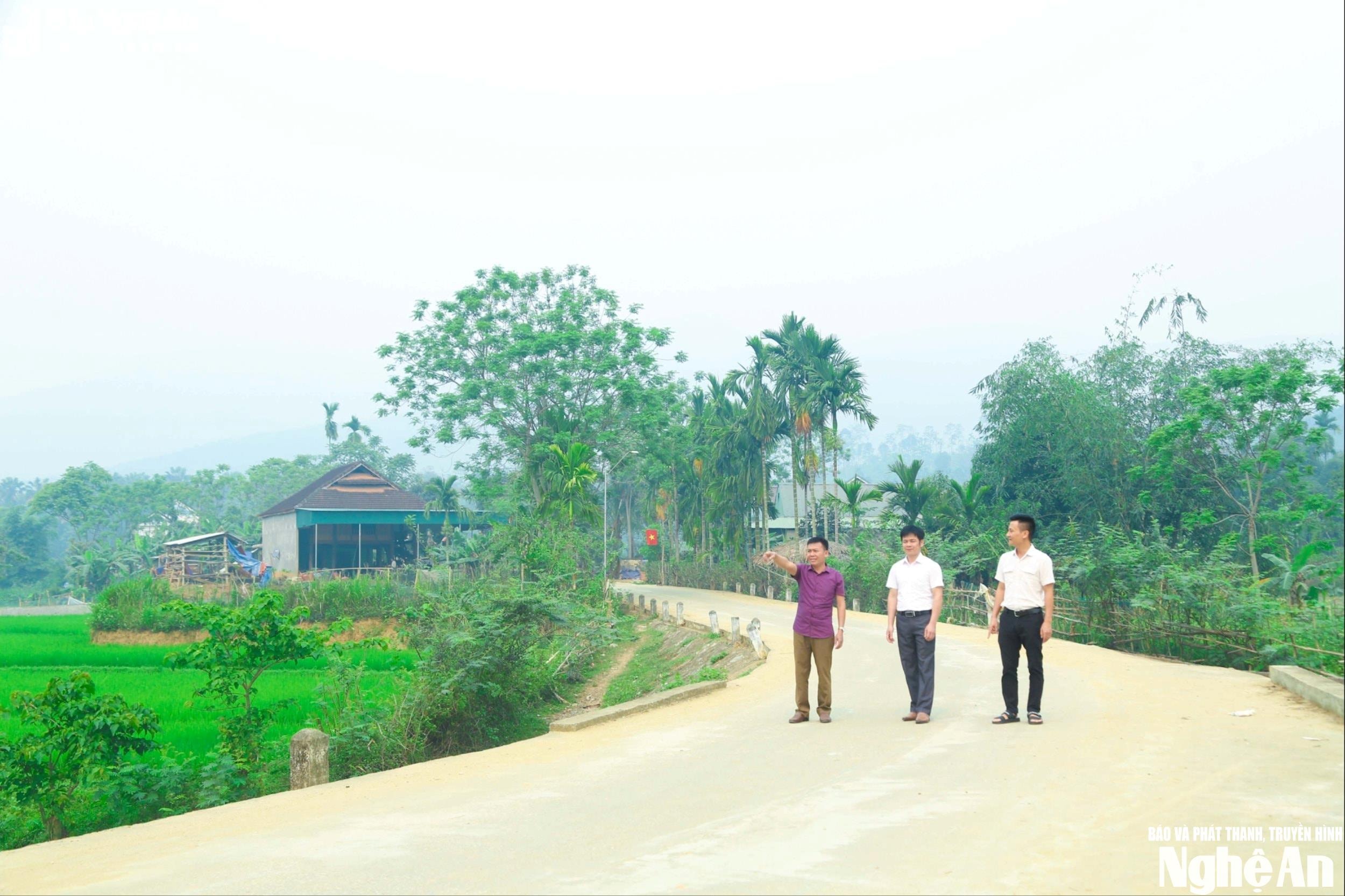
According to Party Branch Secretary Lu Van Quy: The Party branch must lead and direct through specific resolutions, appropriate to the conditions of the village, and linked to the assignment of responsibilities to each Party member. During regular meetings, the Party branch must review the directions and tasks that have been set, identify what needs to be done immediately in the coming period, and resolutely implement them.
Similarly, Lien Phuong village (Que Phong commune) has 200 households and 987 inhabitants, mainly of the Thai ethnic group, with a Party branch of 58 members. The area is large, the population is dense, and the people's lives are still difficult and dependent on agriculture, requiring the Party branch to carefully consider solutions to promote socio-economic development and bring prosperity to the village.
According to Party Branch Secretary Lo Xuan Duc: The Party Branch prioritizes issuing resolutions on building new rural areas, including transportation infrastructure and other facilities. To put the resolution into practice, propaganda activities, appeals, and mobilization of the people to build new rural areas through direct meetings as well as social media have been strongly implemented by the Party Branch Committee, the management board, and the mass organizations of Lien Phuong village.
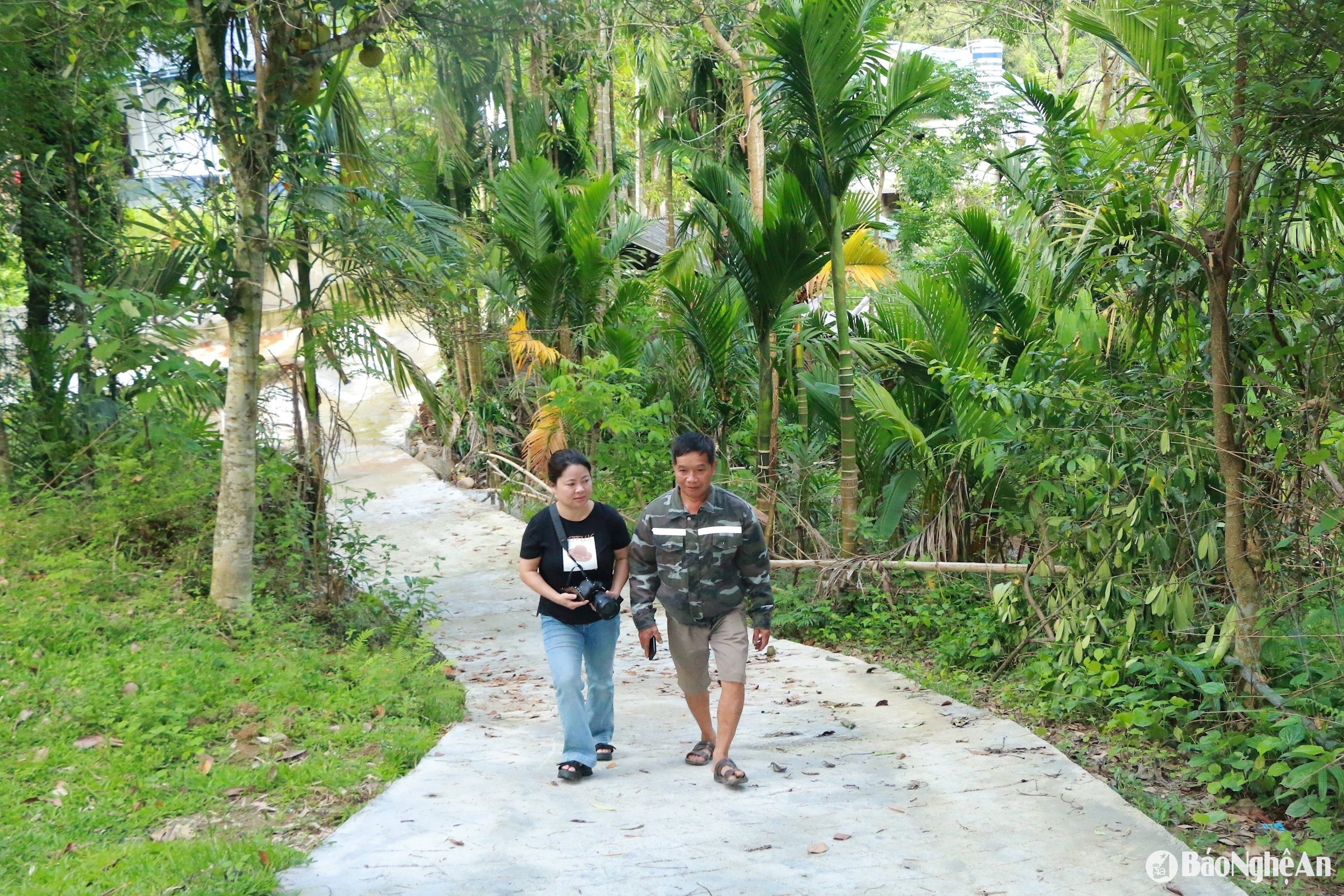
Thanks to this, in 2024, the Lien Phuong village Party branch directed the village management board to coordinate with the Youth Union to install streetlights worth over 50 million VND, and organized the planting of trees around and along the road corridors worth over 1,500,000 VND. In addition, the village mobilized the people to expand the volleyball court with a total cost of 45,000,000 VND; and constructed an internal concrete road and added soil to the road corridor along a total length of 750 meters.
Aiming for sustainable poverty reduction, the Lien Phuong village Party branch also issued resolutions focusing on leading and directing the people to apply science and technology to farming and livestock breeding, supplying high-yield and high-quality rice varieties such as Japonica and glutinous rice for large-scale cultivation; converting water-scarce rice fields to sugarcane, cassava, and other crops, creating conditions for people to develop production and increase income.
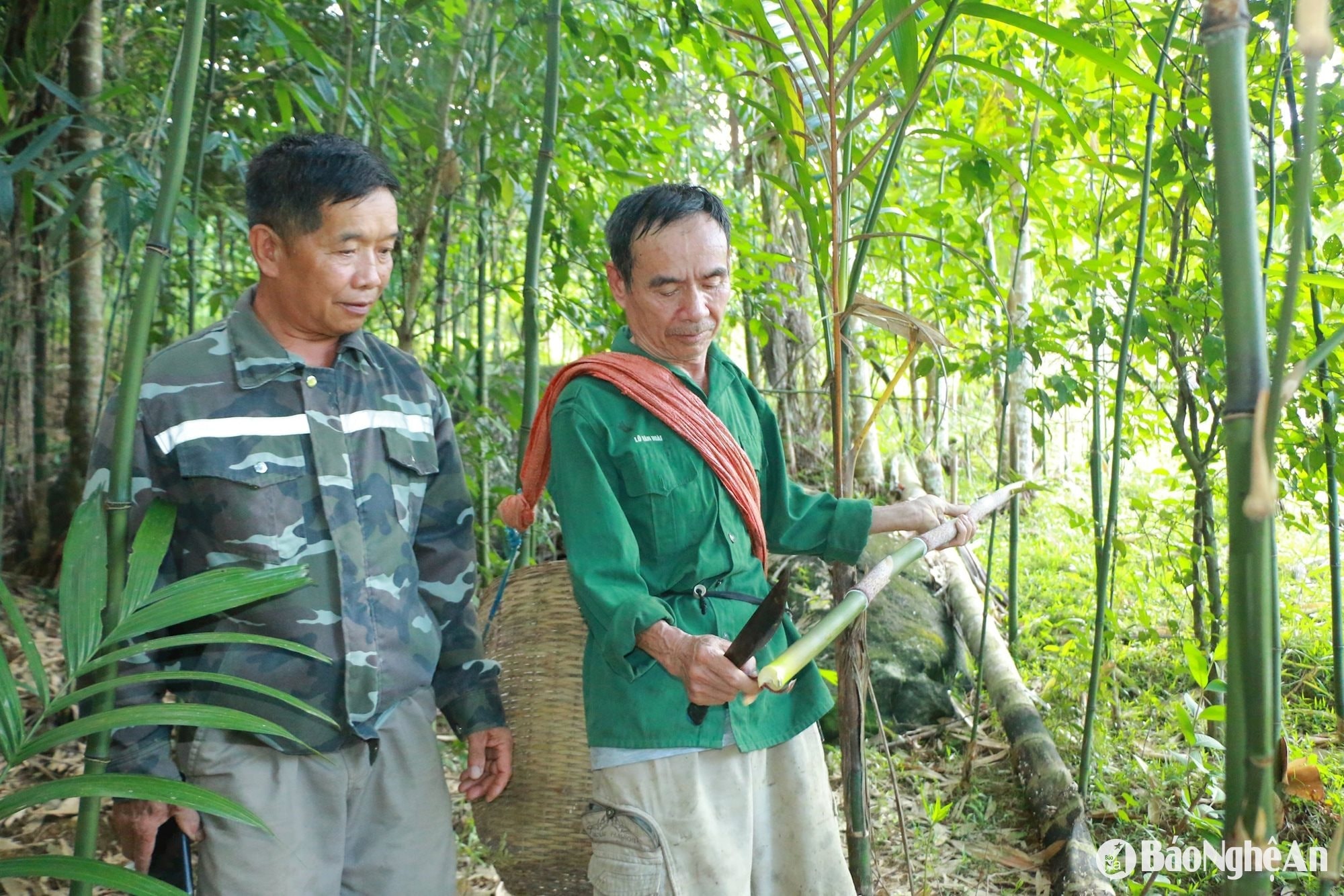
Most recently, the Lien Phuong village Party branch issued a resolution to protect and develop the bamboo shoot cultivation model, covering nearly 1 hectare, and requested Party members to set an example by implementing it first. As a result, many other households have followed suit, expanding their cultivated area, caring for the plants, and clearing the surrounding vegetation to ensure the bamboo shoots thrive; this not only provides a stable source of income for the villagers but also serves as a way to build and promote the local specialty.
"All leadership within the Party branch is based on resolutions, and for these resolutions to be put into practice, everyone must prioritize the interests of the people and the development of the community. At the same time, during the implementation process, Party members must take the lead so that the people can follow."
Party Secretary of Lien Phuong village, Lo Xuan Duc
Changes in "mindsets and ways of doing things"
Many village and hamlet Party branches are truly becoming the "nucleus" of leadership, propaganda, and mobilization of cadres, Party members, and the people to overcome the mindset of dependence and reliance, change their way of thinking and doing things, and develop the economy based on the potential and advantages of the locality, aiming for sustainable poverty reduction.
Party branch activities in villages and hamlets are gradually moving away from rigid, formulaic formats, becoming a genuine bridge between resolutions and real life.
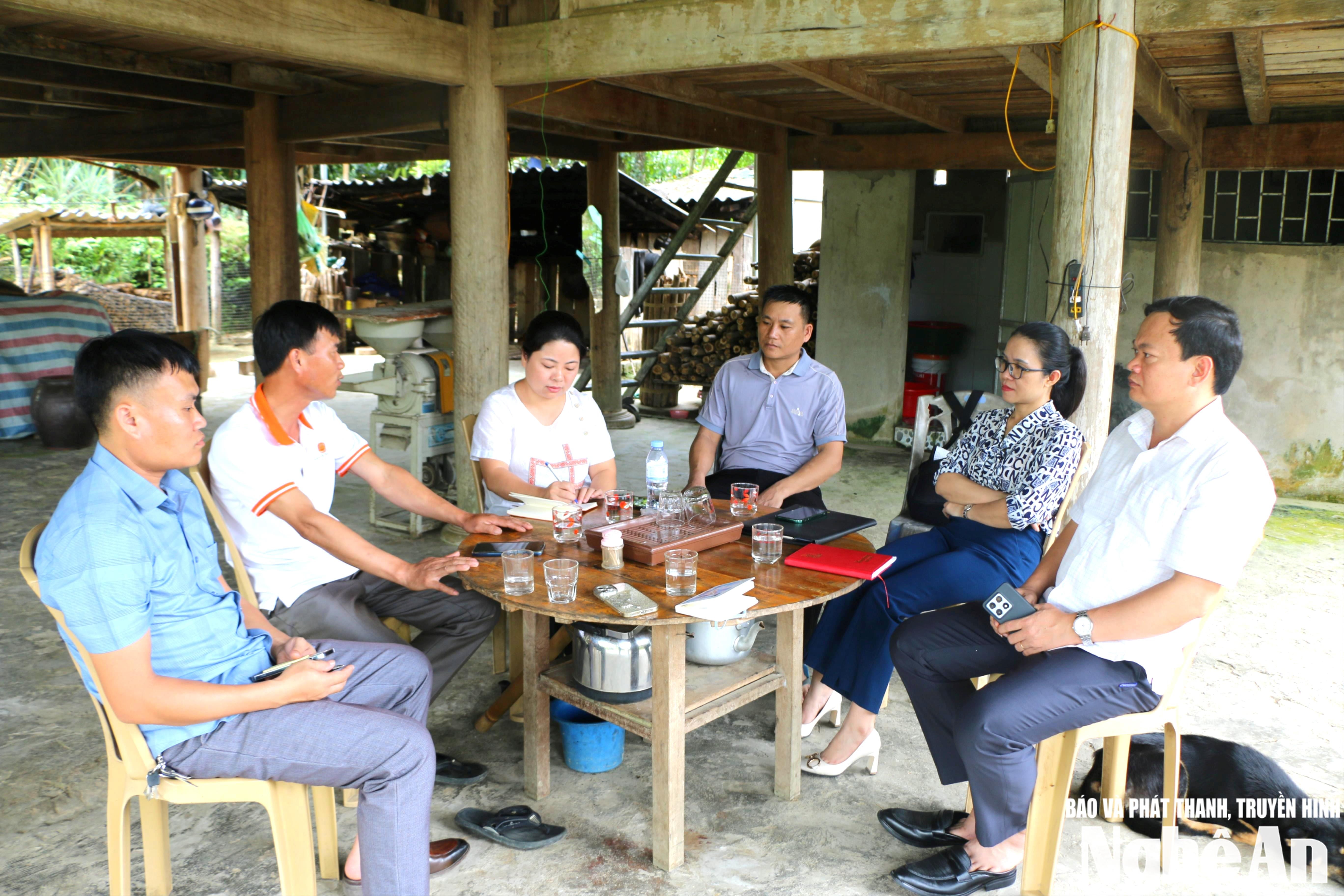
Comrade Nguyen Minh Thuan - Standing Deputy Secretary of the Tien Phong Commune Party Committee, said: Recognizing the role of grassroots Party branches, as soon as the two-level government came into operation, the Commune Party Committee organized meetings with the heads of villages and hamlets; assigned comrades in the Standing Committee and the Executive Committee of the Commune Party Committee to directly attend Party branch meetings, understand the thoughts and aspirations, and resolve difficulties for the grassroots.
At the same time, it is required that Party branch activities be practical, close to the people, and clear on issues; resolutions issued must be based on reality, prioritizing economic development, building new rural areas, and urgent issues related to the interests of the people and the community.
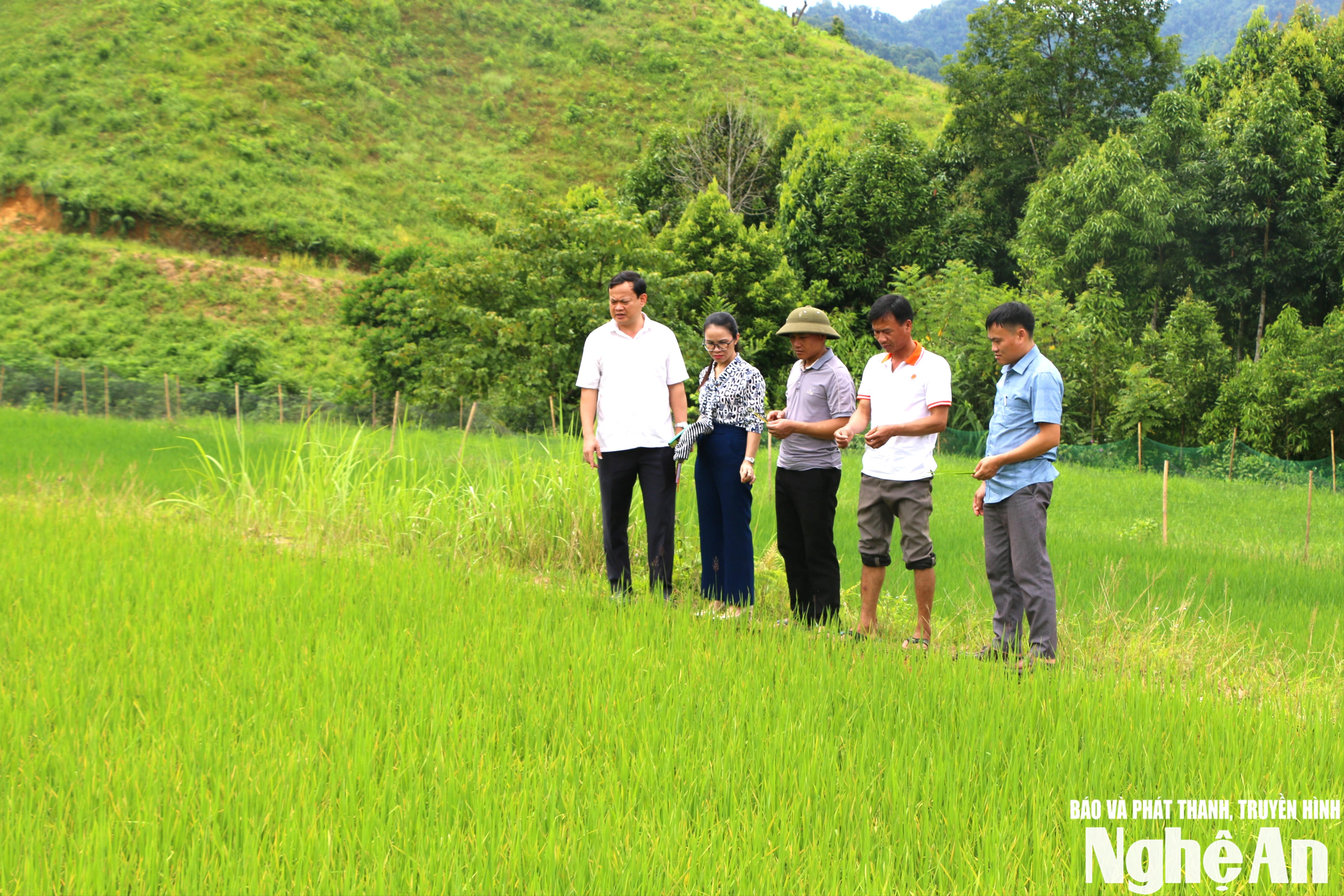
Surveys conducted in many Party branches show that the development of leadership resolutions, especially thematic resolutions, is increasingly focused on closely adhering to practical realities, political tasks, and tasks assigned by higher-level Party committees.
Comrade Lang Van Loan - Head of the Party Building Committee of Tri Le Commune
Some Party branches have demonstrated a high degree of focus and unity in the development, promulgation, and effective implementation of resolutions. A prime example is the Pà Khốm village, where practical resolutions issued by the Party branch have fostered consensus between the Party's will and the people's aspirations, inspiring self-reliance and solidarity in poverty alleviation, and gradually building a prosperous life for the Hmong people.
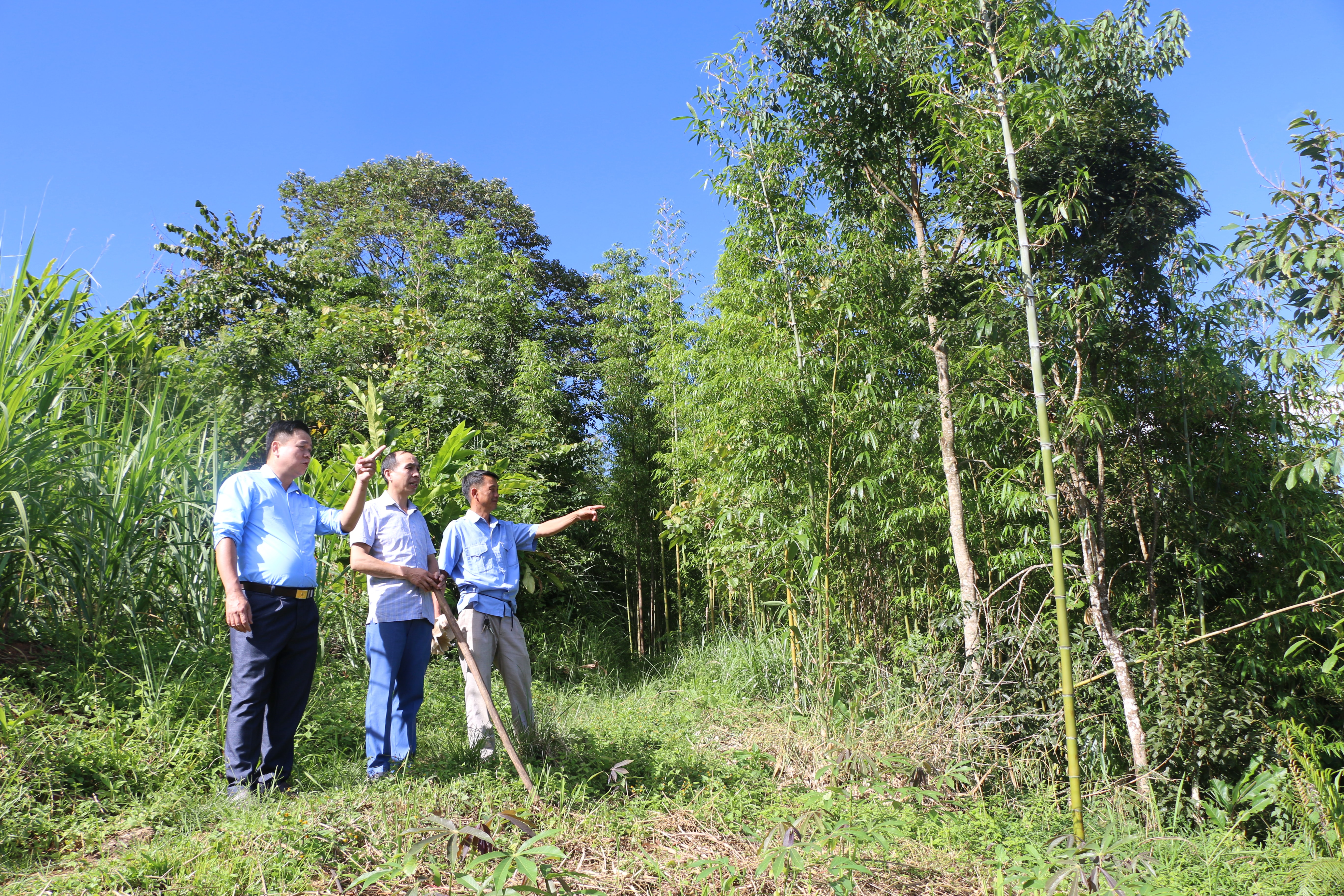
For example, a thematic resolution on the management, protection, and development of bitter bamboo shoots both protects the environment and creates sustainable livelihoods, contributing to expanding the area of bitter bamboo shoot cultivation in Pa Khom village from 5.3 hectares to 13.3 hectares. Similarly, a resolution on the conservation and development of Mong peach trees has encouraged people to expand peach tree cultivation models to up to 6,000 trees, beautifying the landscape while generating high economic value.
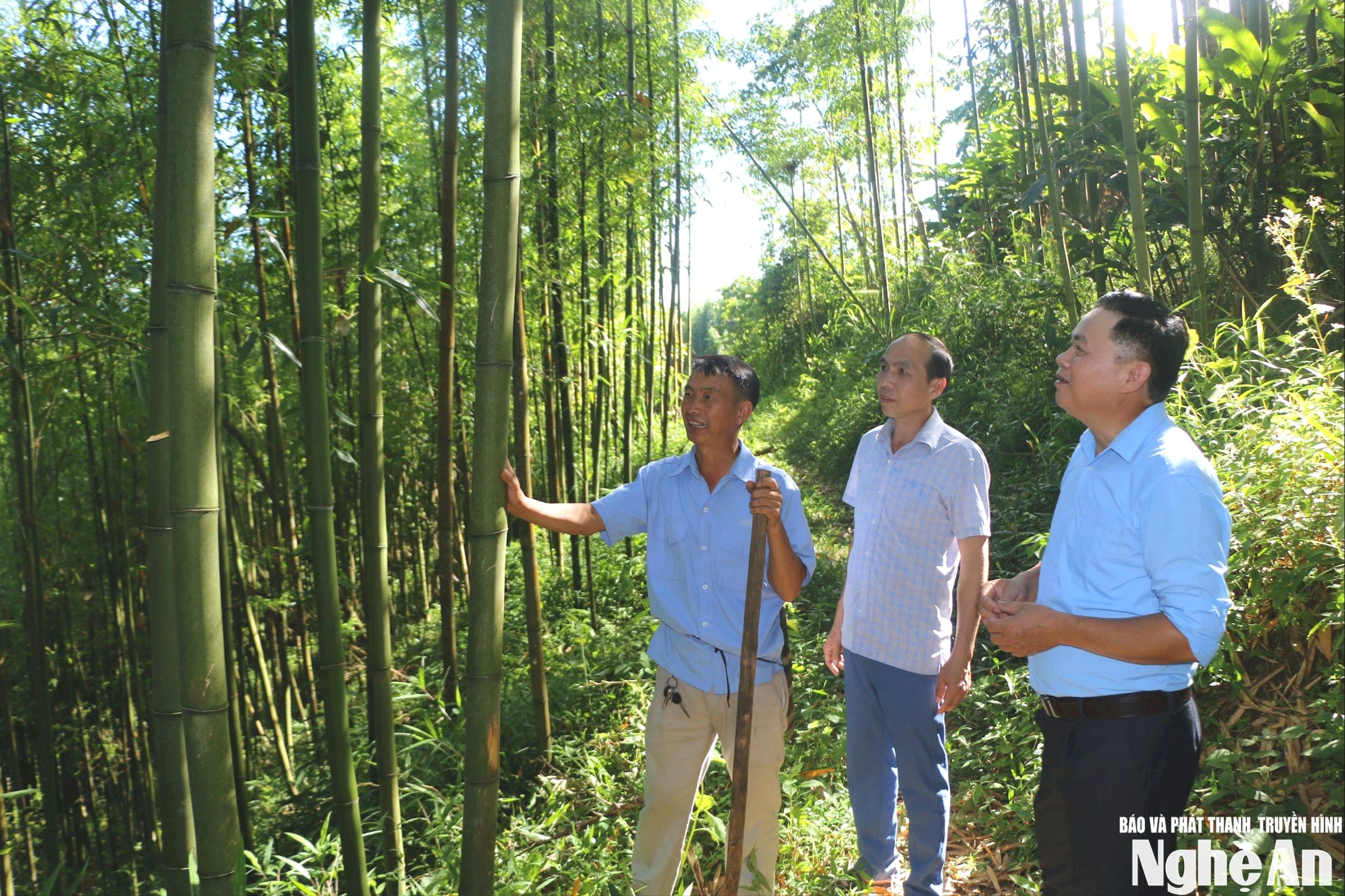
To satisfy the people, the resolutions of the Party branch must stem from the people's wishes and truly bring about change to the village. And cadres and Party members, especially those in leadership positions, must "lead the way and set the example."
Party Secretary of Pà Khốm and Bá Dê villages
In Quang Chau commune, which has 58 subordinate Party organizations, including 36 rural Party branches, Comrade Ngo Sy Thanh, Secretary of the Commune Party Committee, stated: The current practical operation of the two-tiered government system requires not only the commune-level Party committee and government but also the village-level cadres to improve their capacity and sense of responsibility in management and administration.
In particular, village and hamlet Party branches must play a leading role in guiding, developing, issuing, and concretizing the implementation of resolutions from higher levels and resolutions of the Party branch through programs and actions appropriate to the specific characteristics of their respective units.
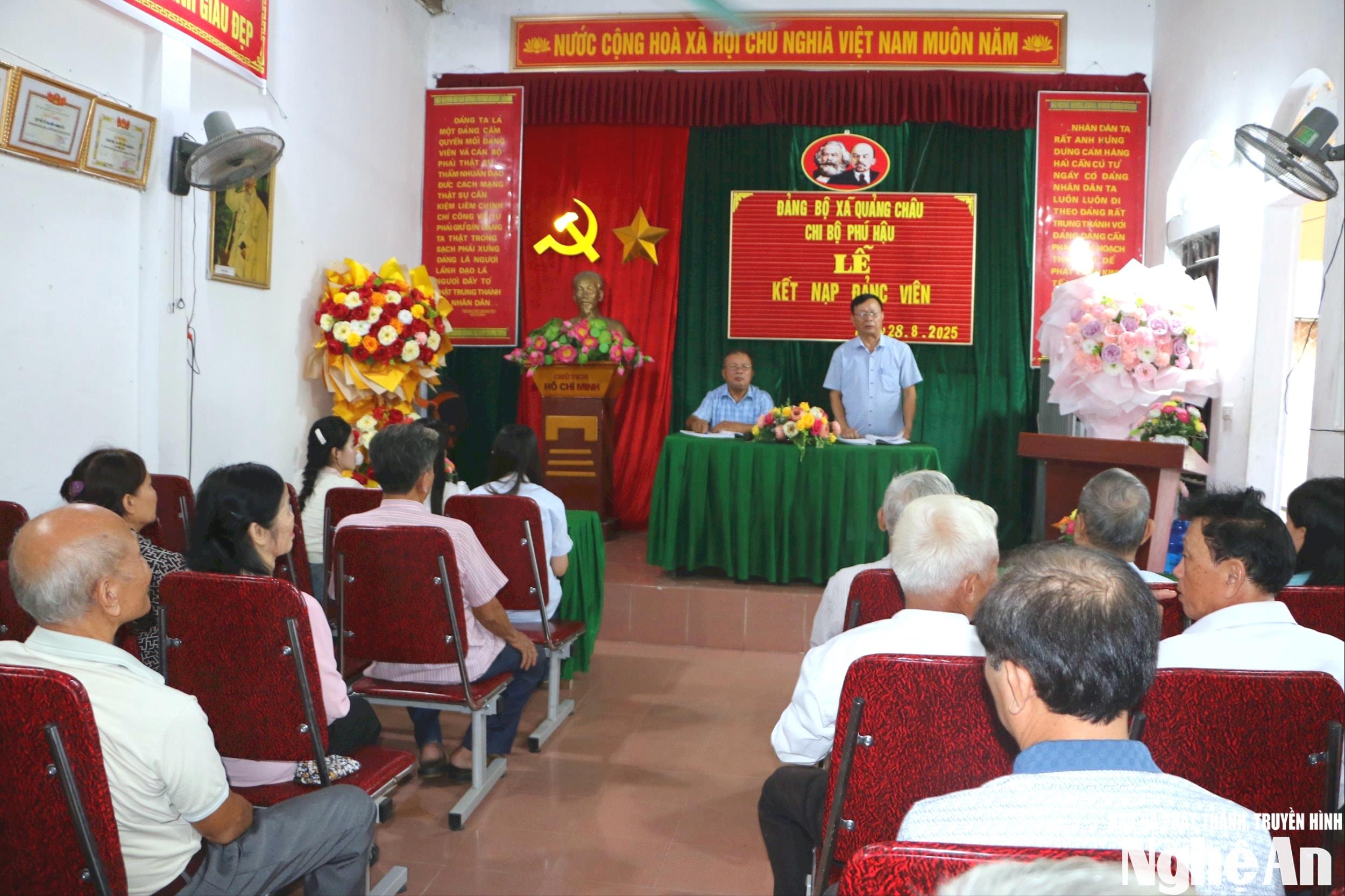
Referring to the current role of village Party branches, Hoang Oai, Secretary of the Phu Hau village Party branch (Quang Chau commune), frankly stated: First and foremost, the Party branch must direct the village to proactively discuss and resolve all issues within its jurisdiction (from socio-economic issues, cultural development, sports to self-governance in security and order, conflict resolution, and dispute resolution at the grassroots level…), without shifting responsibility to higher levels.
Resolutions that have been issued must be directed, urged, and supervised to ensure their effective implementation. For example, in implementing the resolution on developing new party members, the Phu Hau Party Branch pays special attention to the work of training and creating a source of "red seeds" to ensure continuity, supplementing the youth, and overcoming the situation of "old trees but no new shoots," which often occurs in rural party branches today. As a result, the branch has consistently met its target for admitting new party members every year; from the beginning of 2025 to the present, the branch has admitted 4 new party members.
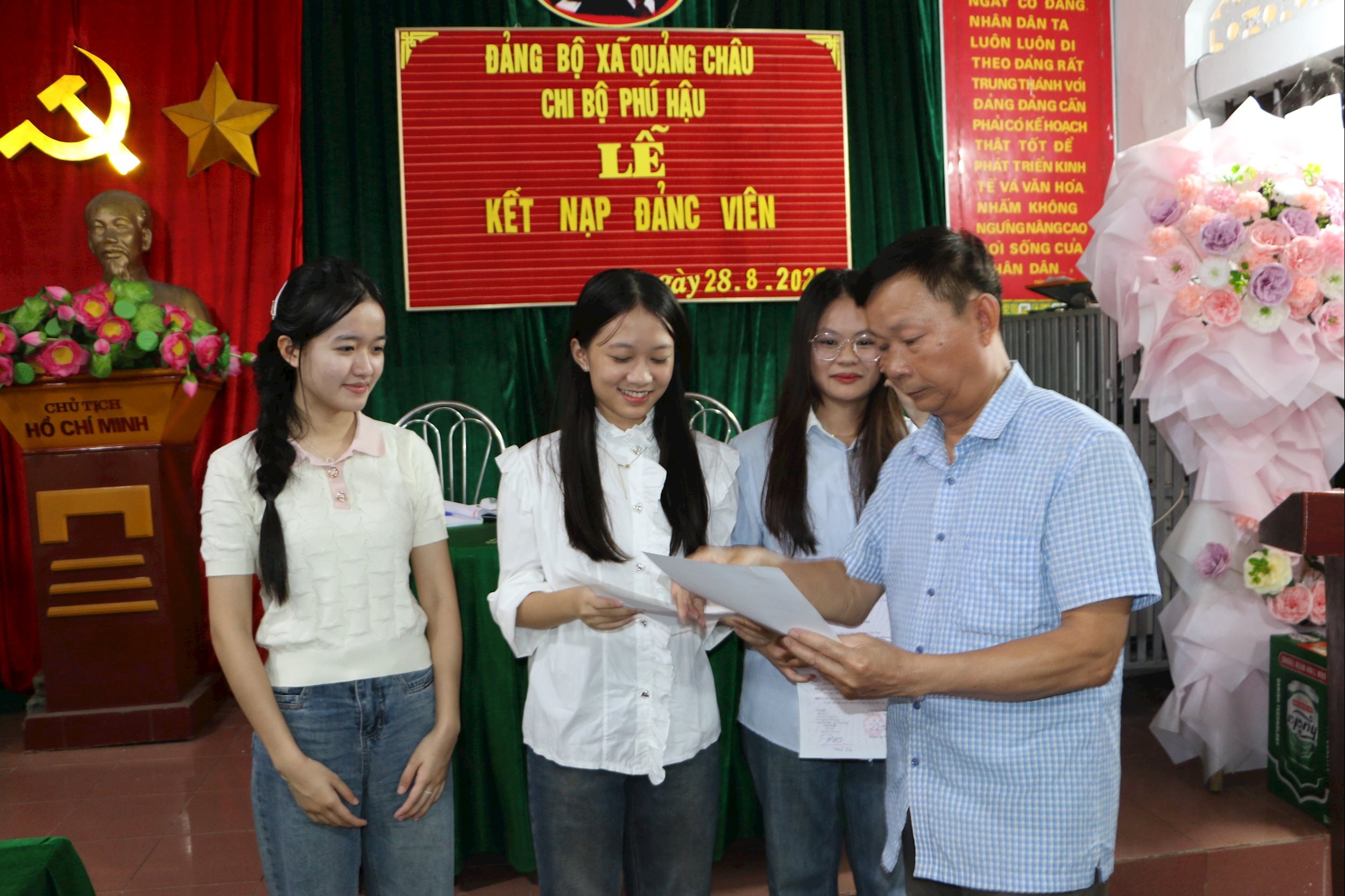
The above examples demonstrate the pivotal role of Party branches in issuing and implementing Party resolutions, addressing pressing issues, and bringing tangible benefits to the people and the community.
This also demonstrates innovation in the "mindset and approach" of grassroots Party committees, enabling Party resolutions to become concrete programs and actions that yield clear and tangible results in practice.


