
Livestock farmers are anxiously awaiting financial assistance following the disease outbreak.
It has been four years since the outbreak, and livestock farmers in Nghe An are still anxiously waiting for post-disease support funds. Many households have been forced to leave their barns empty.
"Left penniless" due to the pandemic.
Before the Lunar New Year of 2023, Mr. Nguyen Van Phuc, residing in Trung Long hamlet, Thanh Linh commune, Thanh Chuong district, hastily submitted an application after hearing that he would receive financial support for his family's pigs that had been culled.
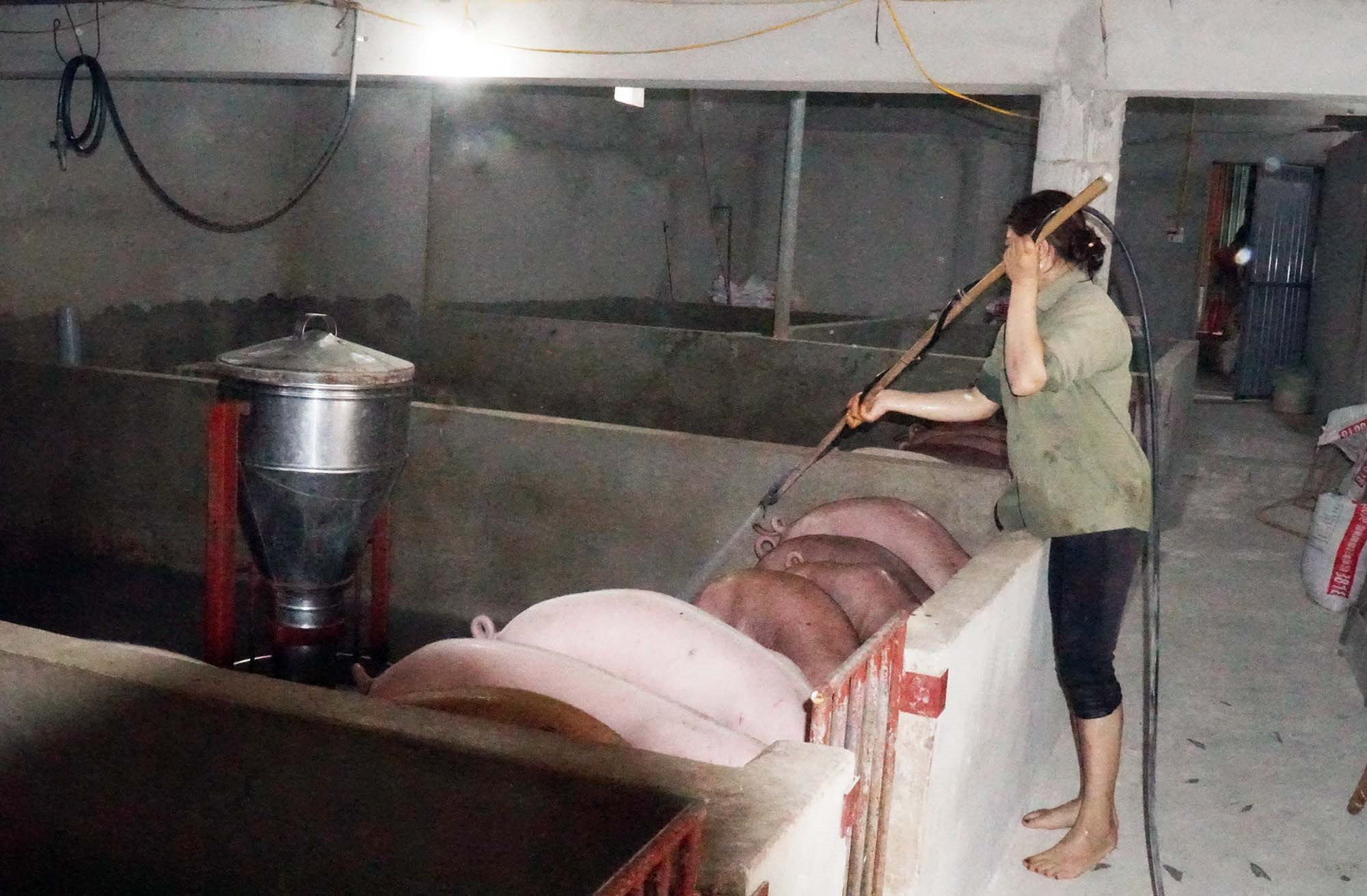
In 2021, African swine fever infected four breeding boars and one sow, worth over 200 million VND, belonging to his family, forcing them to cull. A year later, he borrowed 50 million VND to rebuild his pig herd. However, after raising them for six months, in July 2023, when the pigs were ready for market, his family was once again left penniless due to African swine fever.
Pork prices are rising sharply, and I really want to raise pigs, but I've run out of capital. Losing hundreds of millions of dong in such a short time is exhausting for a farmer.
Mr. Nguyen Van Phuc, Trung Long hamlet, Thanh Linh commune, Thanh Chuong district
In just three years, from 2021 to 2023, Thanh Chuong district was forced to cull its pig herd with a total weight of over 587,666 kg, and the amount of compensation received, according to statistics, reached over 22.33 billion VND. In 2021, 467 buffaloes and cows in the district also had to be culled due to lumpy skin disease.
According to Mr. Le Dinh Thanh, Vice Chairman of the District People's Committee, the disease has been basically brought under control, but the consequences are too severe. Repopulating the herds is very difficult given that farmers' income mainly depends on agricultural production and livestock farming.
"The district has instructed communes and households affected by the epidemic to complete their dossiers so that they can receive funding as soon as possible, creating conditions for reinvestment in production," said Mr. Le Dinh Thanh.
In Hung Nguyen district, according to Ms. Ba Thi Dung - Deputy Head of the Department of Agriculture and Rural Development: In the two years 2021-2022, 1,493 pigs had to be culled due to African swine fever, with a total weight of over 97,000 kg. The total support cost was over 3.786 billion VND, of which over 3.711 billion VND was for supporting affected farmers and 74.6 million VND was for supporting culling costs.
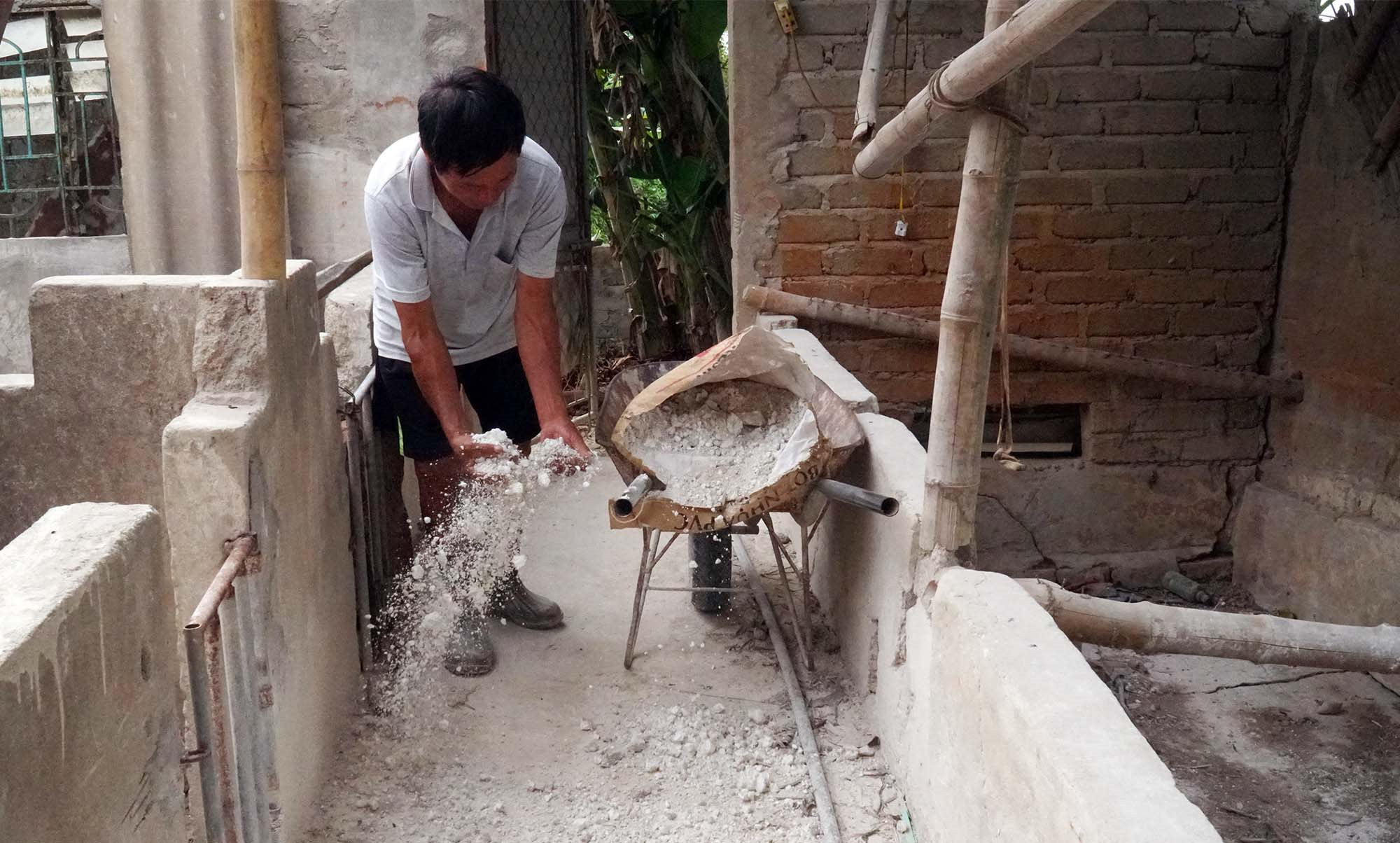
Similar to other localities, even after four years since the outbreak, livestock farmers in Hung Nguyen district have still not received financial assistance.
"That's also a significant reason why the total livestock population has decreased quite sharply. In 2020, the district's total pig population was 13,806, but now it's only 8,400. Although the price of live pigs has fluctuated and increased recently, many people are still abandoning their farms," Ms. Ba Thi Dung shared.
When will livestock farmers receive support?
Lumpy skin disease and African swine fever are new diseases that have appeared in our province in recent years, with African swine fever appearing since 2019 and causing extremely heavy losses.
In 2019 and 2020 alone, the Prime Minister issued two specific decisions regulating the mechanisms, policies, eligible recipients, and levels of financial support for the prevention and control of African swine fever. As a result, Nghe An province has paid 100% of the support funds to livestock owners whose pigs were infected and had to be culled, totaling over 150 billion VND.
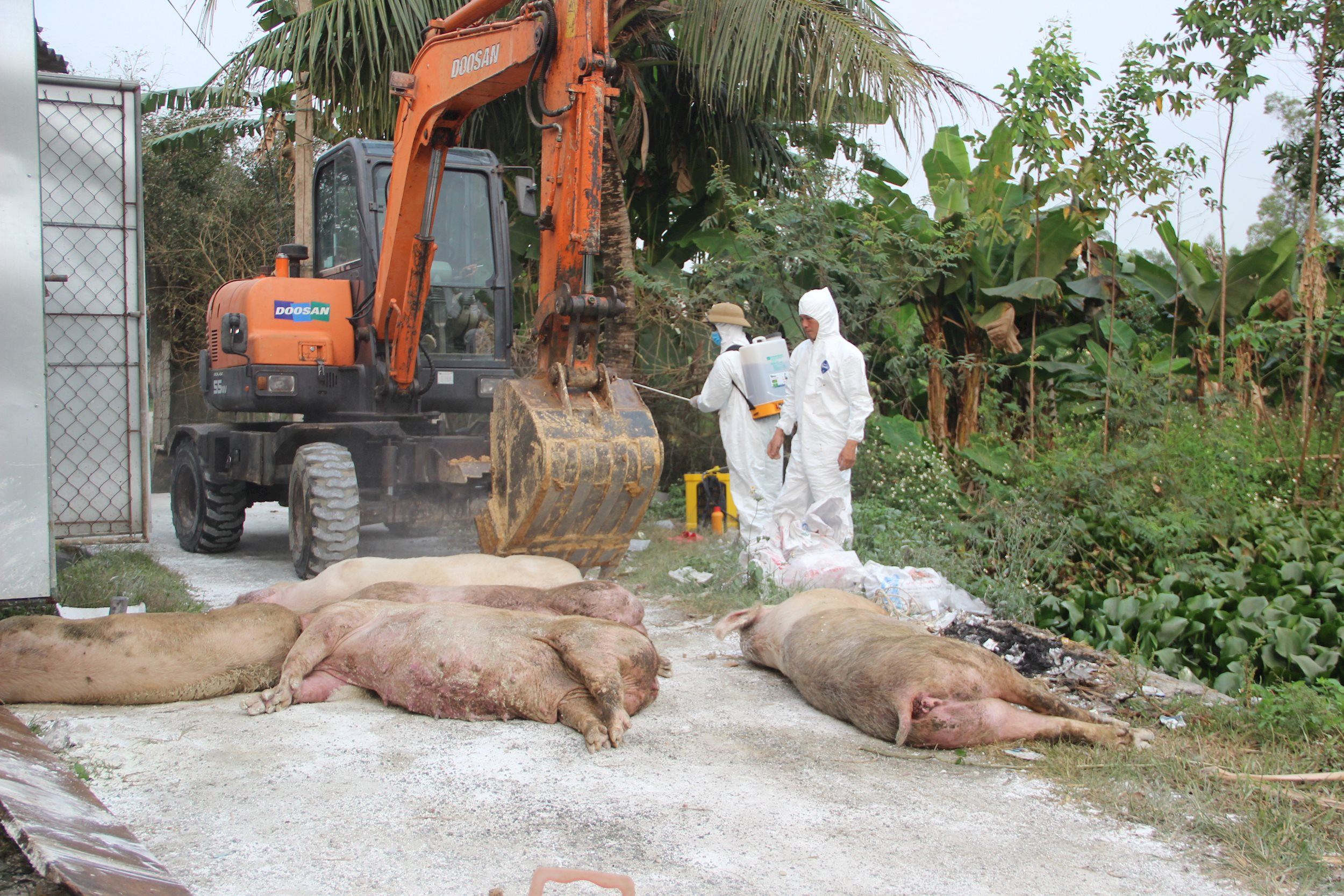
In 2021-2022, Nghe An province had to cull 2,400 buffaloes and cows due to lumpy skin disease. In addition, from 2021-2023, the province also experienced 707 outbreaks of African swine fever in 21 districts, cities, and towns; 53,386 pigs had to be culled with a total weight of 3,046,971 kg. According to the support rates stipulated in Government Decree 02 of 2017, the total support cost amounted to over 115.784 billion VND.
However, according to Mr. Dang Van Minh, Head of the Department of Livestock and Veterinary Medicine of Nghe An province: From 2021 onwards, not only in Nghe An but also nationwide, the support funds have not reached livestock farmers. The reason is that some regulations in Decree 02 have not been amended, and these two new diseases have not been included in the list of eligible beneficiaries in the decree. In addition, the whole country has had to focus all resources and struggle to fight the Covid-19 pandemic, so the policy has not yet been approved for implementation. Entering 2023, many localities have made recommendations on this issue, and it has also been discussed in forums of the National Assembly.
In accordance with the directives of the Government and the Ministry of Agriculture and Rural Development regarding support for livestock farmers affected by African swine fever and lumpy skin disease, on November 3, 2023, the People's Committee of Nghe An province issued Official Letter No. 9496 directing the completion of dossiers to disburse support funds to livestock farmers.
Accordingly, direct support will be provided to livestock farmers whose animals must be compulsorily culled due to disease outbreaks or because they are located in areas where culling is mandatory.
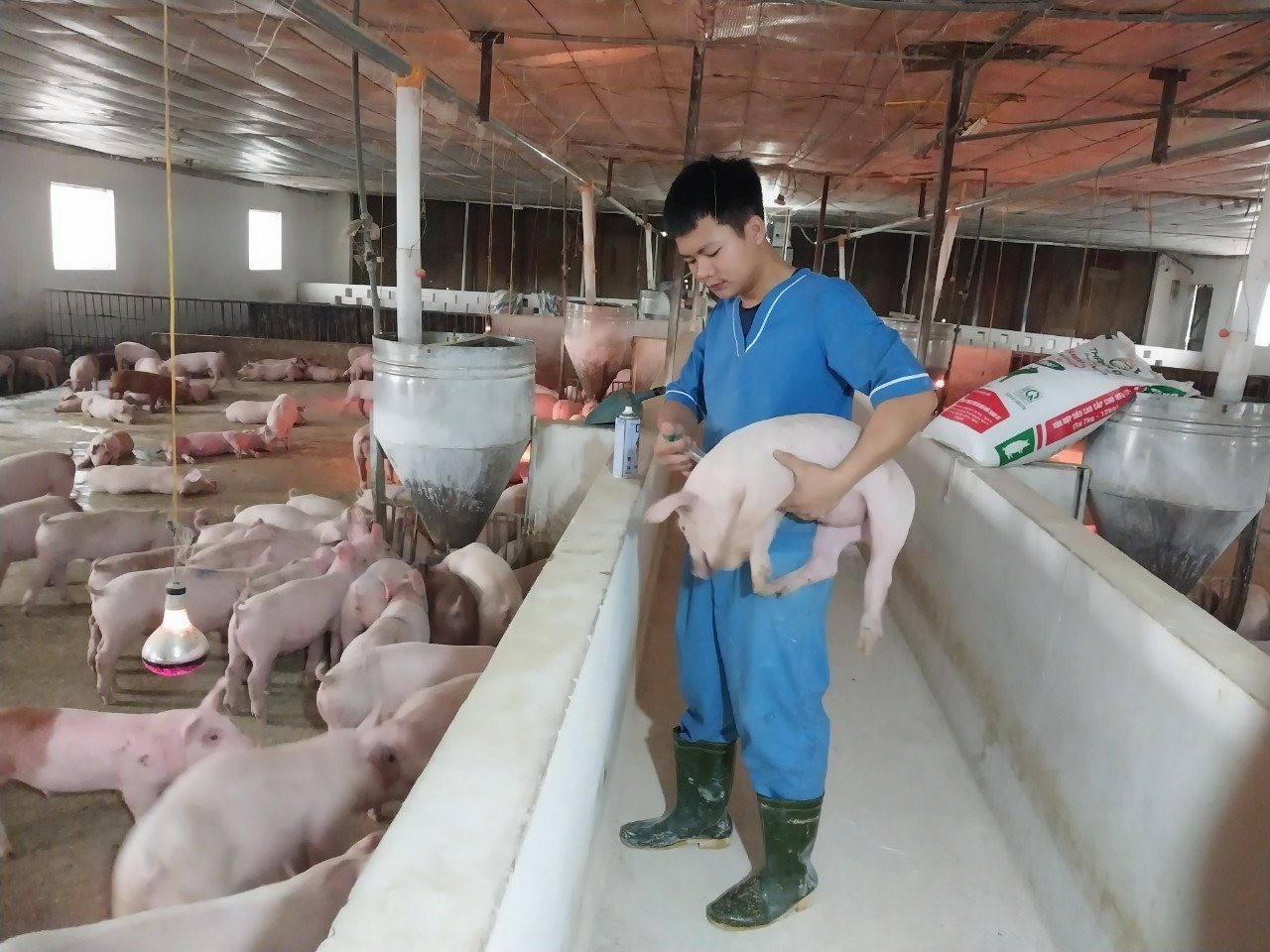
Mr. Dang Van Minh stated: The beneficiaries of this support are pigs infected with African swine fever since January 1, 2021, and buffaloes and cattle infected with lumpy skin disease from September 27, 2021, to the present. The support rate is 38,000 VND/kg live weight for pigs; and 45,000 VND/kg live weight for buffaloes and cattle. Of this, 90% of the funding comes from the central government, and the remaining 10% from the local budget.

To date, the Department of Livestock and Veterinary Medicine has completed the review of dossiers and submitted them to 12 units, including: Thai Hoa town, Nghia Dan, Cua Lo town, Hoang Mai town, Quy Chau, Nam Dan, Vinh city, Tuong Duong, Quynh Luu, Hung Nguyen, Quy Hop, and Tan Ky. Eight districts have submitted dossiers and are currently undergoing review at the Department of Livestock and Veterinary Medicine: Dien Chau, Yen Thanh, Nghi Loc, Do Luong, Thanh Chuong, Anh Son, Que Phong, Ky Son, and Con Cuong.
Besides the difficulties faced by people in restocking their herds, the slow implementation of the policy also affects disease prevention and control efforts because livestock farmers may easily conceal outbreaks, sell off infected animals quickly, and spread pathogens widely. The lack of timely support also limits the effectiveness and significance of policies supporting post-disease production recovery. Therefore, when the policy is implemented, it will be a driving force, supporting people to have the conditions to restock and develop livestock farming in the area.
Mr. Dang Van Minh - Head of the Department of Livestock and Veterinary Medicine of Nghe An Province


