
People join hands to "rescue" agricultural products after storms and floods.
Following Typhoon Bualoi, many farmers in Nghe An faced the risk of total loss as their greenhouses and livestock shelters were flooded, and agricultural products, poultry, and aquatic animals died in large numbers. In this difficult situation, acts of kindness, from local markets to online stores, from small traders to consumers, became a lifeline, helping farmers sell their products, salvage some capital, and recover from the disaster.
Heartfelt shipments...
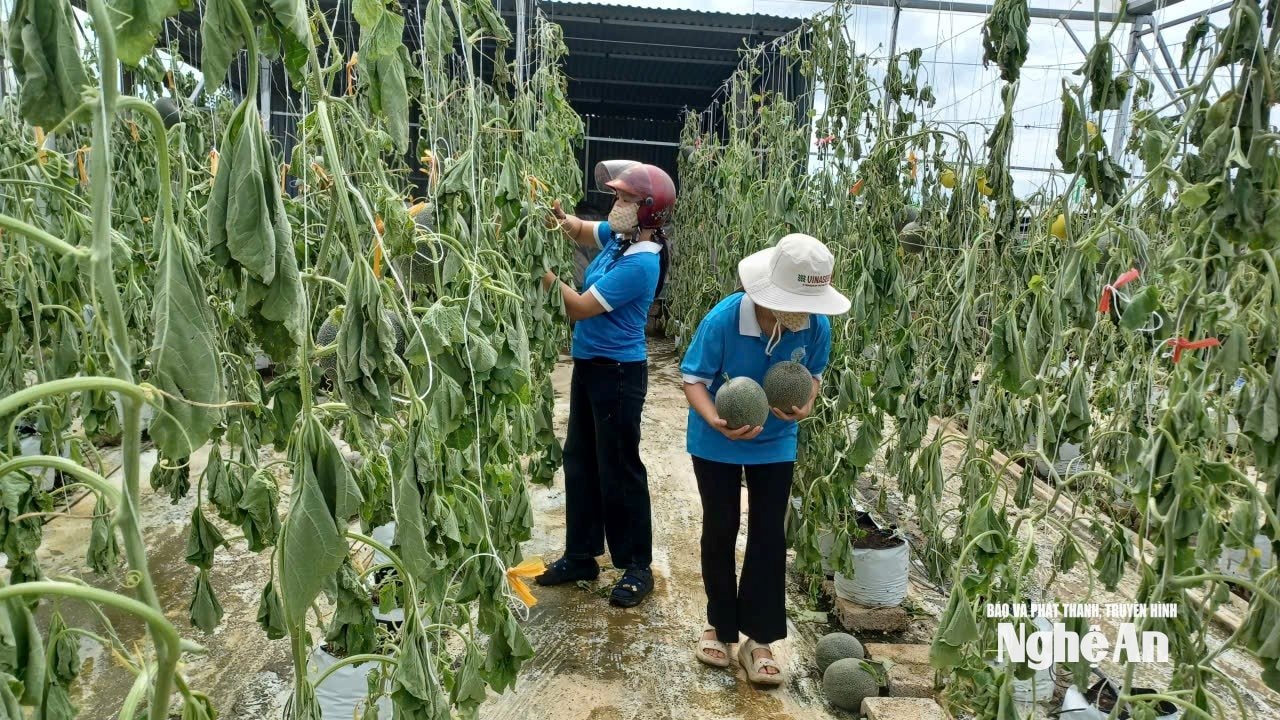
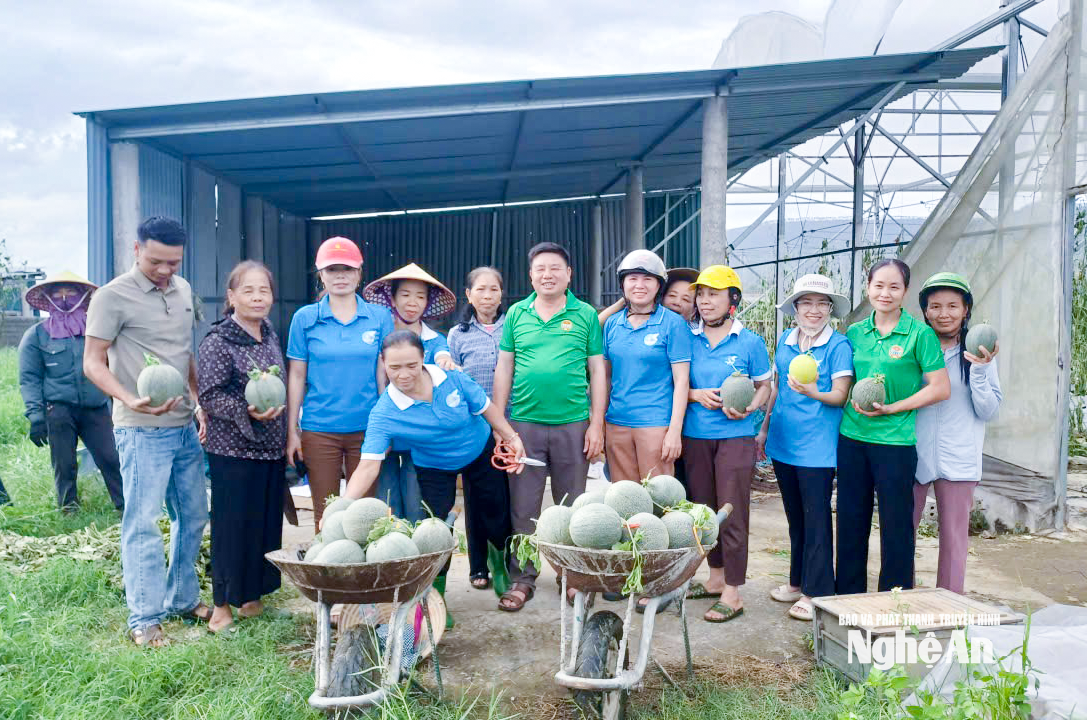
After the fierce storm, Van Kieu commune was further burdened by strong winds that ripped off the roofs of greenhouses and toppled melon trellises. More than 2,000 melons, nearly ready for harvest, belonging to Ms. Nguyen Thi Oanh's family were at risk of spoilage. If left for too long, the vines would wither, the fruit would rot, resulting in a total loss. While they were still figuring out what to do, the Women's Union and the Farmers' Association of the commune promptly intervened. In just one quick meeting, a plan to "rescue" the melons was implemented.
Over 20 members were mobilized: some went to the fields to harvest, others took photos to post on social media, some collected orders, and others packed and transported the melons. Some women even took the melons to sell retail at the market to spread the spirit of sharing. The atmosphere was bustling and urgent, like a special market right in Ms. Oanh's family home.
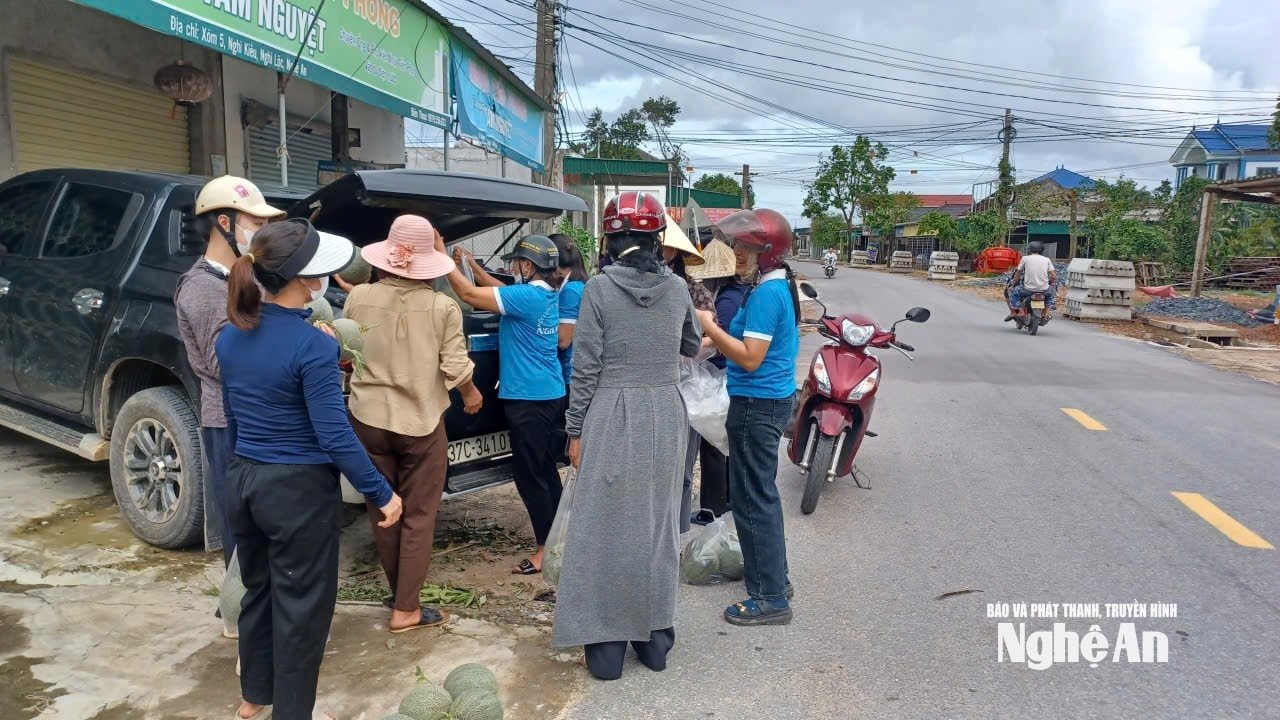
Ms. Dang Thi Tam, President of the Women's Union of Van Kieu commune, shared: "Immediately after assessing the damage, we discussed and decided not to leave the farmers to struggle alone. Everyone pitched in, from small things like posting sales ads online to transporting the melons to the market, all aimed at helping the farmers sell their produce as quickly as possible and minimize losses. This is also a way to spread the spirit of mutual support and compassion within the community."
In just one day, all the watermelons were sold out. Receiving the money from the sale, Ms. Oanh was moved to tears:""Without the help of organizations, associations, and fellow citizens, my family would certainly have lost everything. Thank you everyone for joining hands during this difficult time."
In Xuan Lam commune, the situation is even more dire as 2,000 chickens ready for market belonging to Ms. Cao Thi Mai Phuong's family suffocated due to flooding in their coop. If not butchered and sold in time, these chickens would spoil, causing significant losses. In this difficult situation, the villagers have joined forces: some boiled water, others plucked the feathers, and still others contacted potential buyers.
In just one day, nearly 2,000 chickens were sold out. Knowing that waterlogged chickens are not as good as fresh ones, many families in the commune were still willing to buy them out of a spirit of support. Ms. Nguyen Thi Hai shared: “I bought six chickens, both for my family to eat and to send to my children far away. The most important thing right now is helping each other overcome this hardship.”
Not only vegetables and poultry, but also aquaculture ponds suffered heavy losses. In Tan Mai ward and Quynh Mai commune, hundreds of hectares of ponds raising abalone, grouper, crabs, and shrimp were submerged. The family of Mr. Bui Thanh Son, in Hamlet 3B, Tan Mai ward, is busy hiring laborers and pumps to save their three abalone ponds. Despite their efforts, tens of tons of abalone are still dying from water shock. From a price of 230,000 – 250,000 VND/kg, it has now dropped to only 80,000 – 120,000 VND/kg. The losses are in the billions of dong.
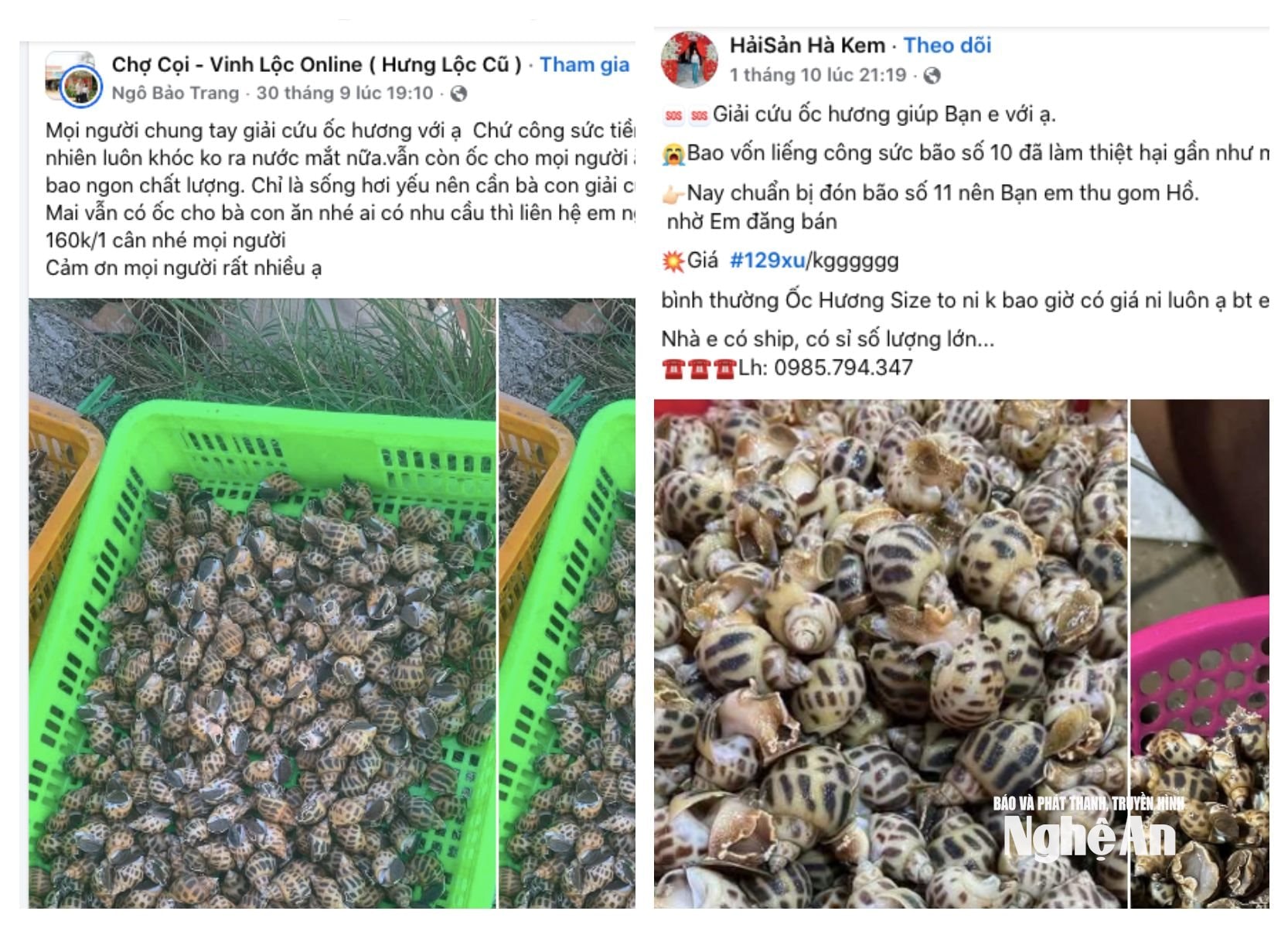
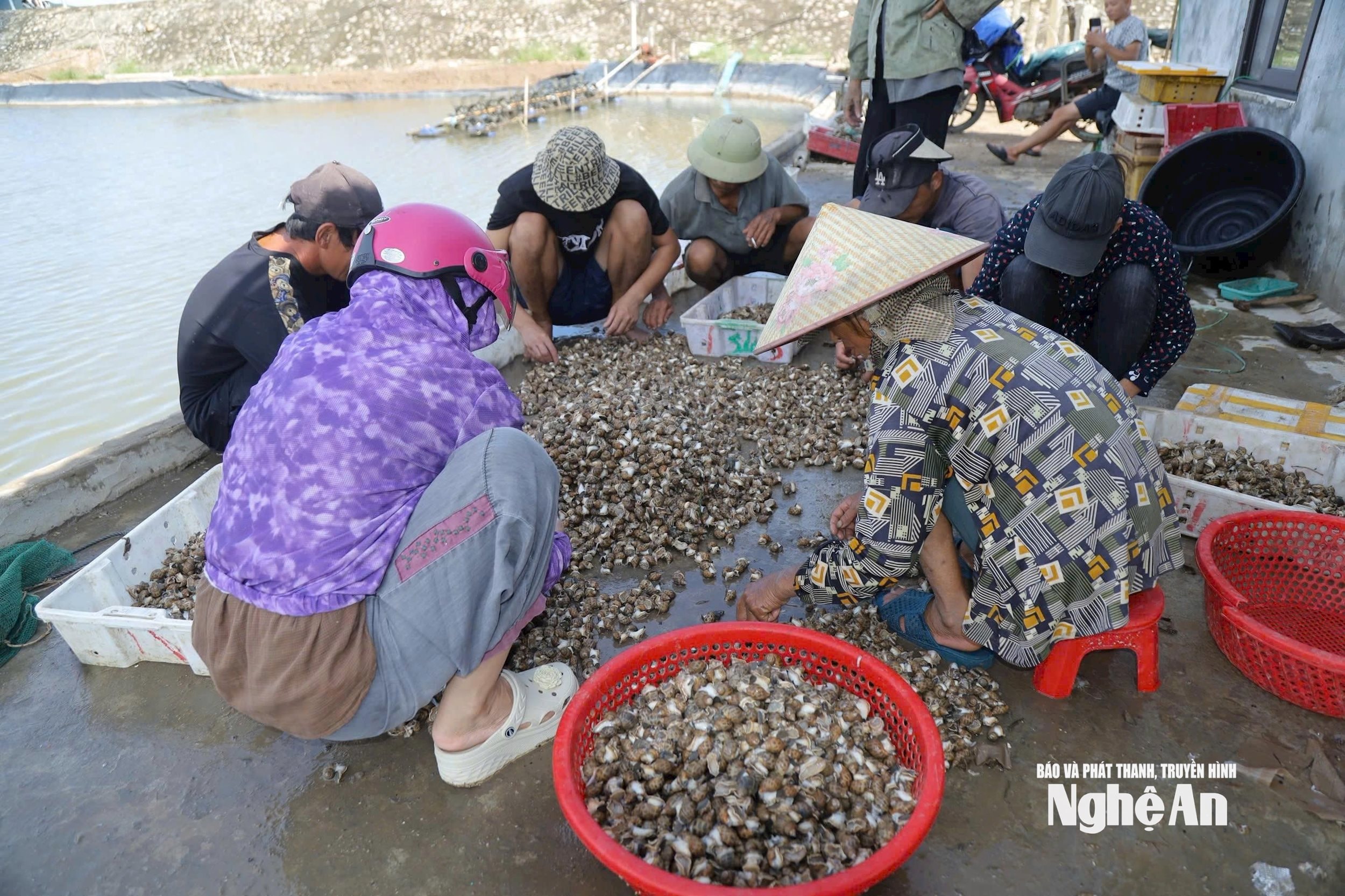
Ms. Nguyen Thi Lan's family also faced a similar situation, losing over 500 million VND after their two snail ponds were flooded. Amidst overwhelming difficulties, the market once again became an extension of human kindness. Small traders in many markets collectively joined hands to help flood victims sell their snails and grouper fish. Ms. Tran Linh, a small trader at Coi Market, shared:""When I heard that the residents of Tan Mai ward were flooded, I immediately agreed to help sell the sea snails. For the past three days, I've been selling them without making a profit, considering it a small contribution. Seeing that the people can sell their goods makes me feel relieved."
A bridge of sharing
In other markets, the movement quickly spread. Buyers were attracted not only by the low prices but also by their desire to share in the hardship. Ms. Phan My Ha from Vinh Loc ward said: "This morning I saw many snails and grouper fish for sale at the market. I found out they were supporting the flood-affected areas. I immediately bought 3 kg of snails and 3 kg of fish. It's a chance to enjoy them while also helping the people salvage whatever they can."
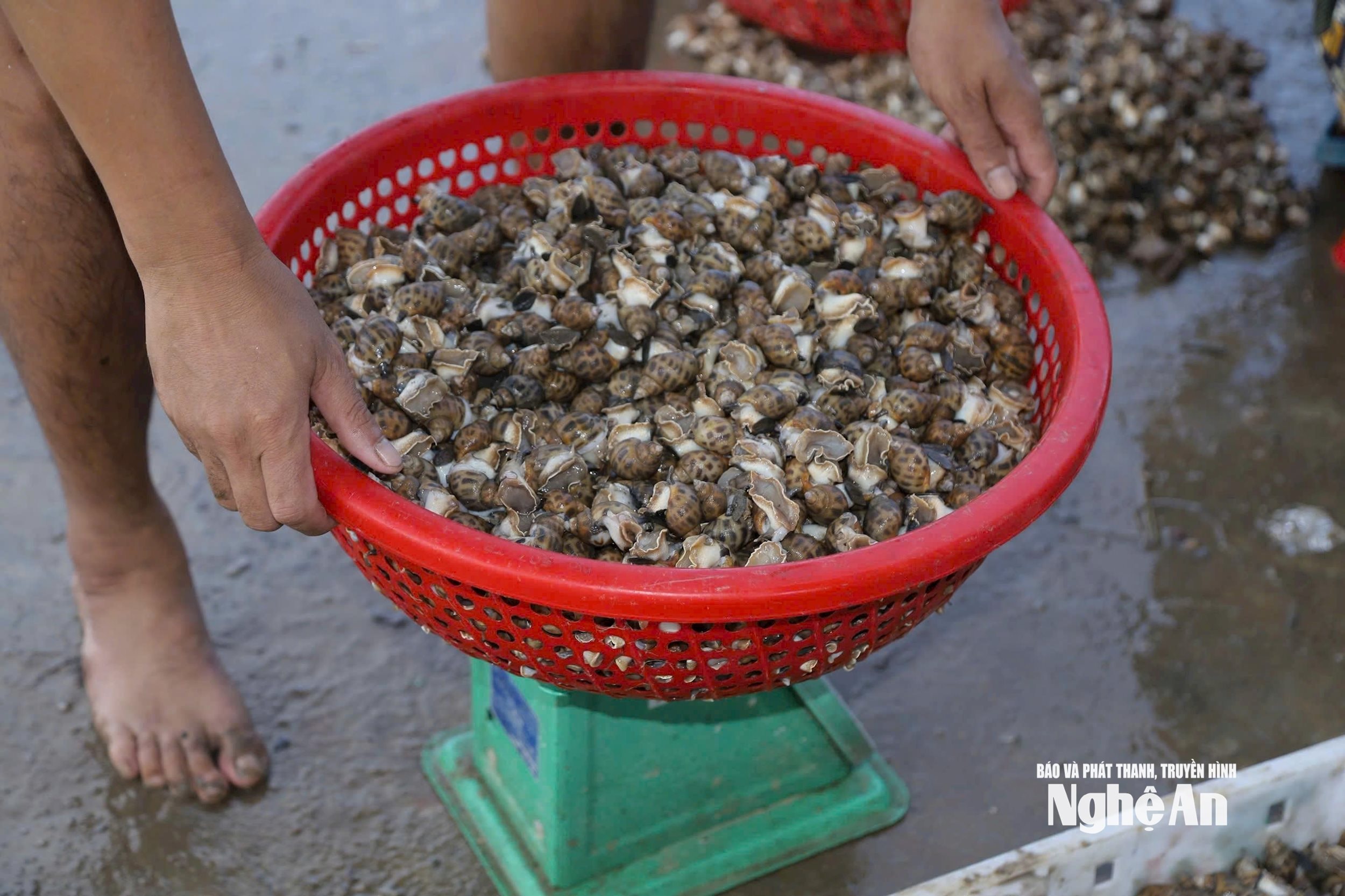
From the melons of Van Kieu commune and the chickens of Xuan Lam commune to the snail and grouper ponds of Tan Mai ward, all demonstrate the power of collective effort. When natural disasters strike, the market is not simply a place for buying and selling, but has become a bridge connecting people, spreading compassion, helping agricultural products reach consumers quickly, and helping farmers retain some capital to continue production.
Not only the cases mentioned above, but the spirit of "rescue" is spreading throughout the province: some places are selling fish, others are collecting melons, and still others are providing support with vegetables, chickens, and pigs... In markets, on stalls, and in dealerships, agricultural products from the flood-affected areas, even if not as fresh or appealing as usual, are enthusiastically supported by the people. Many small traders, instead of importing goods from elsewhere, are willing to give up a corner of their stall or a shelf to help flood victims, considering it a responsibility to share.
At wholesale and local markets, it's easy to spot small stalls set aside by vendors for products from flood-affected areas: bunches of vegetables, pumpkins, eggplants, flocks of chickens, and pigs that have just survived the flooding. Many vendors, who are used to sourcing goods from elsewhere, now dedicate a portion of their stalls to selling these items to help the local people. "The goods might not be beautiful, uniform, or even aesthetically pleasing, but the people in the flood-affected areas have suffered greatly, and helping them sell is a way of sharing their burden. Customers are also happy to buy, considering it a way to join hands in overcoming difficulties," confided Ms. Nguyen Thi Hoa, a vendor at Vinh Market.


