
The flowers are still blooming in season.
In 2015, after many years of deliberation, accumulation, and planning... with the help of the district leaders, I and some friends compiled and published four anthologies of literature in Yen Thanh district, each volume containing over a thousand pages and more than 4,000 copies printed. When Mr. Nguyen Trong Tao invited me to his new house inauguration, I intended to give him the books as a gift, but I kept thinking that someone like Mr. Tao, with thousands of friends both in the North and South, would have no shortage of people to give him books. My books were only at the district level; I wondered if he would even read them... I hesitated for a long time before deciding not to bring the books down...
Unexpectedly, at the end of the party, when the guests had left, Mr. Tạo mentioned: "I heard that Mr. Tiến has just published several anthologies of poetry and prose from Yên Thành; I would like to ask him for a copy of each volume to continue working on Diễn Châu."
I made it clear that I intended to bring the books down today, but I was afraid he might be busy, so I rescheduled for another day.
Two days later, I and the poet Lang Hong Quang brought the books down to give to him. Seeing him happily cherish the books, he invited us to a cafe above the Phu Dien intersection and we talked enthusiastically about books for the whole afternoon.
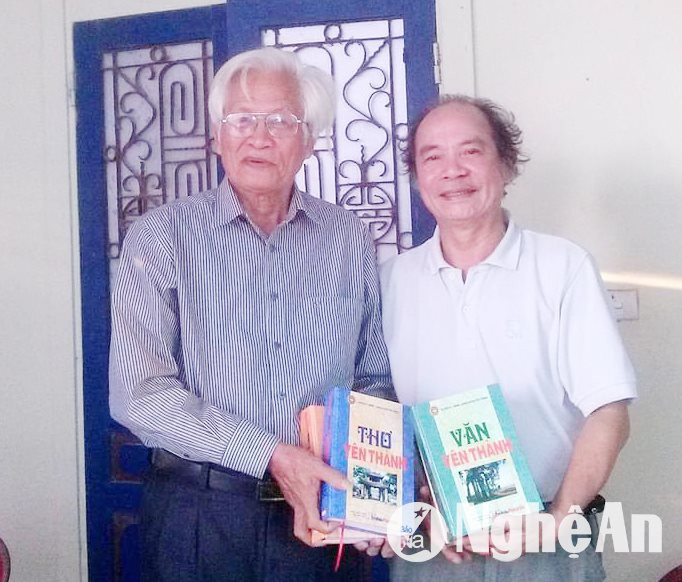
A few days later, I was surprised to see his article published online and in newspapers. I was astonished that he had taken the time to read it carefully and write such glowing reviews of the four books "from a local source with central government influence" (to use Nguyen Trong Tao's words). I called to thank him, and he added more details he hadn't fully covered in his previous article.
I became acquainted with Nguyen Trong Tao's poetry, prose, music, and painting before I even met him. During his time as the head of a divisional performing arts troupe, he was already a renowned author of poems about the anti-American war for national liberation... As an official with nearly 30 years of experience in the propaganda sector at the provincial and district levels, and also involved in journalism, writing, and poetry, I was fortunate to have met many writers, poets, journalists, musicians, and artists – sometimes it was an honor, sometimes it was a hardship. Those who understood me treated me with respect and closeness, but others only saw me as a mere guide. However, because I admired Nguyen Trong Tao's poetry, prose, and music, I still hoped to meet him someday. It wasn't until 2001, at the first Congress of the Dien Chau District Arts and Literature Association, that I finally met him. When my fellow poet Le Thai Son introduced me to him, both he and I were surprised because we had read and memorized each other's poems before, and now we were finally meeting. For him, it was a lot, but for me, it was less. However, meeting Nguyen Trong Tao, I found him not aloof or distant like some of the central or local poets I had met. Instead, Nguyen Trong Tao was approachable, open, and friendly, like a long-lost relative.
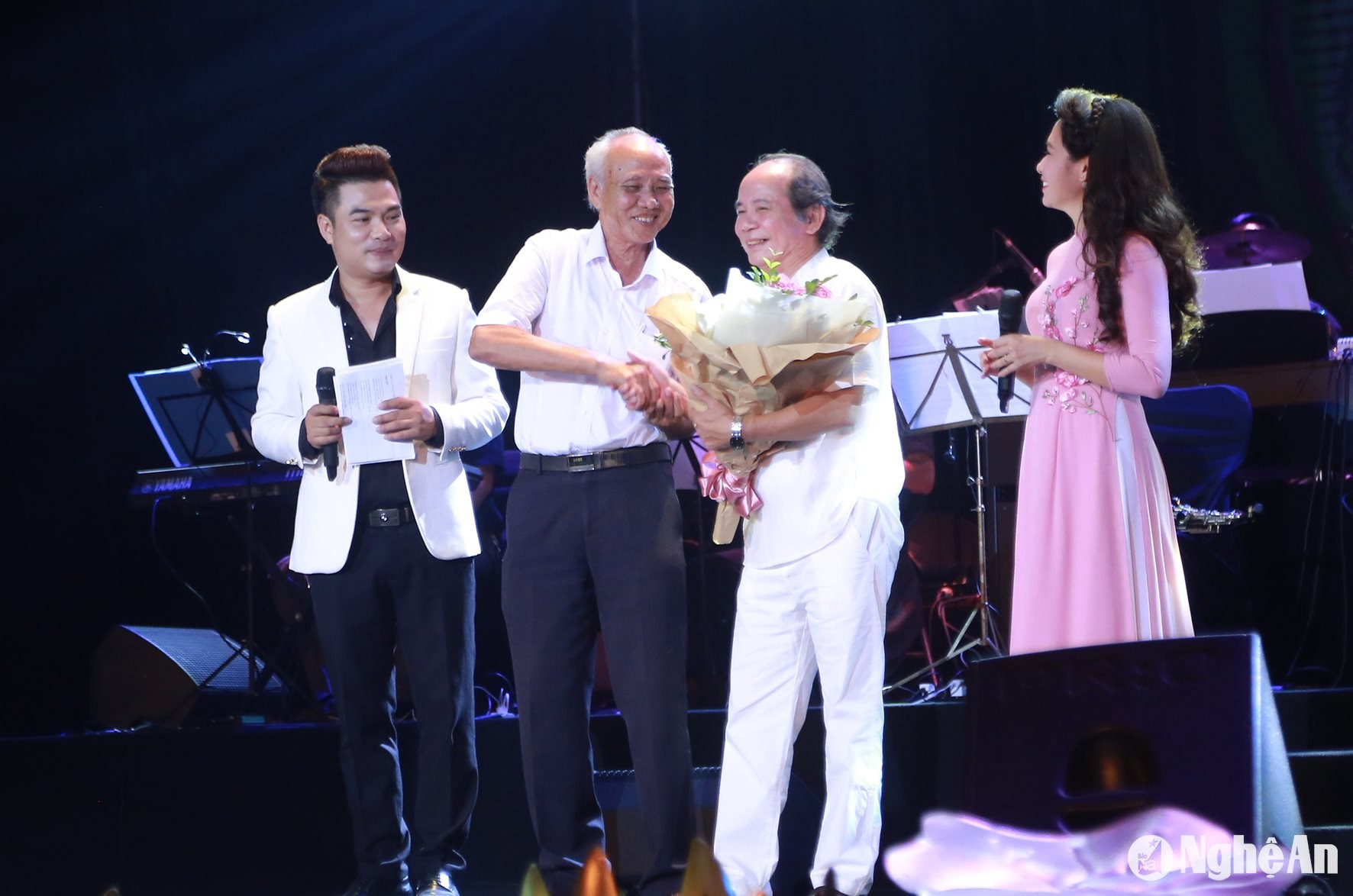
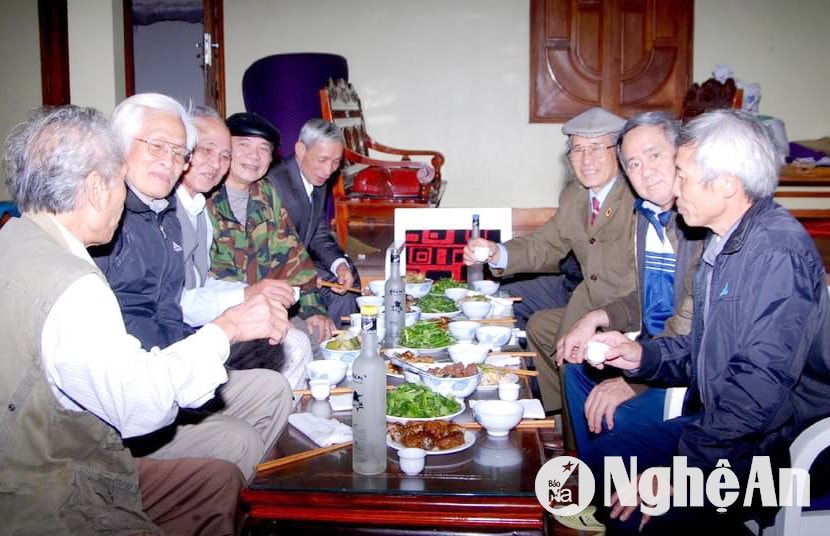
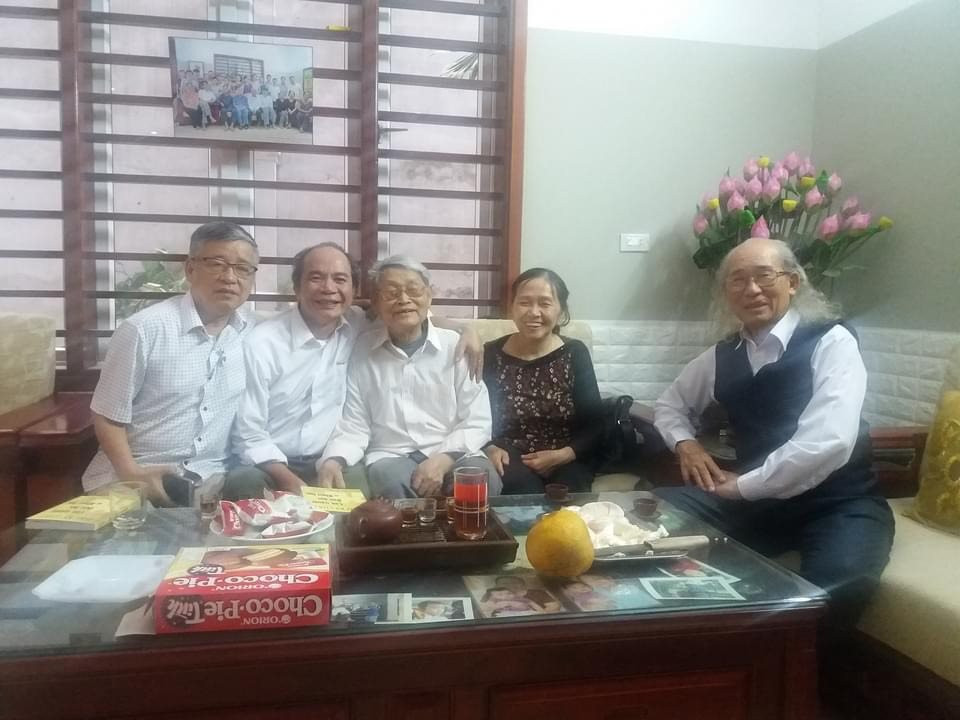
Later, I had many opportunities to meet Nguyen Trong Tao whenever the Dien Chau Literary and Artistic Association held poetry gatherings, organized congresses, or whenever he visited the home of his in-law, the poet-hero Nguyen Dang Che, or his fellow poet Lang Hong Quang... I had the chance to sit and chat with him and serve him wine. A man of "talent, charm, and even a ladies' man" (to use the words of poet Cao Xuan Thuong), at any gathering, whether with hundreds of people or just a few fellow poets and singers, Nguyen Trong Tao was always the center of attention, inspiring and motivating those around him, whether they were politicians, party officials, or his fellow poets and singers.
There were two occasions when he visited Yen Thanh that I remember vividly. Once, he went with a journalist from a central newspaper to investigate the "35 girls of Loi village" incident. The district assigned me the responsibility of escorting the two guests to Loi village, but along the way, passing by the stone church, Nguyen Trong Tao told me to turn into Bao Nham rock formation. While resting in a cave with a statue of the infant Jesus born in a manger, Nguyen Trong Tao said to me: "Mr. Tien, I've read Ho Hong Tuyen's article in Tien Phong newspaper, many poems and essays, even a film about Loi village. Recently, I've seen news reports about relief teams coming to give aid to the women and girls in Loi village... I'm still skeptical, unsure of the truth behind gathering 35 unmarried women in one village..."
Having brought dozens of delegations from the press and literary circles to Lòi village, and having heard many opinions from district leaders about Lòi village during private meetings, I realized I couldn't hide my keen eye from Nguyễn Trọng Tạo. In the cool atmosphere of the cave, I honestly told Nguyễn Trọng Tạo about the "media incident" in Lòi village, about the anxieties of district leaders whenever they had to receive delegations visiting Lòi village. After hearing my honest account of Lòi village, Mr. Tạo decided to just stop by Lòi village, stand on the dike to take a panoramic photo of the village, and then leave without going into the village to meet the women and children. When the delegation returned to the district, the district leaders, having finished their work, were waiting and happily toasted the poet.
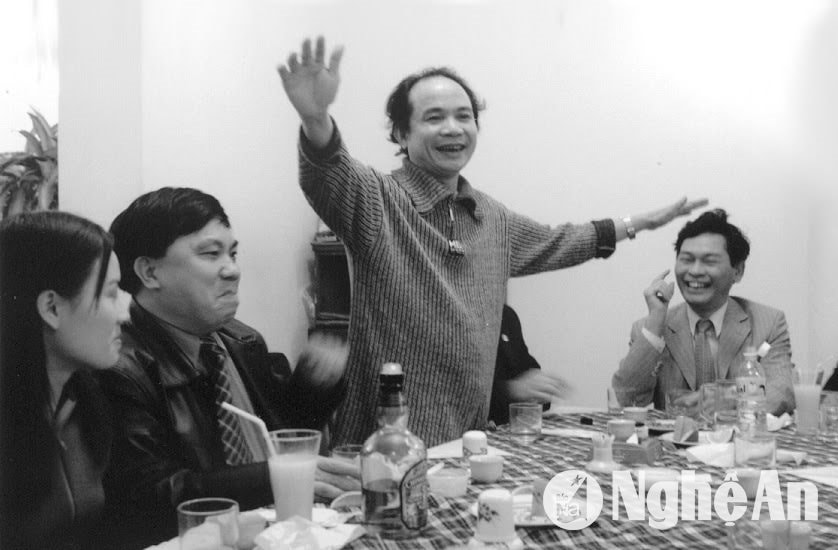
The second time I was assigned by the District Chairman to meet with composers Nguyen Trong Tao and Phan Thanh Chuong. On the way to the newly leveled land to prepare for the construction of Thuong Pagoda near the Silver Rock on the slopes of Ru Gam, Chairman Nguyen Tien Loi suggested building a spiritual tourism center for the Gam Temple and Pagoda. He asked poet Nguyen Trong Tao to examine the terrain, the shape of the valleys and mountains in that area. I saw Nguyen Trong Tao whisper something to the District Chairman with a look of sympathy, understanding, and empathy for the feng shui... I once heard poet Le Huy Mau recount a story about a year when he suffered from migraines, gout, and heart problems, feeling weak and frail all year. Nguyen Trong Tao traveled from Hanoi to visit him and saw a withered tree stump lying neglected in Mau's yard. Tao said: "You left that withered tree stump in front of your house, it's cursed. No wonder you're sick." Mau listened to Tao and threw away the stump. Afterwards, he gradually recovered and continued writing poetry and prose, as if he had been given some kind of miracle cure. Those close to Tạo knew him as a poet, musician, and painter, and they also regarded him as a "man from heaven."
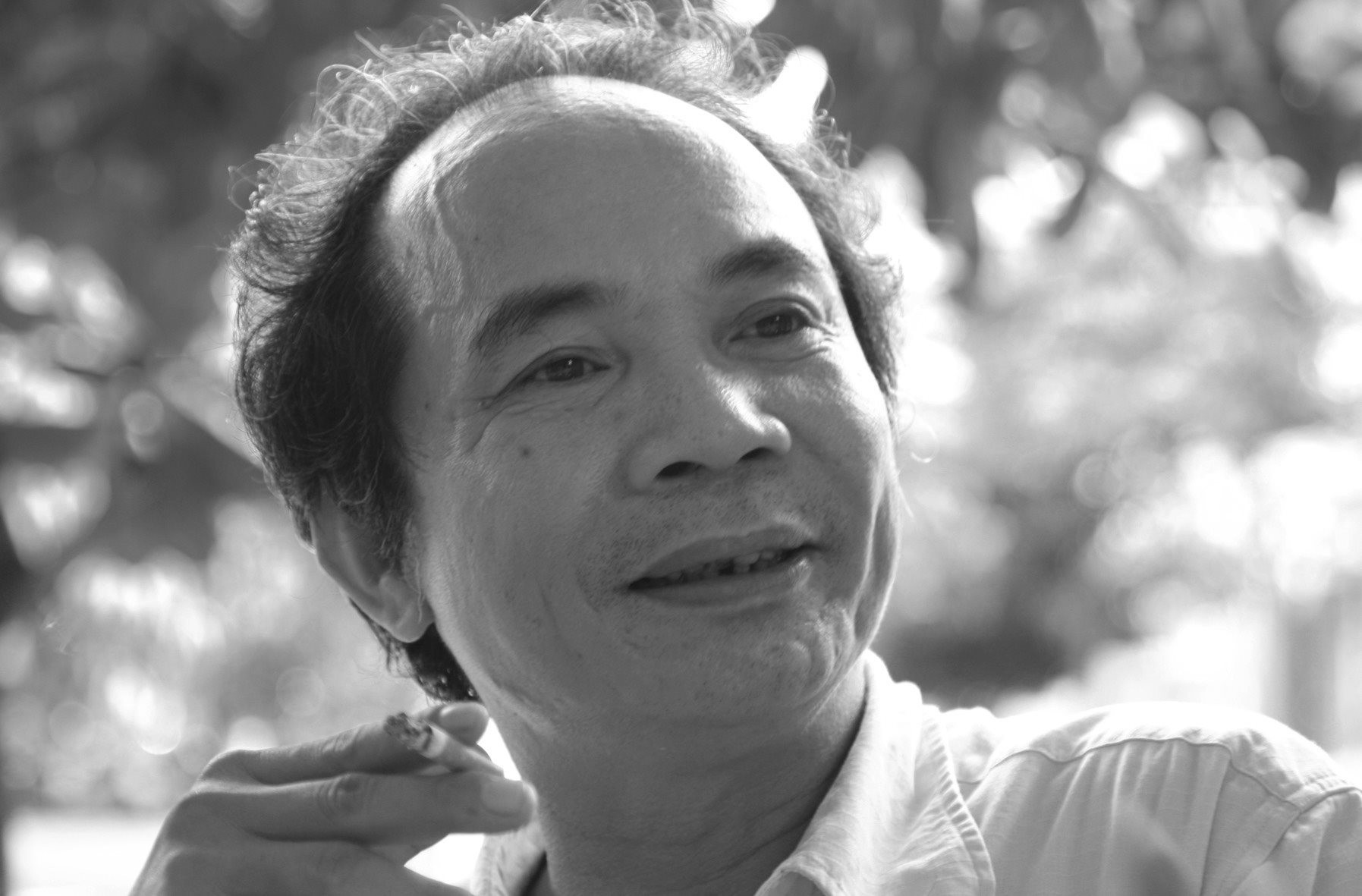
That same trip to Yen Thanh, after visiting Gam Pagoda, we returned to the hotel to party, sing, and recite poetry until the evening. Nguyen Trong Tao sang his new work "Village Gate," and the younger generation sang "My Quan Ho Village," "Song of the Homeland River," "Eyes of the Ferryman"... During those joyful gatherings, the more Nguyen Trong Tao drank, the more he sang, the more sober and inspired he became... everyone felt as if they were being inspired to create more, to have more faith and love for beauty, for people, and even more so for their homeland.
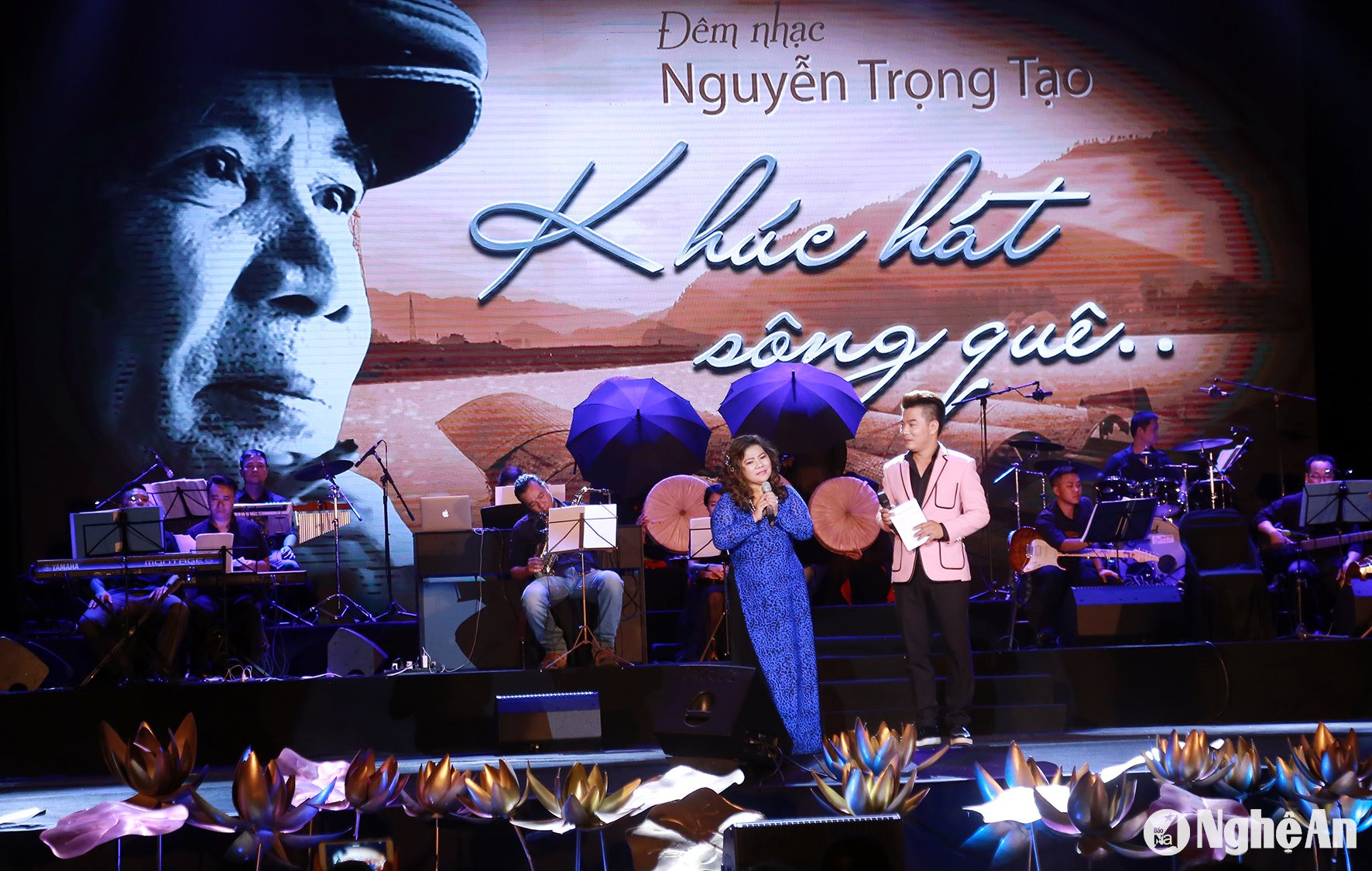
During that same meeting, Nguyen Trong Tao confided in me about the criticism he received in 1981 when he published his famous poem, "Musings on the Time I Lived" (a poem famous for its prophetic and liberating nature on the eve of Vietnam's social reform). Also, after the party, while having coffee privately with Nguyen Trong Tao, I asked him about his family origins. In the Ngo family genealogy of Vietnam, the family information page states that Nguyen Trong Tao is a direct descendant of the Ngo Tri Ly Trai family in Dien Chau, a distant descendant of the lineage of meritorious officials and scholars Ngo Tri Tri, Hoang Giap Thuong Thu Ngo Tri Hoa, Doctor and Prime Minister Ngo Sy Vinh, former Doctor Ngo Cong Trac, Doctor Ngo Hung Giao, ... Nguyen Trong Tao's ancestor, Ngo Tri Binh, went to live with and was adopted by his aunt from the Ngo family, changing his surname to Nguyen, thus giving rise to the Nguyen branch of the family.
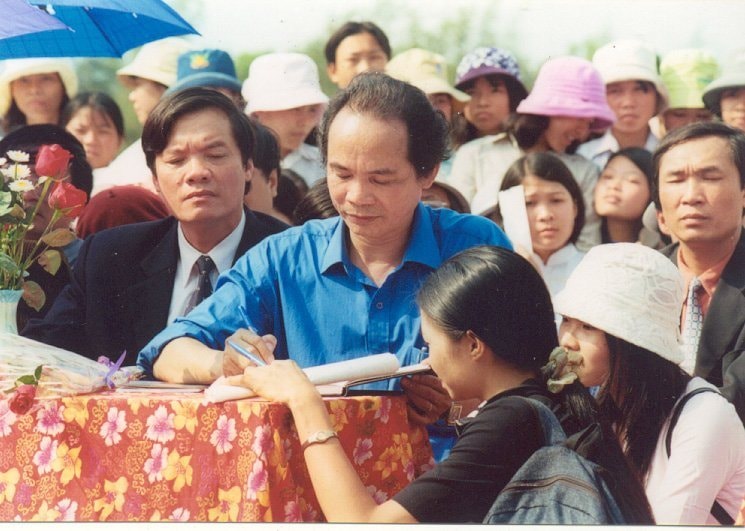
Deep down, I thought that talented individuals with patriotic hearts like Nguyen Trong Tao, whenever they experienced creative breakthroughs and produced great, outstanding, and groundbreaking works that touched the very essence of the nation and the era, leaving a spiritual legacy for hundreds or thousands of years to come—"after Van Cao and Nguyen Dinh Thi comes Nguyen Trong Tao" (to use Nguyen Thuy Kha's words)—saying this to him might be seen as: trying to claim kinship with someone of high standing. But Nguyen Trong Tao wittily replied: "I'm from the Ngo Tri family, my aunt is Ngo, my uncle is Nguyen, my great-grandfather is Ngo Tri Binh, I'm a native of Nghe An, from a rural background." Then we talked and exchanged thoughts about the winding Bung River, like a silk ribbon encircling the villages of Yen Thanh and Dien Chau, which has produced so many outstanding sons and daughters of our homeland: Cao Xuan Duc, Ngo Tri Tri, Ngo Tri Hoa, Tran Huu Thung... I never imagined that would be the last time I would meet Nguyen Trong Tao in Yen Thanh.
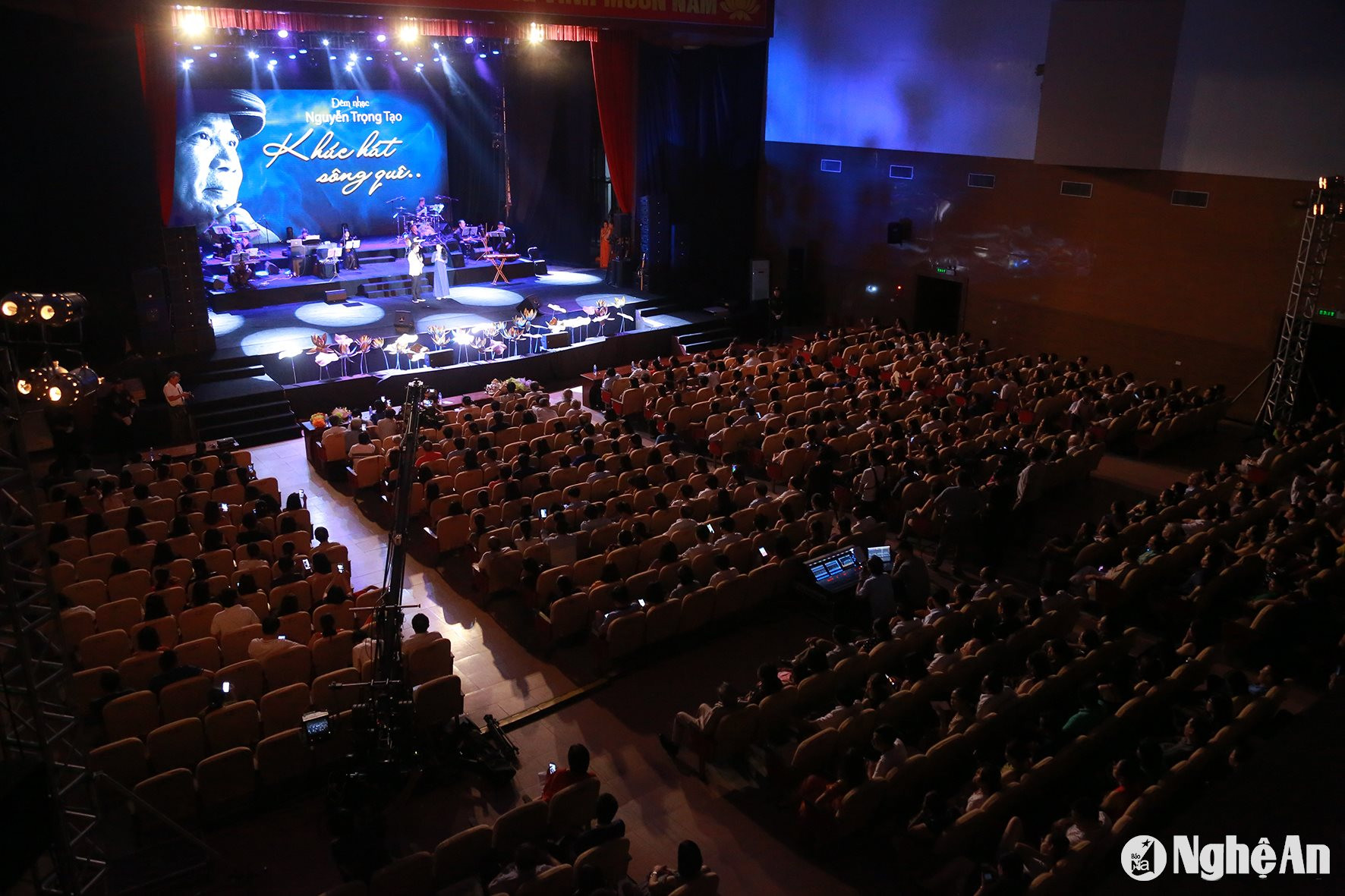
It has now been five years since Nguyen Trong Tao passed away. As time passes, readers have more opportunities to appreciate his works and see more clearly his stature in the culture of Nghe An province and Vietnam. I am particularly fond of the refrain in his poem "Musings on the Time I Lived": "The flowers still bloom in their season. Life continues to develop, and the cultural heritage left by those who came before continues to enrich and nurture the souls and intellects of future generations."


