
Tips to prevent dehydration during the summer
(Baonghean.vn) - When summer temperatures frequently reach 40 degrees Celsius or even higher, we need to closely monitor the amount of fluids our bodies consume. Here are some ways to help your body avoid dehydration.
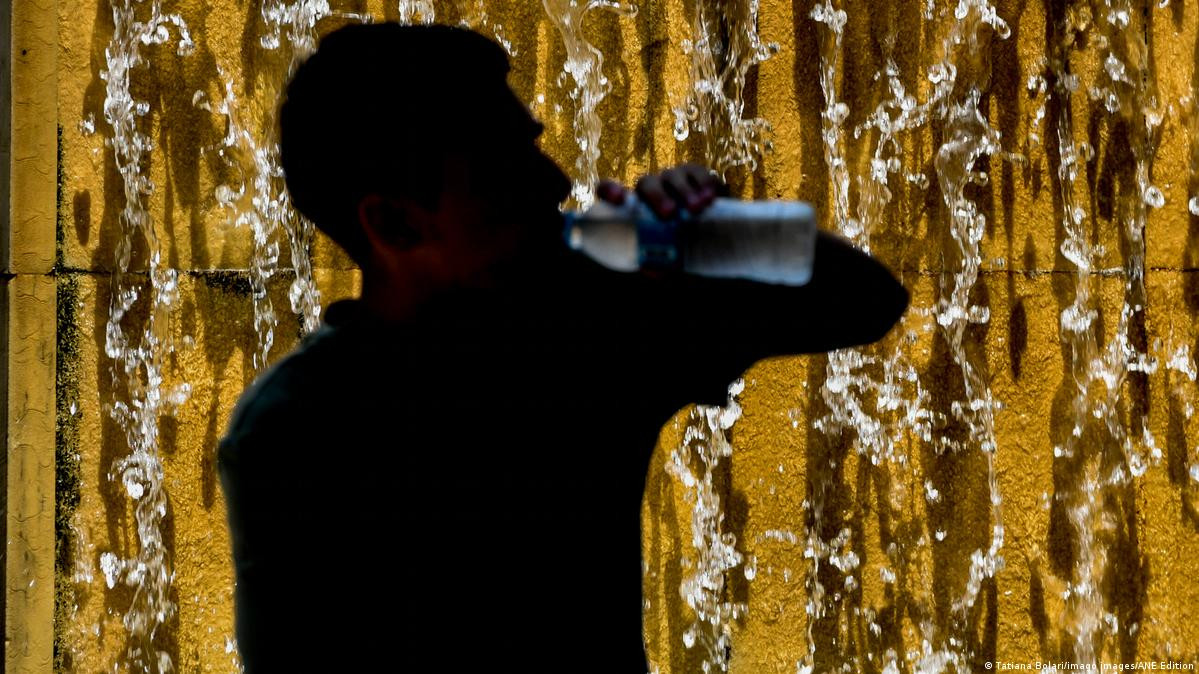 |
| Increase your water intake when it's hot:70% of the human body is water. If that water level drops to the point of dehydration, the body will stop functioning. Therefore, when going outside on a hot day, whether for work, exercise, or walking, remember to drink water before you feel thirsty. The amount of water you should drink depends on the activity you are doing, but remember to drink water frequently, every 1-2 hours. In addition, balance your fluid and food intake. And of course, keep a close eye on children. |
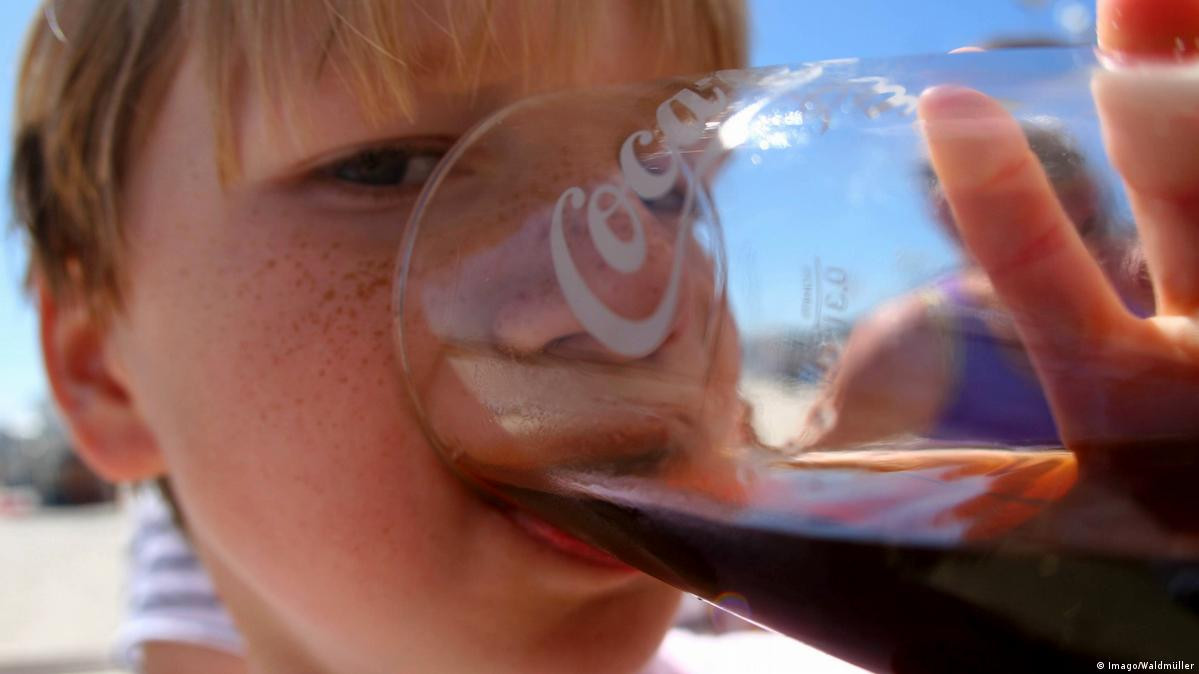 |
Not everything you drink is good for you:People often think that just drinking water is enough, but that's not all; you should drink clear liquids like plain water or broth. If you have a rehydration solution, you can use it, but always remember to read the instructions on the product label carefully. And you must avoid diuretic drinks like alcohol, coffee, and tea, along with sugary drinks like soda and sports drinks. These can cause diarrhea and lead to further dehydration. |
 |
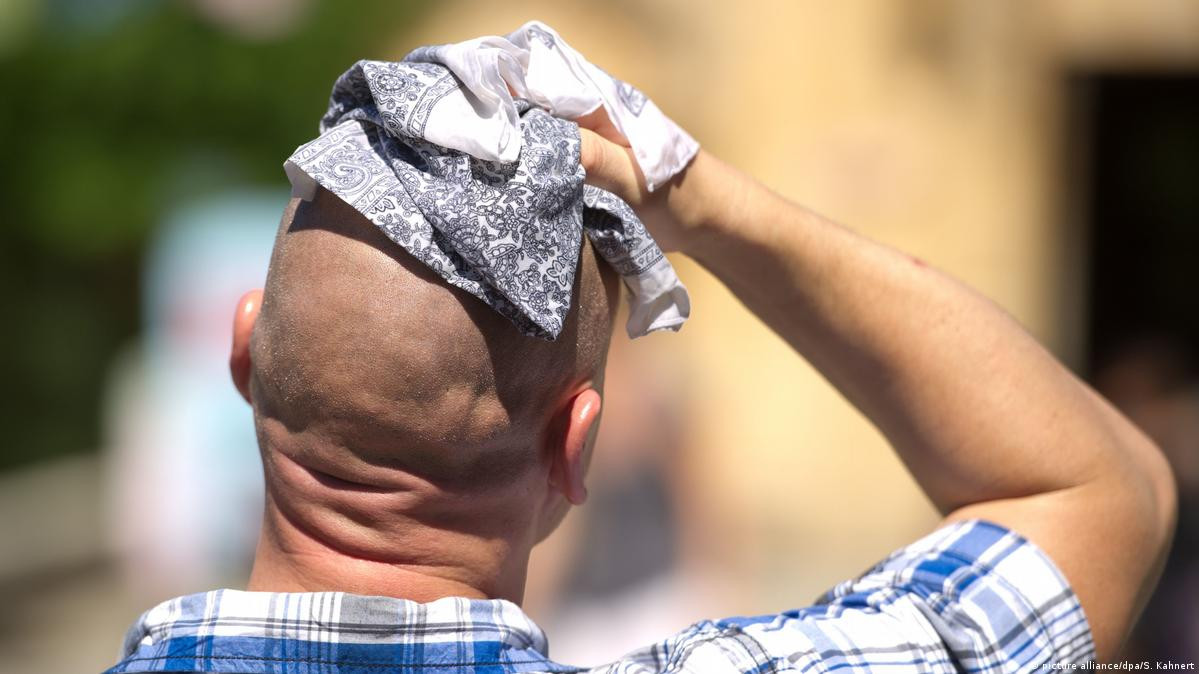
Early detection of signs of dehydration:Always pay attention to signs of dehydration in adults, children, and the elderly. Are they irritable, restless, have sunken eyes, a rapid pulse, or are they drinking water too quickly or hastily? Try pressing on the skin to see if it springs back. Also, check if the urine is dark, has an unpleasant odor, or if your breath smells bad. If the answers are yes, then the body is signaling dehydration and needs help. |
 |
Signs of severe dehydration:Signs that indicate a real emergency include you or someone next to you becoming unconscious, having no or weak pulse, signs of respiratory distress, wheezing, rapid breathing, sweating, and flaring nostrils. |
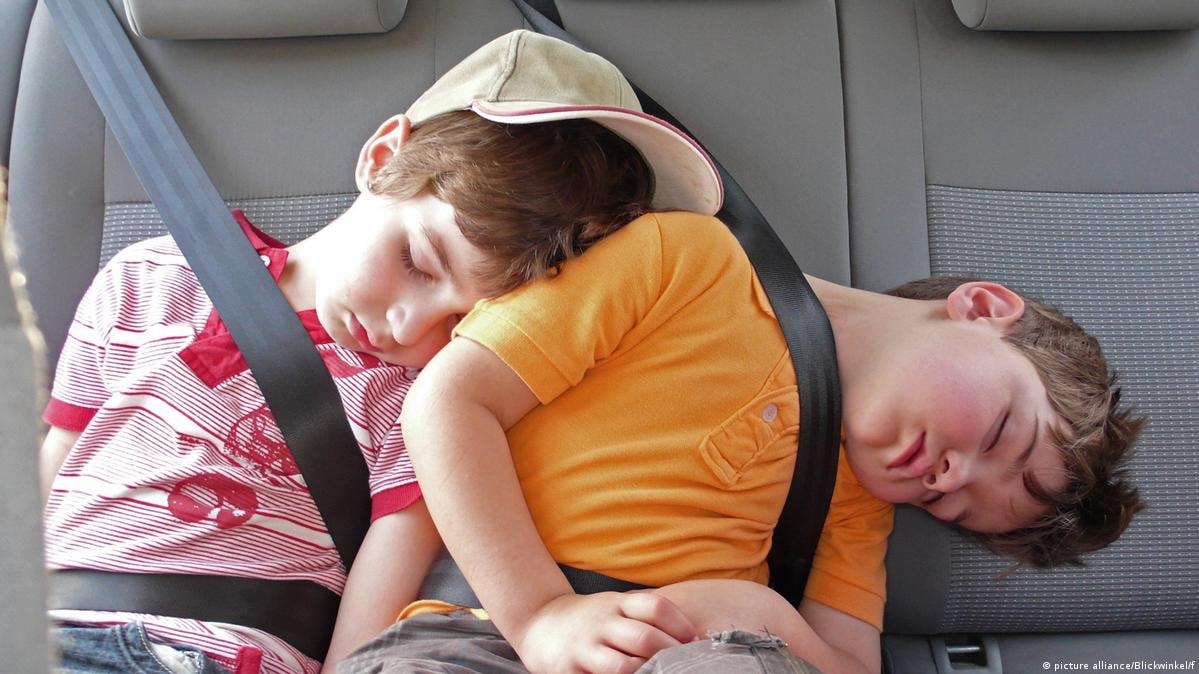 |
| High-risk groups include infants, young children, and the elderly.Dehydration can happen to anyone, but infants, children, and the elderly are at higher risk. Diuretics used to reduce fluid or blood pressure, as well as some diabetes medications, can make you more susceptible to dehydration. In that case, consult a doctor. And if there are young children in the family, remember to check for lethargy, fever, dry or sticky tongue or mouth, crying without tears, or a dry diaper for more than three hours. |
 |
How to rehydrate:In addition to plain water, dehydrated individuals need to replenish fluids, sugars, and electrolytes—minerals such as sodium, potassium, calcium, chloride, and phosphate—to help the body and brain function. Mild cases of dehydration can be treated with oral rehydration solutions. Other quick fixes to consider include: fruits, vegetables, salty snacks, and some dairy products. More severe cases may require medical attention or even hospitalization. |
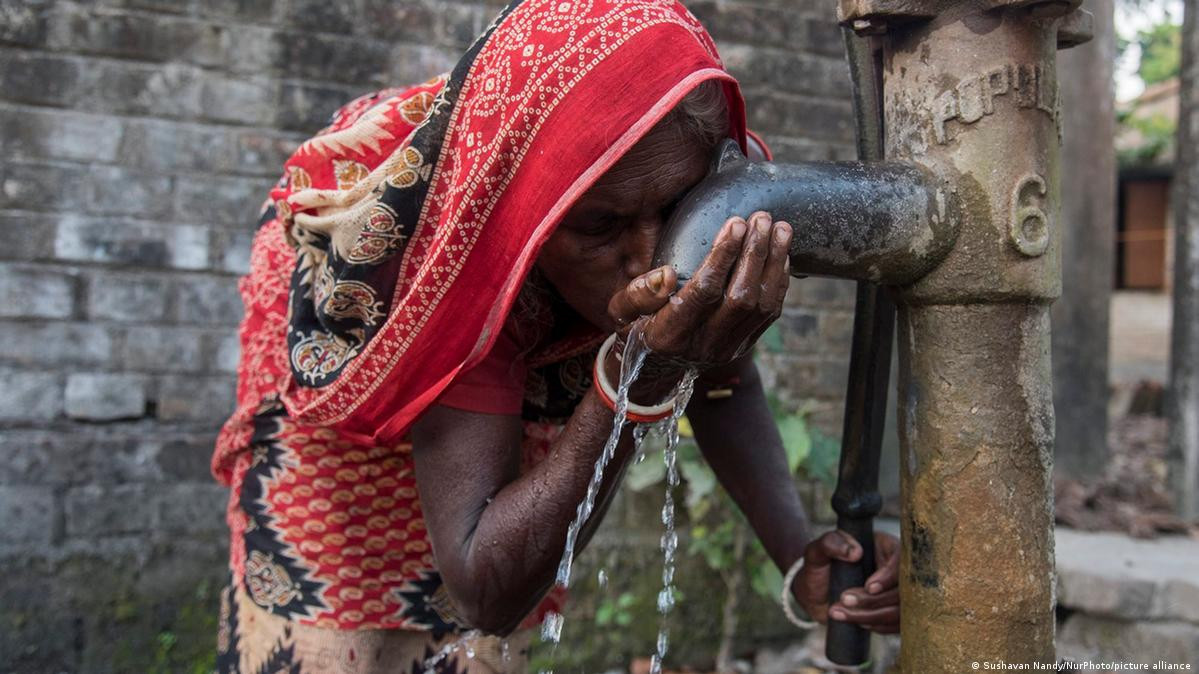 |
The water source must be clean.In wealthy countries, clean water is often considered a given, but it is a luxury in poorer nations. It is estimated that one in three people worldwide lack access to clean water, and in some of the least developed countries, even basic healthcare facilities lack water. These are often the hottest places on Earth, making it difficult for people to ensure adequate hydration and good health. |
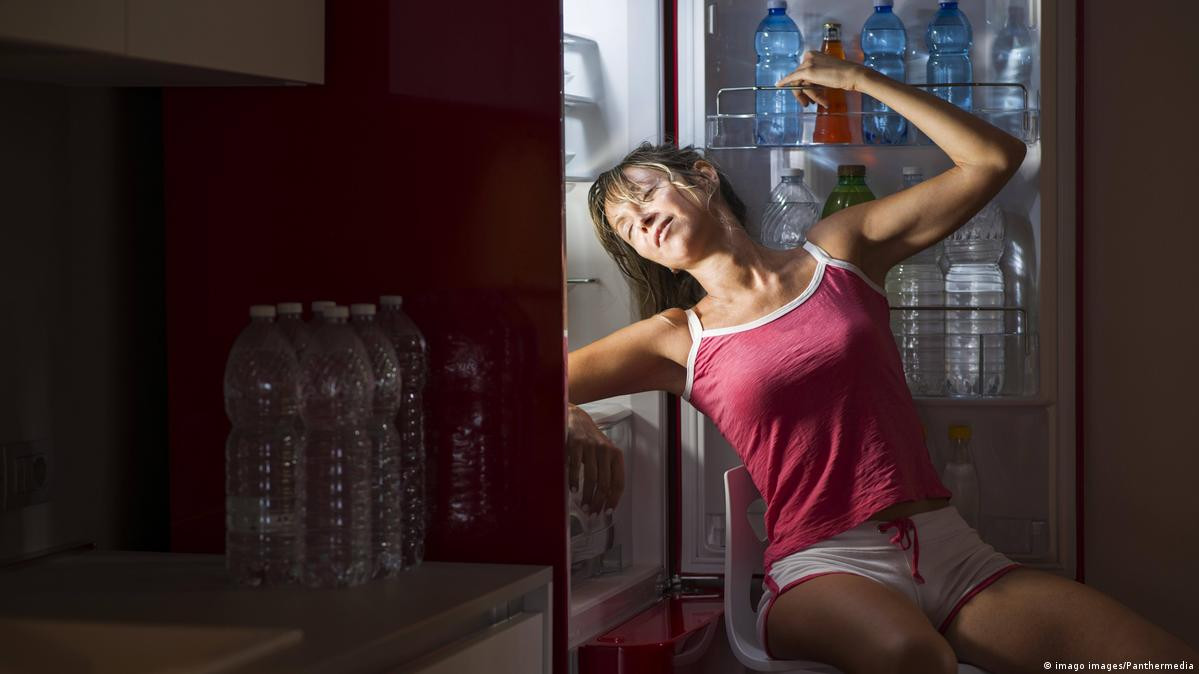 |
But don't drink too much water either:Drinking too much water can lead to water retention – which is just as dangerous as dehydration. When the body has excess water, the kidneys can't process the fluid quickly enough, which can lead to hyponatremia or low sodium levels in the blood. Sodium regulates fluid in and around cells, and if this process isn't properly managed, water retention can cause brain edema, which can be fatal. Therefore, if your urine is always clear, be cautious; you might be drinking too much water. |


