
New driving rules that drivers must know by heart.
Unlike motorcycles, operating a car requires time and knowledge to become proficient and safe in its operation.
Familiarize yourself with the control panel.
For the dashboard area, the buttons on the steering wheel, door locks, turn signals, lights, windshield wipers, etc., are generally used similarly across most car models. Other support functions, however, usually have their own unique design depending on the manufacturer.
Getting familiar with the function buttons on the dashboard of technologically advanced vehicles often takes a considerable amount of time for inexperienced drivers to memorize. To avoid confusion, you should practice familiarizing yourself with the dashboard.
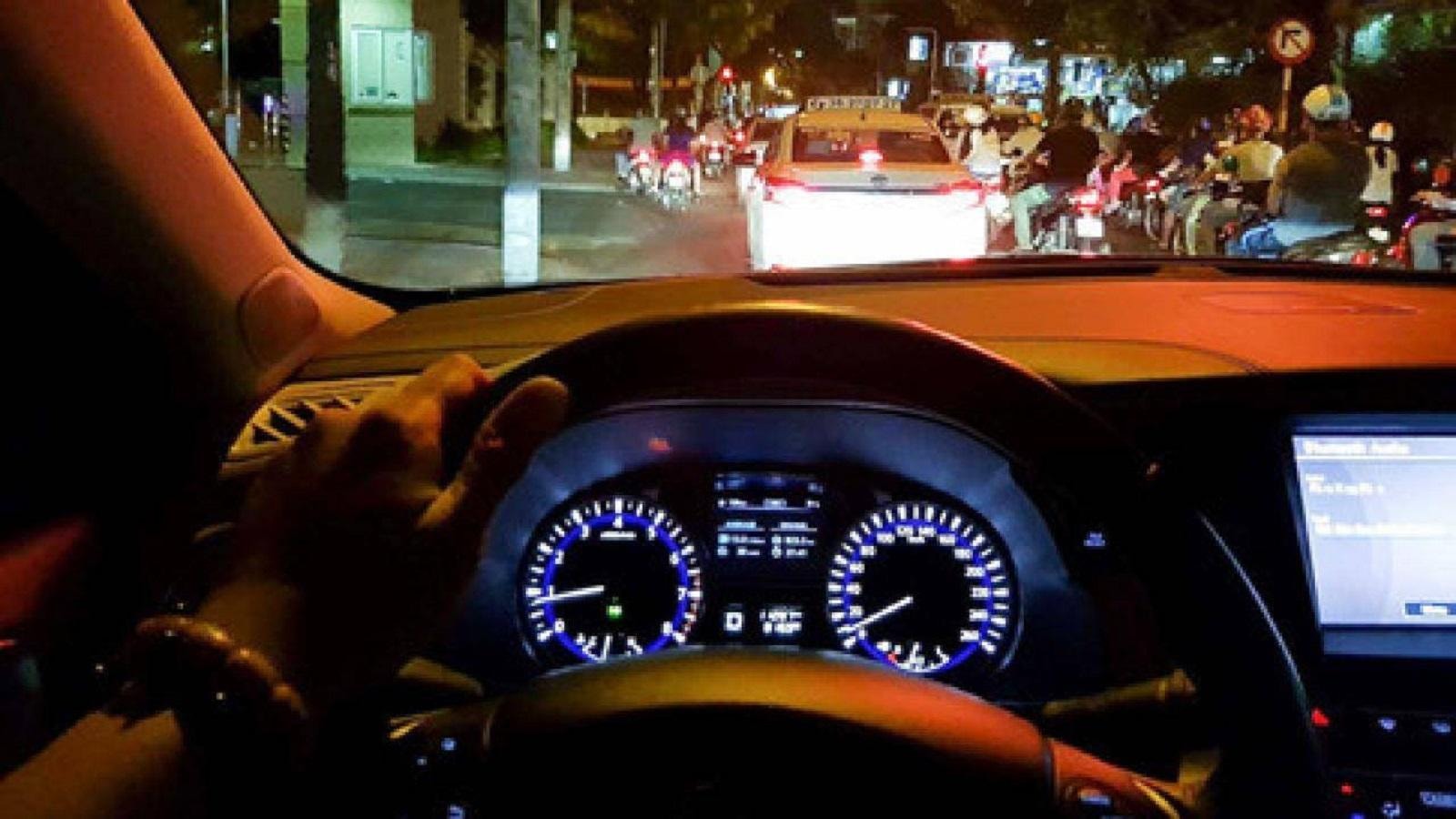 |
Familiarize yourself with the control panel. |
Test the accelerator and brake pedals.
Each car has different brake and accelerator pedal sensitivity, so don't apply your habits from an older car to the one you're driving for the first time. Especially, before you know the engine's power and the throttle's sensitivity, don't floor the gas pedal; it's extremely dangerous.
Estimate size, visibility, and adjust the driver's seat.
Observe the car from the outside before getting in, then sit in the driver's seat, adjust the seat so that your view is comfortable, your feet can reach the brake and accelerator pedals, and your hands can reach the steering wheel in the most comfortable position, ensuring your right knee does not touch any part under the steering wheel.
Estimating the size and visibility of the vehicle will help drivers avoid collisions when reversing, turning, or making left or right turns.
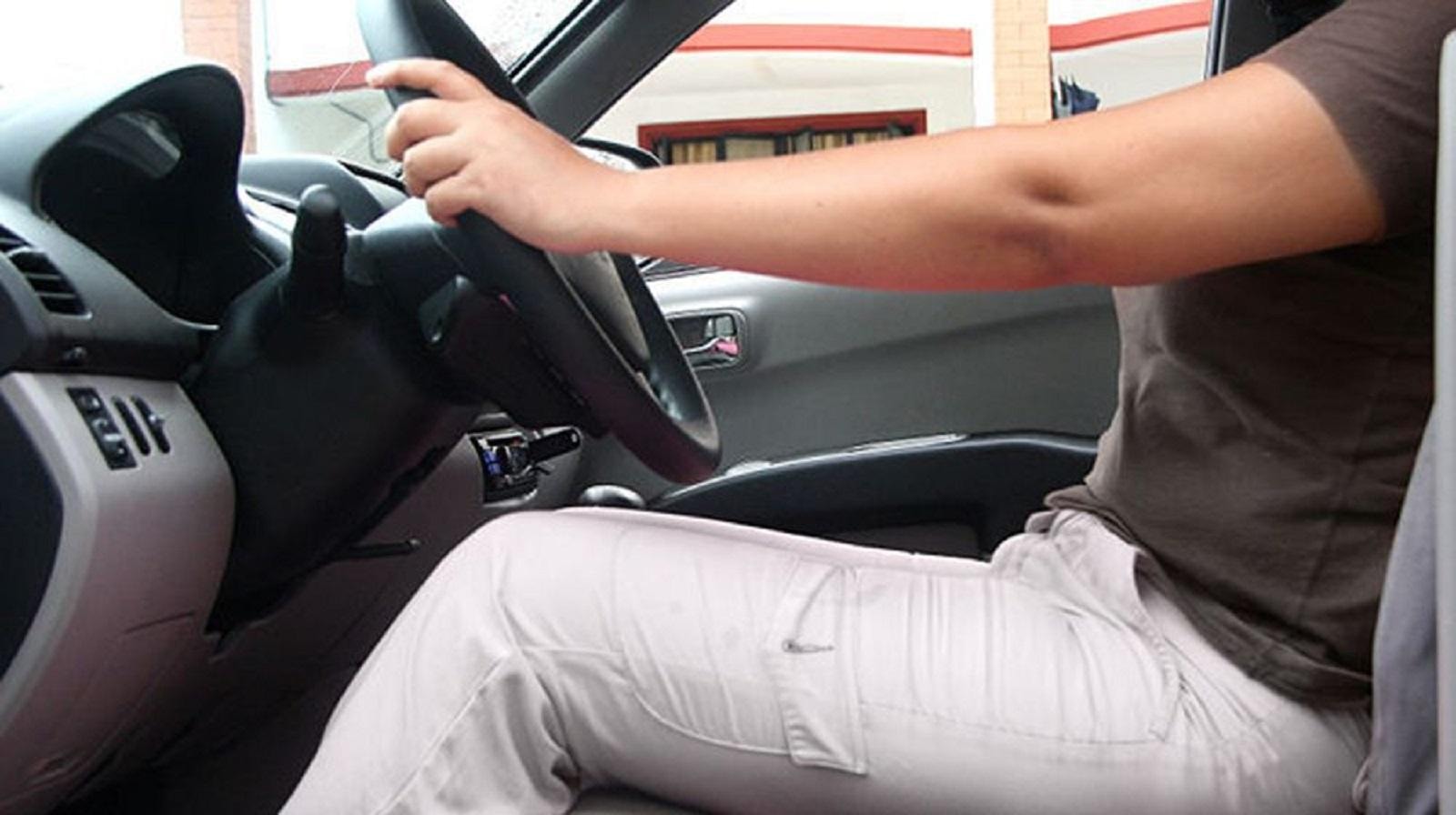 |
Estimate the size, visibility, and adjust the driver's seat. |
Adjust the rearview mirror.
Adjusting the side and interior rearview mirrors so that you are at eye level and cannot see your reflection in any of them is also a very important issue for drivers when driving a new car.


