
Mistakes made by Vietnamese mothers that cause their children to be short.
A series of everyday mistakes made by mothers in choosing the right timing and nutritional regimen are the reasons why their children cannot grow tall.
Associate Professor Dr. Le Danh Tuyen, Director of the National Institute of Nutrition, advises parents to change their mindset that they can "compensate for lost time" by over-caring for their children.
"This is a completely wrong misconception, prevalent among many parents, especially young families who are too busy to care for their children from a young age. Meanwhile, the 'golden window' of the first 1,000 days of life plays a crucial role in determining height and brain development," Associate Professor Tuyen emphasized.
No formula milk will make your child grow taller.
According to Associate Professor Tuyen, formula milk should not be given to children during the first 1,000 days of their lives (from pregnancy to 2 years old).
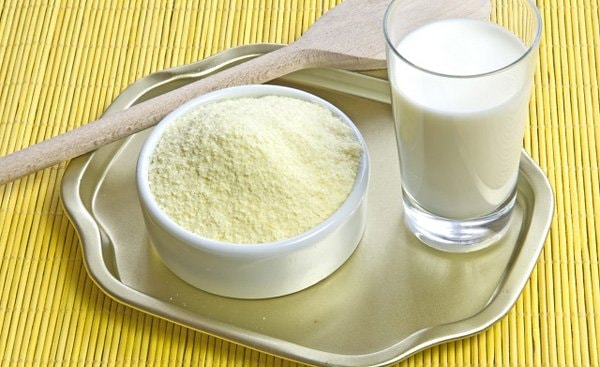 |
| No type of formula milk can help children grow taller. |
Consider milk as a calcium-rich food, like chicken eggs or duck eggs, that can be given to children after the first 1,000 days of life. “To date, there is no serious scientific research in the world confirming that any type of milk other than breast milk plays a role in height growth,” Associate Professor Tuyen emphasized.
He recommends that mothers breastfeed their babies for at least the first six months. In reality, many mothers still believe that their own milk is not as good as formula, and prefer imported formula...
Incorrect weaning methods
Introducing complementary foods too early or too late can affect a child's development. According to the World Health Organization's recommendations, the best time to introduce complementary foods is when a child is 6 months old.
"The notion that introducing complementary foods early, starting from the third month, will make babies stronger is completely wrong. This wastes breast milk and can easily lead to digestive disorders and malnutrition," Associate Professor Tuyen explained.
Conversely, if complementary feeding is introduced late, and breast milk is insufficient to meet the baby's needs, the baby will gain weight more slowly.
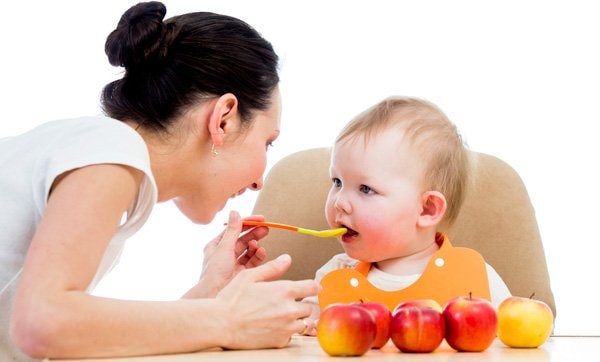 |
| Introducing solid foods at the wrong time or in the wrong way can hinder a child's development. |
Since breast milk after 6 months can no longer meet the increasing nutritional needs of infants, supplementary foods are necessary. At this time, in addition to breastfeeding, infants need to eat 1-2 meals of porridge per day.
The Director of the Institute of Nutrition advised mothers to abandon the habit of chewing rice before feeding it to their children when introducing solid foods, as this is both unhygienic and a source of disease transmission.
Another common mistake many mothers make is believing that broth and bone stock are nutritious enough and that they don't need to eat the solids. In reality, these broths contain no protein.
Or some families avoid giving their children fish, crab, shrimp, eggs, etc., for fear of food allergies or the strong smell of seafood. This can easily lead to children losing their appetite and creating unbalanced eating habits that are difficult to change later on.
Incorrect ways to care for a sick child.
Proper care for children before, during, and after illness is crucial, not only helping them recover quickly but also boosting their immune system.
When children are sick with fever and diarrhea, their nutritional and energy needs are higher than normal. However, some mothers have the misconception that they should restrict their children's diets, only giving them flour and sugar, and not allowing them to breastfeed or eat green vegetables... for fear of causing more diarrhea.
Another mistake is not rehydrating children who have a fever and are dehydrated, or giving them oral rehydration solution (ORS); or forcing them to go on a restrictive diet...
After an illness, children need to eat more to recover their health. Unbalanced meals can easily lead to malnutrition.
Overeating
A child's supplementary meals must ensure sufficient essential nutrients, meet their needs, and be well-balanced to help them develop properly.
If the diet contains too much protein, it will overwork the immature digestive system, easily leading to digestive disorders, causing undigested food in stool, diarrhea, etc.
According to Zing
| RELATED NEWS |
|---|


