
Efforts to improve the effectiveness of healthcare policies for ethnic minority women and children.
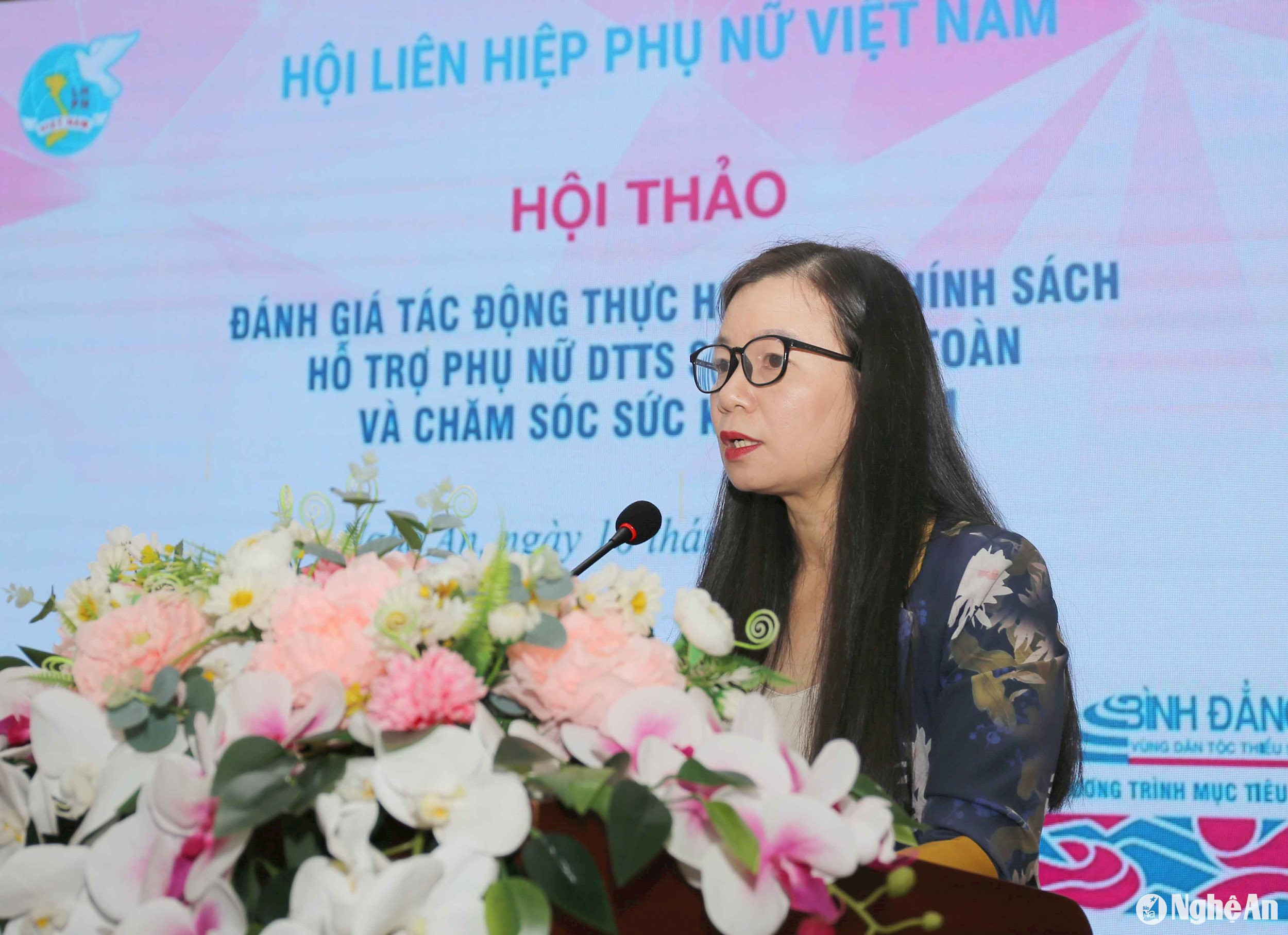
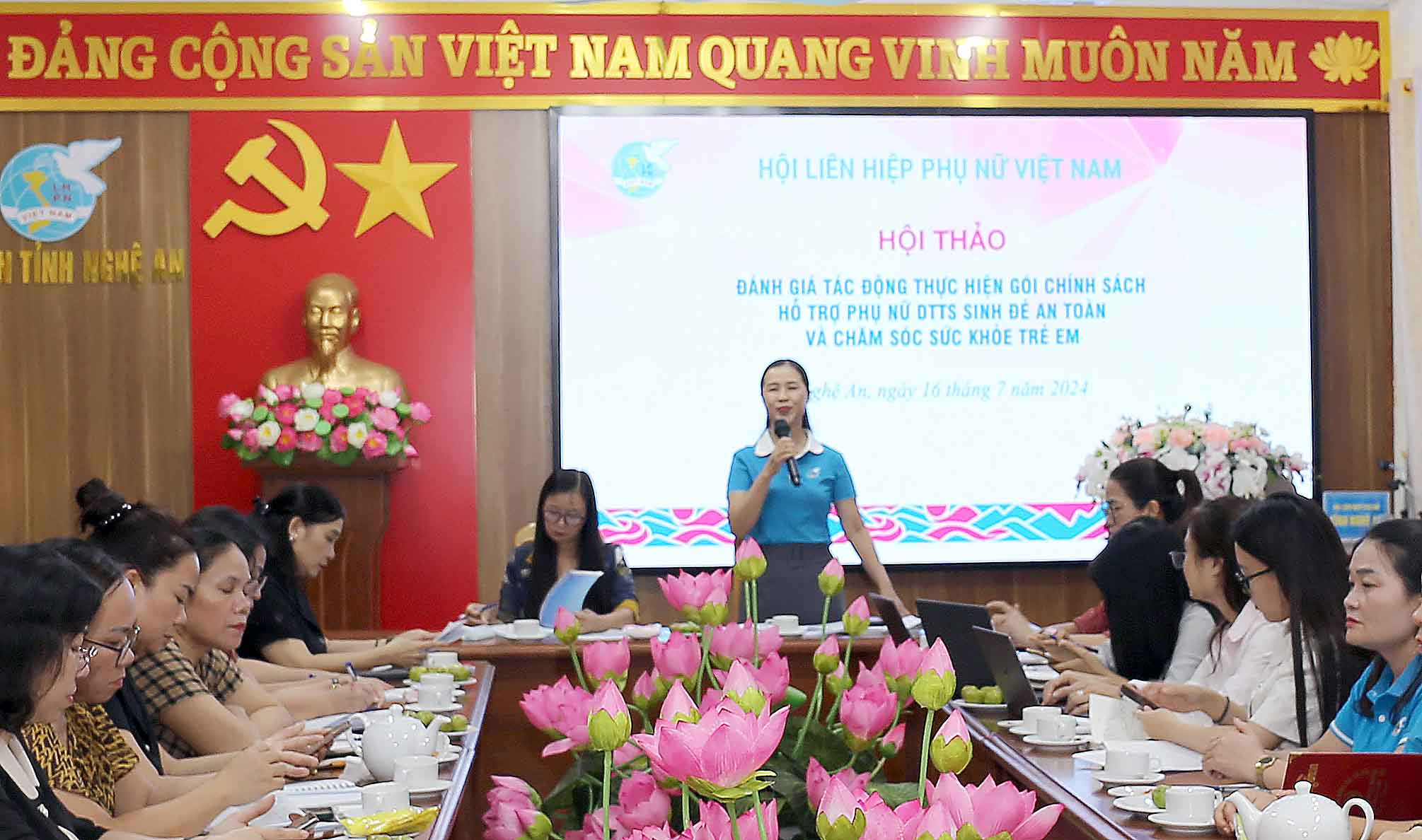
On the afternoon of July 16th, the Central Committee of the Vietnam Women's Union, in coordination with the Provincial Women's Union, organized a workshop to evaluate and implement four policy packages supporting safe childbirth and child health care for ethnic minority women.
-a4c1c20894385224848321578bcd5804.jpg)
Four policy packages supporting ethnic minority women in safe childbirth and child health care are part of Project 8, "Implementing Gender Equality and Addressing Urgent Issues for Women and Children." The project is being implemented in 11 districts, 76 communes, and 588 mountainous villages in Nghe An province.
In recent years, the number of ethnic minority women accessing and utilizing healthcare services for mothers and children has increased. However, the five main ethnic minority groups, namely the Thai, Tho, Khmu, Mong, and O Du, which account for 15.2% of the province's population and live in mountainous, remote, and isolated areas, still face many difficulties.
According to statistics from the Provincial Center for Disease Control, in 2023, the total number of births outside medical facilities was 460, and in the first six months of 2024, there were 205 births outside medical facilities, mainly in ethnic minority areas.
Despite those difficulties, over the past three years, the implementation of four policy packages to support ethnic minority women in safe childbirth and child health care has achieved some important results.
Women's associations at all levels have focused on nine core objectives, including: promoting and advocating for changes in mindset and practices to eliminate gender stereotypes and biases within families and communities; building and replicating models to enhance women's economic empowerment; ensuring the voice and genuine participation of women and children in socio-economic development, social monitoring, and critical feedback; improving the capacity of female ethnic minority officials; enhancing the capacity for gender mainstreaming among officials in the political system, village elders, community leaders, and influential figures; and monitoring and evaluating the implementation of gender equality.
At the same time, implement a support package for mothers and childcare. As of May 10, 2024, Nghe An province had paid benefits and policies to 67 mothers who gave birth at medical facilities, totaling 161 million VND.
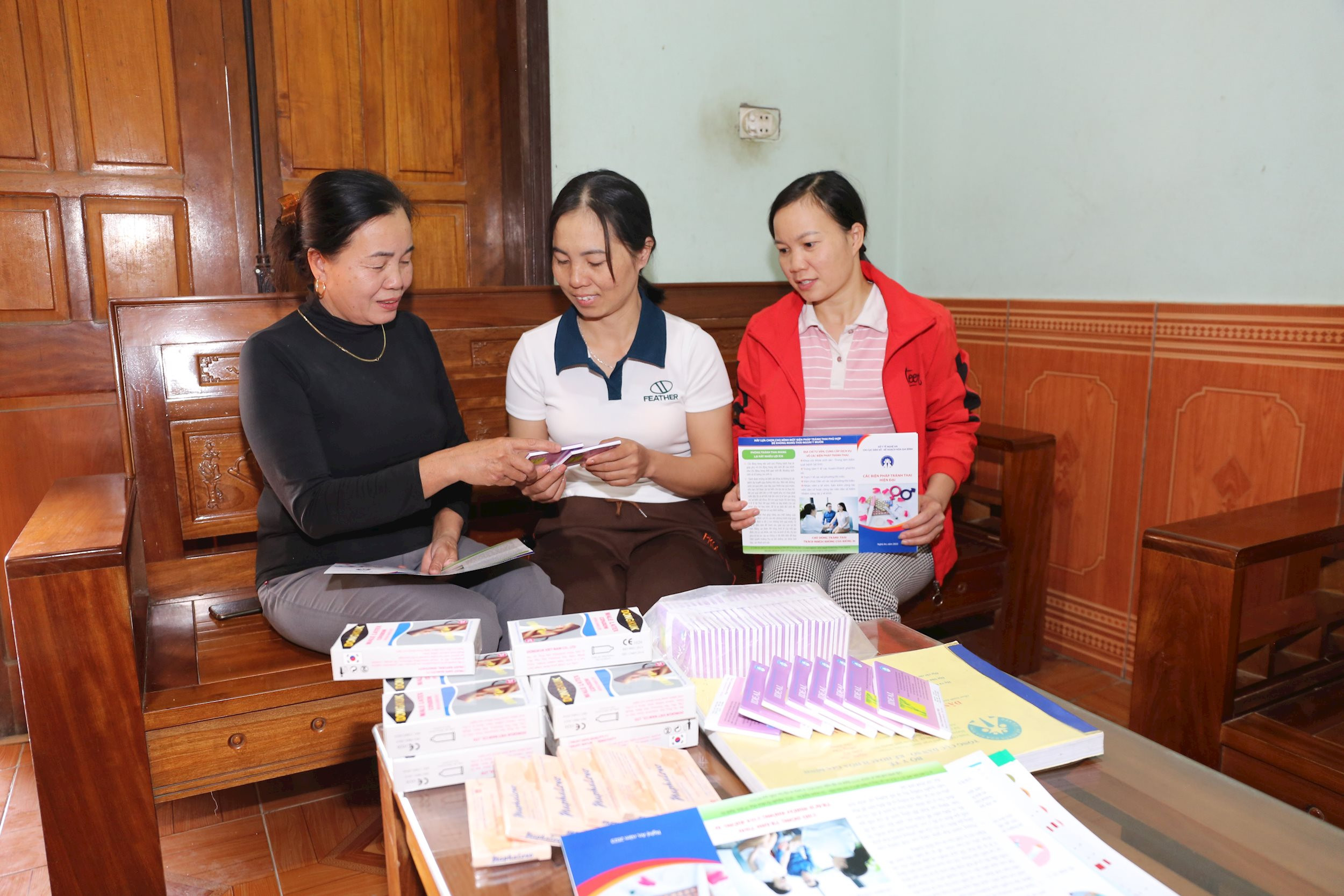
Regarding communication efforts, women's associations at all levels organized hundreds of communication sessions on issues related to maternal and child health care in mountainous areas, raising awareness of safe motherhood, child health care, and encouraging women to give birth at medical facilities. Specifically, the district level attracted 12,750 participants, while the commune level attracted 18,750 participants.
Simultaneously, models of "Clubs to support women with knowledge and skills on safe motherhood and home-based childcare" were launched.
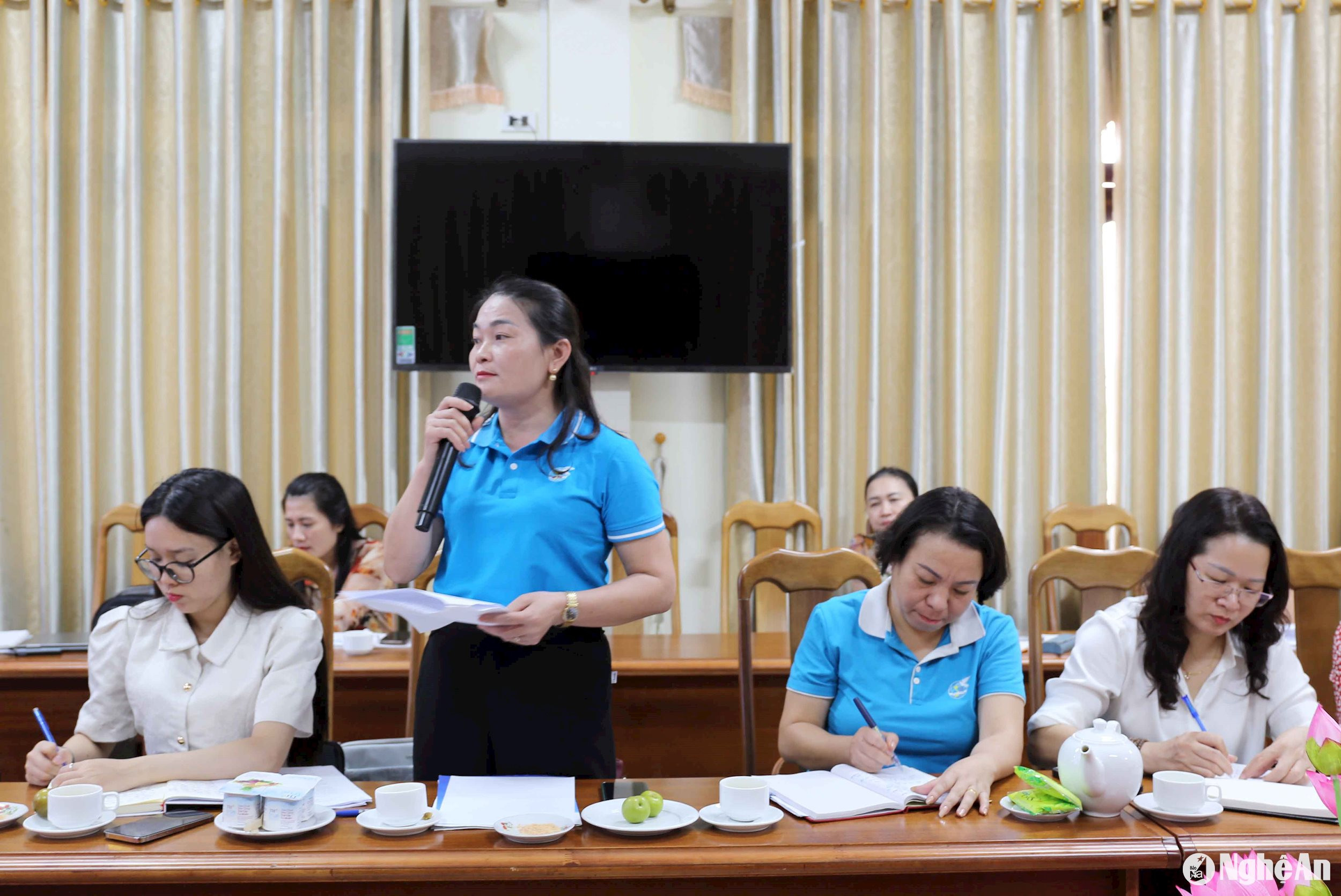
At the workshop, representatives from various levels of women's associations in the province raised several difficulties and obstacles encountered in the implementation of the four policy packages, including issues related to communication and unclear regulations leading to confusion in budget preparation; and the issue of supporting Kinh women who marry ethnic minority men.
Given these challenges, representatives from the Central Vietnam Women's Union and the Provincial Women's Union agreed on several solutions to enhance effective coordination with relevant departments and agencies, aiming to diversify communication methods, raise awareness, and change behaviors regarding safe motherhood, child health care, and encourage women to give birth at medical facilities.
Instruct relevant units to coordinate with the health sector to review, survey, and implement the support package for ethnic minority women to ensure safe childbirth, and to disburse funds to eligible individuals in accordance with regulations. Pay close attention to the comprehensive and thorough inspection and monitoring of policy implementation in the coming period.


