
Developing tourism-branded products for Nghe An.
(Baonghean) - To create a breakthrough for Nghe An tourism, aiming to make Nghe An one of the tourism centers in the North Central region, one of the key issues that needs to be implemented in the coming time is to promote the development of key tourism products associated with market positioning.
Many positive developments
Tourism in Nghe An has undergone positive changes in recent years, expanding its development scope and no longer being confined to the coastal area. It is increasingly spreading to the western districts with more diverse tourism products and significantly improved quality.
Besides Nghe An's strengths such as cultural and historical tourism associated with spirituality, and beach resort tourism, in recent times, ecotourism, conference and seminar tourism, business tourism, and community tourism are showing an increasing trend...
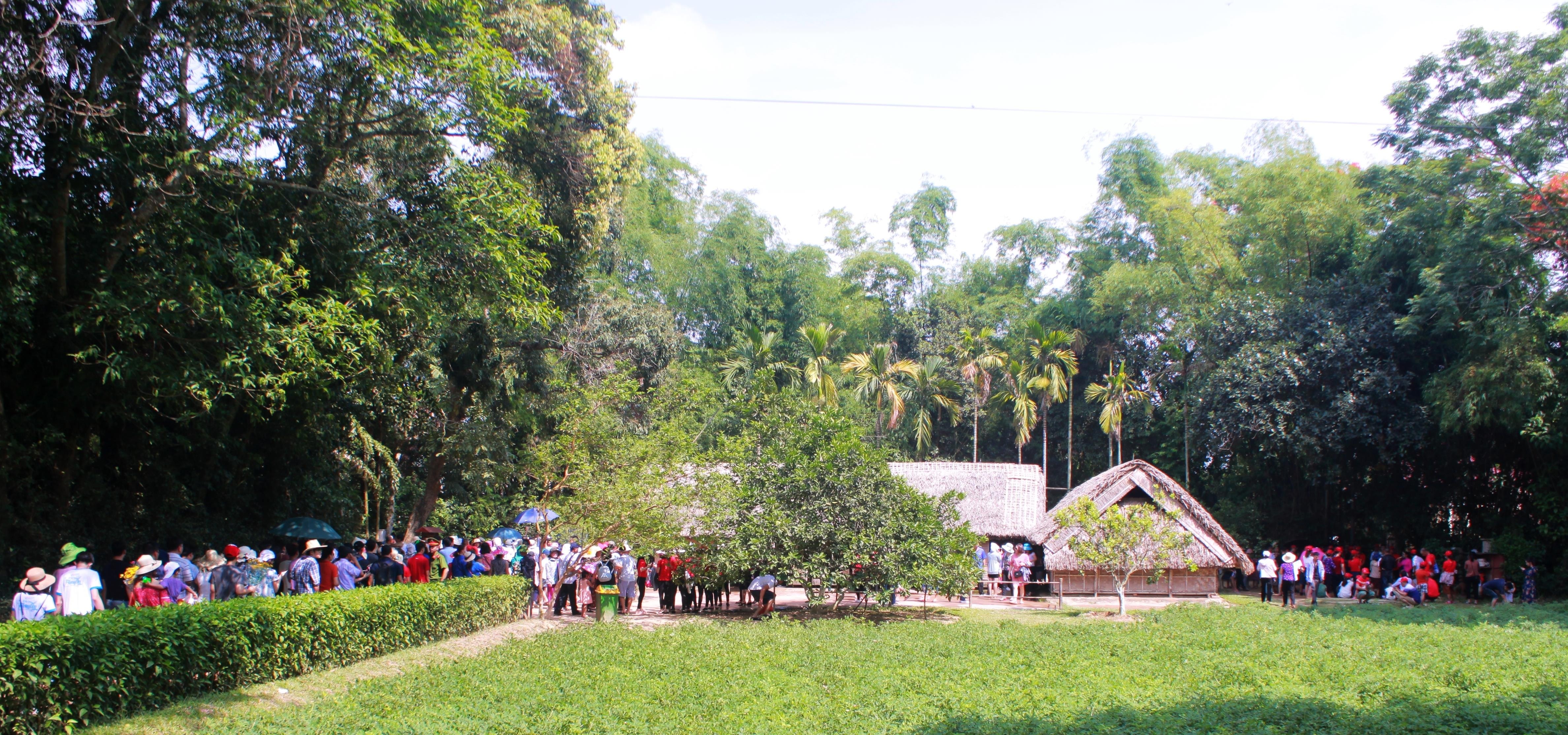 |
| The Kim Lien National Special Historical Site attracts many domestic and international tourists. Photo: Canh Hung |
The promotion of cooperation and linkages in tourism development has attracted major domestic tourism corporations and businesses such as Saigontourist, Vietravel, Vingroup, and Muong Thanh... to invest in developing new tourism products, contributing to the gradual transformation of Nghe An's tourism industry in both scale and quality.
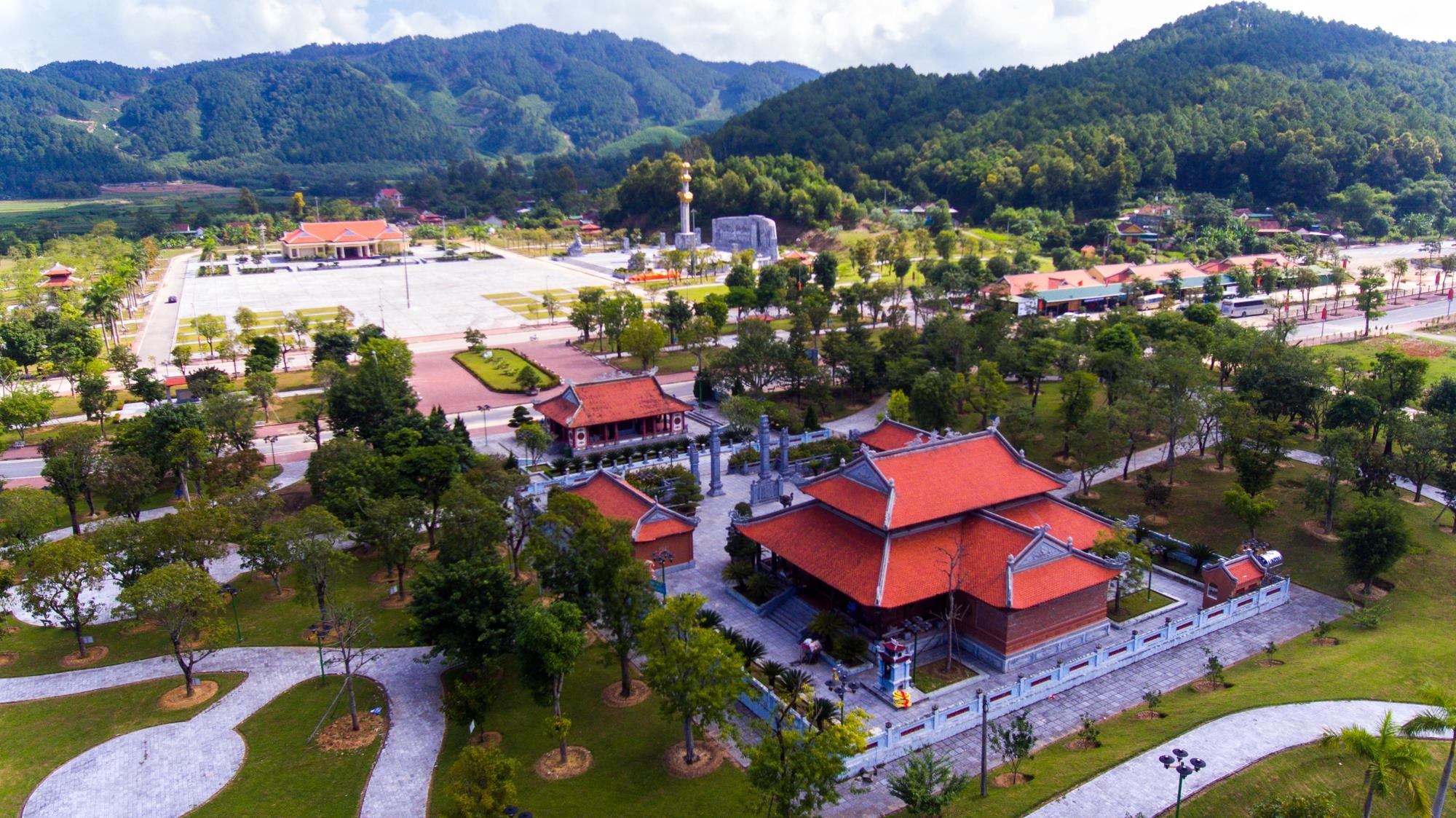 |
| The Truông Bồn Historical Site is a spiritual tourism destination, attracting many visitors who come to sightsee and pay their respects. Photo: Thành Cường |
Several 4-5 star tourist and resort areas have been developed, such as the Muong Thanh Dien Lam eco-tourism area and the Vinpearl Cua Hoi high-end hotel and villa complex. Along with the preservation and restoration of new tourist destinations (the Quang Trung Emperor's temple, the Truong Bon historical site, Dai Tue pagoda, flower and fruit farms in Nghia Dan, community tourism villages in Con Cuong, etc.), the attractiveness of Nghe An tourism has increased; the number of tourists has risen rapidly, and tours connecting tourist destinations within the province are becoming increasingly popular.
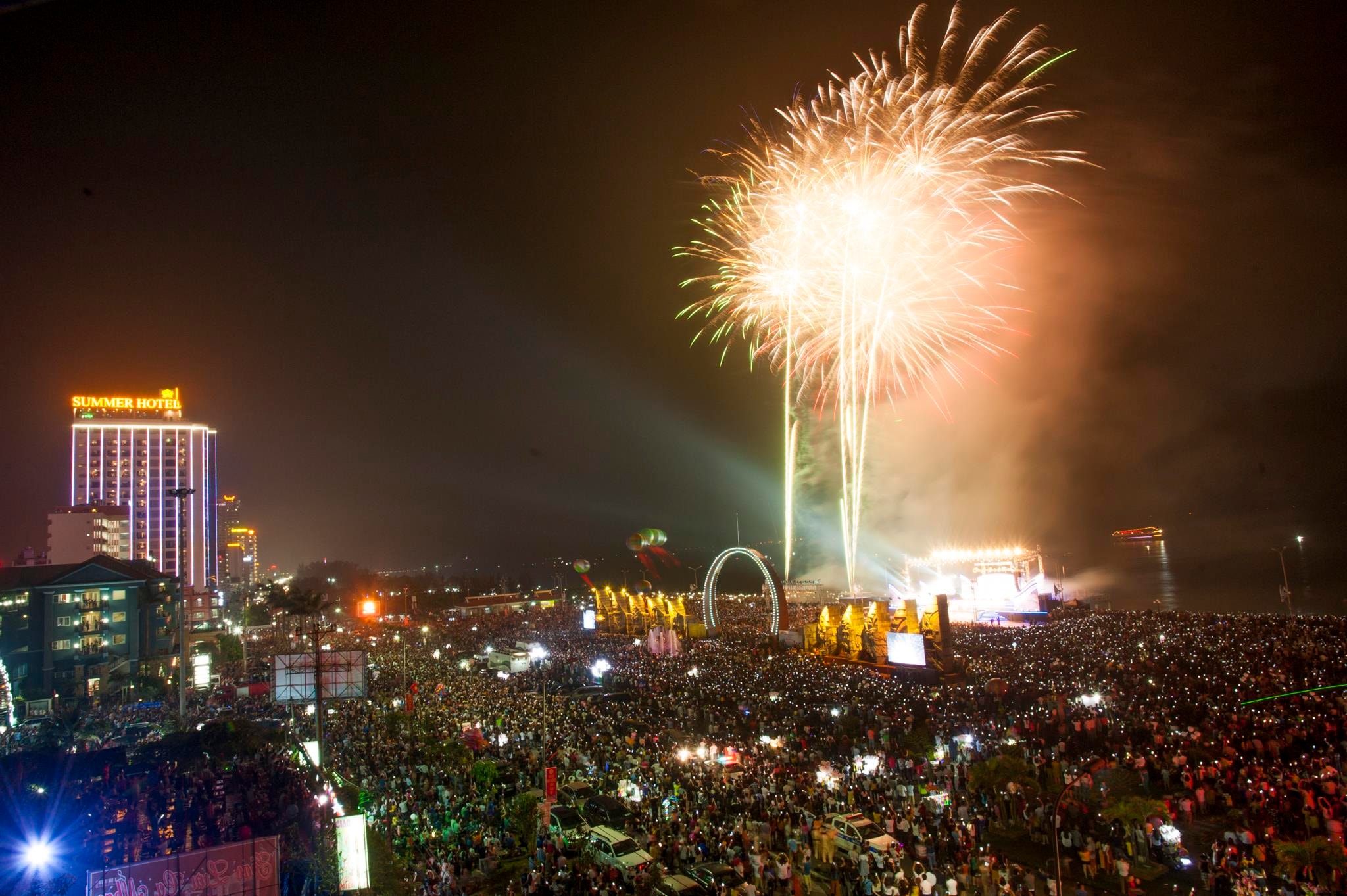 |
| Cua Lo is an ideal seaside tourist and resort destination. Photo: Thanh Cuong |
The exploitation of intangible cultural values to serve tourism development in the area has also received more attention. Some traditional craft products have initially been accepted by tourists, especially those products supported by JICA in building brands, designs, and registering trademarks.
However, compared to the demands and strengths of its resources, the quality and attractiveness of Nghe An's tourism products have not yet made a commensurate breakthrough, and there are not many distinctive, high-class products...
Develop products in which you have a competitive advantage.
In the coming period, Nghe An will continue to promote the development of key tourism products such as: beach resort tourism, cultural and historical tourism associated with spirituality, ecotourism associated with the culture of ethnic minorities and rural areas...; prioritizing the development of high-quality tourism products, rural agricultural tourism, and community tourism. Specifically:
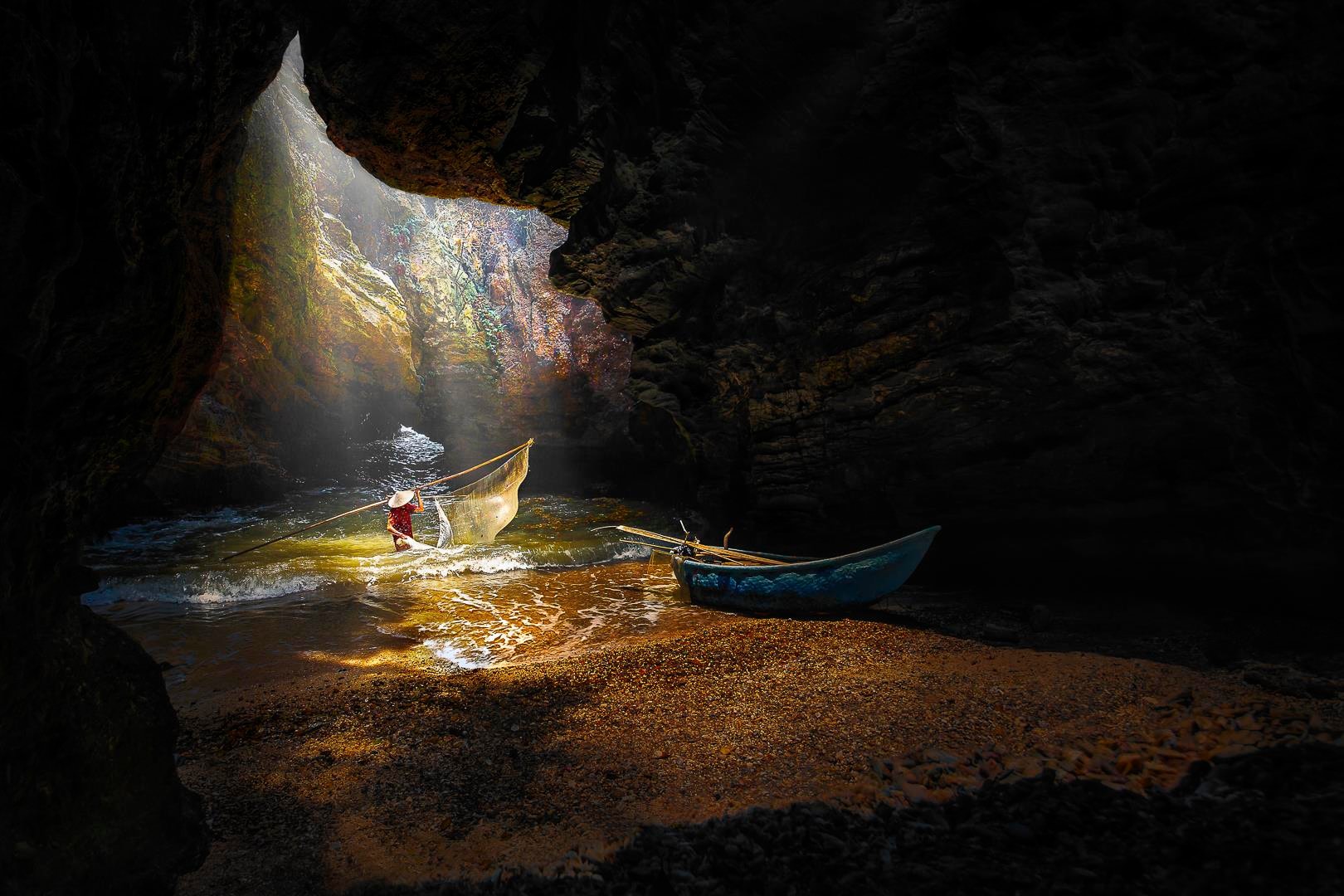 |
| Dragon's Eye Cave in Quynh Luu Bay always beckons adventurous tourists. Photo: Canh Hung |
Regarding beach resort tourism, focus on accelerating the implementation of key projects: the ecological resort and entertainment complex in Nghi Tien commune (Nghi Loc district) by FLC Group, the Vinpearl Cua Hoi entertainment and cable car complex phase II, the expansion project phase II of Bai Lu Resort; the planning and construction of a park east of Binh Minh road; and improving the quality of beach tourism products at the following locations: Dien Thanh, Cua Hien, Quynh Phuong, and Quynh Nghia, based on integration with cultural and spiritual tourism at Cuong Temple, Corn Temple, Nguyen Xi Temple, Duc Hoang Temple, Co Am Pagoda, and ecological tourism at Xuan Duong Lake, Vuc Mau Lake, and Ve Vung Lake.
Regarding cultural tourism, the focus is on promoting the exploitation of intangible cultural values such as folk songs, folk music, folk dances, festivals, traditional crafts, customs, and traditional cuisine to create unique and attractive tourism products. This includes developing several venues for performing folk songs and dances in Vinh, Cua Lo, and Nam Dan to serve tourists; effectively promoting the value of traditional festivals in the area for tourism development, gradually transforming the Sen Village Festival, the Cua Lo Tourism Festival, and the King Mai Festival into cultural and tourism events with significant influence in the region and nationwide.
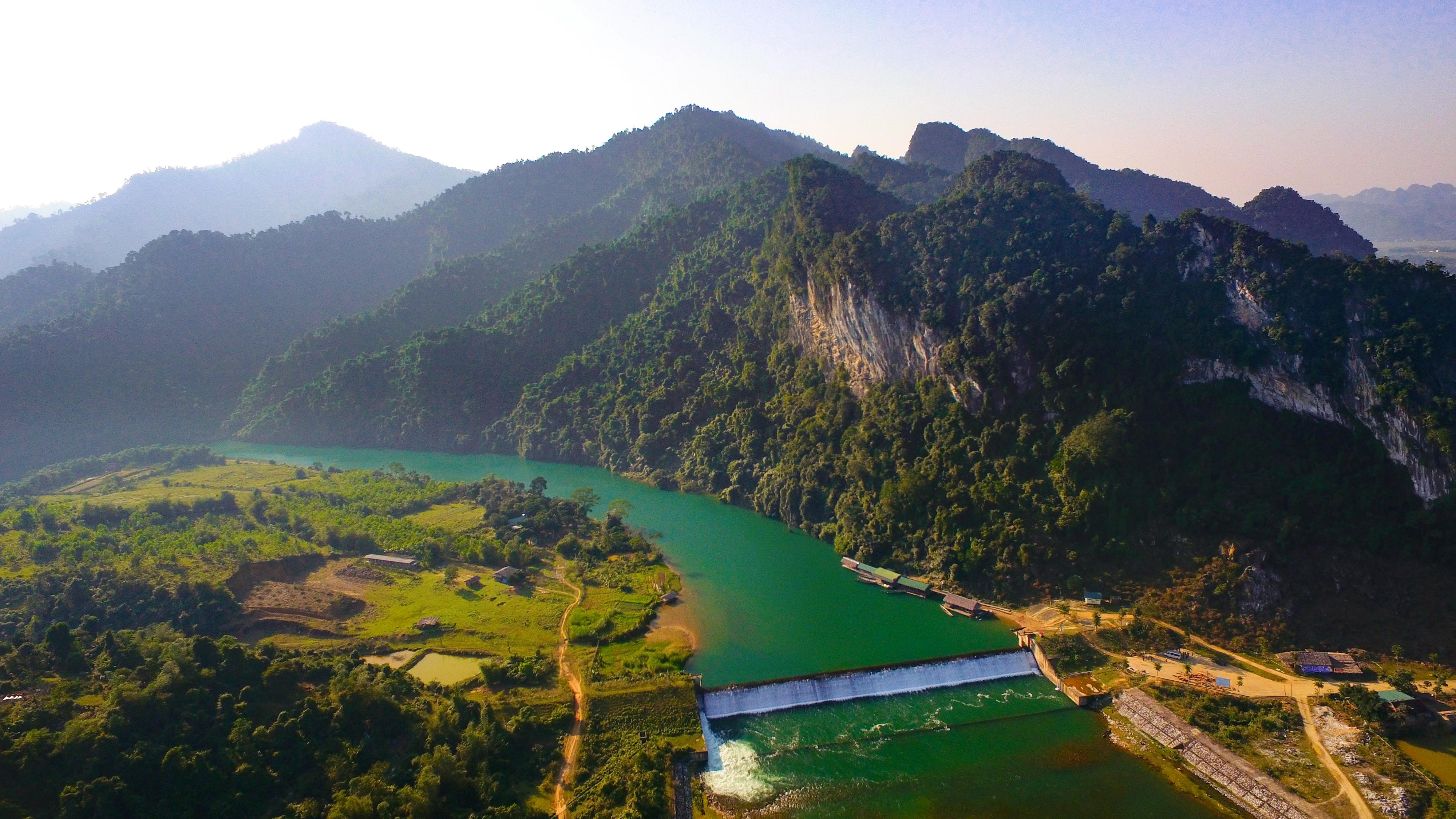 |
| The Giang River - Pha Lai Dam (Con Cuong) - an attractive ecotourism destination with adventurous activities and local specialties that reflect the flavors of the mountains and forests. Photo: Sach Nguyen |
Regarding agricultural and rural tourism: Gradually coordinate the development of agro-tourism products associated with high-tech and clean agricultural models, the Sao River lake in Nghia Dan, orange farms (Quy Hop), medicinal rice production and fruit tree planting projects at Ve Vung lake (Yen Thanh), Cau Cau tea island (Thanh Chuong), sheep farms (Dien Chau), seafood processing (Cua Lo)... along with rural landscapes and new rural cultural spaces.
Regarding MICE tourism, the plan is to develop Vinh city into a conference and seminar tourism center for the province and the region, based on attracting investment in eco-tourism projects along the Lam River, entertainment areas, and high-end hotels, while preserving and promoting the value of typical historical relics such as Vinh ancient citadel, Quang Trung Temple, Hoang Muoi Temple, Hong Son Temple, Can Linh Pagoda, and museums to serve the needs of tourists visiting Nghe An; and to continue expanding the Vinh riverside tourism route.
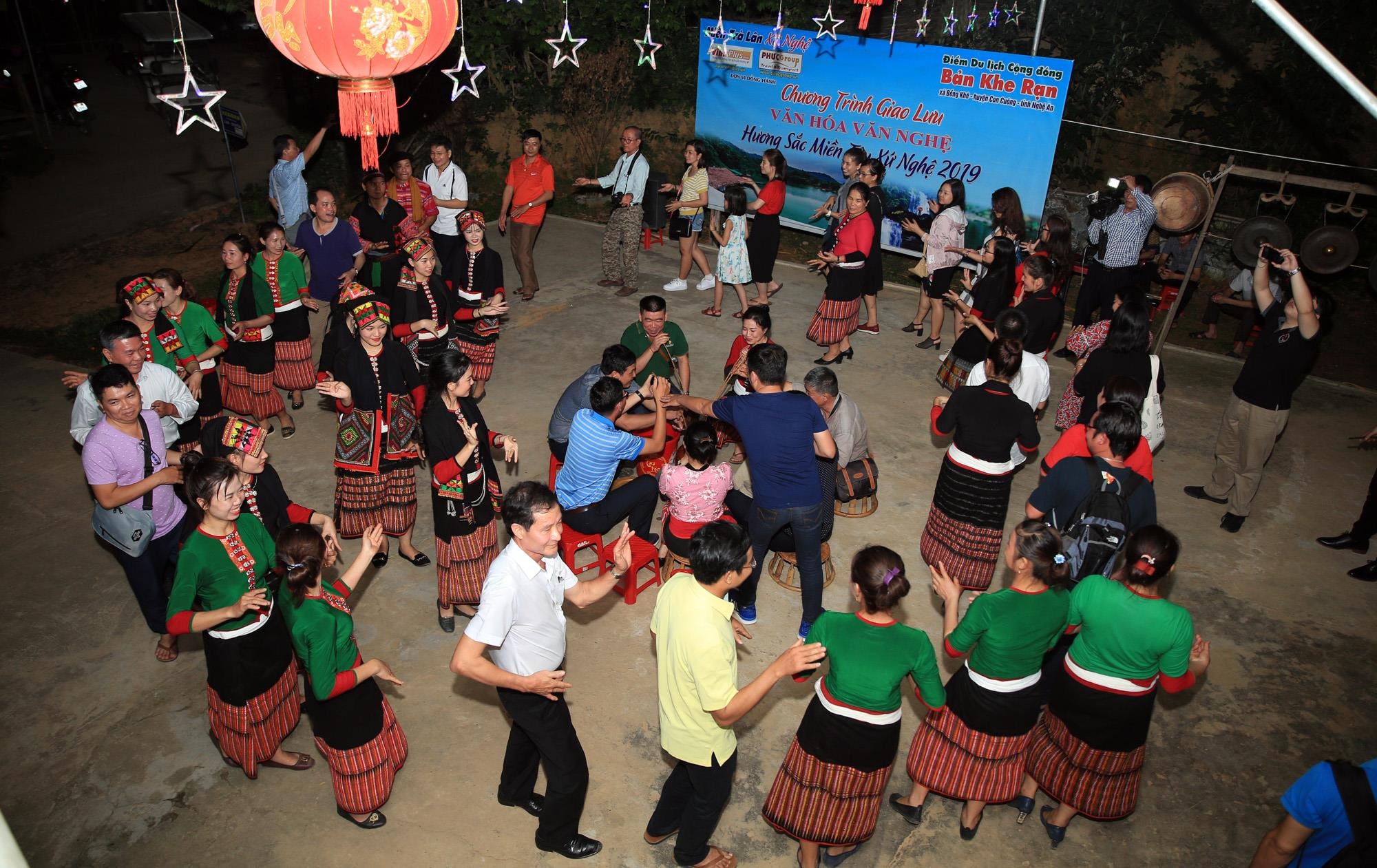 |
| Community-based tourism is a strength of the western districts of Nghe An province. Photo: Ho Phuong |
Regarding ecotourism linked to community culture, accelerate the progress of projects such as the Cau Cau mixed-use tourism and resort area, Pha Lai ecotourism area, Tam Dinh Săng Lẻ forest ecotourism area, Khe Kèm waterfall, Sao Va waterfall, Seven-tiered waterfall, etc., while promoting the development of hiking, mountain climbing, river and lake tourism, and tourism focused on exploring and experiencing the community culture of ethnic villages in Con Cuông, Tương Dương, Tân Kỳ, Quỳ Châu, and Quế Phong.
Developing distinctive products bearing the Nghe An brand.
Develop distinctive tourism products bearing the Nghe An brand based on the advantages of its outstanding natural and cultural tourism resources. In particular, plan and invest in the construction of the Kim Lien National Tourist Area as a nationally recognized tourism product with outstanding historical and cultural value, unique characteristics, and a distinct identity of Nghe An province.
In the immediate future, the focus should be on accelerating the construction of the Chung Son Temple and the Chung Mountain Cultural and Ecological Tourism Area, while simultaneously attracting investment to develop cultural and spiritual tourism at historical sites in Nam Dan and surrounding areas such as: the temple and tomb of King Mai, the Phan Boi Chau Memorial Area, Dai Tue Pagoda, the Truong Bon Historical Site (Do Luong), the General Secretary Le Hong Phong Memorial Area and the Soviet Martyrs Memorial in Nghe Tinh, and the Hoang Muoi Temple (Hung Nguyen).
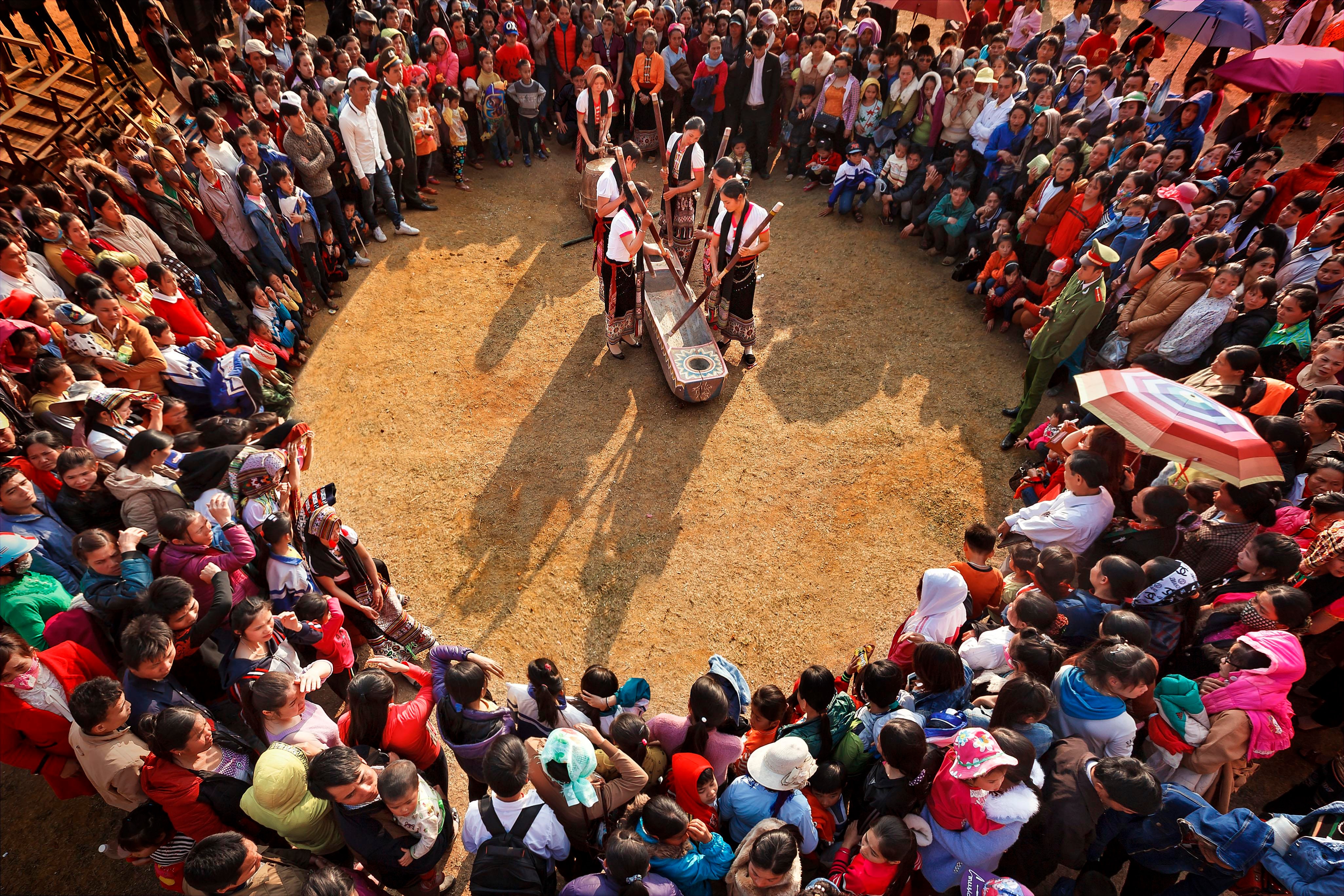 |
| The early year festivals attract thousands of tourists who come to explore and experience them. Photo: Canh Hung |
The plan involves gradually building a model of performance venues for folk songs and dances, tourist attractions, traditional craft villages, fruit orchards, and cultural heritage spaces of the ancient village of Khánh Sơn… to connect them into an attractive cultural, historical, and spiritual tourism route.
Strengthen the linkages between tourism routes within and outside the province. Connect the Kim Lien historical site with the system of historical sites in Nam Dan district such as the King Mai temple, Dai Tue pagoda, Phan Boi Chau memorial house, Hoanh Son communal house, Duc Son pagoda... to create attractive tourist tours; link Nam Dan tourism with the tourist route along National Highway 15A to the Truong Bon historical site (Do Luong), Cau Cau Tea Island (Thanh Chuong), Milestone No. 0 (Tan Ky)... and the tourist route along National Highway 7 to Con Cuong, Tuong Duong, Ky Son to explore the natural landscape, forest ecosystem and community culture of ethnic villages.
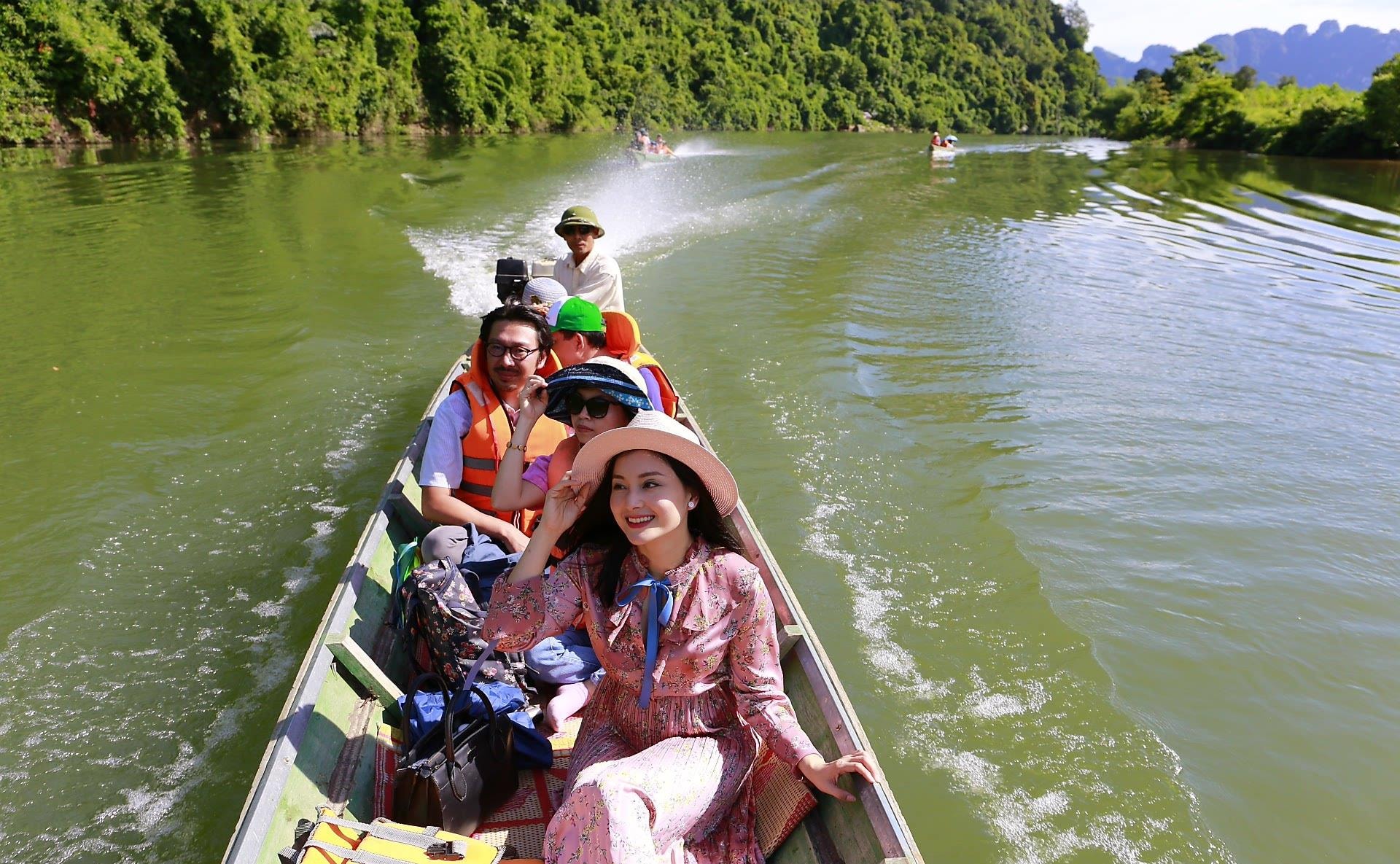 |
| Cruising on the Giang River. Photo: Lan Phuong |
Linking key tourist destinations in Vinh - Cua Lo - Nam Dan into an intra-provincial tourism route with diverse sightseeing programs to extend the length of stay for tourists in Nghe An, especially the Lam River tourism route; gradually expanding the inland waterway tourism route from Cua Lo - Ngu Island to Mat Island; promoting the exploitation of the Vinh, Cua Lo to Quy Chau, Que Phong tourism route along National Highway 48, connecting with coastal tourist destinations in Dien Chau, Quynh Luu, Hoang Mai and the Muong Thanh Dien Lam Eco-tourism Area, TH Milk Factory and Sunflower Field (Nghia Dan), Ve Vung Lake, Duc Hoang Temple (Yen Thanh).
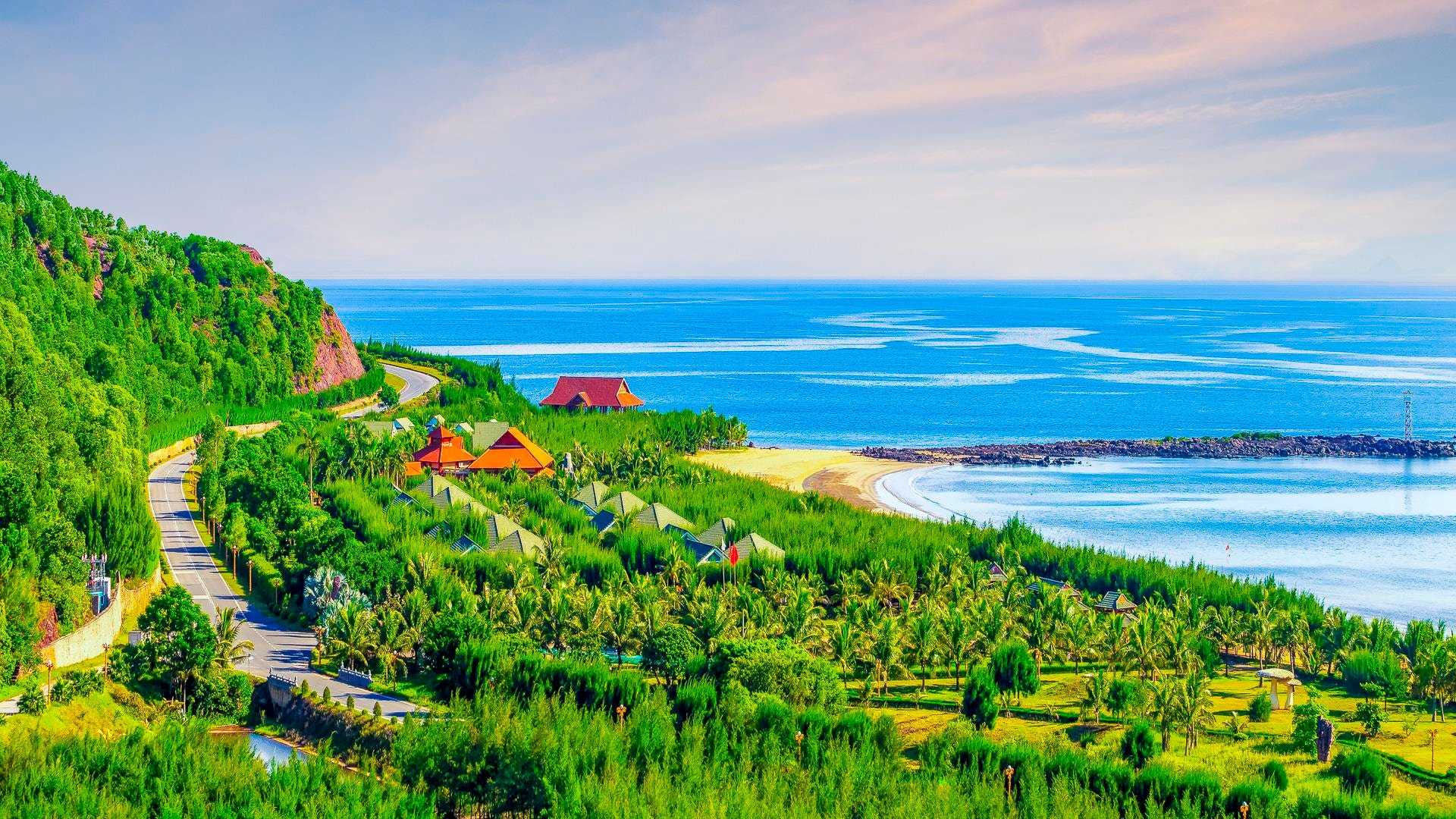 |
| The Bai Lu eco-tourism and resort area has been invested in and developed to a high standard. Photo: Nguyen Canh Hung |
Actively and proactively implement cooperation and linkage programs to develop tourism in the North Central region and with provinces, cities, and tourism centers such as Hanoi, Ho Chi Minh City, Hue, Da Nang, Lam Dong, Khanh Hoa, Quang Ninh, Hai Phong, the Northwest region, the Central Highlands... as well as strong tourism corporations and businesses nationwide such as Saigontourist, Vietravel, thereby integrating Nghe An into a chain of inter-provincial and inter-regional tourism products to attract tourists, especially themed tours: Central Vietnam Heritage Route, Truong Son Road, Ancient Vietnamese Capitals Route, and Heritage Tourism. Continue to link and exploit international tourism routes by road and air with Laos, Thailand and other ASEAN countries, China and Northeast Asia.


