
-
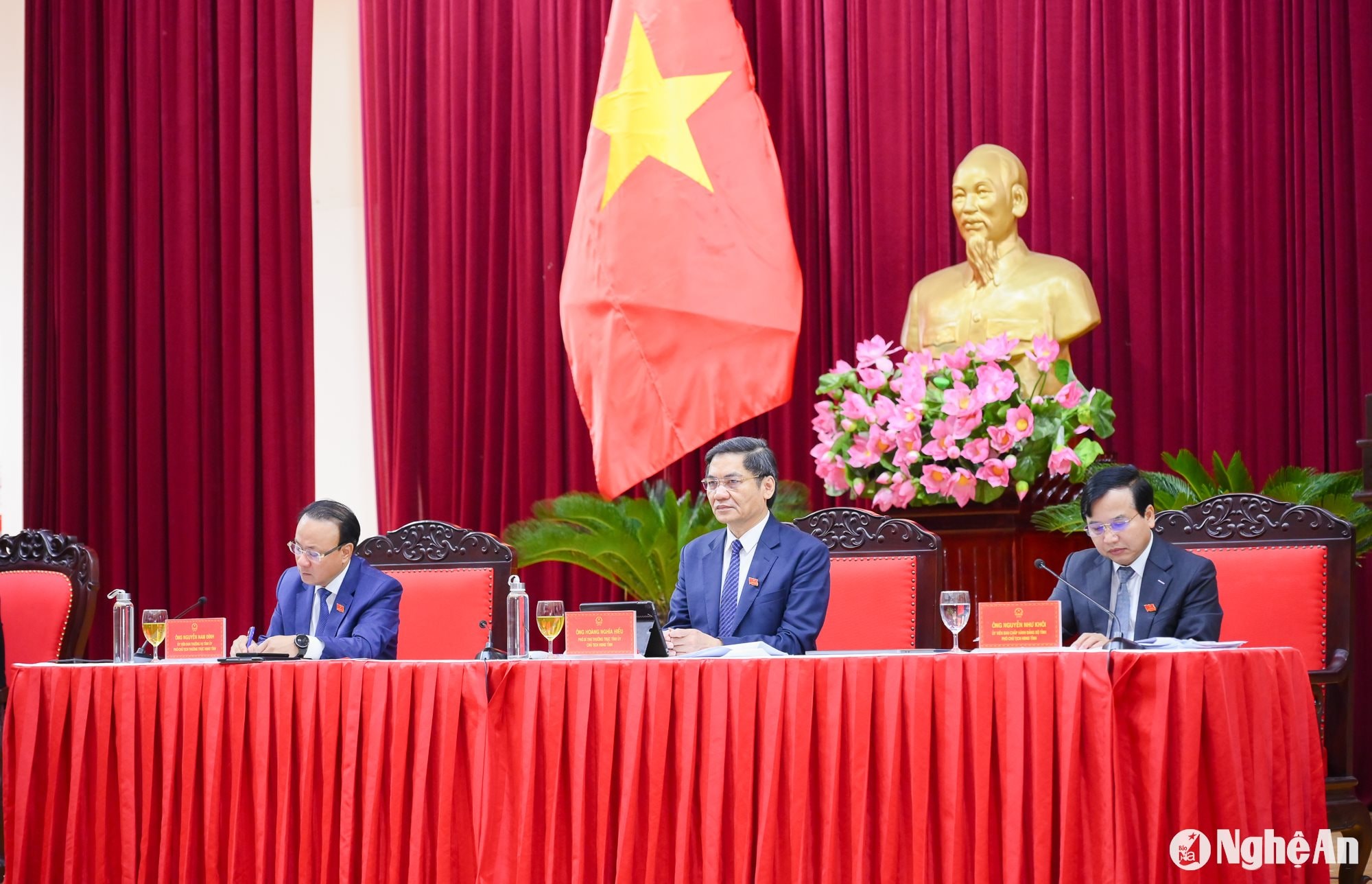
December 6, 2024 07:28 Questioning session at the 25th meeting of the 18th term of the Nghe An Provincial People's Council.
On the morning of December 6th, the 25th session of the 18th term of the Nghe An Provincial People's Council held a question-and-answer session.
On the morning of December 6th, the 25th session of the 18th term of the Nghe An Provincial People's Council held a question-and-answer session.

The leaders of Nghe An province attending the session included: Nguyen Duc Trung - Secretary of the Provincial Party Committee, Chairman of the Provincial People's Committee; Nguyen Van Thong - former Standing Deputy Secretary of the Provincial Party Committee, member of the Provincial People's Council; Vo Thi Minh Sinh - Member of the Standing Committee of the Provincial Party Committee, Chairman of the Vietnam Fatherland Front Committee of the province; and other members of the Standing Committee of the Provincial Party Committee, the Provincial Party Committee, Vice Chairmen of the Provincial People's Council and People's Committee, and Deputy Heads of the Provincial National Assembly Delegation.
Comrades Hoang Nghia Hieu - Standing Deputy Secretary of the Provincial Party Committee, Chairman of the Provincial People's Council; Nguyen Nam Dinh - Member of the Standing Committee of the Provincial Party Committee, Standing Vice Chairman of the Provincial People's Council; and Nguyen Nhu Khoi - Member of the Provincial Party Committee, Vice Chairman of the Provincial People's Council presided over the session.
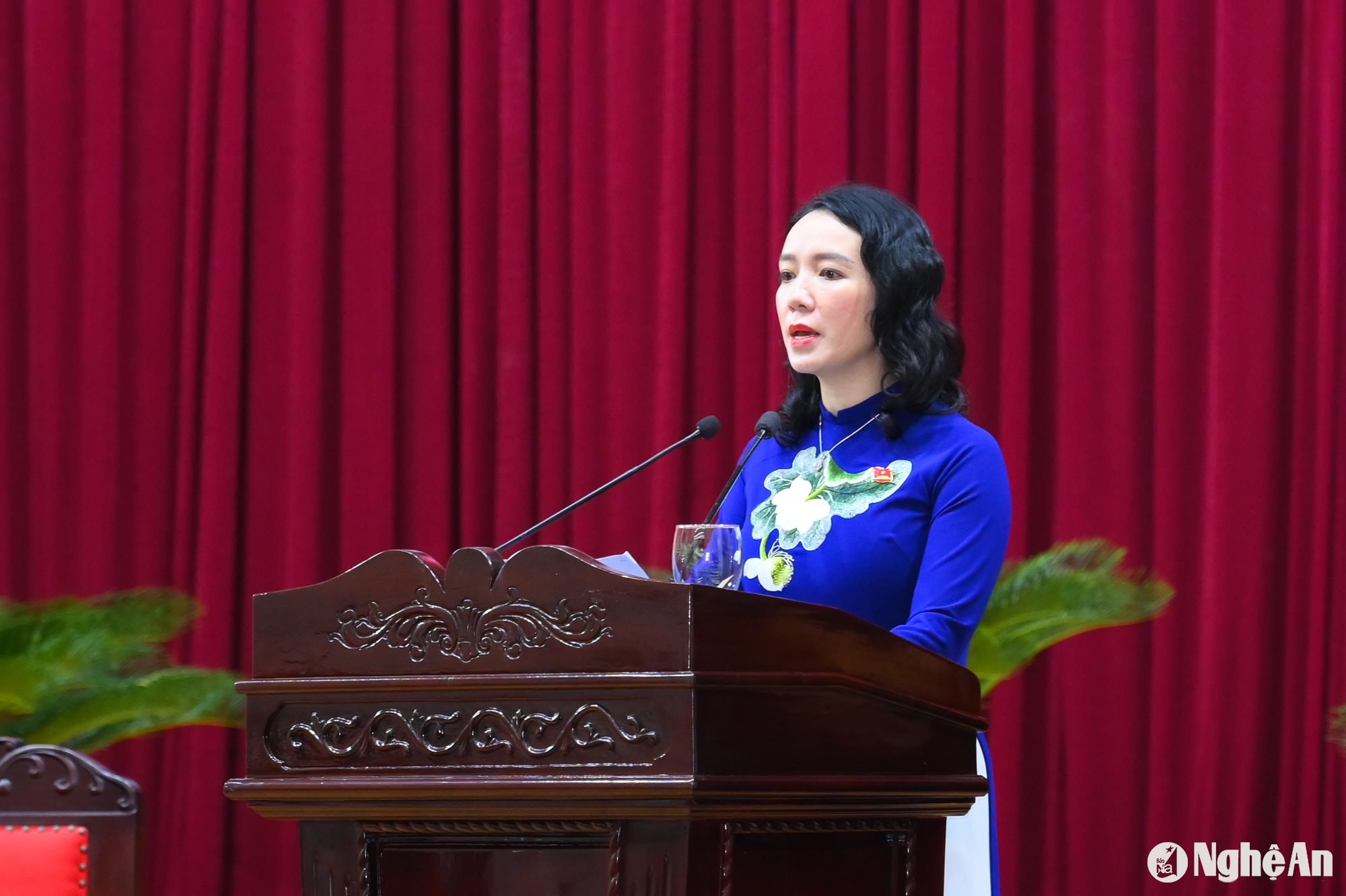
The Nghe An Provincial People's Council conducted a questioning session on issues related to solutions for achieving targets and improving the quality of cultural villages, hamlets, and neighborhoods; and the percentage of communes, wards, and towns with cultural and sports facilities that meet the prescribed criteria and targets.
Within the scope of the Culture sector's management, the Provincial People's Council also conducted questioning on the management of outdoor advertising activities; the construction of a cultural environment associated with building, perfecting, and promoting the identity of the people of Nghe An; and the development of the cultural industry in the province.
The percentage of cultural villages, hamlets, and neighborhoods, and the percentage of communes, wards, and towns with cultural and sports facilities meeting the criteria prescribed by the Ministry of Culture, Sports and Tourism, are 2 out of 21 key indicators for socio-economic development over the 5-year period 2021-2025, which Nghe An province included in the Provincial People's Council Resolution from the beginning of the term.
As of now, the percentage of cultural villages, hamlets, and neighborhoods in Nghe An has reached 69.8% (target for the term: 71-73%), and 79.3% of communes, wards, and towns have cultural and sports facilities that meet the criteria set by the Ministry of Culture, Sports and Tourism (target for the term: 82%).
Data from the Department of Culture and Sports shows that, to date, 15 out of 460 commune-level units in the province still lack cultural centers. Of the 445 localities that have cultural centers, 403 meet the standards set by the Ministry.
In addition, there are still 22 localities that do not have sports facilities; of the remaining 438 localities that have sports facilities, 394 communes, wards, and towns have sports facilities that meet the standards prescribed by the Ministry.
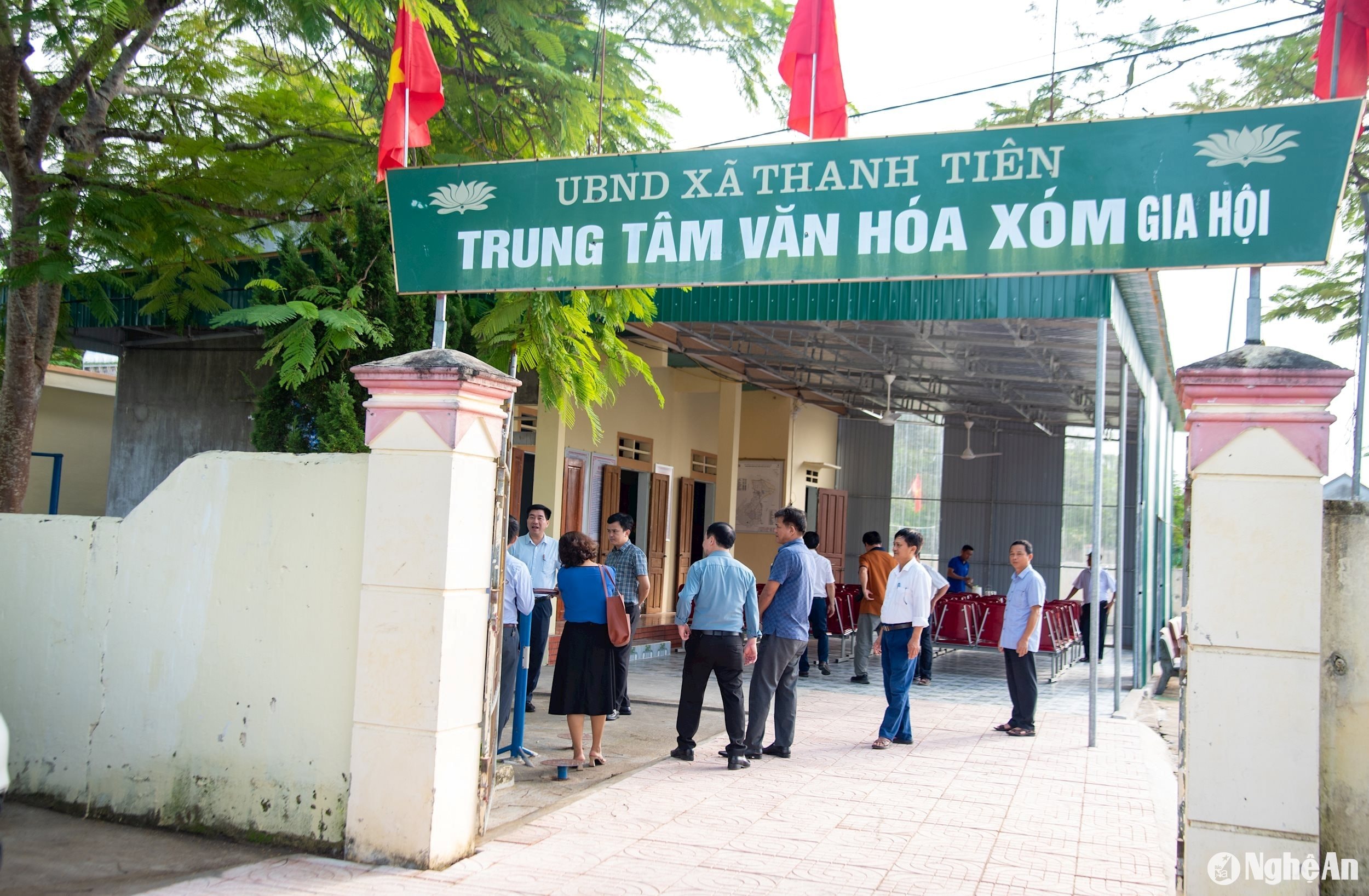
The entire province has 222 exemplary cultural models recognized at the provincial level, 4,025 amateur performing arts groups; 737,186 out of 851,151 families have been recognized as "Culturally Advanced Families" (reaching 87%); 446 out of 460 communes, wards, and towns, and 3,516 out of 3,804 residential areas have met the "Safe in terms of security and order" standard; 1,767 agencies, units, and businesses have achieved cultural standards, and 787 clans have been recognized as "Culturally Advanced Clans".
Besides the numerous achievements, the development of cultural life in residential areas is currently facing challenges.certain difficulties.
According to the Department of Culture and Sports, many cultural facilities in some localities are dilapidated, small in scale, and lack operational equipment; socio-economic conditions in many localities are still difficult, so mobilizing resources to contribute to the construction of grassroots cultural and sports facilities is limited, especially in mountainous areas inhabited by ethnic minorities and areas after mergers.
The level of enthusiasm, initiative, and voluntariness of some people in participating in the movement for national unity in building a cultured life, associated with building a cultural environment at the grassroots level, is still low in some areas.
In some localities, the situation regarding crime, social evils, domestic violence, school violence, child abuse, environmental pollution, etc., has not yet been resolved; issues of morality, lifestyle, and way of life still show unhealthy manifestations.
Nghe An province has approved the plan for the outdoor advertising and propaganda system in the province for the period 2016-2025 and issued regulations on the construction and installation of outdoor advertising and propaganda facilities.
According to statistics, there are currently more than 90 advertising businesses and establishments in the province; their operations are mainly concentrated in Vinh City and along National Highway 1A, as well as in densely populated areas of towns and cities.
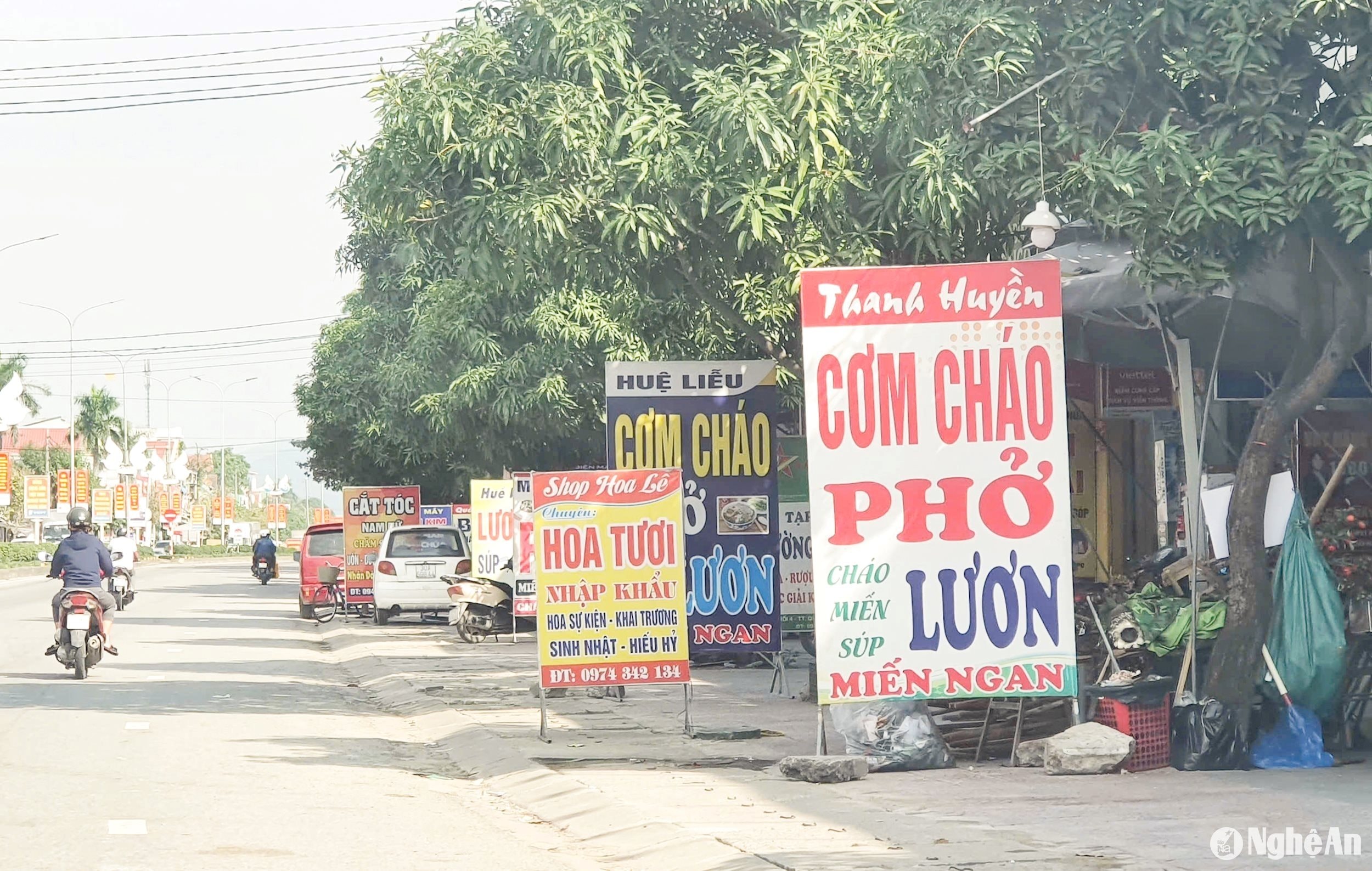
However, this activity has highlighted shortcomings that have been reflected upon by many voters and the public, such as:The failure to remove expired advertising signs is causing a loss of urban aesthetics.; advertising that violates planning regulations; classified ads written or drawn on fences, utility poles, etc.
However, authorities are facing difficulties in dealing with advertising units in other provinces that fail to remove their advertising materials after the deadline; advertising using sound in urban areas on mobile vehicles such as motorcycles and bicycles in alleyways; installing signs and billboards in front of business establishments; and posting classified ads...
Nghe An province has implemented the Strategy for the Development of Vietnam's Cultural Industries until 2020, with a vision to 2030, in order to exploit economic potential, promote national identity, foster creativity and innovation; and create momentum for the socio-economic development of the province.
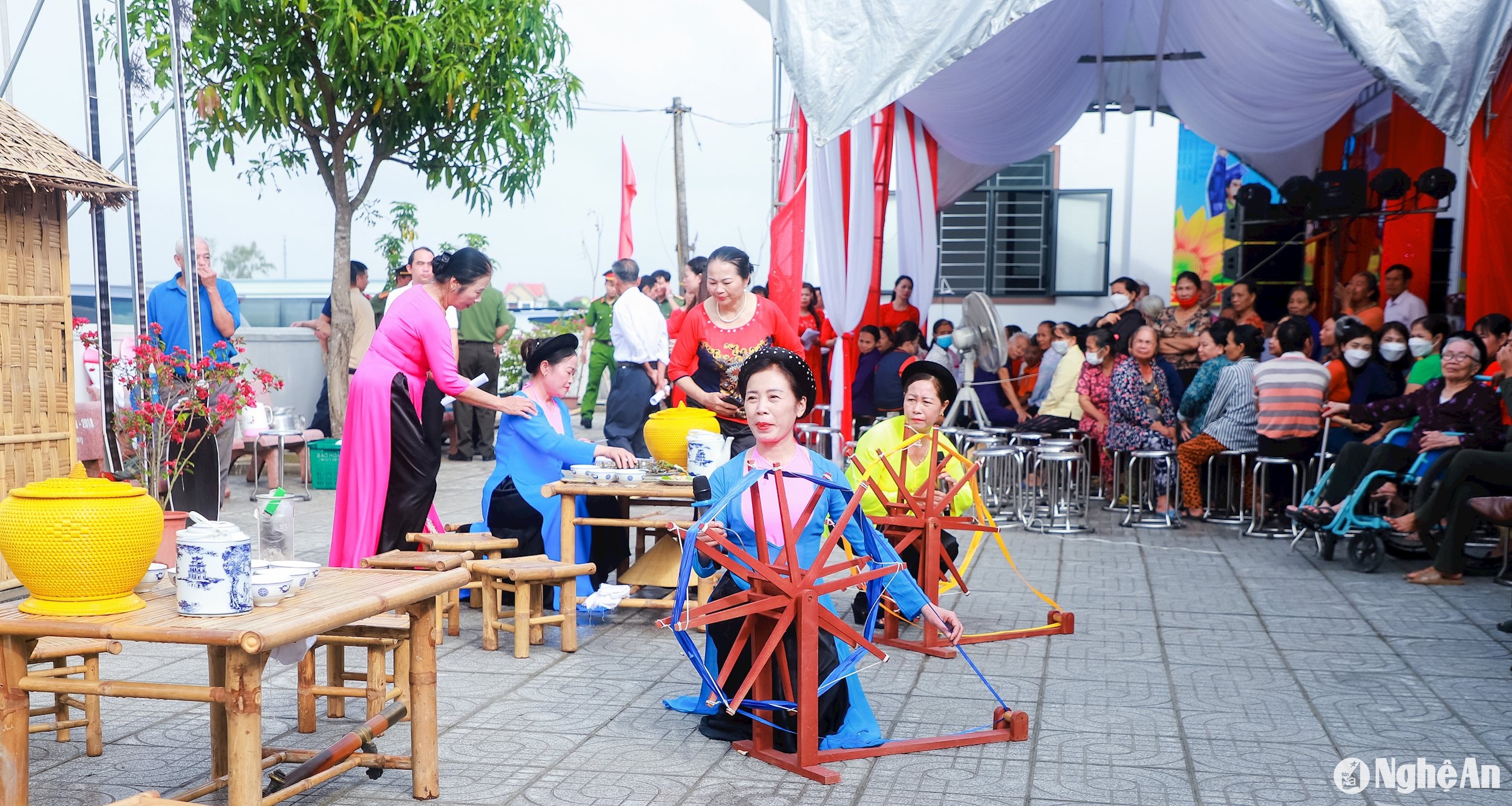
Accordingly, the province focuses on implementing activities related to cultural tourism (encouraging the development of various forms of cultural tourism; improving infrastructure and facilities for tourism service businesses; widely promoting cultural tourism products); and simultaneously implementing many contents in the fields of: film; performing arts; fine arts, photography and exhibitions; and advertising.
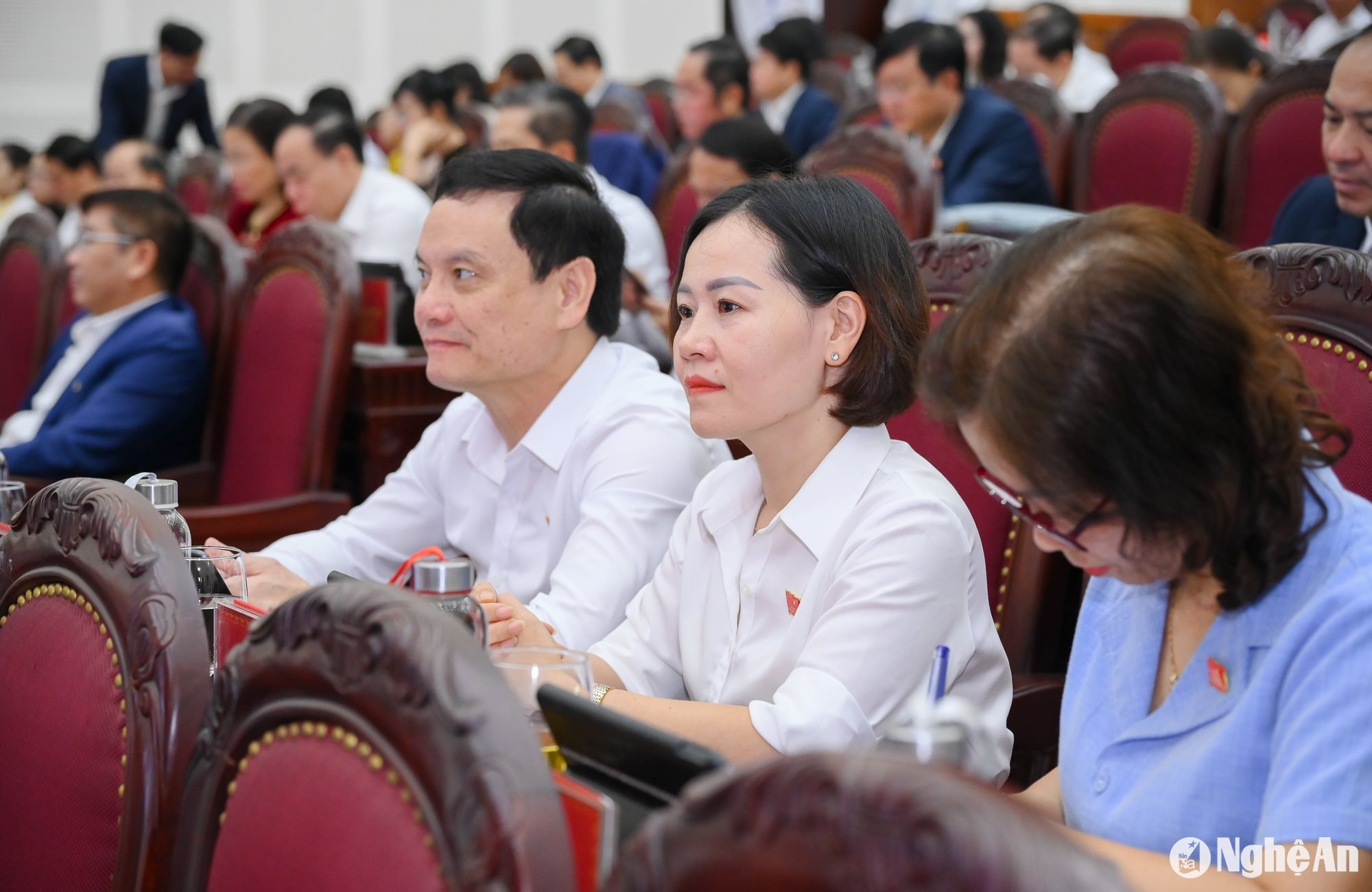
However, according to the Nghe An Department of Culture and Sports: The environment for developing the province's cultural industry strategy remains challenging due to a lack of business management skills, inadequacies in creative education, and connections between networks. In particular, the province lacks appropriate mechanisms and policies to develop cultural industries.
Based on the above situation, on the morning of December 6th, the Provincial People's Council questioned the Director of the Department of Culture and Sports on three related issues, aiming to achieve the two important goals mentioned above with only a little over a year left until the end of the 2021-2025 five-year socio-economic development plan; as well as solutions to address shortcomings in outdoor advertising activities and mechanisms and policies to promote the cultural industry.
The Provincial People's Council also conducted questioning and answering sessions on issues related to the implementation of the autonomy mechanism in public hospitals in the province; the situation of supplying medicines and medical examination and treatment services covered by health insurance for insured patients, especially those with serious illnesses and poor patients, ethnic minorities, and mountainous areas; and the implementation of targets on combating child malnutrition in the province during the 2021-2025 period.
Reporting to the Provincial People's Council, Ms. Le Thi Hoai Chung - Director of the Department of Health - stated that currently, the sector has 1 unit that is fully self-sufficient in covering both recurrent and investment expenditures (Group I); 18 units that are fully self-sufficient in covering recurrent expenditures (Group II); 18 units that are partially self-sufficient in covering recurrent expenditures (Group III); and 9 units whose recurrent expenditures are fully covered by the State.
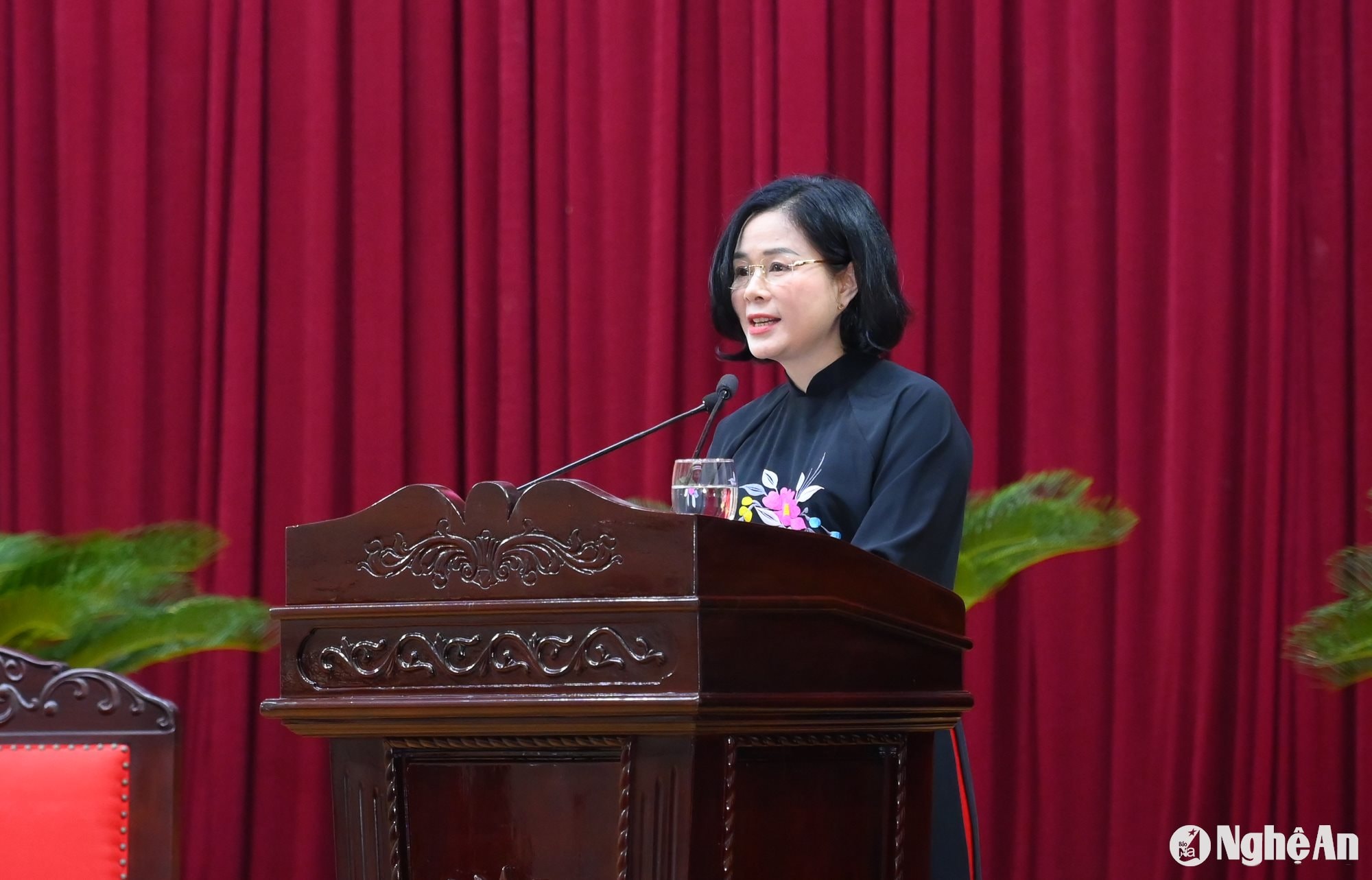
Many hospitals have shifted from a "service-oriented" mindset to a "service-providing" mindset, gradually improving patient satisfaction. Implementing autonomy has helped reduce annual budget expenditures for 8,978 officials and employees, amounting to approximately 1 trillion VND in 2023.
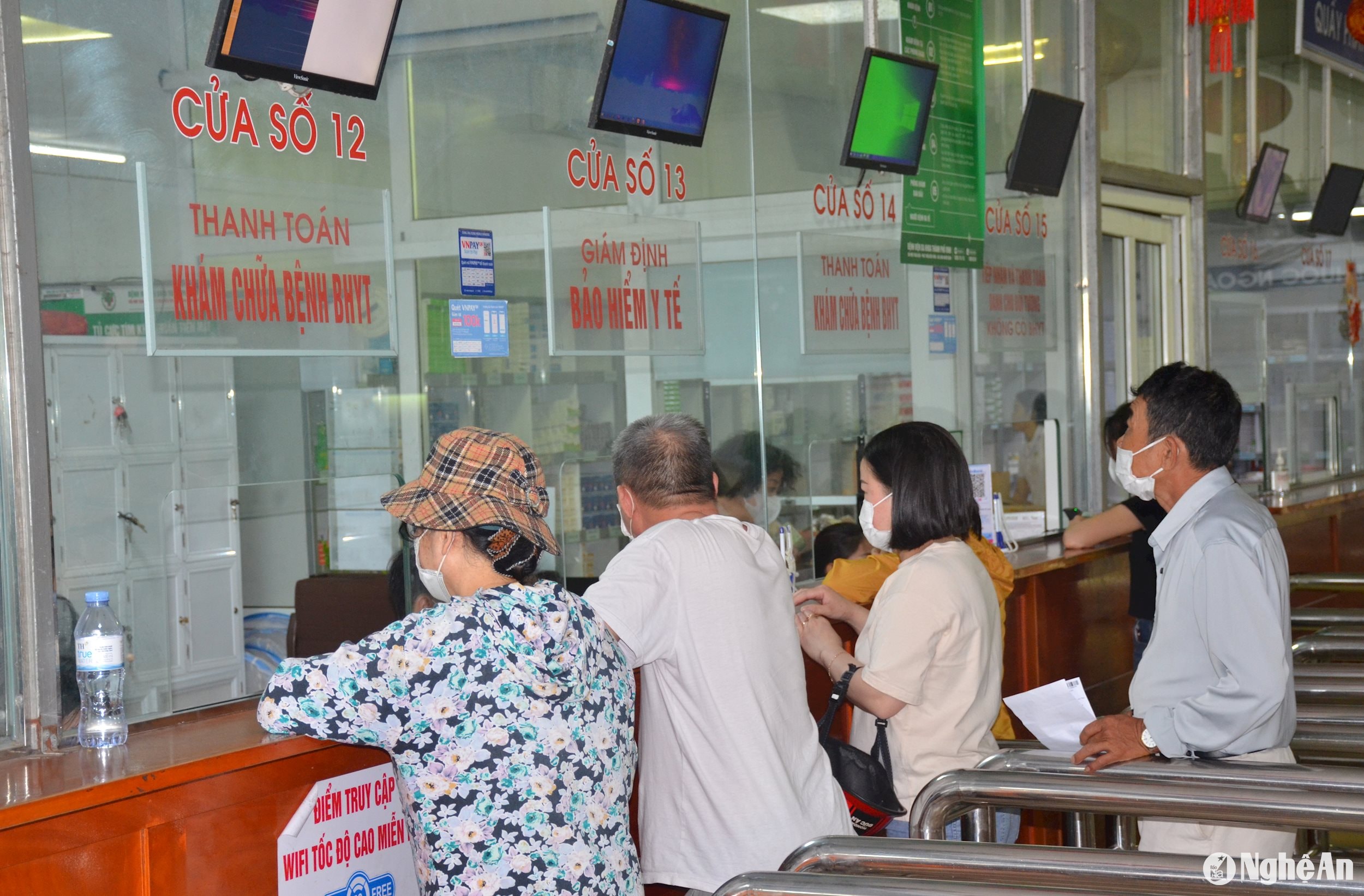
The provision of health insurance-covered medical examination and treatment services for insured patients, especially those with serious illnesses, the poor, and those in ethnic minority and mountainous regions, continues to receive attention and is gradually meeting the needs of patients.
The province has over 531 health insurance-covered medical examination and treatment facilities across all levels. In the Northwest and Southwest regions, there are two provincial-level general hospitals providing many essential medical services for people in mountainous areas.
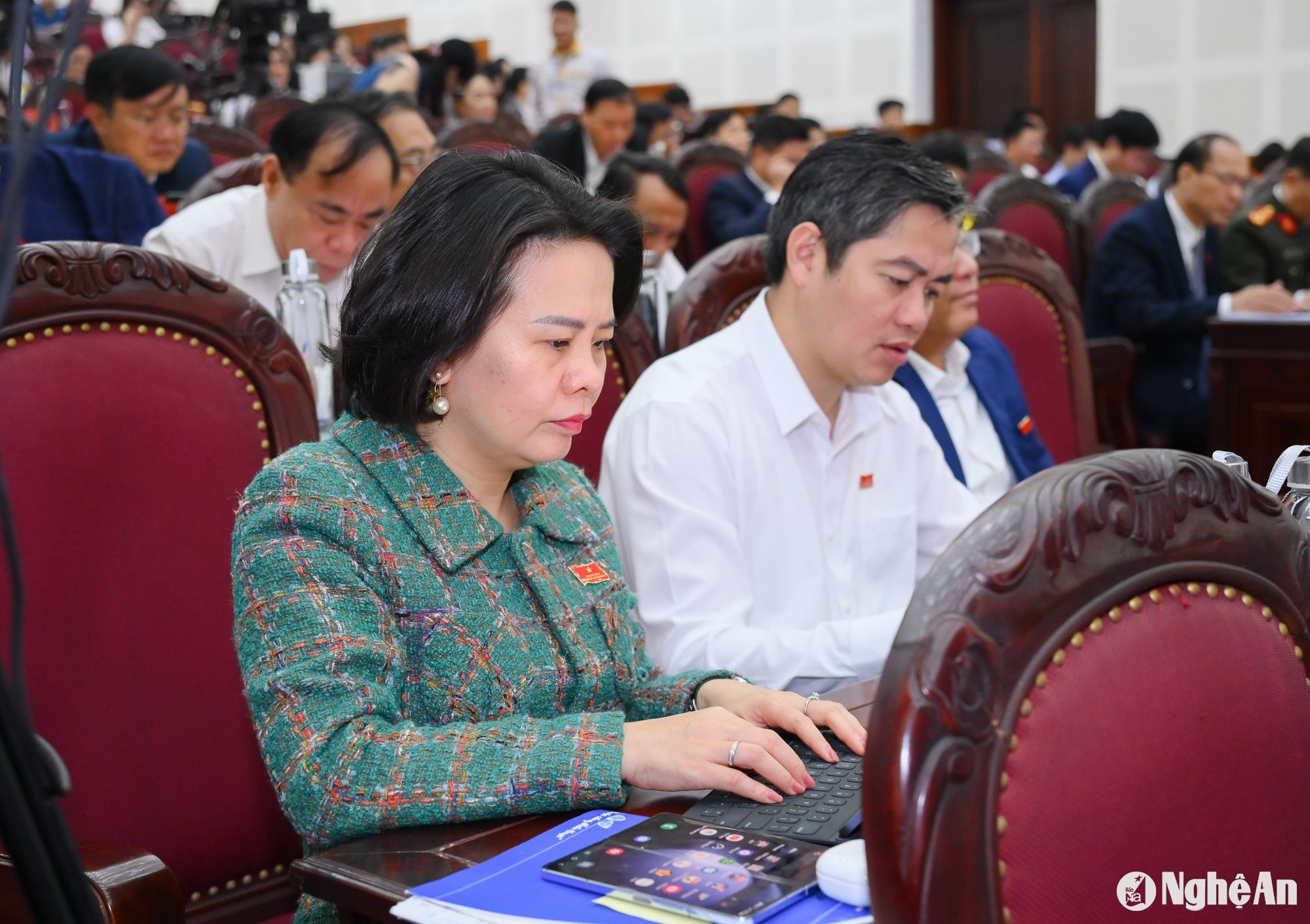
In 2024 (up to November 2024), there were over 5.3 million medical examinations and treatments covered by health insurance. The cost for medical examinations and treatments exceeded 5,330 billion VND, of which health insurance covered nearly 4,817 billion VND. At 10 medical facilities in mountainous areas, the cost of technical services accounted for up to 48% of the total cost.
The health sector has been proactive in implementing bidding and procurement activities to ensure sufficient medicine for the people. Health units have closely followed regulations and proactively planned, allocated funds, and organized bidding for procurement.
In the first nine months of 2024, healthcare facilities used 6,447 items with a total drug value of approximately 928 billion VND. The bidding success rate reached over 75%, basically meeting the needs of medical examination and treatment for the people.
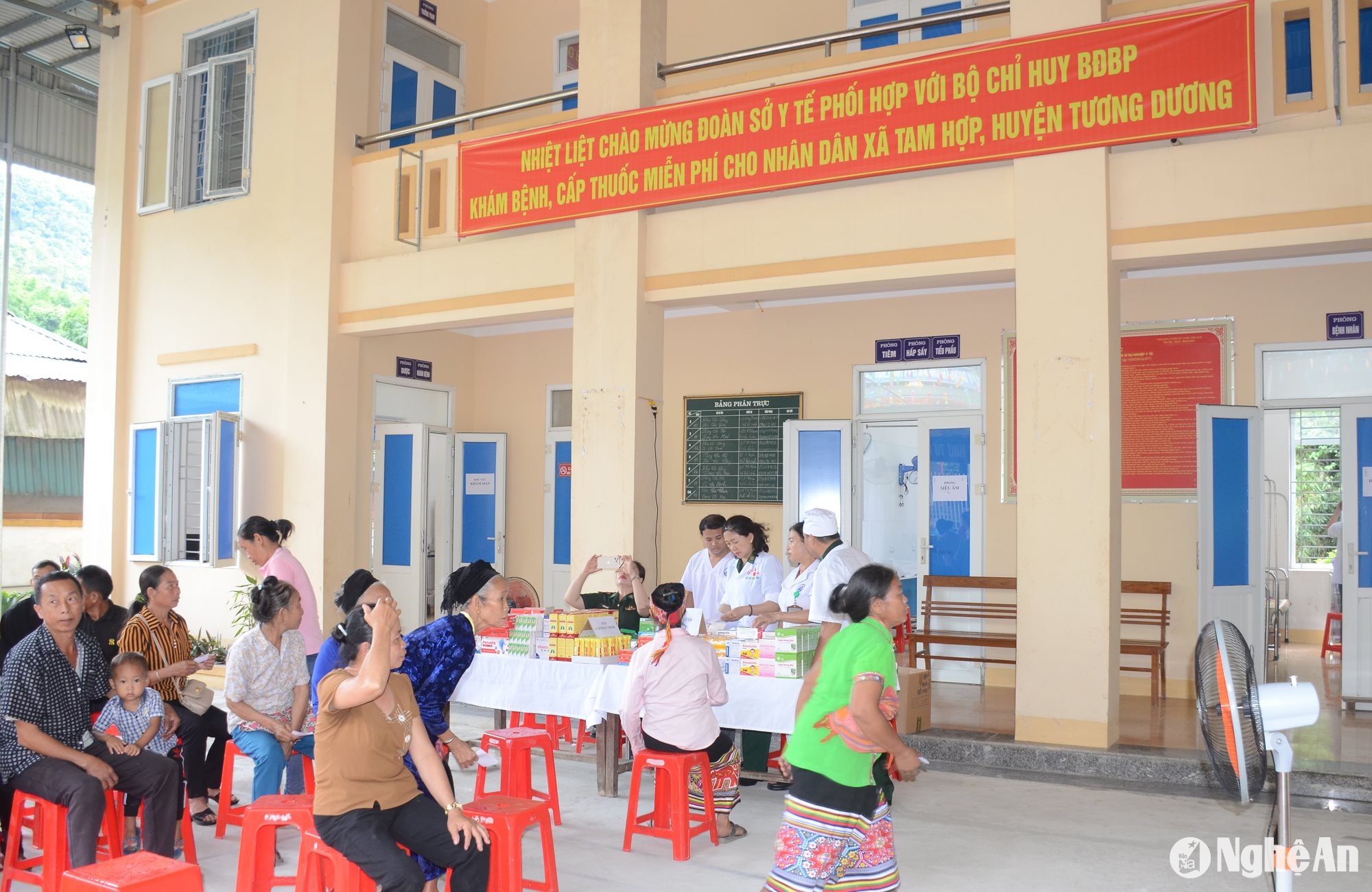
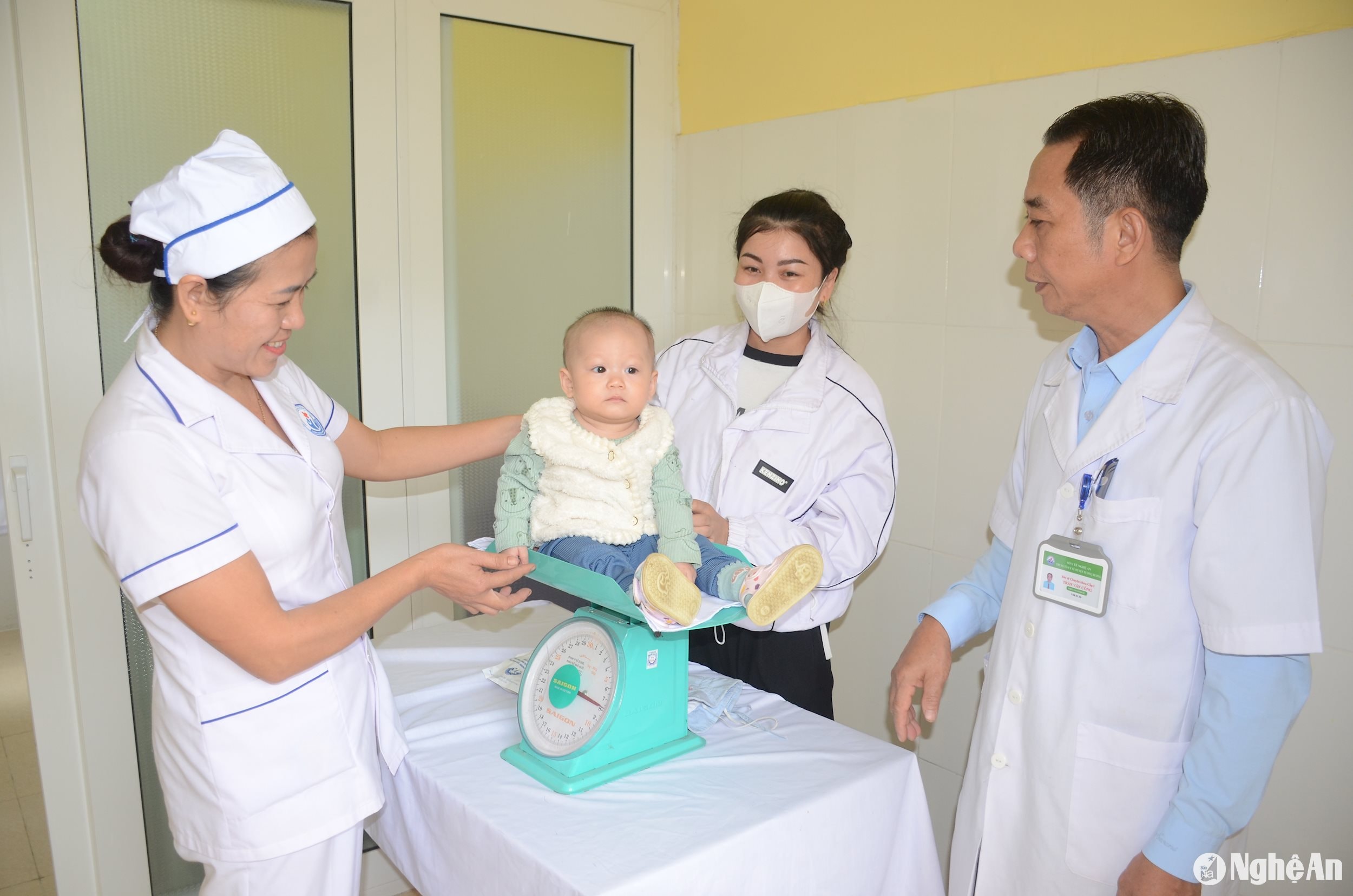
In addition, the health sector has actively implemented comprehensive solutions to improve nutrition. The annual rate of child malnutrition has been gradually decreasing according to plan.
Specifically, the rate of underweight malnutrition decreased from 15.2% in 2021 to 13.9% in 2023, and is projected to be 13.0% in 2024, meeting the target set by the Provincial People's Council.
Besides the achievements, Director of the Department of Health Le Thi Hoai Chung acknowledged that the work of medical examination and treatment still faces certain difficulties and challenges.
The supply of medicines and medical supplies for examination and treatment at some healthcare facilities is still insufficient, affecting medical examination and treatment and the rights of patients.
Some medical facilities in mountainous areas have not yet implemented many advanced techniques. Many units still lack personnel, infrastructure, and high-tech medical equipment. Overcrowding continues to occur in some provincial and district-level hospitals.
Some leaders lack dynamism, creativity, and experience in management, while the unit has to implement a financial autonomy mechanism, leading to low efficiency in task implementation and affecting the provision of medical examination and treatment for the people.
Although the rate of malnutrition has decreased, it remains higher than the national average, especially the rate of stunting.
According to Ms. Le Thi Hoai Chung, the health sector is currently facing a number of difficulties and challenges. The consequences and repercussions of the Covid-19 pandemic are still affecting medical examination and treatment, such as: the supply chain of medicines, medical supplies, chemicals, and medical equipment has been disrupted, affecting procurement and bidding results...
Changes in mechanisms and policies have also caused some difficulties and obstacles, especially in the bidding process for medicines and equipment, and in health insurance payments.
Medical examination and treatment service prices are not calculated accurately or comprehensively; the basic salary has increased, but service prices have not been adjusted in a timely manner. Health insurance settlements are still slow. Since implementing autonomy, the budget allocated to healthcare has decreased significantly…
While healthcare facilities must simultaneously fulfill two tasks: implementing autonomous management mechanisms and ensuring social welfare in the provision of medical services, this poses significant challenges for these facilities.
Nghe An is a province that started with a high rate of malnutrition, difficult economic conditions, and some localities have not fully recognized the importance of nutrition, leading to limited investment in this field.


Governing body: Nghe An Provincial Party Committee
Director: Tran Minh Ngoc
Electronic newspaper operating license number: 153/GP-BTTTT
Issued by the Ministry of Information and Communications on March 24, 2022
