
Vegetables flooded due to heavy rains; farmers in Nghe An rush to harvest to escape the waterlogging.
From the night of August 16th to the morning of August 17th, heavy and prolonged rainfall submerged hundreds of hectares of vegetable crops in Nghe An province. Facing the risk of damage, people were forced to mobilize manpower to harvest early in order to salvage their investment.
Vegetable crops were submerged after the heavy rain.
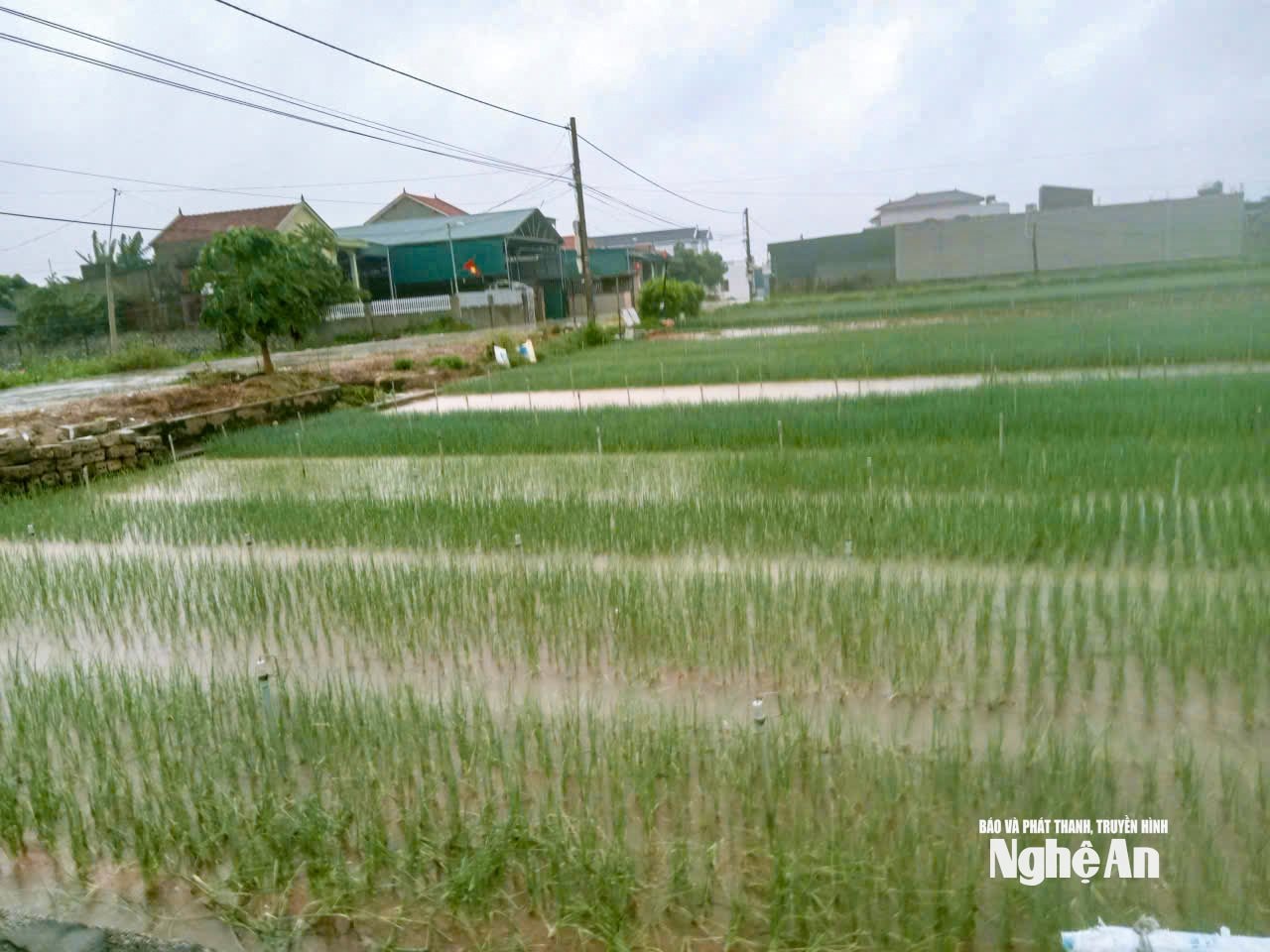
On the night of August 16th, heavy rain lasting for many hours caused localized flooding in the vegetable growing areas of Quynh Anh commune, Quynh Luu district. The once lush green fields of spring onions, cabbage, and spinach were submerged in murky water. The plants' leaves softened, their roots began to rot, and there was a risk of widespread damage and death.
The vegetable-growing areas in Quynh Anh, the province's largest vegetable-growing region, have been severely affected. According to local authorities, the main reason is that many drainage ditches have been silted up, obstructing the flow and slowing down water drainage.
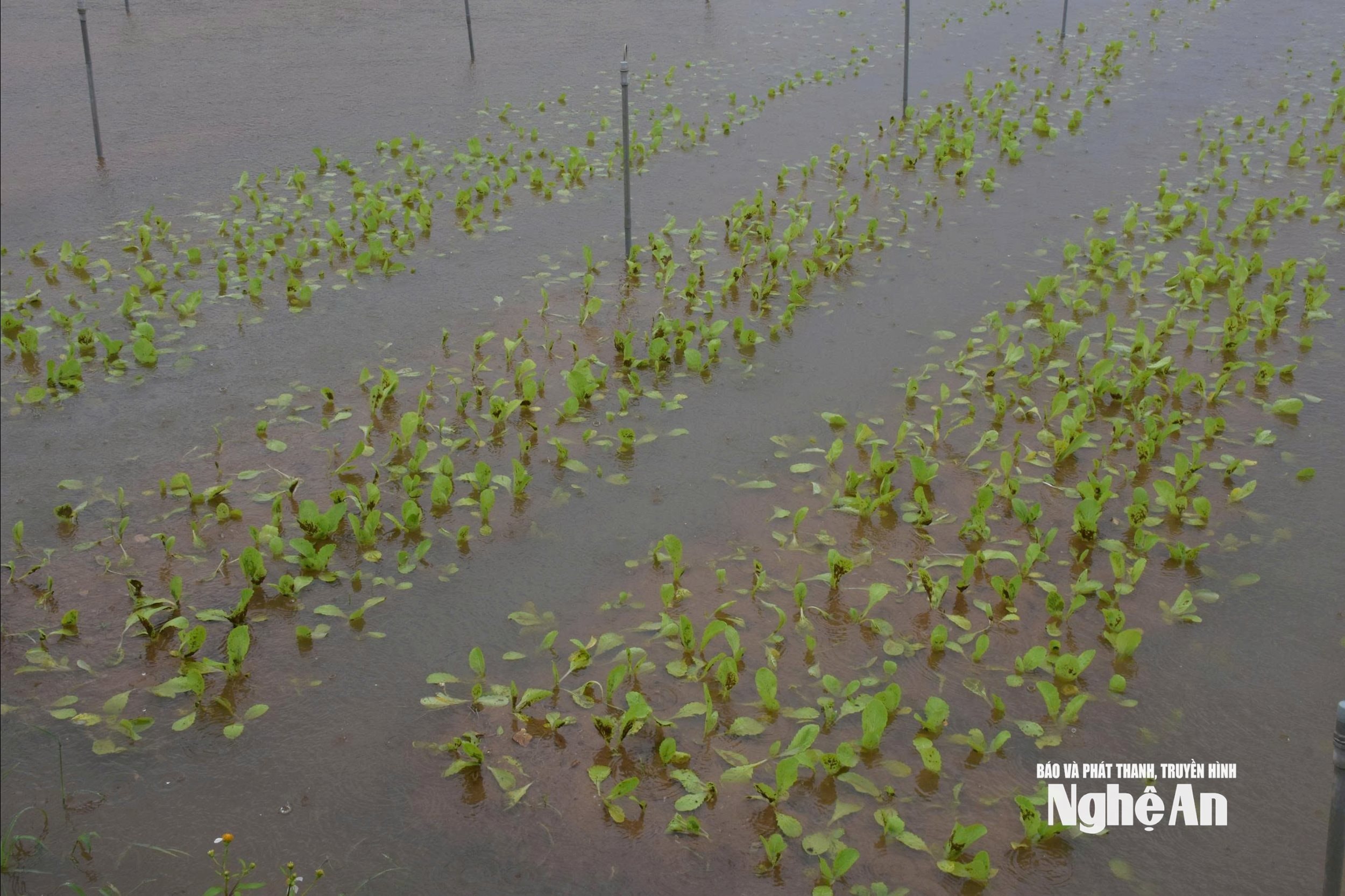
Mr. Tran Minh Chinh, Chairman of the Farmers' Association of Quynh Anh commune, said: "Sandy soil in the coastal area absorbs water quickly, but prolonged submersion causes vegetables to rot and their roots to become damaged. Just overnight flooding can cause severe damage. Currently, the commune is mobilizing people to clear drainage ditches and directing them to harvest early those areas that are ready for harvest and salvage what they can from heavily flooded areas."
According to statistics, the entire Quynh Anh commune planted 1,048 hectares of summer-autumn vegetables, of which the coastal area specializing in vegetables accounted for 954 hectares. By the morning of August 17th, about 400 hectares were severely flooded, with many areas of newly planted spring onions (only one month old) having to be harvested early.
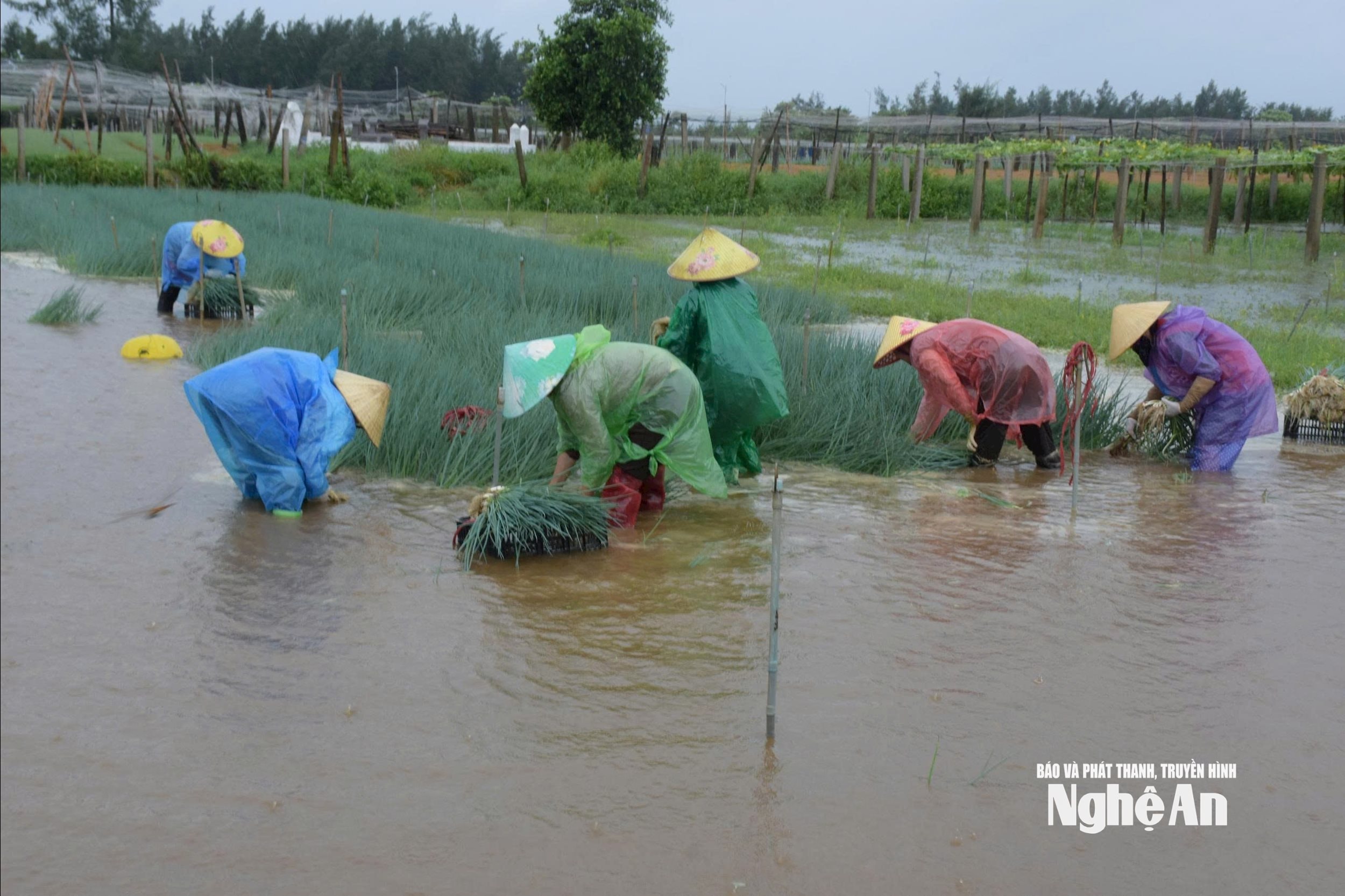
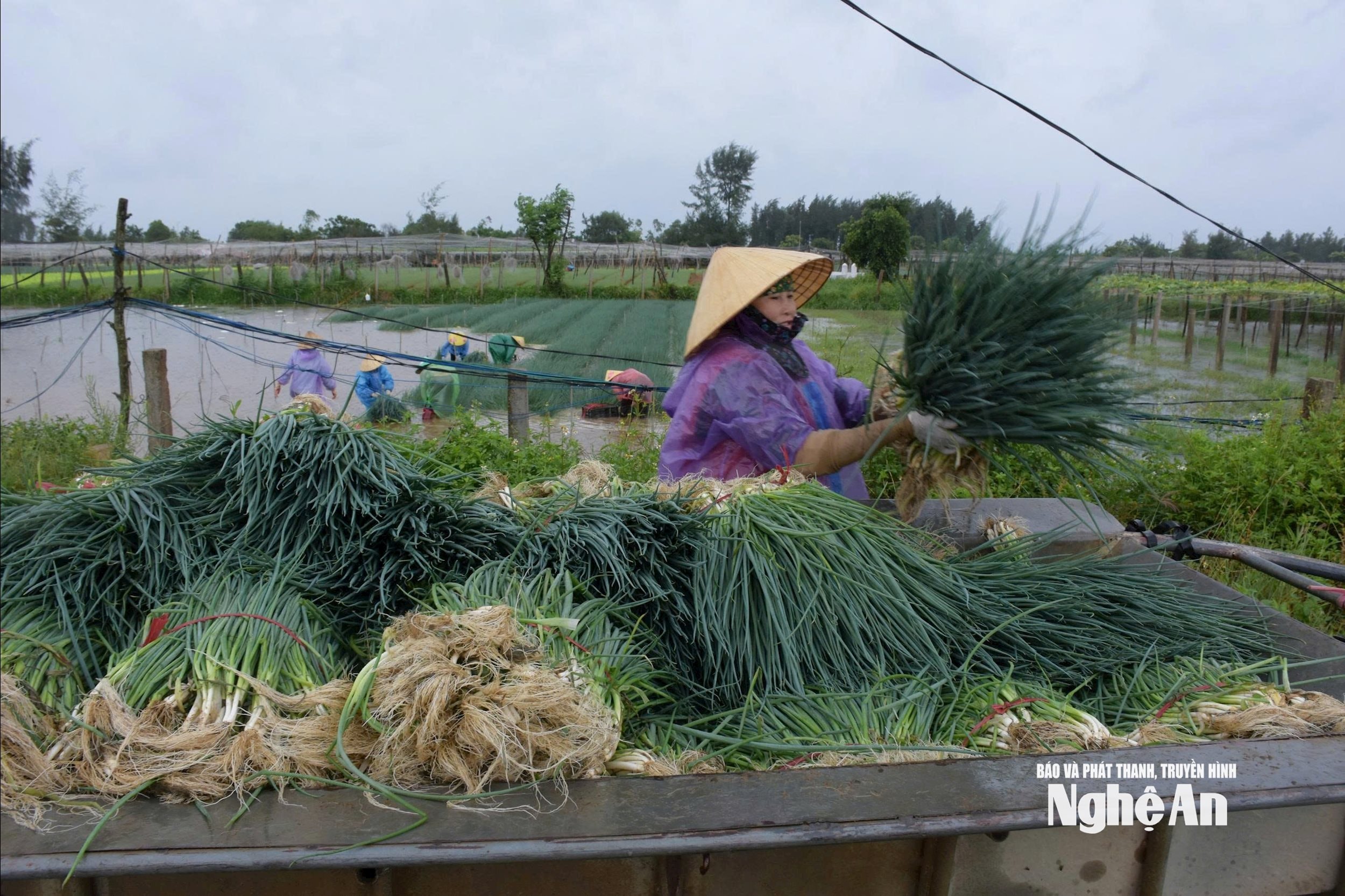
Not only Quynh Anh commune, but the Quynh Mai vegetable growing area has also been severely affected by the heavy rains. These days, in the fields, people are braving the rain, rushing to harvest onions and carrying sacks of vegetables to the market to sell quickly, hoping to recoup some of their capital after months of hard work.
In Dai Dong hamlet (Quynh Mai ward), Ms. Nguyen Thi Hong sadly had to harvest 3 sao (approximately 0.3 hectares) of freshly sown onions: "Due to heavy rain, the onions were waterlogged at the roots. If we didn't pull them out, we would have lost everything. We only got 1,000 - 2,000 VND/kg, which is a huge loss."
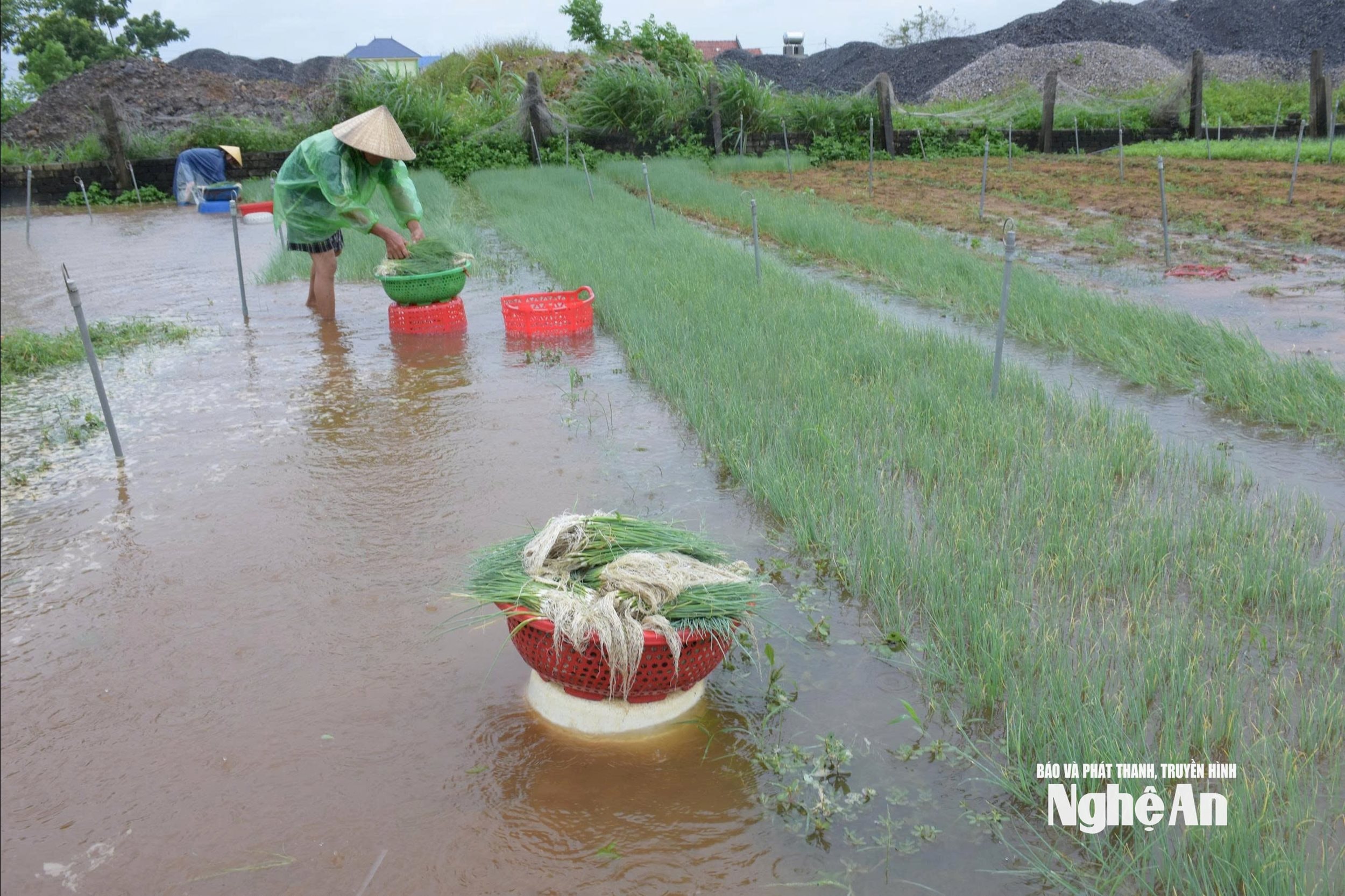
Mr. Nguyen Van Nam (Hamlet 5, Quynh Anh Commune) had to hire 7 laborers to harvest 3 acres of onions that were ready for harvest: "If we kept them, they would all spoil. But selling them now only fetches 7,000 VND/kg, resulting in a loss of more than 50% compared to the normal price."
People flee the floods, trying to recoup their losses.
Not only Quynh Luu, but also the riverside areas along the Lam River in the districts of Anh Son, Do Luong, Nam Dan, Thanh Chuong… are being affected by heavy rains. The river water is rising, overflowing onto the fields, threatening the areas planted with green squash, pumpkins, sticky corn and many types of summer-autumn vegetables.
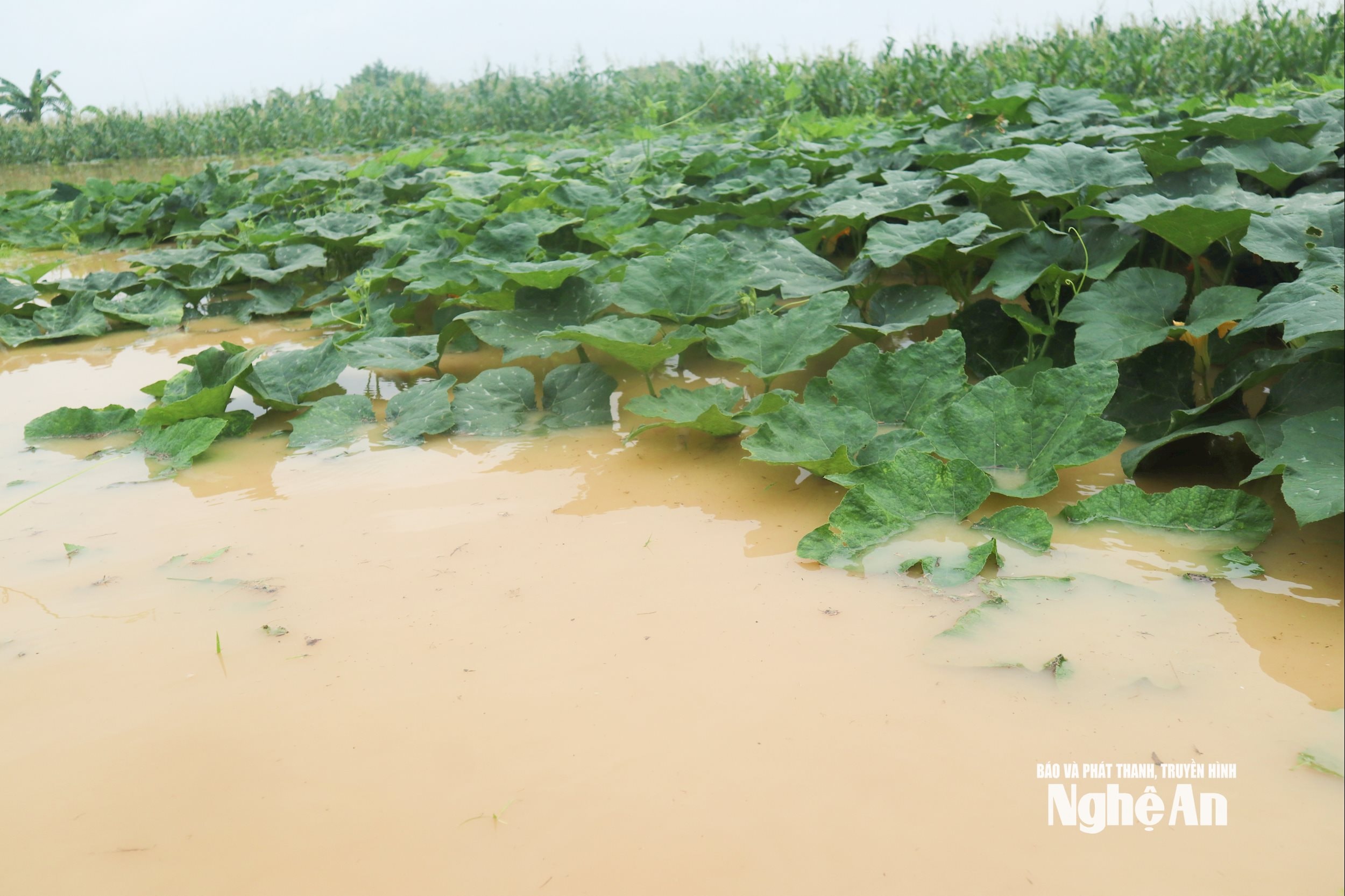
Mr. Nguyen Van Thanh, the owner of a farm in the floodplain of Lam Thanh commune, said: “The historic flood at the end of July swept away all the cucumber and zucchini trellises. After rebuilding and erecting the trellis system using iron pipes, now, with heavy rain, the water is almost reaching the edge of more than 1 hectare of zucchini field. Thanks to digging a ditch 1-1.5 meters deep to drain into the river, it is still safe for now. But if the rain continues and floods from upstream come, the situation will be unpredictable.”
In Van An commune, the Farmers' Association has also advised farmers to proactively harvest their crops early. Ms. Nguyen Thi Ha, Chairwoman of the commune's Farmers' Association, said: "Currently, the river water is rising but has not yet flooded the cultivated areas. To proactively minimize damage from heavy rain, people have been encouraged to harvest sticky corn and cut the tops of pumpkins while they are still harvestable, to prevent the plants from being uprooted and falling over."
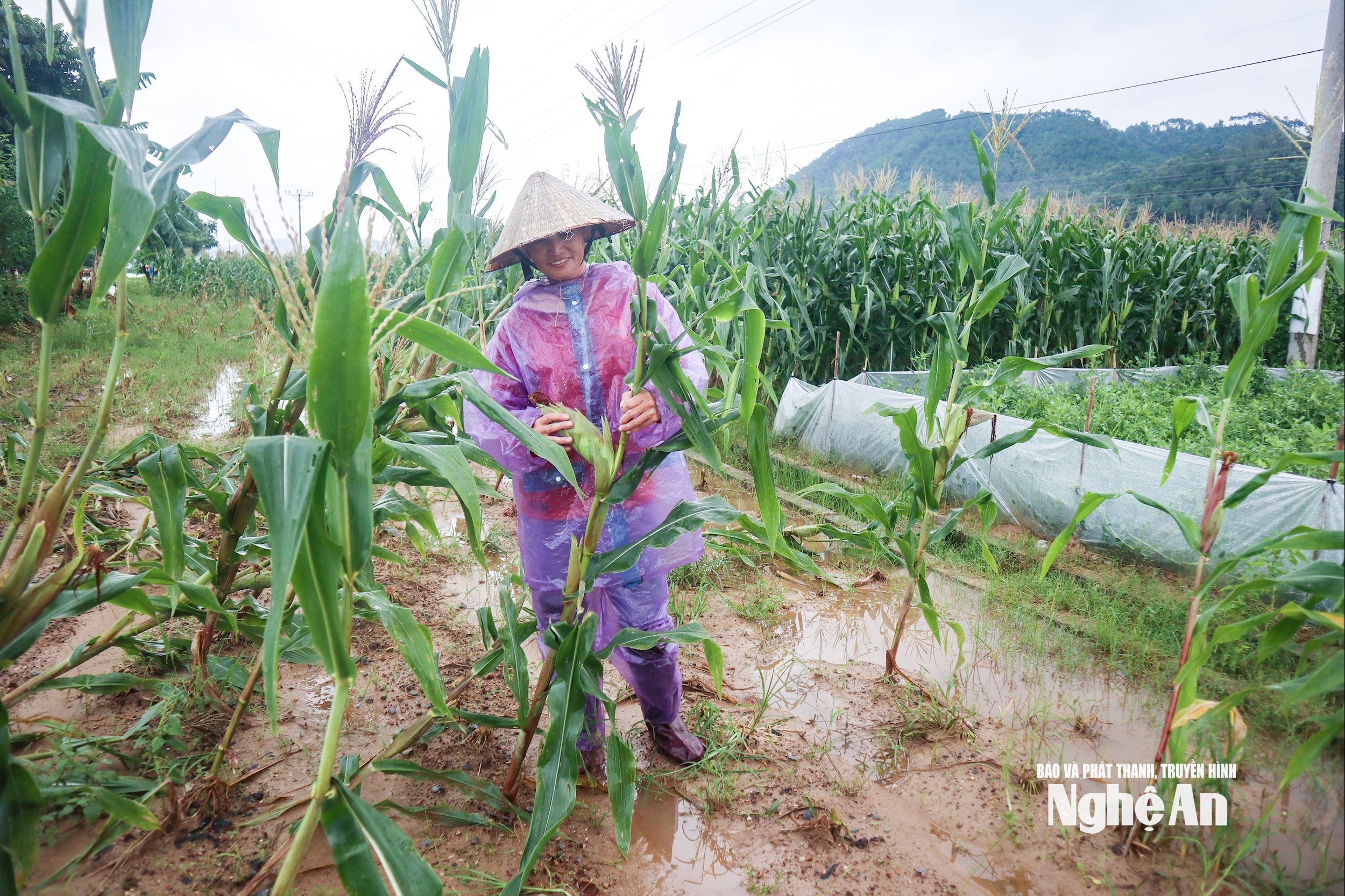
In fact, in the Van An fields, many households rushed to the fields to "escape the rain." Ms. Nguyen Thi Thanh, who grows 3 sao (approximately 0.3 hectares) of corn and 1 sao (approximately 0.1 hectares) of pumpkins for their shoots, said: "The corn was sown on higher ground so it hasn't been flooded yet, but the heavy rain makes it easy for the plants to fall over. I've had people harvest the corn early, accepting the loss. I'm also cutting the pumpkin shoots as soon as possible; if I leave them for a few more days, I'll lose everything."
Currently, the unpredictable nature of unusual rainfall and flooding is becoming increasingly difficult to predict. Meanwhile, the drainage canal system in many vegetable-growing communes remains limited, leading to frequent localized flooding.
In the short term, the urgent solution is to clear the waterways, advise farmers to harvest their crops promptly, and quickly assess the damage to develop a remediation plan. In the long term, the agricultural sector should invest in upgrading the drainage system and support farmers in switching to vegetable varieties that are more resistant to flooding.
FLOOD WARNING IN NGHE AN
- Period of heavy rain:From the night of August 16th to the morning of August 17th, there was heavy rain in some areas.
- Rainfall measured:Hoang Mai recorded 76.4 mm of rainfall in just 6 hours (11 PM on August 16th - 5 AM on August 17th).
- Maximum flood depth:Commonly 0.2 - 0.5 m; in some places over 0.6 m.
- The flooding may last for an extended period:By noon on August 18th.
- Risk:Flooding occurred in low-lying areas, along rivers and streams, in residential areas, and in areas specializing in vegetable cultivation in the province.
- Impact on production:There is a risk of damage to large areas of vegetable crops in Quynh Luu, Quynh Anh, and Quynh Mai; and an impact on corn, pumpkin, and melon crops in the riverside areas along the Lam River (Anh Son, Do Luong, Van An, Lam Thanh, etc.).


