
Why do you need to stop scrolling on your phone in bed?
In the digital age, smartphones have become indispensable to many people. However, the habit of using phones in bed, especially before going to sleep, is having negative effects on our health and quality of life.
You may be maintaining a nighttime routine that isn't good for your sleep. According to a 2022 survey by the National Sleep Foundation, as many as 58% of Americans regularly browse their phones within an hour of going to bed, even after they've already gone to bed.
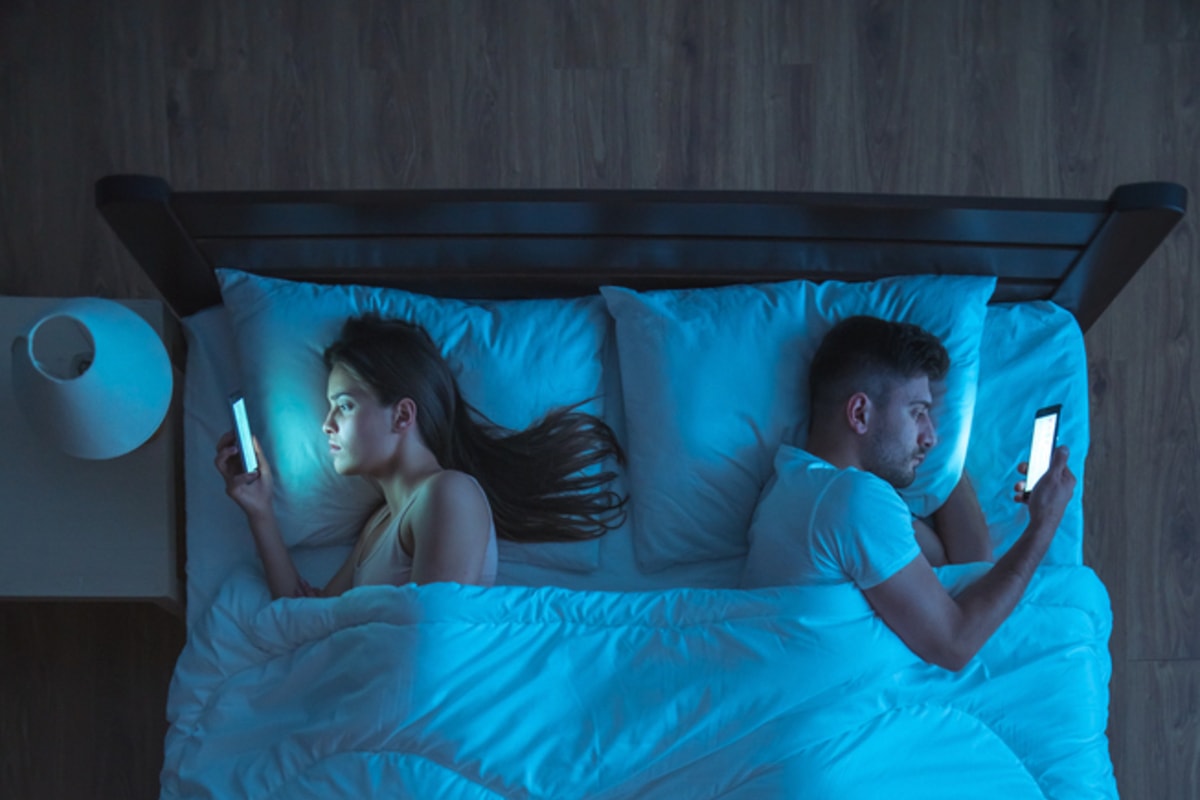
Numerous studies have shown that this is a bad habit. Blue light from screens not only interferes with the production of melatonin, a hormone that regulates sleep, but also stimulates the brain, making it harder to fall asleep.
Unless there's a truly urgent reason to check your phone, put it down and save those Facebook and Instagram scrolls for tomorrow; your sleep will thank you for it.
Blue light from phone screens disrupts sleep.
One of the key factors affecting sleep is light. Our bodies produce melatonin, a hormone that induces sleepiness and regulates the sleep-wake cycle, in response to darkness. Normally, melatonin levels naturally increase in the evening, making it easier to fall asleep.
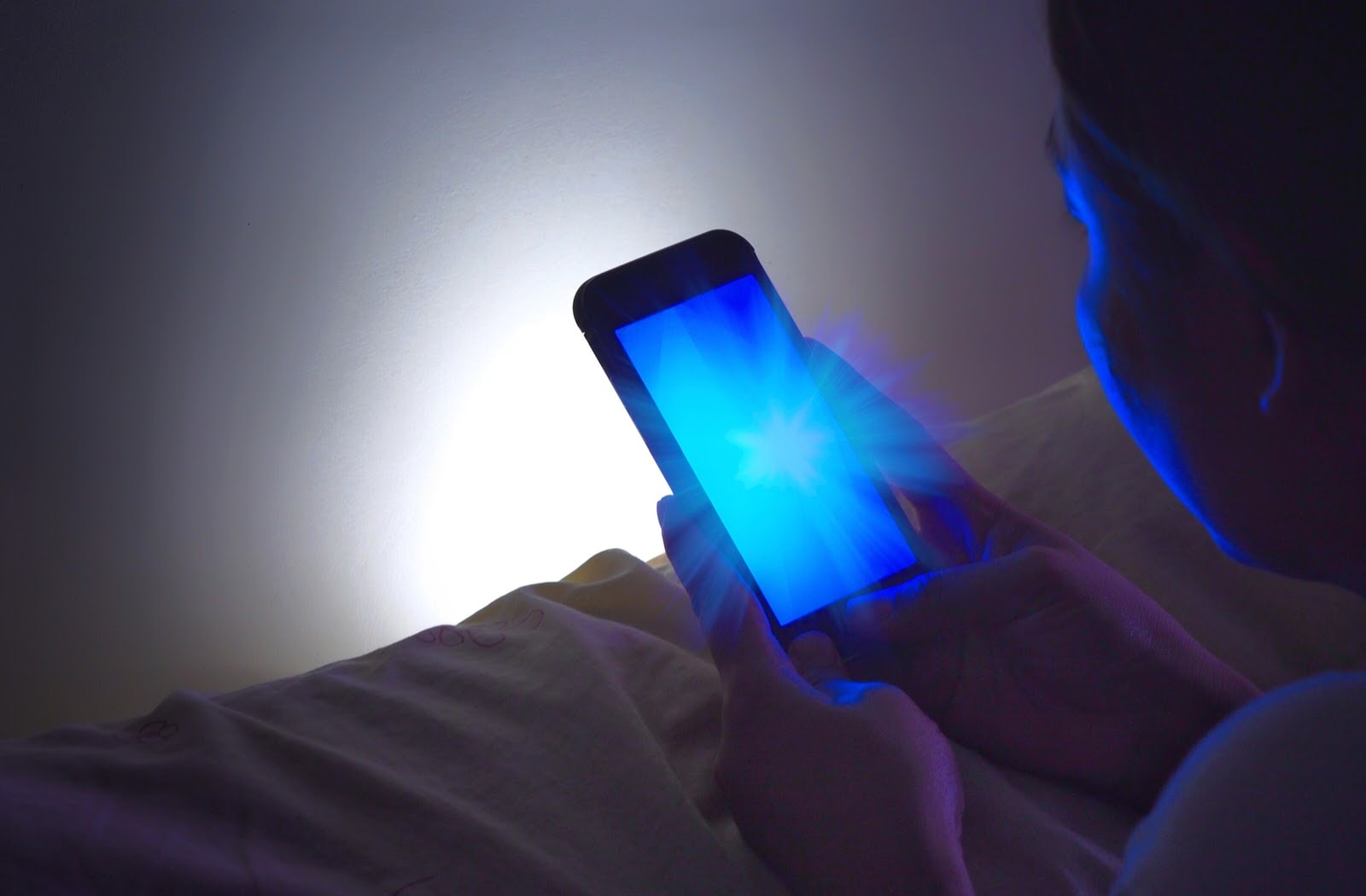
However, the blue light emitted from smartphone, tablet, and computer screens can inhibit melatonin production, making you feel more alert and harder to fall asleep. This can lead to restless sleep or disrupted circadian rhythms.
Many devices now come equipped with "Night Shift" or "Eye Comfort Shield" modes, which adjust screen brightness to warmer tones, mimicking the soft light of sunset to reduce the impact of blue light.
However, some studies indicate that these methods don't actually significantly improve sleep quality. Therefore, the best approach remains limiting the use of electronic devices in the evening.
The National Sleep Foundation recommends that people avoid using phone, laptop, or tablet screens for at least 1-2 hours before bedtime to promote deeper, higher-quality sleep.
Instead of scrolling through your phone, you could read a book, listen to relaxing music, or engage in activities that prepare your body and mind for sleep.
Doomscrolling: The silent enemy of sleep and mental health.
Besides the impact of screen light, you should also pay attention to the type of information you feed into your brain each night.
Today, the term "doomscrolling," referring to the unconscious habit of browsing social media, reading negative news, and absorbing all the gloom in the world, is becoming increasingly common. This not only affects mood but also negatively impacts sleep and mental health.
A recent study across two distinct cultures, the United States and Iran, found that doomscrolling was associated with higher levels of existential anxiety in both groups. Notably, in Iran, this habit was also linked to negative attitudes toward people in general.
Constantly receiving stressful news or getting caught up in negative online debates can increase stress and anxiety at any time. But doing this right before bed is no different than drinking a strong cup of coffee at night.
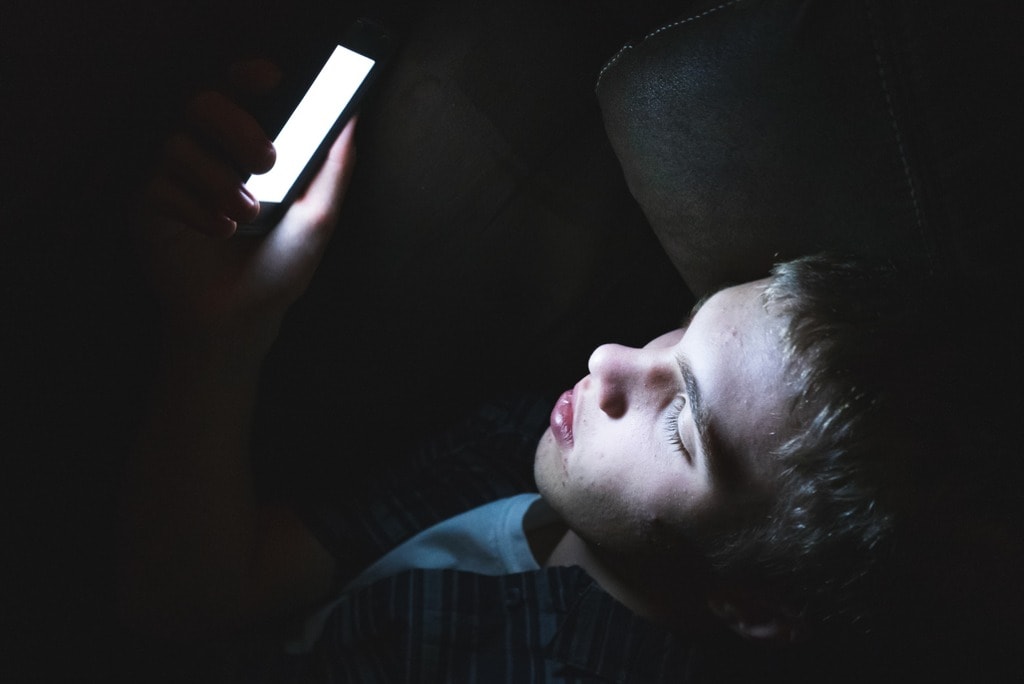
Dr. Chris Winter, an American sleep neuroscientist, explains: "Humans have the ability to temporarily bypass sleep in response to a threat. If you're sleepy and smell smoke, your body will immediately wake you up. Similarly, when exposed to shocking or frightening content, the brain will perceive it as a danger, making you more alert and making it harder to fall asleep."
This is why experts recommend keeping your phone away from your bed. Not only will it help you sleep better, but waking up without immediately facing a barrage of negative news will help you start your day more positively.
Dr. Aditi Nerurkar, a stress expert at Harvard Medical School (USA), emphasizes: "Instead of waking up and immediately being exposed to negative information, create a healthier routine: open your eyes to the sunlight, look at loved ones, go to the bathroom, brush your teeth… These things help you establish a buffer zone to better control your stress response."
Staying informed is important, but don't let it come at the cost of your mental health. Learn to limit your exposure to negative information, especially before bed, to protect your sleep and your well-being.
Fire hazard: Why you shouldn't charge your phone in bed.
Besides affecting sleep, bringing a phone into the bedroom also poses another danger: the risk of fire. Fire safety experts warn that charging a phone in bed can lead to overheating, especially when the device is placed under blankets or pillows, increasing the risk of fire.
Research shows that a significant number of users, including one-third of teenagers in the UK, even have the habit of charging their phones under their pillows, an extremely dangerous practice.
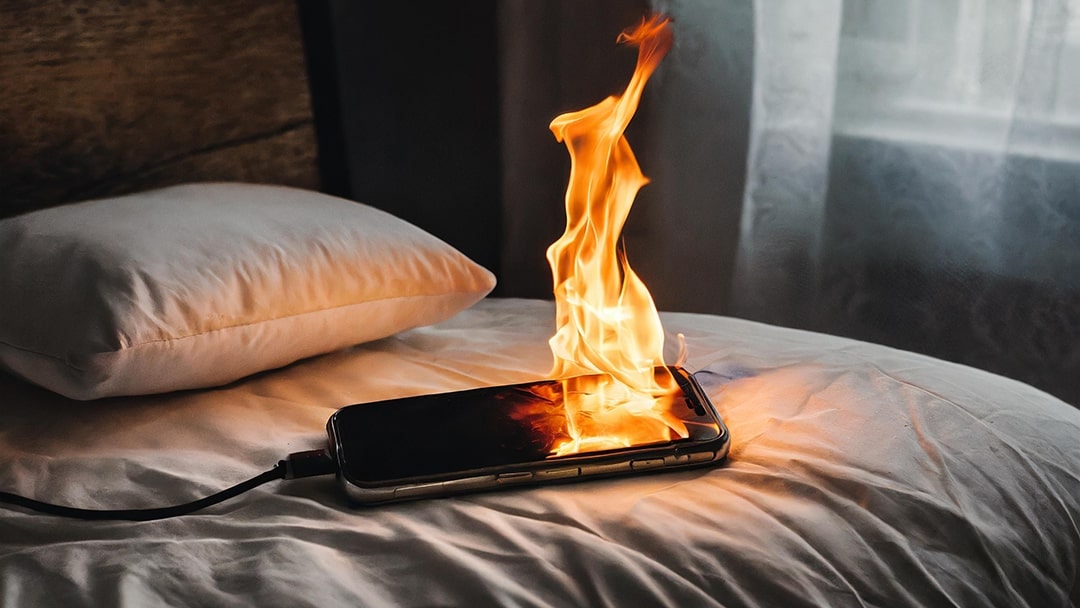
Laurie Pollard, Managing Director of Firechief Global (UK), a fire safety equipment company, emphasized: "Phones generate heat while charging, and when covered by pillows or blankets, the heat cannot escape. This increases the risk of overheating and can lead to a fire."
Therefore, if you have a habit of charging your phone in bed, consider placing it on a well-ventilated surface and away from flammable materials to ensure safety.
Extend your phone's battery life.
Even when charging your phone on your bedside table, you should think carefully. Some manufacturers advise against charging devices for too long or leaving them charging overnight. For example, Huawei, the Chinese tech giant, suggests that the optimal way to extend battery life is to maintain the charge level between 30–70%.
Speaking to The New York Times, tech expert Kevin Purdy from iFixit, a company specializing in providing repair guides for tech products (USA), likened overcharging a battery to trying to pour water onto a saturated sponge.
"A dry sponge easily absorbs water, but when it's nearly saturated, the last few drops require pressure to penetrate, resulting in excess water pooling on the surface," he explained. "In batteries, a similar phenomenon occurs with the buildup of the Solid Electrolyte Interface (SEI), gradually reducing the battery's capacity and lifespan."
So, if you want a simple solution to improve sleep, reduce stress, and extend your phone's lifespan, let your device rest before you go to bed. No matter how busy the world is, all the news will be waiting for you the next morning, so there's no reason to lose sleep over it.


