
GDP growth for the first three quarters is projected to be above 6%.
“The agricultural and industrial production indicators in August 2017 were quite positive, and we believe that GDP growth in the third quarter and the first nine months of the year will be above 6%,” commented Mr. Nguyen Duc Hung Linh, Head of Research and Analysis Department of Saigon Securities Company (SSI).
Mr. Linh argued that achieving the 6.7% GDP growth target this year at all costs is unnecessary, and that government policies should focus on stimulating supply rather than short-term, risky demand-stimulating solutions.
Two major macroeconomic issues currently attracting attention not only from researchers but also from investors are inflationary fluctuations and credit growth. The Consumer Price Index (CPI) in August unexpectedly rose by 0.92% compared to the previous month, the highest increase in nearly four years. The combined effect of price increases in many items such as food, fuel, healthcare services, and tuition fees has pushed the CPI close to 1% per month.
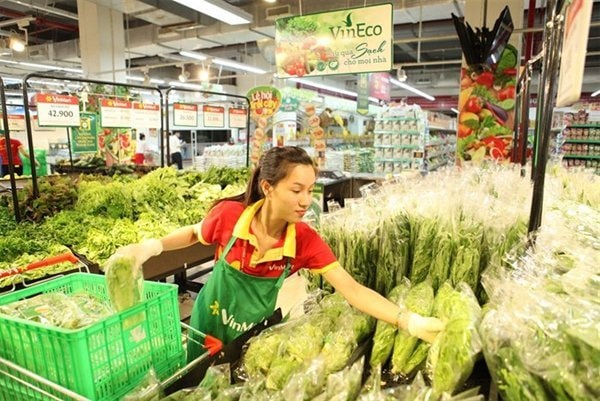 |
| For the first time this year, fruit and vegetable exports reached the milestone of US$2.35 billion in just the first eight months. (Photo: TL) |
The CPI forecast for September suggests it may continue to rise due to two previous increases in gasoline prices. Healthcare and education service prices in many localities have also been adjusted this month. Furthermore, pork prices have edged up due to demand from China.
Looking ahead 12 months, inflation is likely to test the 4-5% level, despite the CPI remaining below 4% this year. Besides the inflation-related factors mentioned above, it's unlikely that food price crises like the rescue of pigs, watermelons, and other crops will recur.
A crucial factor impacting inflation is credit growth. Excessive credit easing can lead to macroeconomic instability if the flow of disbursed capital is not properly controlled. High credit growth is the shortest path to financial and economic crises, something that has happened twice in the last 10 years.
The sector expected to support GDP is exports, given the slow disbursement of public investment and the banking sector's concerns about a surge in bad debts, especially after many credit institutions have been allowed by the State Bank of Vietnam to raise their credit limits this year to over 20%.
The restructuring of agriculture and the development of high-tech agriculture are being prioritized, as agriculture ranks second in GDP structure, after manufacturing and processing industries. Agricultural exports have begun to show glimmer of hope, with fruit and vegetable exports reaching US$2.35 billion for the first time in the first eight months of the year. While the export value of traditional commodities such as rice, coffee, rubber, cashew nuts, pepper, and tea has not seen a breakthrough, fruit and vegetable exports offer promising prospects for success if we effectively manage our markets.
The trend of investing in agriculture started a few years ago and continues to attract capital from domestic entrepreneurs. Businesses in this sector are either too new or have no intention of going public due to both objective and subjective reasons. Agriculture is one of the priority sectors for preferential loans, but agricultural growth is only at 2% per year. Capital is not the bottleneck. Risks related to the consumer market and prices due to dependence on world prices are significant. Investment in processing to increase export value remains a weakness of Vietnamese agriculture.
According to Saigon Online
| RELATED NEWS |
|---|


