
Implementing national unity in the new era according to Ho Chi Minh's ideology.
National unity is a consistent and overarching ideology of our Party and throughout the revolutionary life of President Ho Chi Minh. Following his teachings, from its founding to the present day, the Communist Party of Vietnam has always focused on leading and promoting the strength of national unity, contributing to the great achievements and glorious milestones in the struggle for independence, as well as in the current process of renovation, construction, and defense of the socialist Vietnamese Fatherland.
Nguyen The TrungAugust 17, 2025
National unity is a consistent and overarching ideology of our Party and throughout the revolutionary life of President Ho Chi Minh. Following his teachings, from its founding to the present day, the Communist Party of Vietnam has always focused on leading and promoting the strength of national unity, contributing to the great achievements and glorious milestones in the struggle for independence, as well as in the current process of renovation, construction, and defense of the socialist Vietnamese Fatherland.
Ho Chi Minh's thought on national unity.
Our Party and our beloved President Ho Chi Minh paid special attention to building national unity. On February 1, 1942, in his article "We Should Study Our History," President Ho Chi Minh advised: "Our history teaches us this lesson: Whenever our people are united as one, our country is independent and free. Conversely, whenever our people are not united, we are invaded by foreign powers."(1).
InLetter calling for a general uprising.(August 1945), he wrote: "Only with unity can there be strength, and only with strength can we achieve independence and freedom."(2).
As the founder, leader, and mentor of our Party, President Ho Chi Minh always emphasized the importance of unity coupled with strict discipline within the Party. He stressed this dialectical relationship: “Unity is the strength of the Party. Close unity and strict discipline are inseparable. Strict discipline ensures ideological unity and unified action of the entire Party and the entire people.”(3).
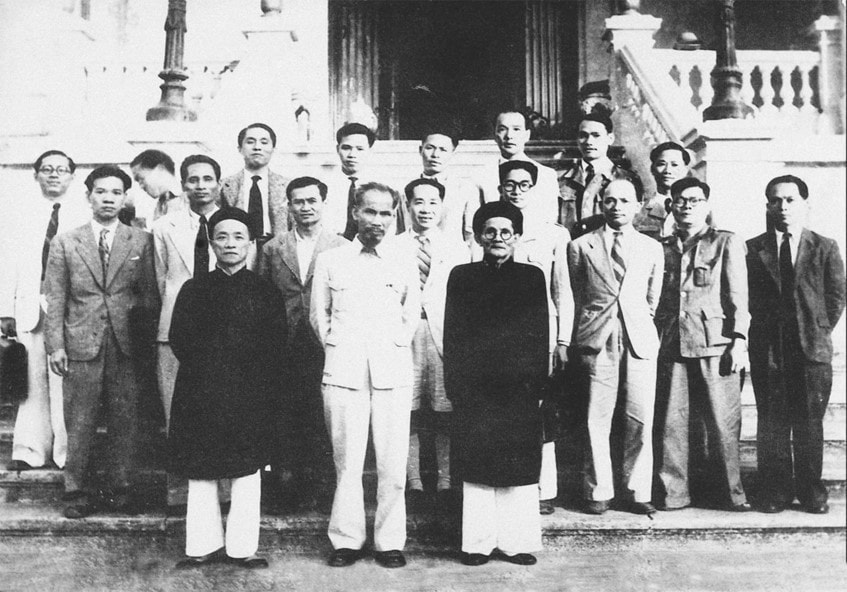
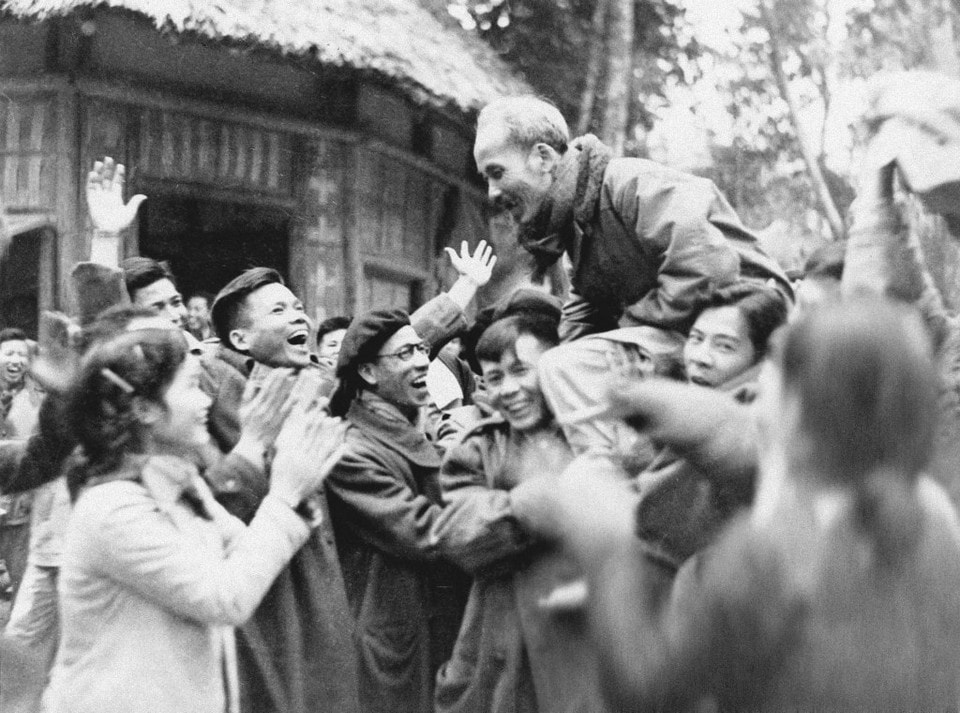
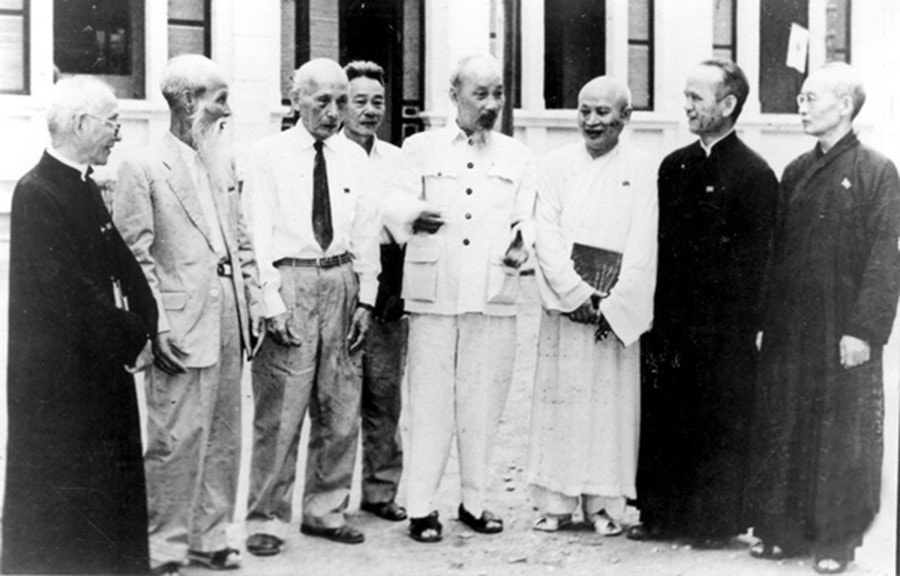
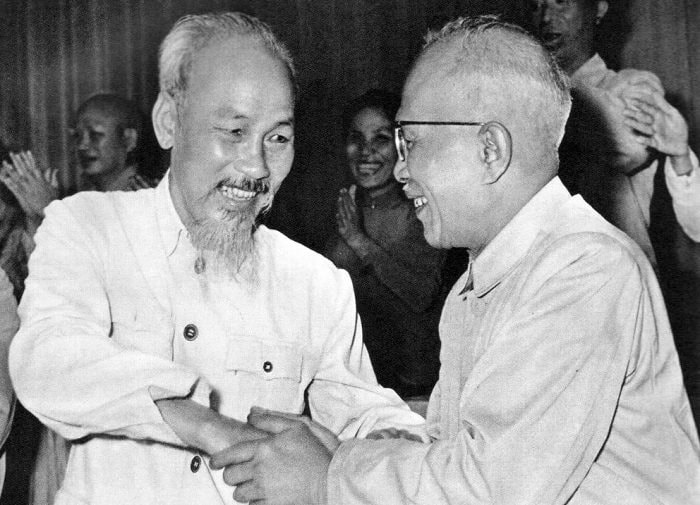
In his closing remarks at the seventh expanded meeting of the Central Executive Committee of the Vietnam Workers' Party on March 12, 1955, President Ho Chi Minh addressed the close unity among leading cadres: “Today,unity within the Party"It is more important than ever, especially close unity among leading cadres..." "To achieve close unity within the Party, it is necessary to unify ideology, expand internal democracy, and broaden self-criticism and criticism."(4)Through his insightful reasoning and broad vision stemming from his rich revolutionary activities, President Ho Chi Minh distilled the issue of unity into a philosophy, a scientific truth:Unity, unity, great unity, success, success, great success!”(5).
Before going away, duringTestamentIn his lifetime, President Ho Chi Minh left behind these sacred admonitions for the entire Party and the entire people:Unite"This is an extremely precious tradition of our Party and our people. Comrades from the Central Committee to the Party branches must safeguard the unity and solidarity of the Party as carefully as they safeguard the pupil of their eye."(6).
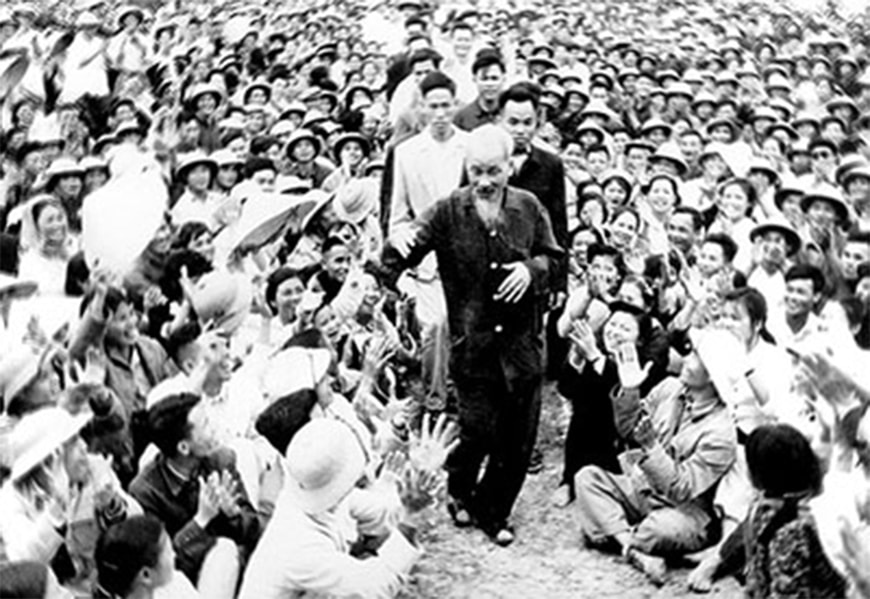
Imbued with the ideology of President Ho Chi Minh, our Party has formulated many policies and guidelines to build and implement the great national unity. Thanks to this close unity, from its founding to the present day, our Party has led the people to defeat all invading enemies and achieved many important and historically significant accomplishments in politics, socio-economics, national defense, security, and foreign affairs.
Some key solutions to continue implementing national unity in the new era.
The new era presents many new opportunities and advantages, but also numerous difficulties and challenges. The Fourth Industrial Revolution continues to develop strongly and profoundly impact all aspects of social life. Several scientific and technological achievements, such as artificial intelligence (AI), robotics, cloud computing, satellite internet, and blockchain, have seen unprecedented breakthroughs. The trends of green transformation, digital transformation, and energy transition are increasingly being promoted by many countries.
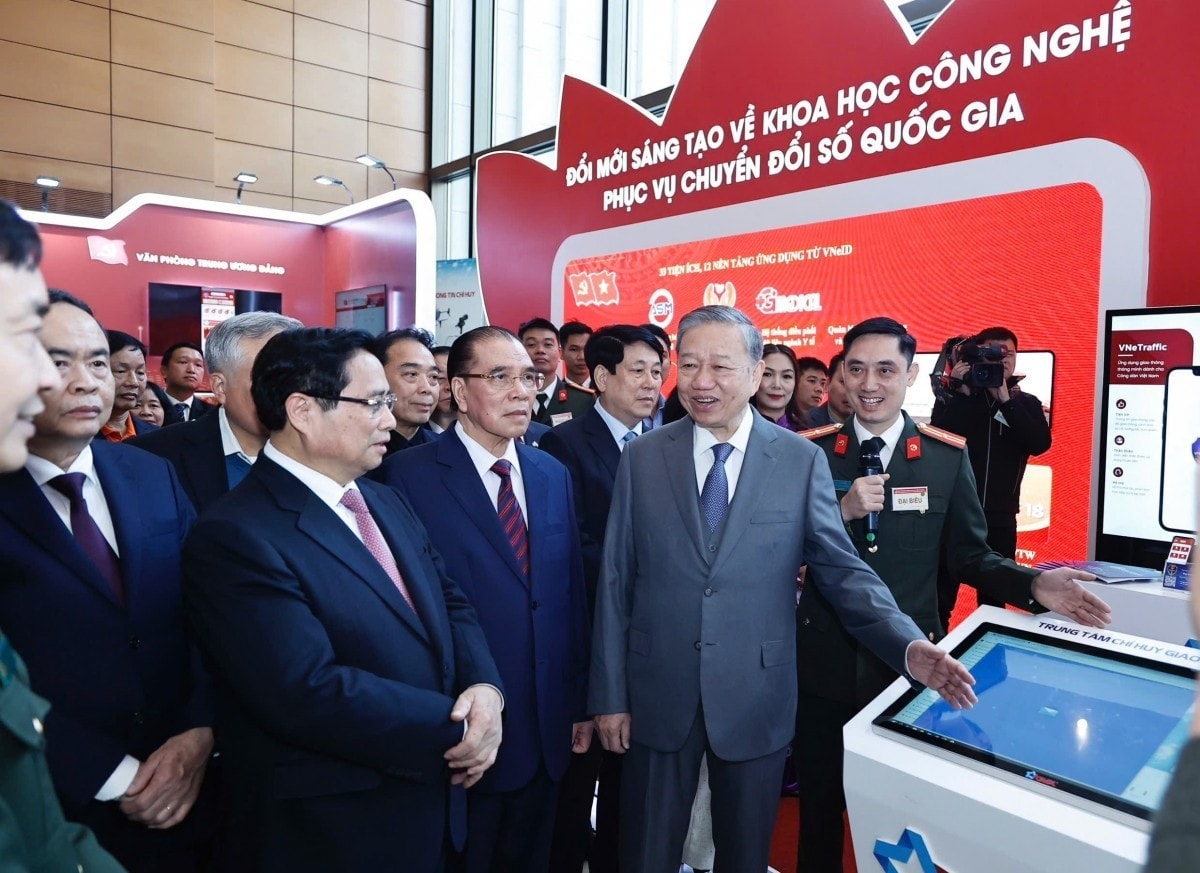
The revolution in streamlining the organizational structure of the political system for greater efficiency, effectiveness, and effectiveness, the development of science and technology, innovation, and digital transformation opens up many prospects for the country to successfully achieve the goals of the 100th anniversary of the founding of the Party and the 100th anniversary of the founding of the Democratic Republic of Vietnam, now the Socialist Republic of Vietnam… The Party's leadership in the new national and international context will profoundly impact the cause of building national unity. To continue implementing national unity in the new era, it is necessary to promote the implementation of the following tasks and solutions:
First, the Party committee, organizationThe Party continues to effectively implement Resolution No. 43-NQ/TW, dated November 24, 2023, of the Conference.Central Committee 8,The 13th Party Congress focused on "Continuing to uphold the traditions and strength of national unity, building our country to become increasingly prosperous and happy."
Through Resolution No. 43-NQ/TW, our Party has put forward a scientific and dialectical viewpoint, which affirms that: National unity is a precious tradition, an important and consistent strategic guideline of the Party; a great source of strength, and a decisive factor in the success of the cause of building and defending the Fatherland.
At the same time, Resolution No. 43-NQ/TW clearly outlines 7 main tasks and solutions for the entire Party and people to implement, specifically: 1- Raising awareness and responsibility of Party committees, Party organizations, the political system, and the people regarding the position and importance of promoting the tradition and strength of national unity;
2. Perfecting policies and guidelines on national unity and solidarity, and arousing the will and aspirations for national development;
3. Building and strengthening a clean and strong Party; enhancing unity within the Party, and maintaining the Party's leading role as the core in building and promoting the traditions and strength of national unity;
4. Enhancing the role, effectiveness, and efficiency of the State in promoting the tradition and strength of national unity;
5. Promote socialist democracy and unleash the creative potential of the people;
6. Innovate the content and methods of operation of the Vietnam Fatherland Front and political and social organizations; strengthen mass mobilization work and mobilize all resources for national development;
7. Organize practical and effective patriotic emulation campaigns and movements. To ensure the resolution is put into practice promptly, Party committees and organizations should regularly inspect and supervise its implementation, conduct periodic reviews and summaries as prescribed, promptly commend localities, agencies, and units that perform well, and criticize those that do not implement it or implement it superficially with low effectiveness.
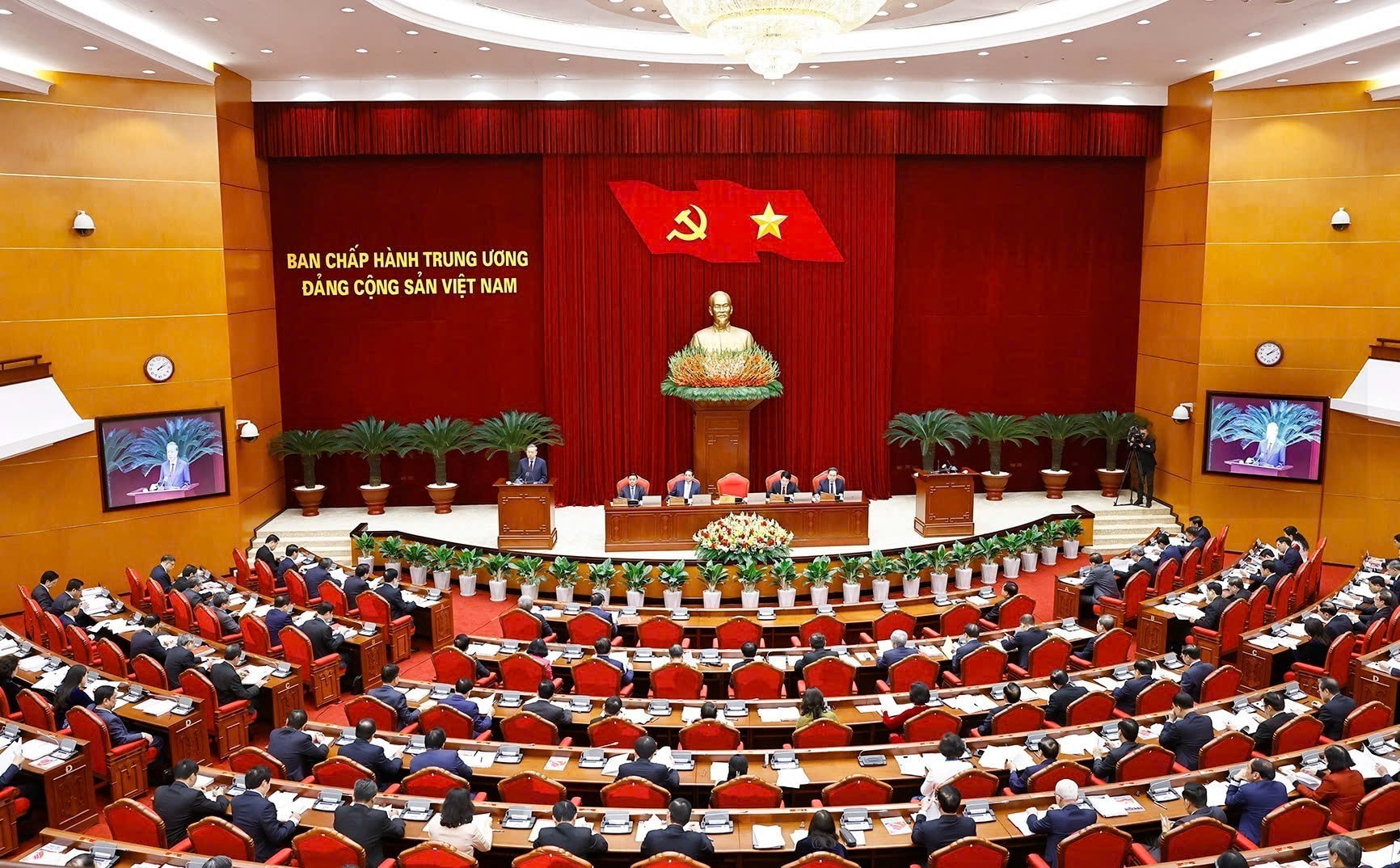
Secondly, selecting, appointing, and assigning truly virtuous and talented cadres after implementing organizational restructuring and streamlining in accordance with Resolution No. 18-NQ/TW, dated October 25, 2017.,of the 12th Central Committee of the Communist Party of Vietnam on "Some issues concerning the continued reform and restructuring of the political system's organizational apparatus to be streamlined, effective, and efficient."”.
Throughout history, personnel management has had a profound impact on social consensus and internal unity. President Ho Chi Minh clearly stated: "Cadres are the foundation of all work."(7)"The success or failure of any undertaking depends on whether the staff are good or bad."(8).
In a press interview on the occasion of the Lunar New Year 2025, themed "Convergence and Aspiration, Steadily Stepping into a New Era of Development," General Secretary To Lam affirmed: "Regarding personnel work, this is a crucial task, the 'key' of 'keys,' with decisive significance for the successful implementation of the Party's policies and guidelines to lead the country into a new era."(9).
In preparing personnel for the Party congresses at all levels for the 2025-2030 term, the Central Committee and the Politburo have provided very strict guidance, resolutely ensuring that cadres lacking firm political resolve, unwavering adherence to the Party's viewpoints, declining prestige, causing disunity, exhibiting political opportunism, power ambitions, and localism, will not be elected to Party committees, leadership positions, or management roles within the political system.
Currently, the reorganization of several central, provincial, city, and commune/ward/township departments and agencies has been closely supervised and directed, ensuring a specific roadmap and rapid implementation. The leadership and management staff in these units have been reorganized rationally and operate synchronously. Simultaneously, policies and regulations for officials, civil servants, and employees affected by the organizational restructuring have been effectively implemented.
However, due to various objective and subjective reasons, in some localities, the review and evaluation of the qualities, capabilities, and reputation of officials have not been rigorous, and the placement and assignment of some officials have not been appropriate. This has led to the placement of heads and deputy heads in some localities and units not being truly rational, causing some officials to feel uneasy and affecting the unity and consensus within the leadership and management team.
In this new era, it is essential that personnel management agencies be extremely impartial and objective in evaluating cadres before submitting their assessments to the competent Party committees for decision-making. In reality, in any locality or unit, the team of leading and managing cadres who guide and direct socio-economic development and improve the material and spiritual lives of the people will build genuine and effective national unity within the Party and in society.
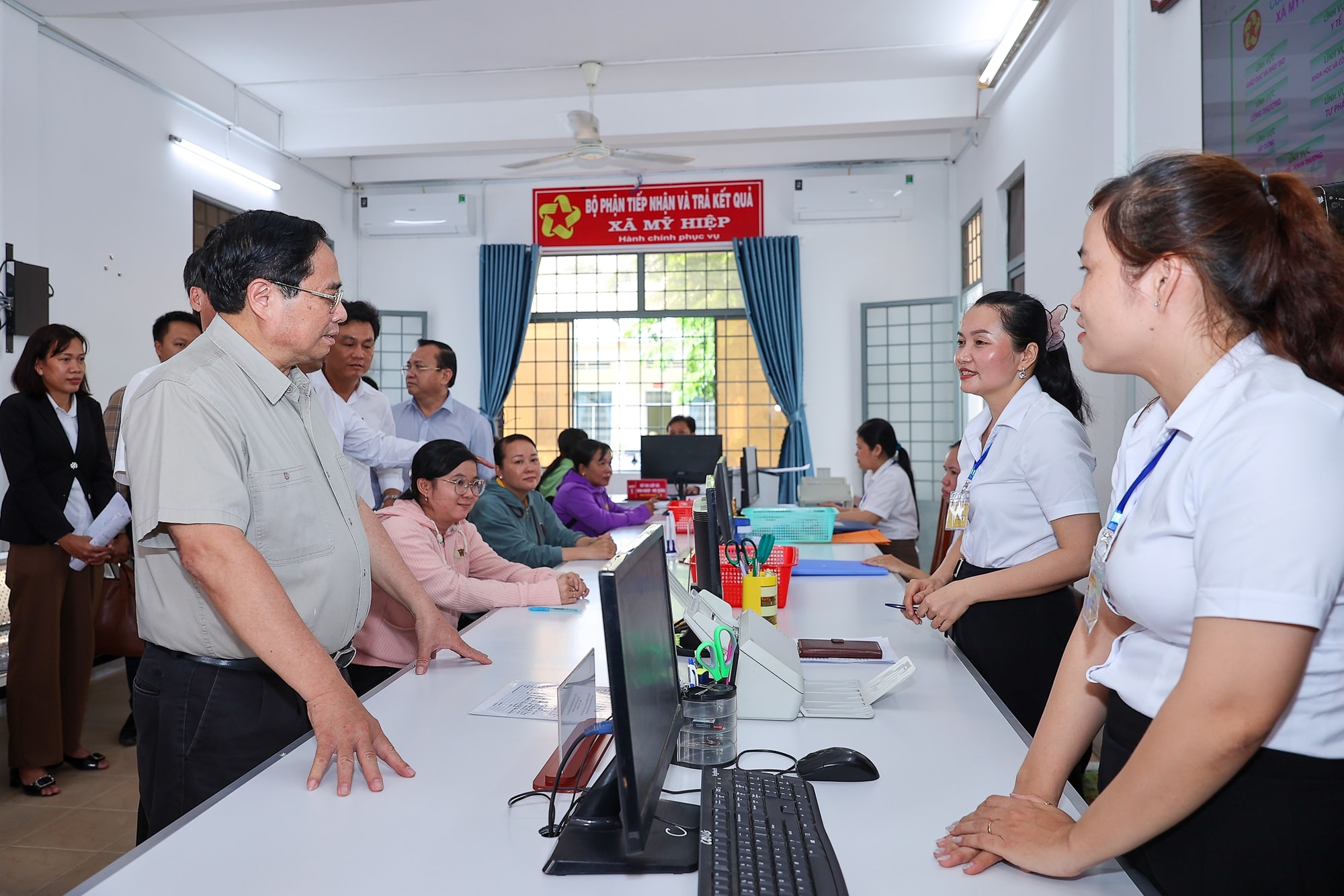
Third, continue to steadfastly implement the principle of democratic centralism in organization and activities.Dtable.
From its founding to the present day, the Communist Party of Vietnam has consistently applied and creatively developed Marxism-Leninism and Ho Chi Minh Thought, steadfastly pursued the goal of national independence and socialism, steadfastly promoted the reform process, and steadfastly implemented the Party's principles to build and firmly defend the Vietnamese Fatherland, ensuring the comprehensive and unified leadership of the Party in all fields.
Democratic centralism is a fundamental principle in the organization and activities of the Party, stipulated in the Party Charter, representing a close combination of centralism and democracy in an organic and dialectical relationship. As President Ho Chi Minh affirmed: "Collective leadership is..."democracyThe person in charge isconcentrateCollective leadership, individual responsibility meansdemocratic centralism."... "Collective leadership and individual responsibility must always go hand in hand."(10).
Based on the practical implementation of the principle of democratic centralism in Party building and rectification through previous Party congresses and the years of reform, the 13th Party Congress has drawn many lessons learned, emphasizing the lesson: "Firmly adhering to, applying, and creatively developing Marxism-Leninism and Ho Chi Minh Thought; enhancing the Party's leadership, governance, and fighting capacity; constantly consolidating and strengthening unity within the Party and the political system; strictly implementing the principles of Party building; and constantly innovating the Party's leadership methods."(11).
Without democracy through discussion and debate to arrive at the most feasible and best option, it is difficult to achieve unity. However, without centralization, it is impossible to translate awareness into action to lead the resolution of political tasks in practice. Without centralization, the Party cannot become a fighting organization, an organization that acts. The principle of democratic centralism ensures that our Party is unified in politics, ideology, organization, will, and action; it is the basis for building and strengthening the Party's unity, making the Party always a unified entity that is tightly organized, strictly disciplined, and overcoming the state of fragmentation, parochialism, factionalism, and disorganization.
In this new phase, the 13th National Congress of the Party clearly stated: “The guiding ideology throughout the entire Party, the entire people, and the entire army is to steadfastly and creatively apply and develop Marxism-Leninism and Ho Chi Minh Thought; to steadfastly pursue the goal of national independence and socialism; to steadfastly adhere to the Party's reform line; to steadfastly adhere to the principles of Party building... This is a matter of principle, of vital importance to our regime, the solid foundation of our Party, and no one is allowed to waver or be swayed.”(12).
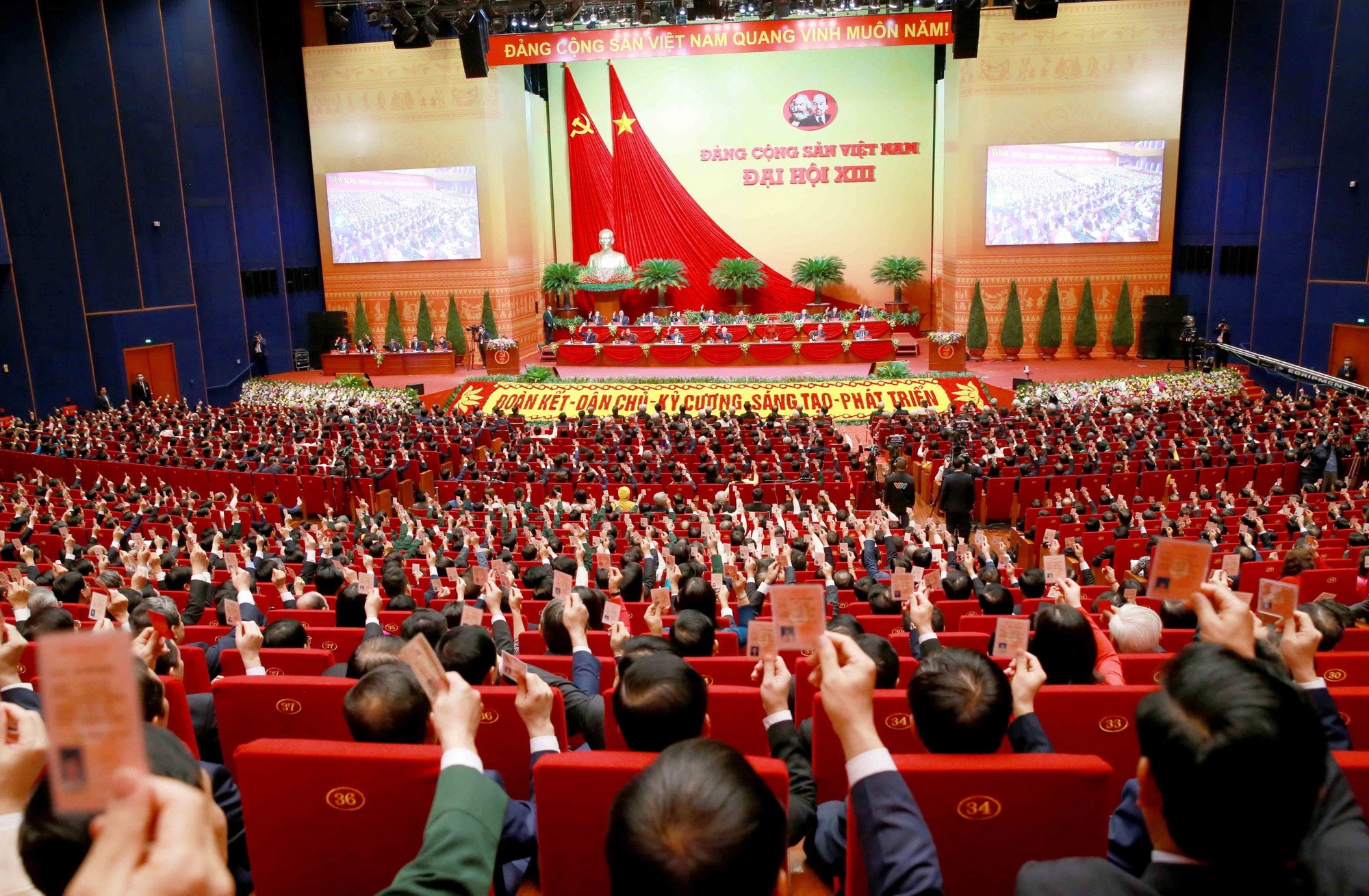
Thanks to its unwavering commitment to principled innovation and the effective implementation of the principle of democratic centralism, considering it a vital political principle for a genuine Party, our Party has led our people and our country from one victory to another, achieving many great and historically significant accomplishments.
Fourth, continue to practice democracy well within the Party and democracy throughout society.
President Ho Chi Minh paid great attention to the practice of democracy. He said: "Practicing democracy is the all-powerful key that can solve all difficulties."(13)At the same time, he instructed: "Work must be done through democratic discussion, but remember that democracy must be accompanied by organizational discipline."(14).
Throughout the revolutionary leadership process, our Party has put forth many correct policies on democracy: the people are the foundation, concentrating and promoting the people's right to self-governance; defining democracy as both a goal and a driving force of national development, the essence of the socialist regime, implementing the motto "The people know, the people discuss, the people do, the people inspect, the people supervise, and the people benefit."
From the Sixth to the Thirteenth National Congresses of the Party, our Party made new strides in practicing democracy in its organization and activities. In Party congresses at all levels and in Party conferences, every Party member has the right to discuss, deliberate, and participate in Party affairs, criticize and question other Party members, fully express their opinions, and have the right to reserve their opinions or submit them to higher-level bodies. Up to the National Congress of the Party, resolutions and decisions of Party organizations are discussed collectively and voted on by majority. Elections within the Party, from the grassroots level to the Party committees directly under the Central Committee, are conducted democratically according to the principle of secret ballot, without coercion or imposition.
The process of obtaining votes of confidence and the nomination and candidacy procedures are all included in the Party's regulations, ensuring the principle of democratic centralism. Before collective discussion and decision-making, the promotion, commendation, and disciplinary actions against Party members always involve consultation and feedback from relevant agencies.
Leading up to the 14th National Congress of the Party, the Central Committee sent draft documents to the Congress for comments and suggestions from Party organizations, Party members, and the people. This is a regular practice of the Party to gather the wisdom of cadres, Party members, and the people on important issues facing the country.
The revolutionary practice in our country shows that only with broad democracy within the Party can democracy be achieved throughout society. Promoting democracy is both a requirement for building a clean and strong Party and a legitimate aspiration of the vast majority of cadres and Party members.
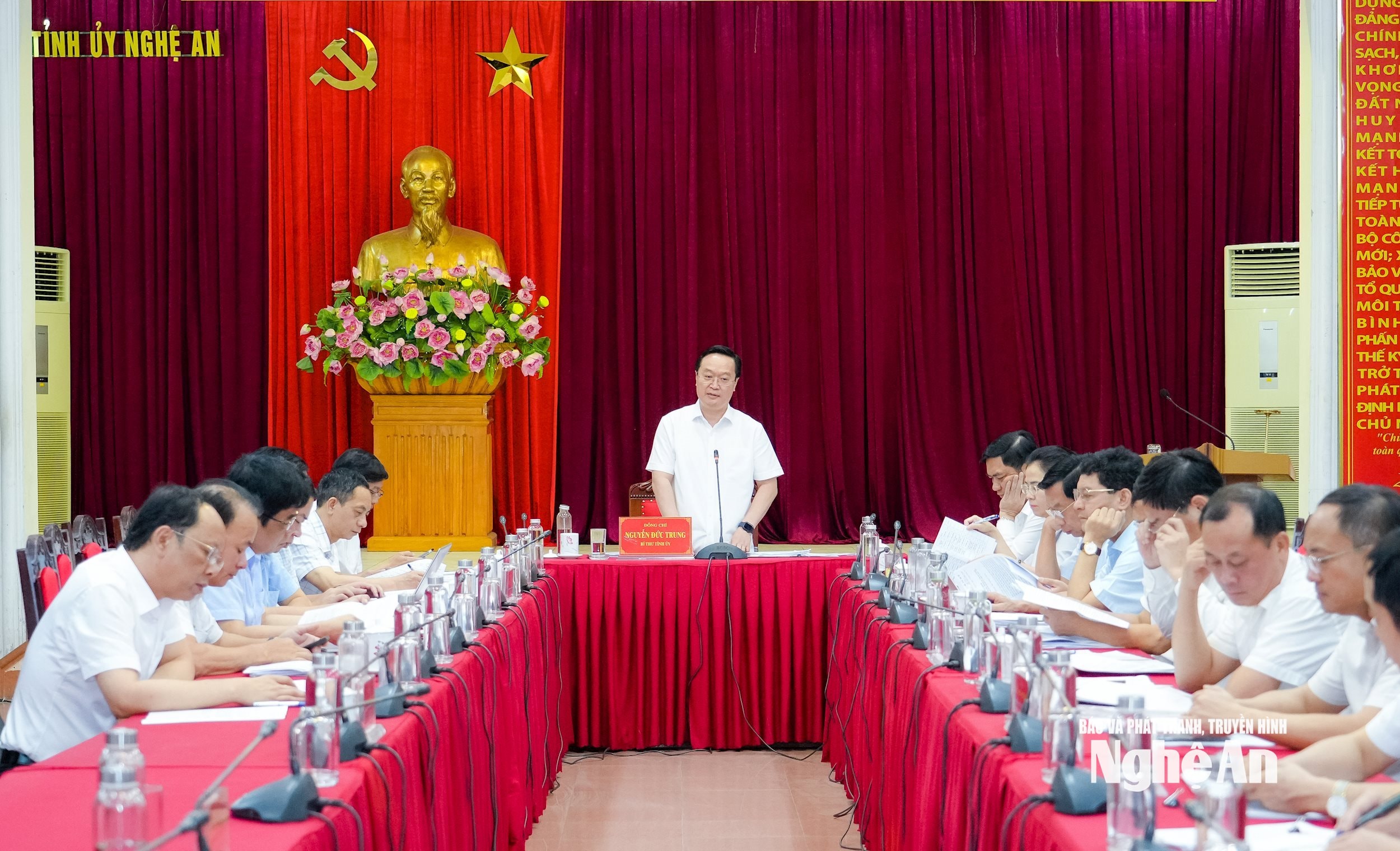
Alongside practicing democracy within the Party, our Party pays special attention to leading the practice of democracy throughout society. President Ho Chi Minh once advised: "The wisdom and initiative of the masses are boundless."(15)"Only by promoting democracy to the highest degree can we mobilize all the forces of the people to advance the revolution."(16).
Imbued with his ideology, our Party has led the State in institutionalizing the Party's policies into legal documents to promote the people's right to self-governance, such as promulgating the Law on Referendums, the Law on Complaints, the Law on Denunciations, the Law on Implementing Democracy at the Grassroots Level, etc.
One of the five breakthroughs in personnel work outlined in Resolution No. 26-NQ/TW, dated May 19, 2018, of the 7th Plenum of the 12th Central Committee, "On focusing on building a contingent of cadres at all levels, especially at the strategic level, with sufficient qualities, capabilities, and prestige, commensurate with the tasks," clearly states: Improving mechanisms to ensure that cadres and Party members are truly closely connected with the people and to promote the role of the people in building the cadre force. Over the years, the Politburo and the Secretariat have issued decisions and regulations on the Vietnam Fatherland Front and political and social organizations carrying out social supervision and criticism, and contributing to Party building.(17); monitoring the moral cultivation and lifestyle of leaders, key officials, and cadres and Party members.(18); regulations specifying the responsibilities of the head of the Party committee in receiving citizens, engaging in direct dialogue with citizens, and handling citizens' feedback and suggestions.(19)This provides a framework for Party committees and Party organizations directly under the Central Committee to continue promoting the role of the people in the struggle to prevent and repel degradation, "self-evolution," and "self-transformation" within the Party.(20).
In particular, the Party's 13th Congress documents set forth the requirement: "Continue to concretize the motto 'The people know, the people discuss, the people do, the people inspect, the people supervise, and the people benefit'", and "research and promulgate mechanisms for the people to participate in building the Party, building a clean and strong political system, and building a team of cadres."(21)...
However, promoting democracy must go hand in hand with strengthening discipline and order in society, enhancing social consensus, and upholding a sense of civic responsibility. Strict measures must be taken against those who abuse democracy to undermine the Party and the State, and to divide the national unity.
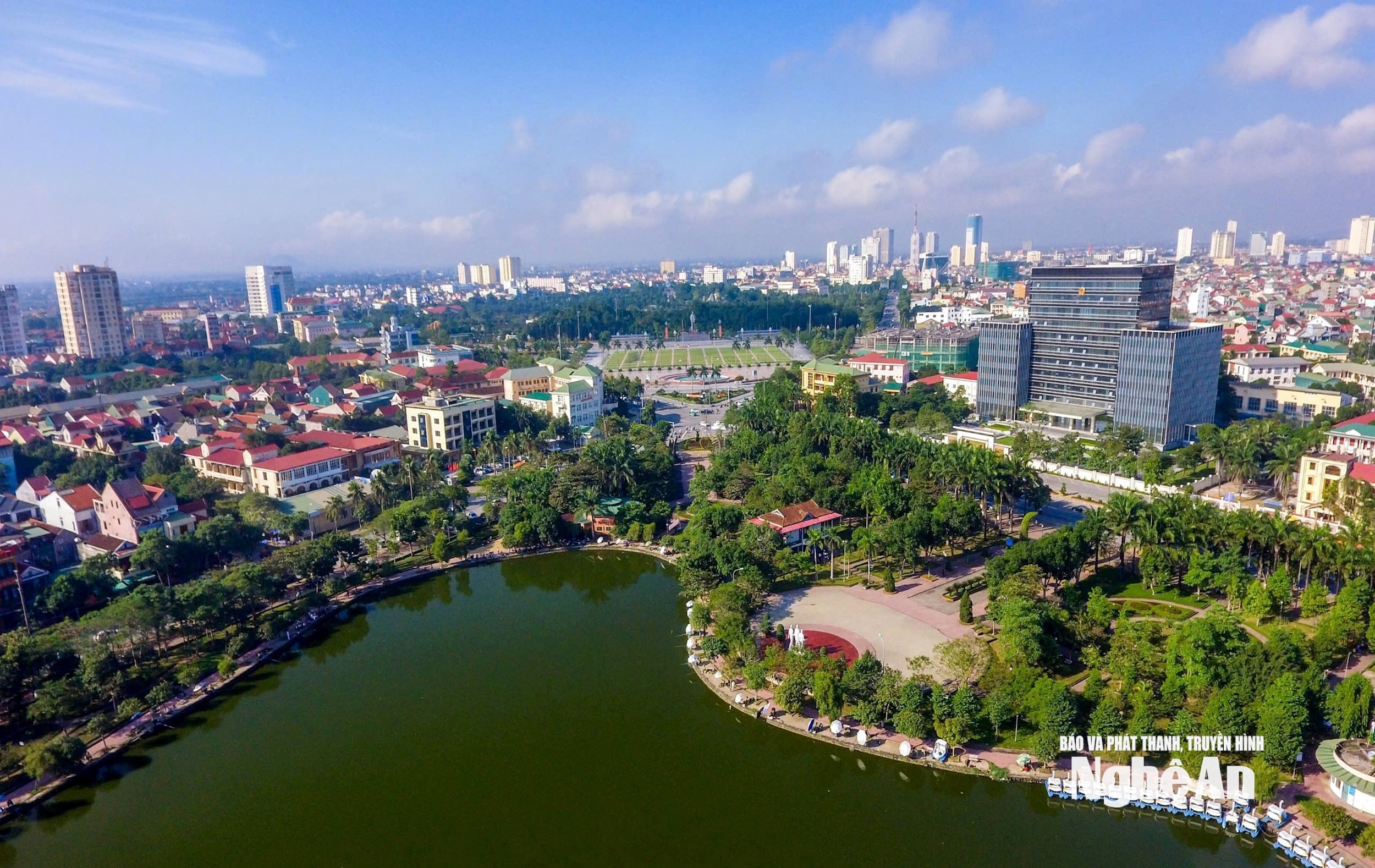
By implementing the above solutions synchronously and effectively, paying utmost attention to selecting and appointing cadres who are truly virtuous and talented, trusted by the people, and upholding the principle of democratic centralism in Party organization and activities; and at the same time, continuing to practice democracy well within the Party and throughout society, our country will certainly achieve rapid and sustainable development in all fields in the new era, successfully realizing the goal of "a prosperous people, a strong nation, democracy, fairness, and civilization"; and fulfilling President Ho Chi Minh's wish: Unity, great unity. Success, great success.
(1) Ho Chi Minh: Complete Works, National Political Publishing House, Hanoi, 2011, vol. 3, p. 256
(2) Ho Chi Minh: Complete Works, op. cit., vol. 3, p. 595
(3) Ho Chi Minh: Complete Works, op. cit., vol. 9, p. 31
(4) Ho Chi Minh: Complete Works, op. cit., vol. 9, p. 368
(5) Ho Chi Minh: Complete Works, op. cit., vol. 13, p. 119
(6) Ho Chi Minh: Complete Works, op. cit., vol. 15, p. 622
(7) Ho Chi Minh: Complete Works, op. cit., vol. 5, p. 309
(8) Ho Chi Minh: Complete Works, op. cit., vol. 5, p. 313
(9) Hanh Nguyen: Converging will and aspirations, stepping firmly into a new era of development, Nhan Dan Online Newspaper, January 10, 2025.
(10) Ho Chi Minh: Complete Works, op. cit., vol. 5, p. 620.
(11]) Documents of the 13th National Congress of Delegates, National Political Publishing House, Hanoi, 2021, Vol. I, pp. 26 - 27
(12) Documents of the 13th National Congress of Delegates, op. cit., vol. I, p. 33
(13) Ho Chi Minh: Complete Works, op. cit., vol. 15, p. 325
(14) Ho Chi Minh: Complete Works, op. cit., vol. 10, p. 561
(15) Ho Chi Minh: Complete Works, op. cit., vol. 12, p. 183
(16) Ho Chi Minh: Complete Works, op. cit., vol. 12, p. 376
(17) Decision No. 217-QD/TW, dated December 12, 2013, of the Politburo “Promulgating the Regulations on social supervision and criticism of the Vietnam Fatherland Front and political and social organizations” and Decision No. 218-QD/TW, dated December 12, 2013, of the Politburo “Promulgating the Regulations on the participation of the Vietnam Fatherland Front, political and social organizations and the people in contributing opinions to building the Party and building the government.
(18) Regulation No. 124-QD/TW, dated February 2, 2018, of the Secretariat of the Central Committee "On the supervision of the Vietnam Fatherland Front, political and social organizations and the people over the cultivation and training of ethics and lifestyle of leaders, key officials and cadres and Party members".
(19) Regulation No. 11-QDi/TW, dated February 18, 2019, of the Politburo "On the responsibility of the head of the Party committee in receiving citizens, having direct dialogue with citizens and handling citizens' feedback and suggestions".
(20) Decision No. 99-QD/TW, dated October 3, 2017, of the Secretariat of the Central Committee “Issuing a framework guideline for Party committees and Party organizations directly under the Central Committee to continue to promote the role of the people in the struggle to prevent and repel the decline, “self-evolution”, and “self-transformation” within the Party”.
(21) Documents of the 13th National Congress of Delegates, op. cit., vol. II, p. 249


