
'Cancer cure' drugs are rampant on social media.
Counterfeit dietary supplements and prescription drugs are rampant on social media. Many products are advertised with "miraculous" effects, even claiming to cure cancer...
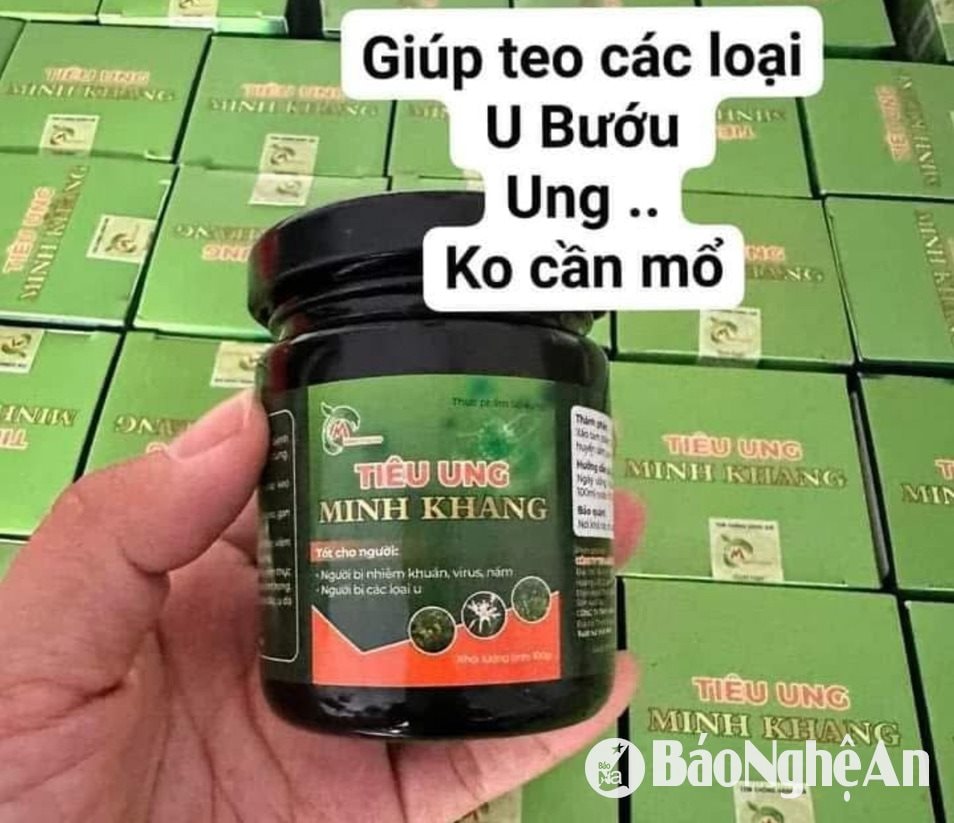
Advertising is rampant on social media.
Currently, on social media platforms like TikTok and YouTube, there is widespread advertising impersonating "traditional medicine practitioners" to sell various types of traditional medicine. Exaggerated claims such as "complete cure for diabetes," "cure cancer without surgery," or "money back guarantee if not cured" appear frequently, preying on the psychology of patients.
For example, on one Facebook page, Minh Khang Traditional Chinese Medicine for treating tumors is heavily advertised with the claim that it "helps shrink various types of tumors and cancers without surgery."
Posing as a patient with a thyroid tumor, when we contacted the phone number listed on the website, a woman who identified herself as the owner of the facility said: "Western medicine may not cure tumors and cancers, but I can cure them. Thyroid tumors are simple; just one course of treatment consisting of 6 bottles of medicine, each bottle costing 320,000 VND, totaling nearly 2 million VND, will shrink the tumor."
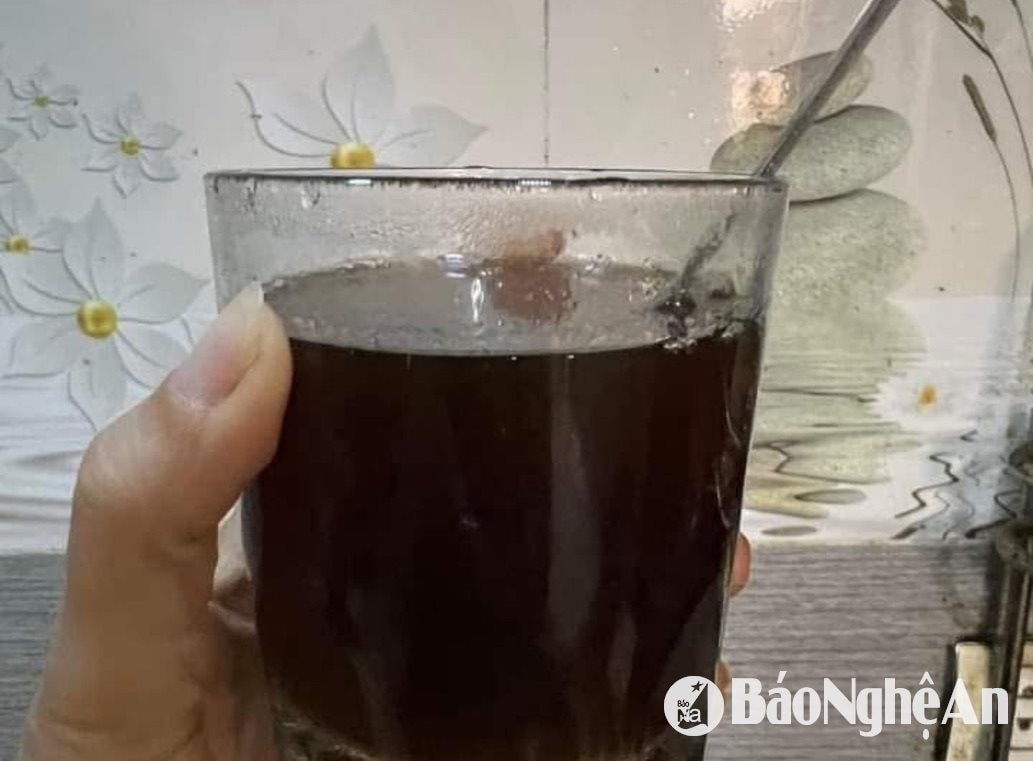
According to this person, the product is traditional Vietnamese tobacco that has been boiled down into a paste. The woman stated that she lives in Dong Le town, Tuyen Hoa district, Quang Binh province. This Facebook page also advertises other products such as: medicine for liver cirrhosis with the promise of "80% reduction after one course of treatment"...
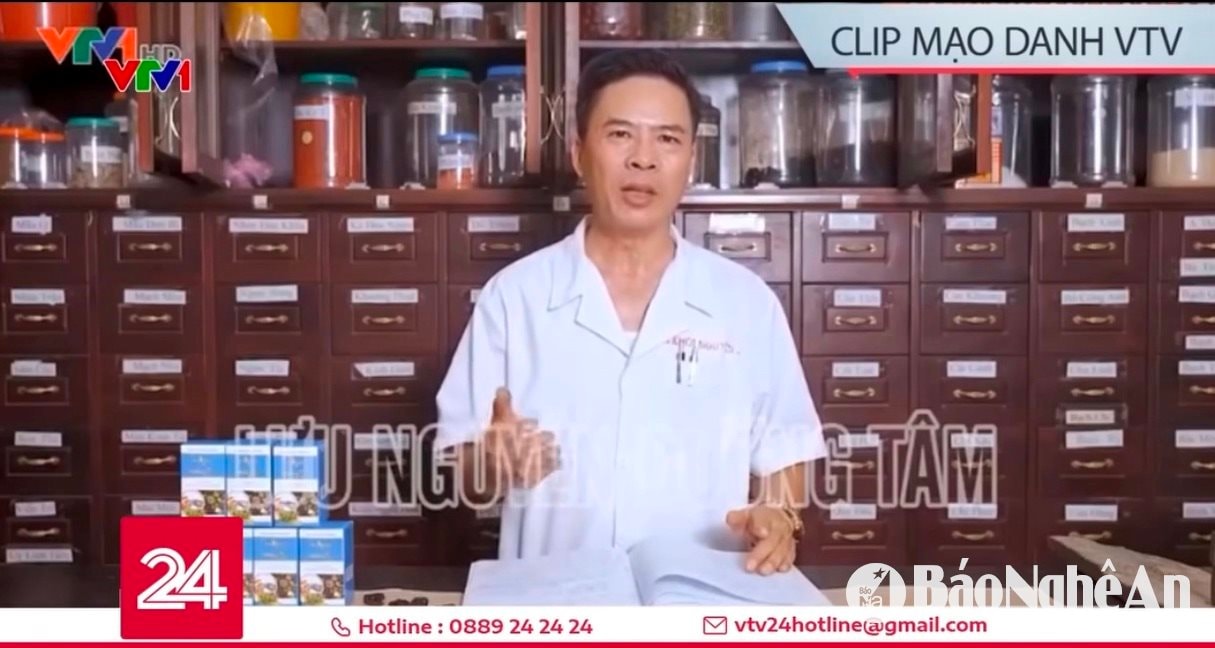
Particularly concerning is the recent case on Facebook under the name "Ba Trai Commune Pharmacy, Ba Vi District (Hanoi)," which posted a video of a person wearing a white lab coat guaranteeing a cure for type 1 and type 2 diabetes with dietary supplements after just one course of treatment, at a price of nearly 2 million VND per month. Notably, this product was also labeled as "broadcast on VTV1" to create false credibility for buyers. However, according to verification from Vietnam Television, this is a fraudulent and unlicensed advertising practice.
Not only medicines, but also products such as liver and kidney supplements, joint pain remedies, skin beautifiers, and hair darkening products are heavily advertised, sometimes accompanied by images of celebrities to appeal to the "buy because of your idol" mentality. As a result, many consumers end up losing money and suffering health problems.
According to experts, many of the unregulated traditional Chinese medicines currently on the market are treated with harmful preservatives and lead, which can cause liver and kidney failure if used long-term.
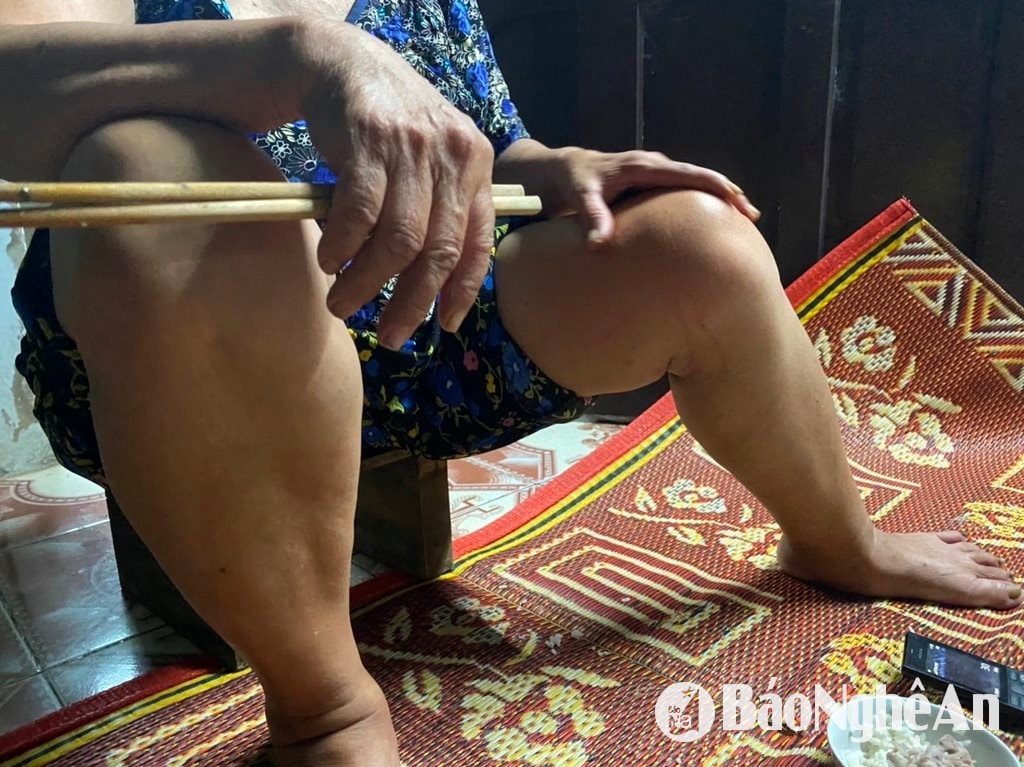
Recently, Mrs. Nguyen Thi L. (75 years old) from Nam Thanh commune, Yen Thanh district, had to be hospitalized for kidney failure. Previously, after seeing an advertisement on YouTube, she bought traditional medicine for bone and joint problems from a facility in Thanh Hoa province for over 9 million VND for a one-year treatment course. However, her condition did not improve; instead, she developed edema. Upon examination at the hospital, doctors diagnosed her with adrenal insufficiency due to using unregulated medication.
The Food Safety Department of the Ministry of Health emphasizes that currently, social media platforms are flooded with advertisements for dietary supplements, especially on platforms like Facebook, TikTok, and Shopee, using flowery language and lacking verification.
In light of this situation, the Ministry of Public Security has recently advised the public to be vigilant when buying and using medicinal products of unknown origin. Currently, many products bearing brand names such as "Bach Thao Joint Pain Relief Balm," "An Tri Vuong Ointment," "Tieu Tri Vuong Ointment," "An Khop Dan," "Phuc Cot Thanh," and "DB Joint Pain Relief Tablets" are appearing on the market and have been dealt with by the authorities.
Management needs to be strengthened.
Mr. Nguyen Hong Phong, Deputy Head of the Nghe An Market Management Department, stated: In the context of the strong development of e-commerce, consumers tend to shop online more. However, many websites, applications, and social networks are becoming places to sell counterfeit and smuggled goods, causing significant losses to buyers and legitimate businesses.

Nghe An, one of the provinces with a relatively fast pace of e-commerce development, currently ranks 14th out of 63 provinces and cities nationwide. The province currently has 534 online sales websites, 4 trading platforms, and 2 mobile applications from organizations and individuals that have notified and registered with the Ministry of Industry and Trade.
However, many difficulties remain in the fight against e-commerce fraud. The majority of consumers still purchase goods through platforms not approved by the Ministry of Industry and Trade. Transactions often take place via text messages, without invoices or transparent contracts, creating loopholes that allow counterfeit goods to infiltrate the market.
Furthermore, Facebook, Zalo, Telegram, TikTok, and YouTube groups are becoming "black markets" for the sale of counterfeit medicines and health supplements of unknown origin. Many sellers impersonate doctors, experts, and even major media outlets to promote their products. This makes consumers, especially the elderly and patients, vulnerable to scams. In fact, there have been numerous cases of people in Nghe An province falling victim to these fraudulent schemes.

Registering a website and purchasing a foreign domain name is now very easy. With just a few simple steps, individuals and organizations can create a "virtual" sales page without going through the approval process of the authorities. When reported, they immediately erase all traces or move to a new location to continue operating, making management and enforcement even more difficult.
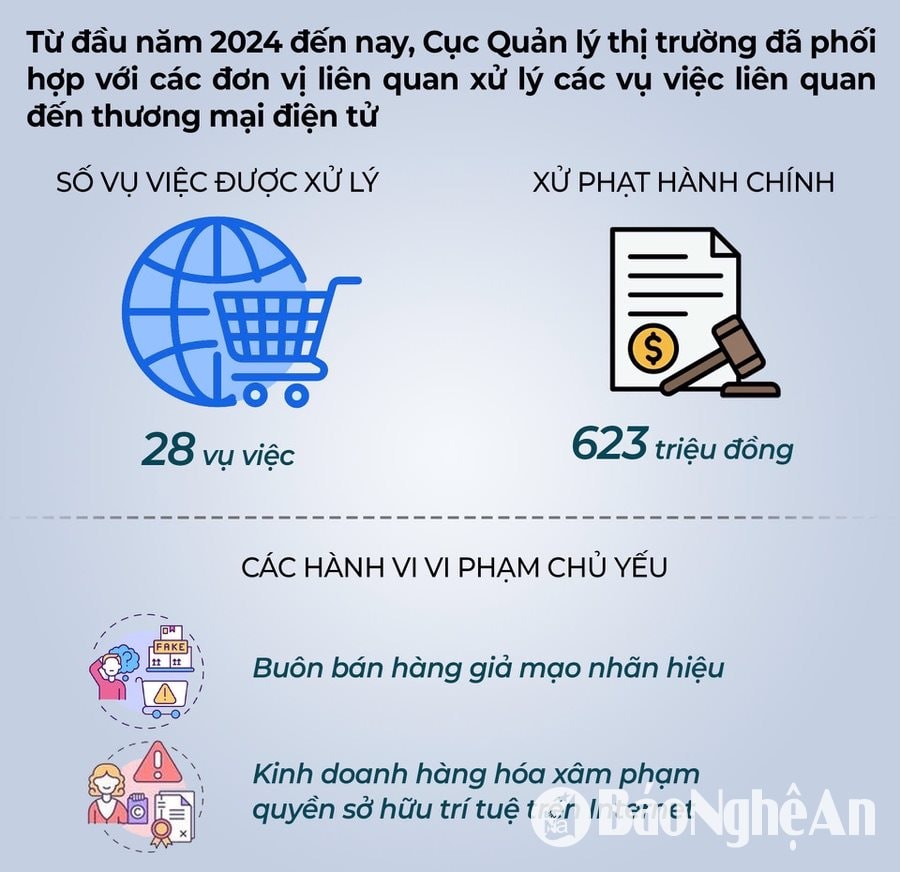
In Nghe An province, authorities have recently discovered and penalized numerous online shopping websites for violations. According to reports, from the beginning of 2024 to the present, the Market Management Department, in coordination with relevant units, has handled 28 cases related to e-commerce, with administrative fines totaling over 623 million VND. The main violations include: trading in counterfeit goods and selling goods infringing intellectual property rights online.
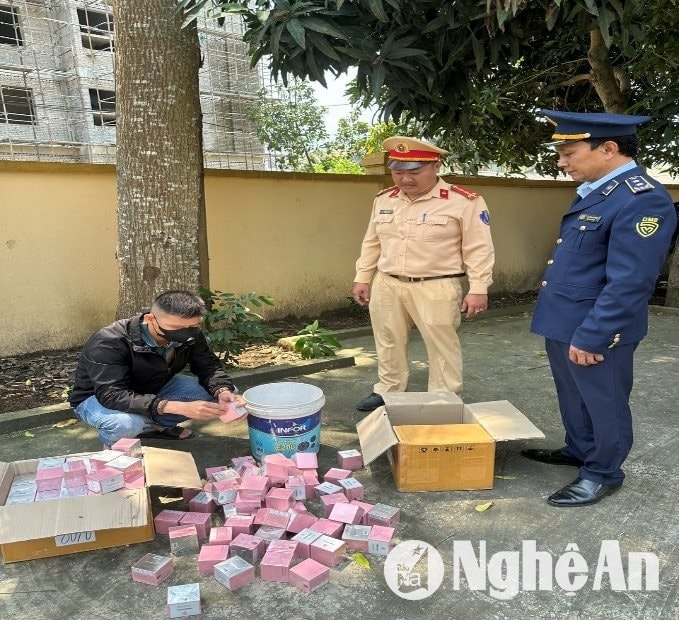
To prevent and deter violations, the Nghe An Market Management Department has implemented several solutions: organizing training courses on distinguishing genuine from counterfeit goods for its staff, assigning inspectors with expertise in information technology to monitor and compile lists of organizations and individuals engaged in e-commerce activities. Simultaneously, it coordinates with other forces to monitor and track down networks, groups, and warehouses used for online sales and livestreaming on social media platforms such as Facebook, TikTok, and YouTube.
According to experts, to completely prevent violations in e-commerce, a coordinated effort from multiple ministries, agencies, and local authorities is needed. At the same time, organizations that publish advertisements without prior content vetting should also be held accountable.
Other authorities also need to actively track down those behind fake websites and severely punish fraudulent acts to set an example. In particular, cases of false advertising that cause serious consequences to public health should be prosecuted criminally.


