
TikTok trend #Fibermaxxing: Eat plenty of fiber, but be careful.
The #Fibermaxxing trend on TikTok encourages increased fiber intake for weight loss and improved digestion. However, eating too much can also have the opposite effect.
Increase fiber intake, the #Fibermaxxing TikTok trend on dieting.
Over the past year, protein has been the star on social media platforms, but now another nutrient is taking over TikTok: fiber. The trend#FibermaxxingIncreasing daily fiber intake is becoming popular, with a plethora of videos sharing high-fiber meals such as cereal bowls mixed with chia seeds, vegetable salads, and dishes containing whole grains.
TikTok users promote benefits such as reducing bloating, aiding digestion, controlling weight, and improving gut health. Nutritionist Mia Syn likens fiber to "the new version of protein" in the current wave of healthy eating.
How much fiber should you get each day?
According to the U.S. Department of Agriculture's Nutrition Guidelines:
Women under 50 should consume 25–28 grams of fiber per day.
Men under 50 should consume 31–34 grams.
However, according to Harvard Health, the average American consumes only 10–15 grams per day – less than half the recommended amount. Even then, only 5% of the US population meets the recommended daily fiber intake.
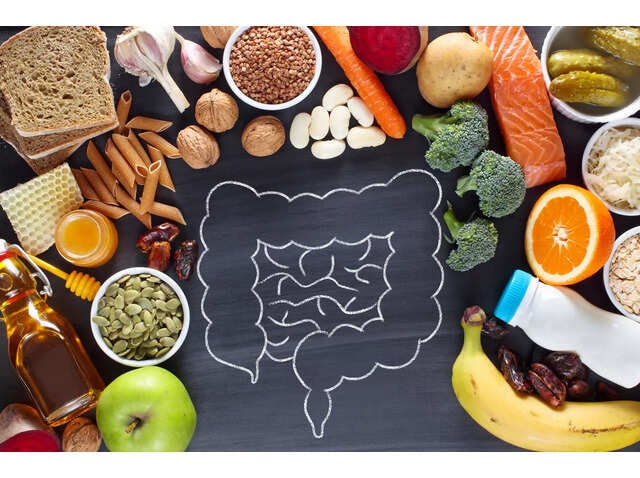
Low fiber intake is linked to numerous health problems, including heart disease, type 2 diabetes, certain types of cancer, and digestive disorders.
Where should we get fiber from?
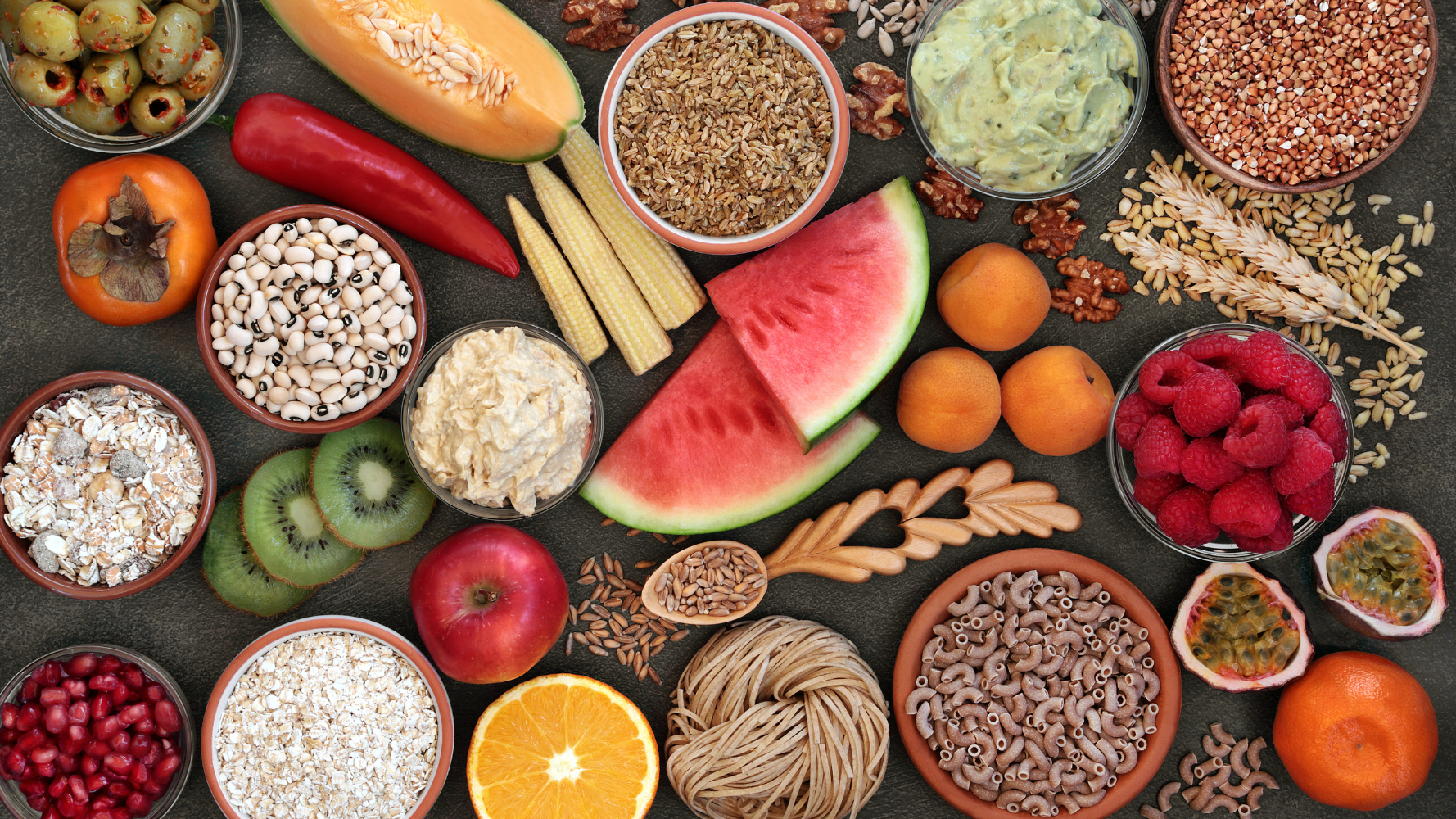
Experts recommend supplementing fiber from natural foods rather than supplements. Foods rich in fiber include:
Whole grains such as oats and brown rice
Seeds such as chia seeds and flax seeds
Fresh fruits such as apples, raspberries, and blackberries.
Vegetables such as cauliflower, green beans, and leafy greens.
Legumes such as lentils and black beans
In addition, you should consume both types of fiber:
Soluble fiber: helps lower cholesterol and stabilize blood sugar.
Insoluble fiber: supports bowel movements and prevents constipation.
Avoid overconsumption: Eating too much can be counterproductive.
Although #Fibermaxxing is quite safe, adding fiber too quickly or in excess can cause digestive problems.
Some common signs include:
Bloating
Stomach-ache
Diarrhea or constipation
Reduced absorption of nutrients such as calcium.
The warning level is around 70 grams of fiber per day, which is much higher than the recommended intake for the average person. To avoid negative reactions, fiber intake should be increased gradually, while also drinking plenty of water to aid digestion.
How to safely start #Fibermaxxing
Harvard Health recommends that you:
Gradually increase your fiber intake: add one more high-fiber serving each week.
Observe your body's reaction before increasing the amount further.
Prioritize natural foods instead of relying on supplements.
Combine this with a healthy lifestyle, including exercise and drinking enough water.
Fiber is an essential nutrient that plays a crucial role in digestion and overall health. However, like any other nutritional trend, adopting #Fibermaxxing requires scientific understanding and moderation. Proper supplementation offers long-term benefits – but overuse can be "too much of a good thing."


