
China unexpectedly sold off more than $3 trillion worth of US bonds.
China unexpectedly sold off more than $3 trillion worth of US bonds, coinciding with the US government shutdown, a move that immediately sent shockwaves through international markets.
While the US government was paralyzed by budget disagreements, China quietly took a groundbreaking step: further reducing its holdings of US Treasury bonds by hundreds of billions of dollars.
Unlike previous US government shutdowns, this time the situation is more serious. The reasons are not only disagreements in Congress, but also because Washington is genuinely short of money. With public debt reaching record levels, interest rates rising, and bond buyers dwindling, China's withdrawal from the market has further exacerbated the tension.
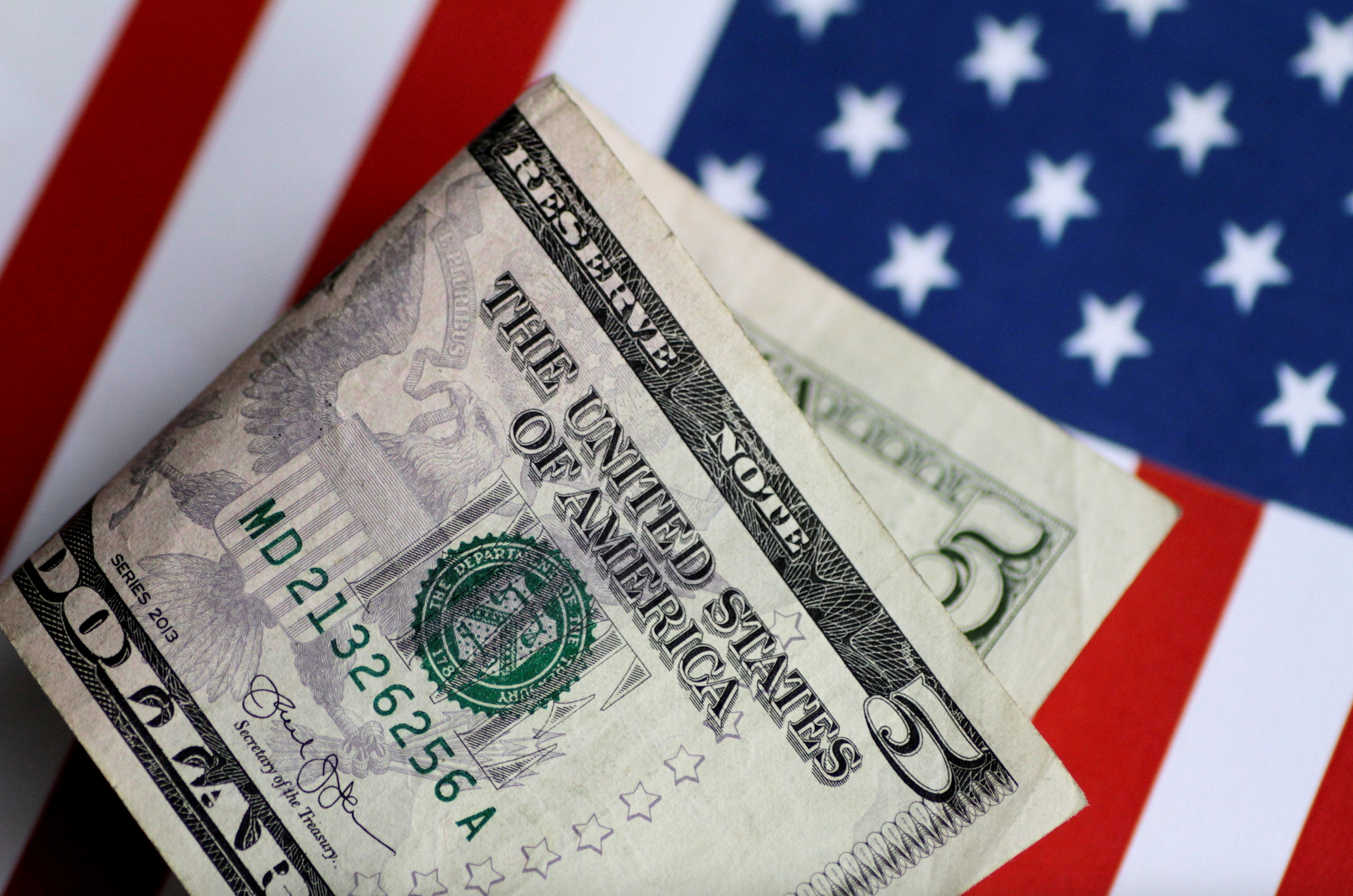
Beijing's reduction of over $3 trillion in US Treasury bonds is not simply a portfolio reshuffle, but a long-term strategy. For years, China has been quietly reducing its holdings of US assets to protect its financial security amid Washington's increasing reliance on debt and political instability.
Financial experts believe this move is both a risk-hedging measure and a subtle warning to the US. With major buyers like China withdrawing, US borrowing costs rise, and market confidence in the dollar is tested.
Once the world's safe haven, U.S. bonds are now becoming a systemic risk. Inflated public spending, unstable revenue streams, and the Federal Reserve's reduction in bond holdings are all putting significant pressure on the U.S. capital markets.
Analysts suggest that China doesn't need loud pronouncements or direct pressure. Through purely technical sales tactics, Beijing has made Washington feel the weight of its influence.
Following the US government shutdown, the reaction from Washington showed clear concern. President Trump initially asserted that the shutdown was good for cutting spending, but just days later softened his tone, calling for dialogue with China. US financial officials also quickly signaled their desire to “restore exchanges” with Beijing.
Despite calls from the US, Beijing has maintained a calm demeanor. Observers believe that China is not in a hurry to react, but is waiting for the US to demonstrate genuine goodwill.
The latest budget crisis exposed weaknesses in the American political structure: persistent partisan conflict, chaotic fiscal policy, and declining confidence in the US dollar. When Washington failed to pass a spending bill on time, hundreds of thousands of public servants were furloughed, and the economy was threatened with collapse.
More importantly, the US's reputation as the "world's most reliable issuer of debt" is shaky. As major creditors like China begin withdrawing capital, other investors are also becoming wary, tightening the US's borrowing capacity.


