
This extremely simple yoga pose is good for both men and women.
The butterfly pose helps improve flexibility and reduce tension. It's ideal for people with tight hips due to prolonged sitting or high-intensity exercise.
How to perform the butterfly pose
This is a classic hip-opening pose, suitable for all levels. You can perform this pose at the beginning or end of a yoga practice, or do it alone.
Tips for practicing the butterfly pose:
- Sit on the edge of a cushion or folded blanket; this increases comfort and makes it easier to sit upright.
To increase the tension, place your feet closer to your hips.
For added comfort, place cushions under your thighs or knees.
- Sit with your back against a wall to support your spine.
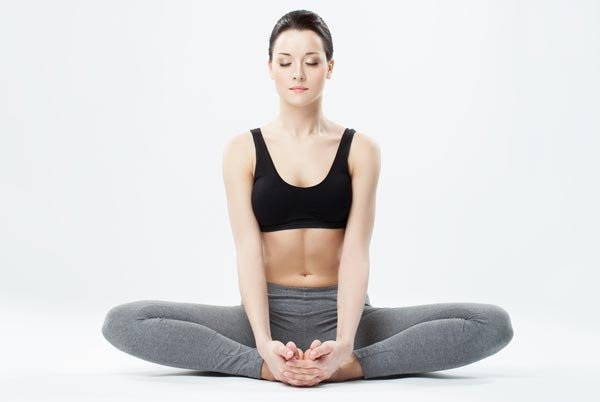
This is a classic hip-opening pose, suitable for all levels. Photo: VD
To perform the butterfly pose:
- Begin in a seated position.
- Gently bend your knees and press the soles of your feet together.
- Interlace your fingers around the little toe of your foot or place your hand on your ankle or lower leg.
- Lengthen your spine and open your chest.
- Pull your shoulders down and close your chest.
Hold this position for up to 5 minutes. Alternatively, you can also rhythmically move your knees up and down.
Benefits of the butterfly pose
According tographlineThe butterfly pose offers several benefits and is a popular pose in yoga classes such as Hatha, Vinyasa, and Yin. Sitting upright and lengthening your spine in the butterfly pose helps improve posture and body awareness.
This pose targets the lower back, hip, and thigh muscles, helping to relieve pain, encourage flexibility, and increase range of motion. Overall, this pose has a soothing and relaxing effect, both physically and mentally. It can also help release tension in the hips and surrounding areas.
To enhance this stress-reducing effect, focus on deep breathing or practice breathing exercises while you are in this position.
Although research on individual yoga poses is limited, there is considerable research on yoga routines that include the butterfly pose.
Improve pelvic health
A small study created a therapeutic yoga program for women with chronic pelvic pain. The women attended yoga classes twice a week, performing 12 yoga poses, including the butterfly pose. Instructors guided the women in practicing yoga at home for one hour each week.
After six weeks, these women experienced a reduction in the severity of pelvic pain and its impact on daily activities, mental health, and sexual function.
Good for men
This hip stretch is beneficial for most men—especially office workers and athletes—as it helps tone the hips and improve mobility. Perform this stretch both before and after workouts to mobilize the hips and relieve pressure in the lower back, or anytime you feel stiffness and want a quick stretch..
Improve mindfulness
You can use this posture to develop inner awareness and prepare your body for sitting for extended periods during meditation.
In another small study, participants in a six-week program that included a 60-minute Vinyasa yoga class followed by 30 minutes of guided meditation experienced significant increases in mindfulness skills and reduced levels of anxiety and stress.
Reduce stress
The butterfly pose helps to loosen your lower back, hips, and inner thighs, which can reduce discomfort and help you feel better overall. It can also have a calming, relaxing effect, helping you manage and release stress.
According to a recent research review, most forms of yoga are beneficial in reducing stress in healthy individuals.
Reduce depression
Practicing the butterfly pose as part of a yoga routine can help improve mood and reduce depression.
The results of a small study suggest that yoga may reduce depression levels in people with mild to moderate severe depression. Participants who attended 90-minute Hatha yoga classes twice a week for eight weeks experienced a significant reduction in depression levels.
Good for pregnant women
You can safely incorporate the butterfly pose into your prenatal yoga routine throughout your pregnancy. It helps relieve tension and stiffness in the lower back, hips, and inner thighs, increasing flexibility and promoting relaxation.
This position also helps strengthen and improve circulation in your pelvic floor muscles. These benefits can help you physically prepare for childbirth and may contribute to a smoother delivery.
Prenatal yoga can also help reduce stress, anxiety, depression, and pain response, while improving immunity and mental health.


