
What should you do if you have low blood pressure?
What is hypotension, and what should you do if you experience it? Symptoms of hypotension, causes, and ways to prevent it. What is hypotension, or orthostatic hypotension?
If you are lying down or sitting and then suddenly stand up and experience the following symptoms, you may be experiencing orthostatic hypotension, also known as low blood pressure:
Dizziness, lightheadedness, blurred vision, headache, drowsiness or fainting, fatigue, feeling weak in the limbs, or cognitive impairment.
At this point, your systolic blood pressure is dropping by at least 20mmHg and/or your diastolic blood pressure is dropping by at least 10mmHg within 3 minutes while standing. This happens when you lie down or sit, causing gravity to shift blood flow to the lower extremities for longer periods, reducing blood flow back to the heart. As a result, the heart is unable to supply enough blood to the entire body, leading to reduced oxygen supply to the brain.
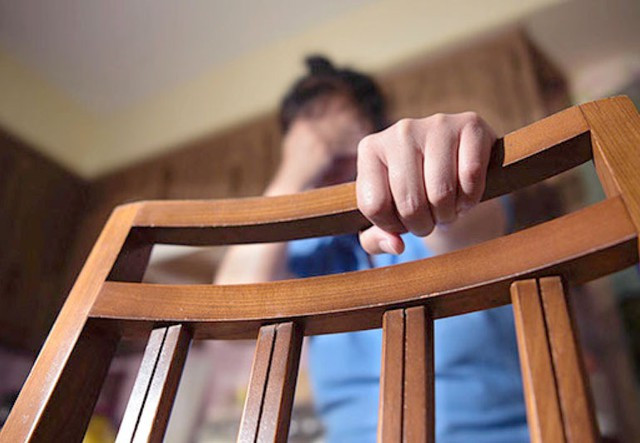
These symptoms can last for a few seconds or minutes, and may disappear if the patient lies down to rest. However, this condition may be worse in the morning. Orthostatic hypotension can occur at various ages and in different groups, but some groups are more susceptible, such as:
If you experience low blood pressure as described above, you should lie down and rest to allow your blood pressure to rise and stabilize. You can elevate the legs above the head and offer the patient ginger tea, licorice tea, coconut water, coffee, etc. In case the patient shows unusual symptoms such as cyanosis, sweating, rapid breathing, etc., they should be taken immediately to the nearest medical facility.
Is low blood pressure dangerous?
Orthostatic hypotension can stem from various causes. Some common causes include medications, cardiovascular problems, diabetes, nervous system disorders, and dehydration.
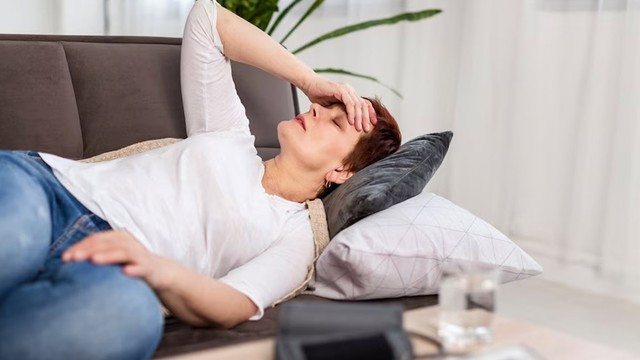
If orthostatic hypotension (low blood pressure) occurs frequently, you need to consult a specialist to determine the cause. This clinical condition can lead to significant complications or death, especially in the elderly. Furthermore, orthostatic hypotension can cause falls and other injuries. Prolonged orthostatic hypotension can affect the nervous system, leading to memory impairment.
To prevent orthostatic hypotension, you should limit sudden changes in posture. Ideally, you should transition slowly from lying down to sitting and then stand up gradually. Patients with hypertension or the elderly should also avoid standing for extended periods.
In addition, you can consult your doctor to choose a suitable diet and always ensure you stay adequately hydrated to avoid dehydration.


