
Reaching new heights to live up to its reputation as a 'land of learning'.
(Baonghean.vn) - In just one week, students in Nghe An will officially return to school, preparing to begin the new academic year 2022-2023. This is the year the Education sector will implement a new textbook program according to the new general education curriculum and begin piloting advanced educational models. Ahead of the new school year, Nghe An Newspaper conducted an interview with Professor Dr. Thai Van Thanh - Director of the Department of Education and Training.
Education must be genuine, with genuine learning and genuine testing.
PV:Professor Thai Van Thanh, we have just concluded a challenging but quite successful academic year. Could you please share some of the achievements of the department?GWhat achievements has Nghe An's education sector made in the past year?
Professor Dr. Thai Van Thanh:As we know, the 2021-2022 school year was a year in which the education sector continued to be affected by the Covid-19 pandemic. Therefore, for the first time, students throughout the province had to start the school year online. The school year plan was disrupted, and the curriculum and educational content had to be changed frequently to suit the hybrid format of in-person and online learning. The prolonged online learning (for example, in Vinh City, elementary school students only returned to school in person at the beginning of April) also significantly affected the psychology of parents, students, and teachers.
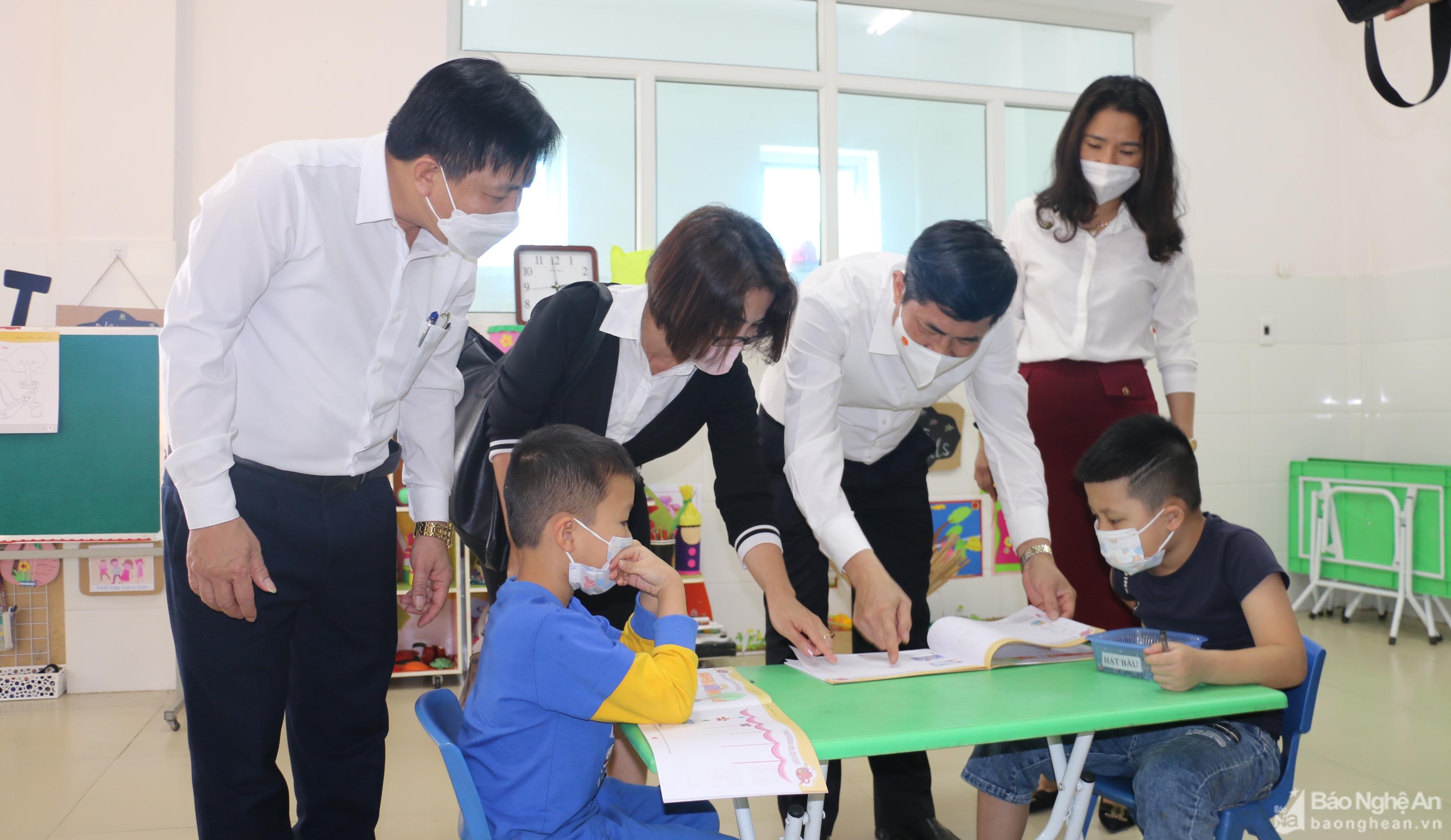 |
The Director of the Department of Education and Training inspects teaching and learning in Vinh City during the pandemic. Photo: My Ha |
In this context, the Education sector has responded flexibly, shifting its operational status and implementing numerous tasks and solutions to effectively manage epidemic prevention while ensuring safe teaching and learning, as well as maintaining the curriculum, objectives, and quality of education. Simultaneously carrying out these two "dual" tasks was very challenging at times, but thanks to the efforts of teachers, schools, and the support of parents and students, Nghe An province completed the school year with many outstanding results at all levels.
In the 2021-2022 academic year, Nghe An continued to maintain its position among the top 5 provinces nationwide in terms of outstanding students; with 3 students winning Gold, Silver, and Bronze medals at regional and international Olympic competitions.
The sector has also implemented comprehensive solutions to improve the overall quality of education and to guide students after lower and upper secondary education. As a result, in the provincial-level Grade 12 excellent student competition, 43 students from ethnic minority and mountainous areas won first, second, and third prizes (an increase of 5 students compared to 2021). The results of the 2022 High School Graduation Examination ranked 20th out of 63 provinces and cities, an increase of 14 places compared to 2021. This is a very commendable achievement.
Nghe An also fulfilled the set targets for schools meeting national standards; achieved universal preschool and lower secondary education standards, and became the 25th province to achieve level 3 universal primary education. It completed all targets and tasks for the 2021-2022 school year, organizing examinations safely, seriously, honestly, and in accordance with regulations.
PV:The education sector is implementing fundamental and comprehensive reforms in education and training, and carrying out the 2018 General Education Program. In Nghe An, how is the implementation of these contents being carried out, sir?
Professor Dr. Thai Van Thanh:To effectively implement the 2018 General Education Program, in the past academic year, Nghe An continued to implement many solutions such as rearranging and consolidating school locations to ensure the teaching of Information Technology and Foreign Languages for primary school students; and strengthening programs in Foreign Languages, Information Technology, and STEM education. Nghe An also made breakthroughs in building and effectively implementing models to improve the quality of education: the model of coordinating families, schools, and communities in caring for and educating preschool children; the model of high-quality key schools; advanced preschools and general education schools in line with international integration trends; and the model of schools helping schools and departments helping departments.
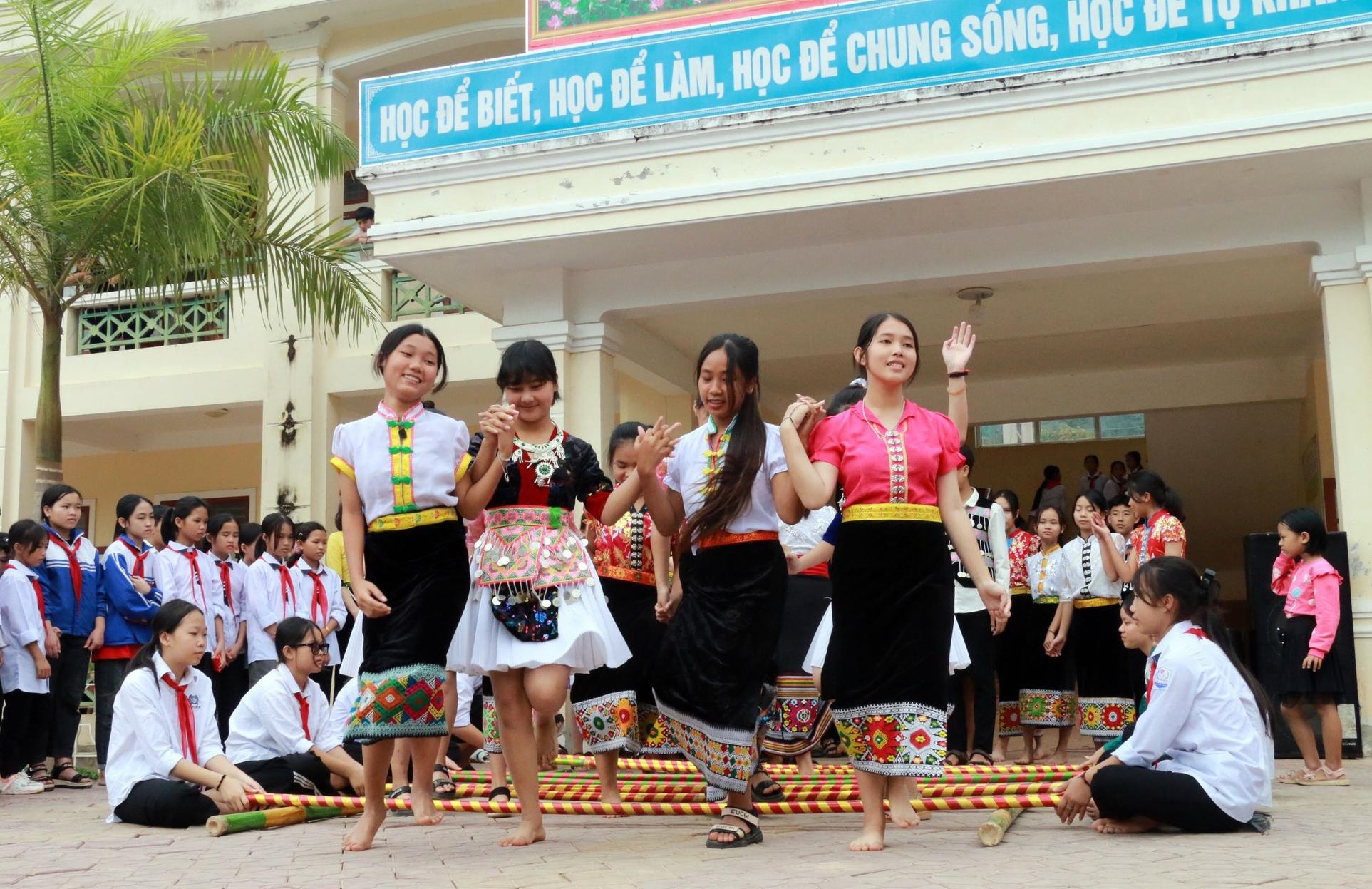 |
Extracurricular activity of students at Ky Son Ethnic Boarding Junior High School. Photo: My Ha |
In particular, during the past academic year, Nghe An was the first province in the country to implement a quality assurance model, creating a breakthrough in school governance innovation. The core and key content of quality assurance is the process and procedure for establishing student learning outcomes. This also serves as the basis for affirming the competence of teachers, the leadership and management of subject departments, school principals, and state management agencies. Throughout the implementation process, this model emphasizes the responsibility of the heads of educational institutions and ensures that teaching and learning are genuine, exams are genuine, and products are genuine.
The top priority is teacher quality.
PV:The new school year is fast approaching, but it seems that every year, alongside the joy and excitement, there are still worries, difficulties, and shortcomings. What are those, sir?
Professor Dr. Thai Van Thanh:The teaching staff will determine the quality of education. However, despite the latest Politburo decision to add more than 2,800 teachers to Nghe An province, the shortage of teachers in the province remains significant (in 2021, Nghe An proposed more than 7,800 positions), and the number of teachers needed this year has increased even more, totaling nearly 6,000.
Secondly, the synchronized infrastructure and equipment needed to ensure teaching and learning according to the 2018 General Education Program are still inadequate and lacking in many schools.
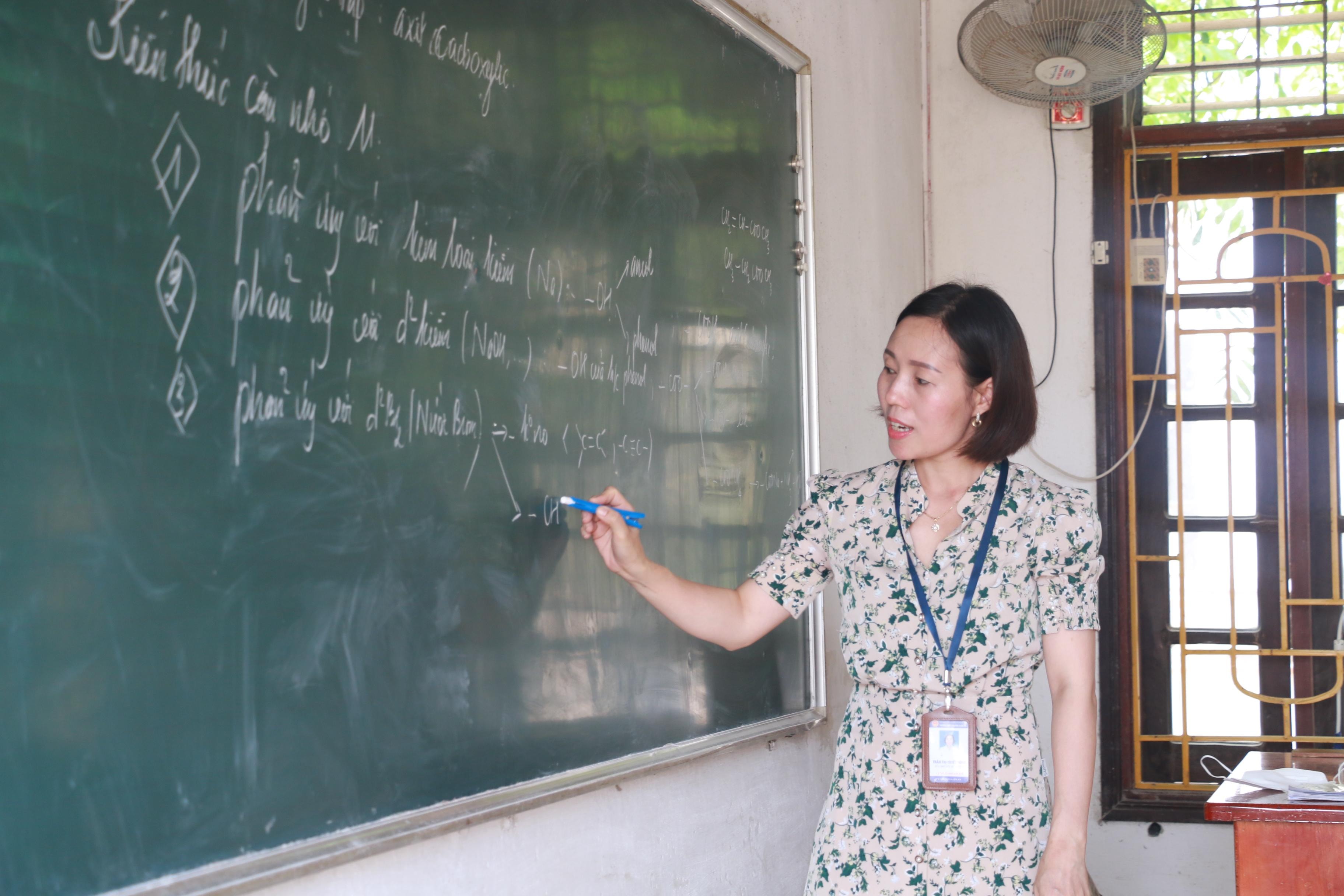 |
Nghe An province will propose mechanisms to support English teachers in order to improve the quality of foreign language learning. Photo: My Ha |
Implementing the 2018 General Education Program with a new approach focusing on developing students' qualities and competencies will lead to difficulties for teachers, especially this year as we are replacing textbooks for 10th-grade students. Management will also face challenges, as principals will have to manage two programs simultaneously, plus elective subjects.
PV:As you mentioned, Nghe An province has recently been allocated over 2,800 additional teaching positions, which is truly good news for schools and many teachers. So, how will the recruitment process be conducted, and who will be prioritized?
Professor Dr. Thai Van Thanh:The recruitment and allocation of teachers is within the authority of the Department of Internal Affairs. However, we have also discussed and requested that the Department of Internal Affairs prioritize the recruitment of contract preschool teachers under Circulars 06 and 09. Following that, priority should be given to primary school teachers, secondary school teachers, and high school teachers. The previous teacher shortage has been compiled and calculated by the Department on a school-by-school and district-by-district basis, so when allocating quotas, relevant departments and agencies will balance them according to each district to ensure timely supplementation for localities.
PV:Regarding the 2022-2023 school year, the Department of Education and Training is planning to pilot a boarding high school program in Ky Son and Que Phong districts. So, how will this be implemented, sir?
Professor Dr. Thai Van Thanh:To date, the province has 8 ethnic boarding schools, including 6 ethnic boarding junior high schools, 2 ethnic boarding high schools, 57 ethnic semi-boarding schools, and 55 general schools with semi-boarding students, comprising 1,734 classes and 45,969 students. Of these, 24,061 students benefit from the policies and regulations under Government Decree No. 116/2016/ND-CP dated July 18, 2016. The implementation of the semi-boarding and boarding school model has significantly contributed to stabilizing schools, reducing student dropout rates, and improving the quality of education and training.
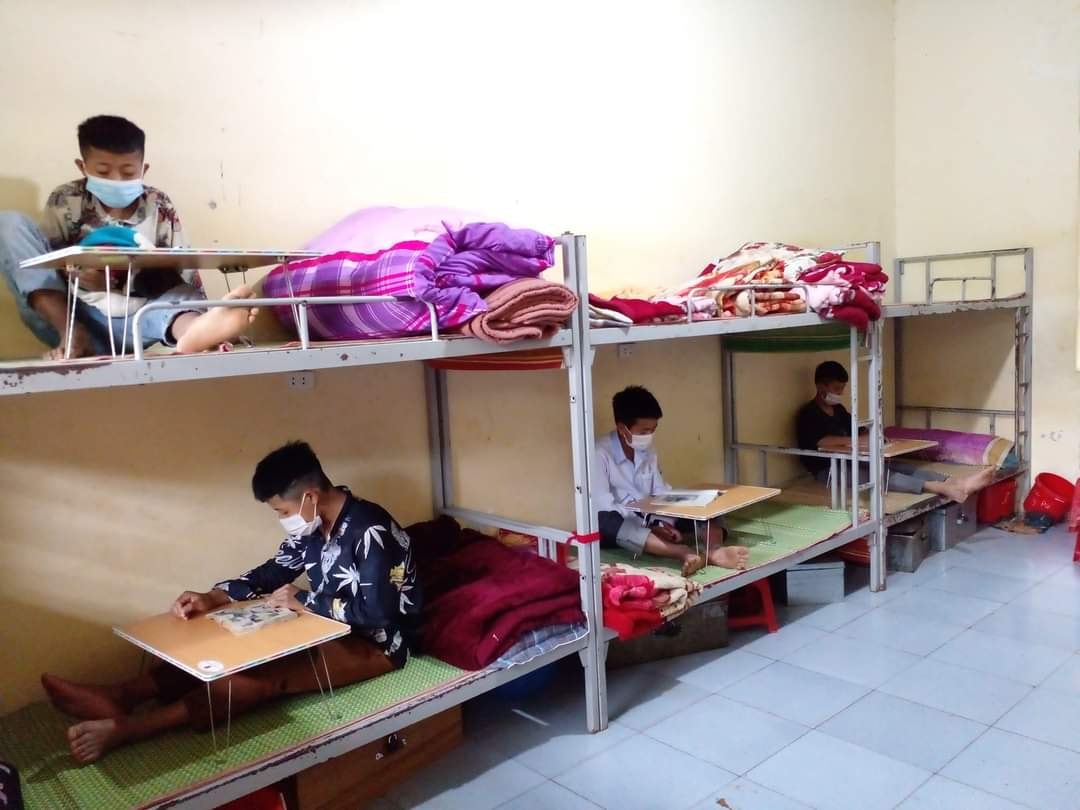 |
Students who are accommodated in boarding facilities can focus on their studies with peace of mind. (Photo: Archival material) |
For high school level, the boarding school model has previously been implemented in several districts and has proven effective. Therefore, starting this school year, the Education Department has proposed piloting the boarding school model at Ky Son High School and Que Phong High School.
We are currently developing specific criteria, but it can be understood that the new type of ethnic boarding school is a specialized school established by the State for children of ethnic minorities and children of families of ethnic groups who have long-term residency in areas with particularly difficult socio-economic conditions, contributing to the creation of high-quality human resources to meet the requirements of construction and development for these areas in the new phase.
The school has a friendly and positive educational environment, in line with the cultural identity of the ethnic groups, and provides high-quality education so that each student has the opportunity to develop their qualities and abilities, helping students to develop comprehensively, acquire life skills, and always be dynamic, creative, confident, and adapt quickly in the process of integrating into life.
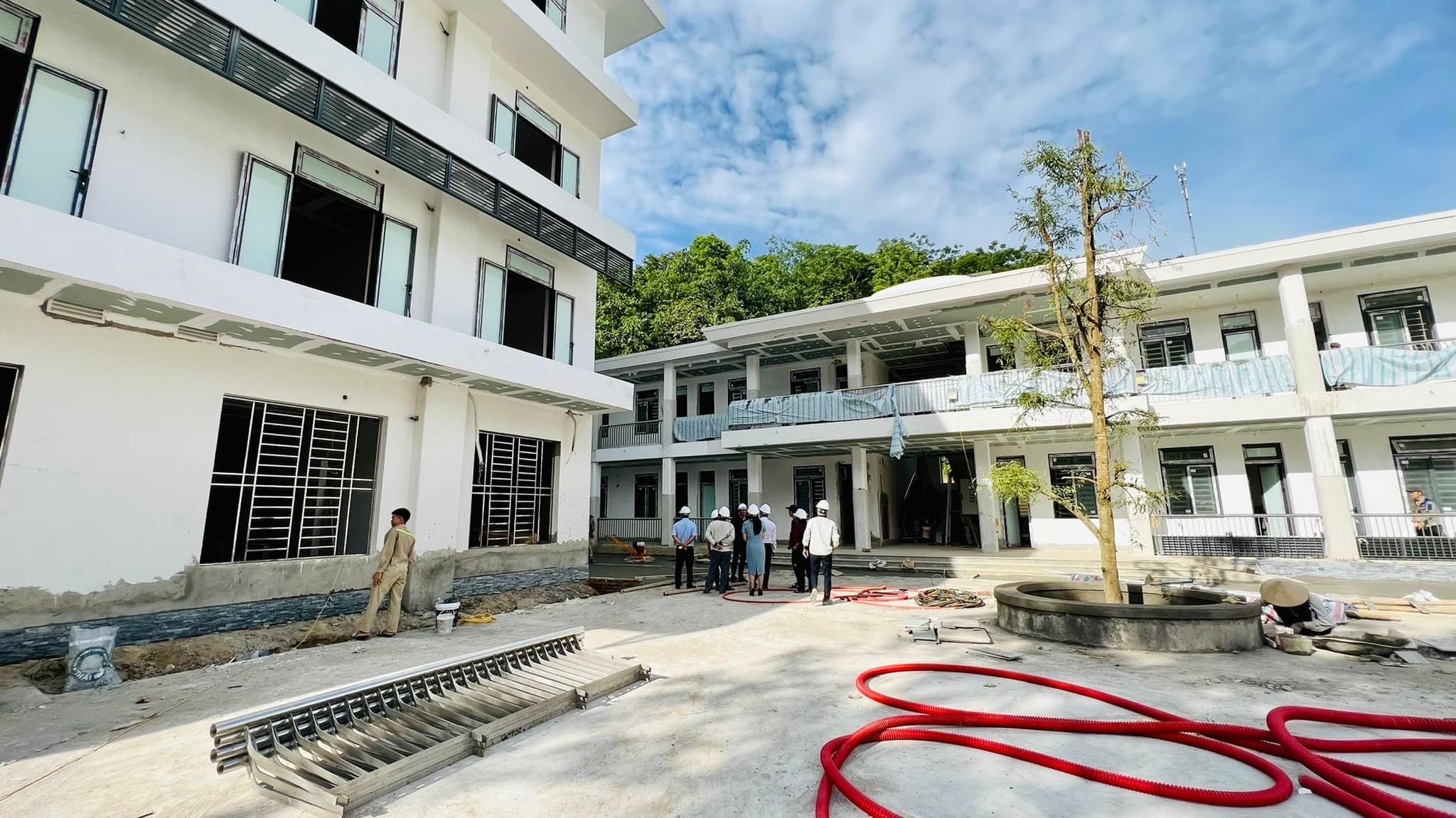 |
| Ky Son High School is nearing completion and will be ready for use in the new school year, and will be piloted as a boarding high school. Photo: Ky Son District Culture, Sports and Tourism Center. |
PV:This school year marks the third year that the education sector has implemented the new general education program. So, could you share the tasks of the sector for the 2022-2023 school year?
Professor Dr. Thai Van Thanh:Building on the achievements of the past academic year, the sector will focus on key areas including: continuing to advise the Provincial Party Committee and the Provincial People's Committee on issuing mechanisms and policies to promote and create breakthroughs in educational and training reform; continuing to reorganize the network and consolidate school locations to ensure the teaching of Informatics and Foreign Languages to 3rd grade students; and implementing the best conditions for the 2018 general education program.
Currently, in addition to preparing for teacher recruitment, Nghe An province has also reviewed the minimum equipment and materials to ensure the new curriculum is implemented. Simultaneously, teacher training is underway, and as a result, Nghe An teachers are very confident in implementing the new textbook program. The sector is also promoting the second phase of digital transformation, linked to administrative reform and school governance, aiming to create a breakthrough in education and training.
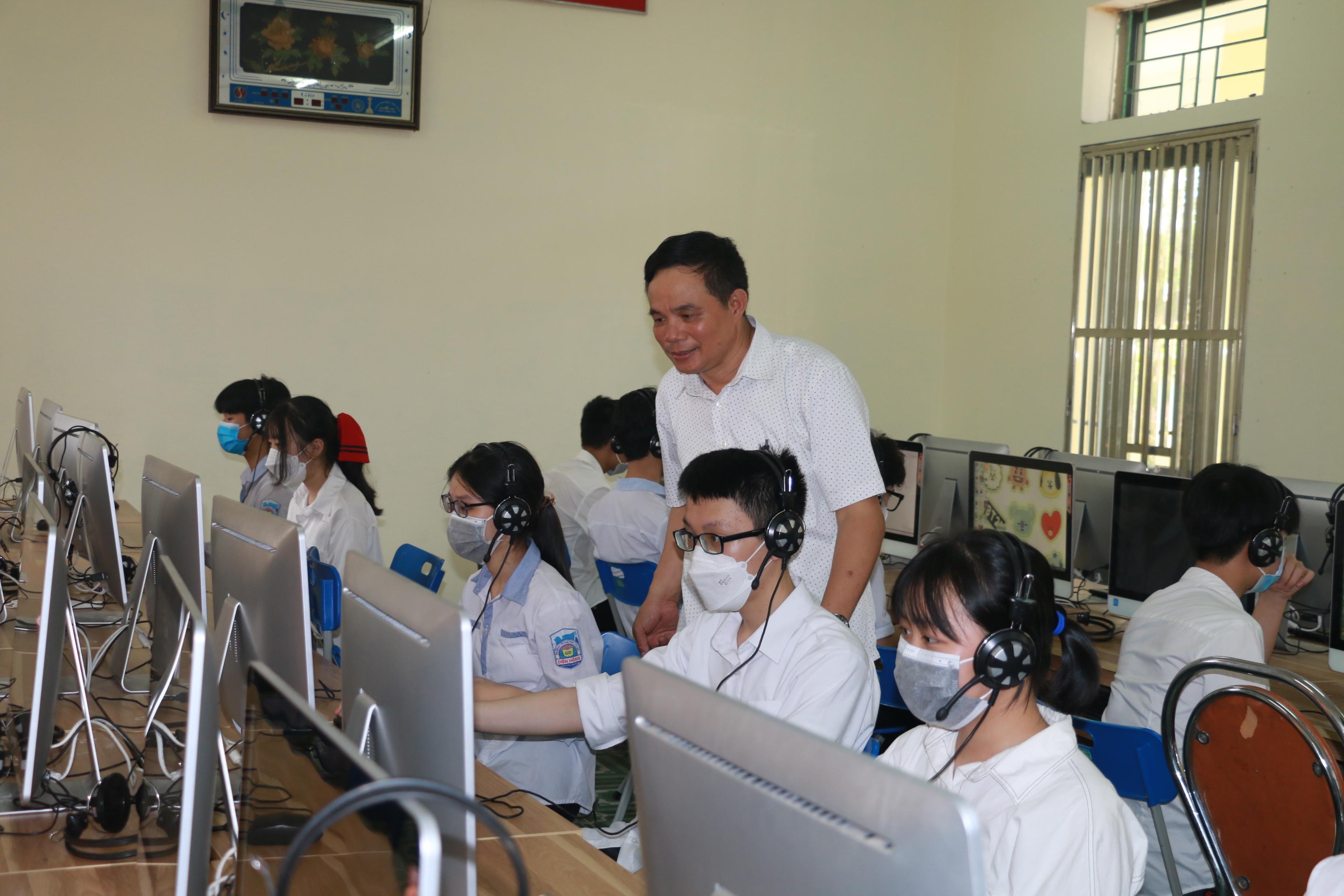 |
| Dien Hong Secondary School (Dien Chau district) has invested in a modern computer lab to prepare for the new General Education Program. Photo: My Ha. |
Ahead of the new school year, the education sector has developed new educational models such as advanced schools, ethnic boarding schools at all three levels, and models for ensuring the quality of general education… We also aim to move from 20th place to 15th place to live up to our reputation as a land of learning. In addition, the sector is proposing policies for teachers with high-level foreign language certificates (especially in mountainous areas) to encourage the improvement of foreign language teaching and learning quality in schools. From there, in the future, all students in Nghe An will have life skills, values, and global skills to increase their competitiveness…
PV:Thank you for this conversation!


