
10 bad habits that make you gain weight
Even if you've been doing everything you can to achieve your ideal body shape, there are times when you've done things wrong and ended up gaining weight.
You may know the basic rules of weight loss—avoiding excessive fat and carbohydrates, drinking plenty of water, and limiting alcohol—but putting them into practice isn't simple. Here are 10 bad habits that completely sabotage your weight loss plan.
1. Stress
Stress can cause weight gain because when you're stressed, you don't pay attention to reading product labels and may make decisions that are detrimental to your health.
Stress causes fat accumulation—especially around the waist—increases appetite and releases hunger/satiety hormones, making it difficult to detect when you're full.
2. Lack of sleep
Lack of sleep will make you tired. When you feel tired, you seek energy from sugar and caffeine. Eating sugar provides you with a high energy boost immediately, followed by a rapid decline, and then it can lead to weight gain.
 |
| Lack of sleep increases the levels of appetite-stimulating hormones, which in turn increases fat production and leads to weight gain. |
3. Lie down on the couch.
Tired of going to the gym and just want to lie on the couch? Don't do that. Regular exercise not only helps you feel less stressed, happier, and healthier, but it also helps you lose weight.
4. Doing too many things while eating.
Don't do anything else while you eat. When you eat and simultaneously do anything else, such as watching TV, working on a computer, reading, or driving, the signals from your stomach to your brain are disrupted, and you don't receive the signal that you're full.
5. Eat at a restaurant.
If you eat at restaurants, you're more likely to consume foods high in fat, salt, and sugar. When eating at home, you can control what you eat and help achieve your desired waistline.
6. Adding unhealthy foods to healthy foods.
Salads for lunch are great, as long as you're mindful of what you add to them. The calories and fat in the toppings (like cheese, toast served with soup, and cream) can really add up, so only add a little to your salad. A great way to reduce calories is to replace bad fats with good fats, or to keep them separate and add them later.
7. Using "diet" food/drinks with the wrong label.
Foods marketed as "diet" foods can be dangerous and hinder your weight loss efforts. High-carbohydrate "diet" foods are more commercially driven than beneficial to health. These "diet" foods lack nutritional value and contain high levels of preservatives and salt, which are detrimental to weight loss.
8. Eat fruit
Fruits are eaten in the summer and are packed with vitamins, but they are also high in calories and sugar if you're not careful.
Bananas, plums, and mangoes are high-calorie fruits; one cup of mango contains 107 calories. You should limit your fruit intake and choose lower-calorie options, such as apples, cantaloupe, or berries, to curb your appetite without consuming excess carbohydrates.
9. Eating breakfast the wrong way
Breakfast is the most important meal of the day, which is why you should choose foods that provide you with protein, healthy fats, and carbohydrates. Avoid cereals with dried fruit and honey, as these ingredients add sugar and fat.
It's important to know the serving size, the type of dairy you choose, and other accompanying foods, such as sugar or honey. It's best to start the day with a large portion of protein, as it can help balance blood sugar levels.
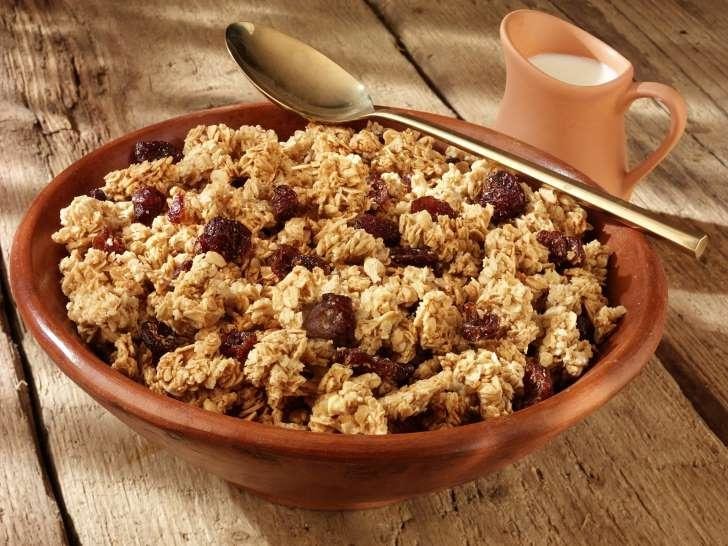 |
| It's best to start the day with a large portion of protein, as it can help balance blood sugar levels. |
10. Dehydration
Not drinking enough water can be a reason for weight gain. Drinking water helps flush toxins out of the body and keeps you hydrated. Insufficient water intake can cause your body to retain fat, leading to weight gain.
According to VOV
| RELATED NEWS |
|---|


