
Does the blue light from your phone really cause you to lose sleep?
Many people believe that the blue light from phones is the "culprit" behind insomnia. However, experts say the problem is much more complex and not solely due to blue light.
Over the years, blue light has been a constant topic of discussion when it comes to sleep health. A range of products, such as blue light filtering glasses, night modes on phones, and "eye-protecting" screens, have emerged to reduce the impact of this type of light.
However, experts say blue light isn't entirely harmful. In fact, it plays an important role in the human circadian rhythm. The more concerning issue may lie in how we use our phones at night, rather than just the light emitted from the screen.
How does blue light affect the body?
The sun is the largest source of natural blue light that humans are exposed to every day. This light helps keep the body alert during the day and maintains its natural circadian rhythm.
According to scientists at Oxford University (UK), the light entering the eye plays a role in synchronizing the body's internal biological clock with the external day-night cycle. This allows the body to know when to be awake and when to rest.
The problem arises when we are exposed to bright light at night, especially for extended periods. Blue light can trick the brain into thinking it's still daytime, thereby affecting hormone production and disrupting circadian rhythms related to sleep, appetite, and energy levels.
However, researchers emphasize that it's not just blue light that has an impact. A protein in the eye called melanopsin reacts strongly to blue light, but it is also affected by many other types of light.
This means that attributing all insomnia to blue light from phones is an overly simplistic view.
Phones can make it difficult for you to sleep for a variety of reasons.
A study in Portugal showed that the amount of blue light emitted from common electronic devices is significantly lower than that of natural daylight.
Experts believe that screen time, screen brightness, duration of exposure, and level of mental stimulation are the factors that most strongly influence sleep quality.
In other words, lying in bed scrolling through social media, watching videos, or playing games before bed can keep your brain awake longer, even if you've turned on your blue light filter.
This is also why the blue light-blocking glasses industry continues to thrive, projected to reach billions of dollars in value in the next decade, despite the debate surrounding its actual effectiveness.
Is night mode really effective?
Many phones now come with a night mode to reduce the amount of blue light emitted from the screen.
A comparative study showed that both blue light filters and night mode help reduce exposure to short-wavelength light. However, night mode on electronic devices was found to be more effective in reducing direct blue light exposure.
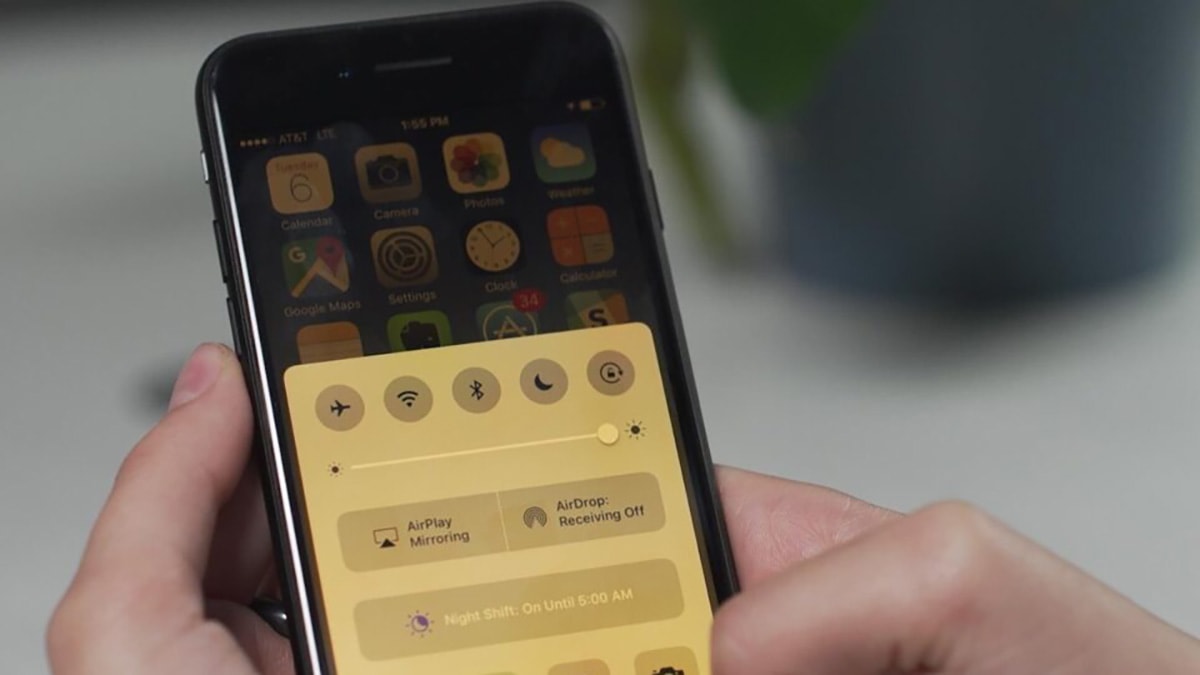
However, simply reducing blue light isn't enough to improve sleep if users continue to use their phones for too long before bedtime.
A medical study in Saudi Arabia showed that using electronic devices before bed is generally associated with poorer sleep quality.
Meanwhile, research from the University of Washington (USA) found that people who frequently use screens at night have about 33% higher rates of poor sleep compared to those who limit screen time before bed.
What do experts recommend for better sleep?
According to researchers, one of the simplest ways to improve sleep is to limit phone use for at least 30 minutes before bedtime.
Additionally, leaving your phone in another room or avoiding constant exposure to social media at night can also help your brain relax better.
Scientists at the University of Southern Mississippi (USA) say that exposure to bright light during the day, especially morning sunlight, can help the body regulate its natural circadian rhythm more effectively.
In addition, a study from the University of Texas (USA) suggests that taking a warm bath before bed can also help the body fall asleep more easily. When body temperature rises slightly and then falls, the brain receives a signal that it's time to rest.
Experts emphasize that the key to a good night's sleep isn't about "completely eliminating blue light," but rather about building healthy habits for using electronic devices and maintaining a stable daily routine.


