
How to preserve fresh food during Tet (Vietnamese New Year) so that it doesn't lose its quality?
During Tet (Vietnamese New Year), families often buy a lot of food to stock up. Dried goods seem easier to preserve, but fresh goods are a bit more complicated to store.
Raw and cooked foods should be stored in separate, airtight containers in different compartments. Avoid placing opened raw foods near processed foods.
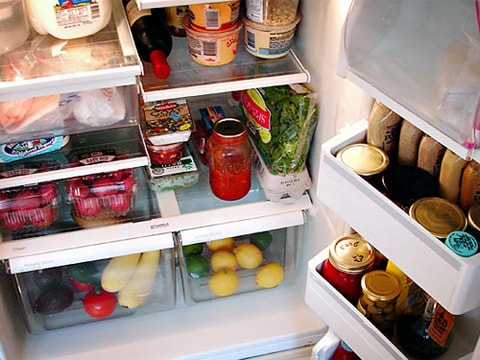 |
| Illustrative image |
Vegetables and fruits also require attention. They should not be stored together. If one type spoils, it can easily damage the other. Furthermore, fruits produce ethylene gas, which ripens green vegetables; therefore, mixing them will cause the vegetables to yellow and rot more quickly.
How to preserve fresh food: It should be stored in the refrigerator.
Fresh meat and fish need to be frozen to preserve them for longer periods. They should be cleaned before being placed in containers or plastic bags, sealed tightly, and stored in the freezer. When needed, thaw and use them for cooking.
Pork and beef should also be cleaned, wrapped in food wrap, rubbed with ginger and salt, then wrapped in paper and placed in a container in the refrigerator; this will prevent the meat from becoming mushy when eaten.
Some types of seafood, such as clams and crabs, are safer to boil first, remove the meat, and store in a container in the refrigerator than to keep them alive.
If you have a large freezer, buy fresh seafood, wash it thoroughly, and freeze it immediately. However, you should limit storing fresh seafood in the freezer as it won't stay fresh for long.
For hot pot, remove all bones and skin from the fish, rub with ginger wine to whiten the flesh, remove slime and fishy smell, then pat dry with paper towels. Afterward, slice, marinate with spices, and store in a container in the freezer. One day before eating, transfer to the refrigerator to soften the fish, then thaw.
For onions and scallions, clean them thoroughly, wash them, drain the water, and then put them in a plastic bag. For tomatoes and cucumbers for salad, buy only enough, wash them, put them in a plastic bag, and store them in the vegetable compartment.
For herbs like lettuce, romaine lettuce, and cilantro, leave the roots intact, do not pick or wash them, put them in a plastic bag, and store them in the refrigerator's crisper drawer.
Wash and dry the fruit, then put it in a tightly sealed plastic bag and store it in the refrigerator's crisper drawer; it will keep for several days.
Cooked food should be allowed to cool completely, covered tightly, and refrigerated. Raw and cooked food should be stored in separate containers. Airtight storage will prevent food from drying out, developing odors, and contaminating other dishes with microorganisms.
Some foods should not be stored in the refrigerator.
Sticky rice cakes (Bánh chưng, Bánh tét) and other glutinous rice dishes should not be stored in the refrigerator, as this will cause the rice to become hard again. They should be stored in a cool, well-ventilated place at room temperature.
It is advised not to store sausages in the refrigerator, as excessive cooling causes the fat inside to freeze, making them less palatable. Sausages can be stored in a rice container or in a cool, dry place in the kitchen cupboard.
Root vegetables such as potatoes, carrots, and kohlrabi are also recommended to be stored at room temperature in a cool, well-ventilated place. They can be stacked on the floor in a shady spot and stored for 10-12 days.
According to VTC News
| RELATED NEWS |
|---|


