
Local authorities are overreacting, causing people to be afraid to return home for Tet (Lunar New Year).
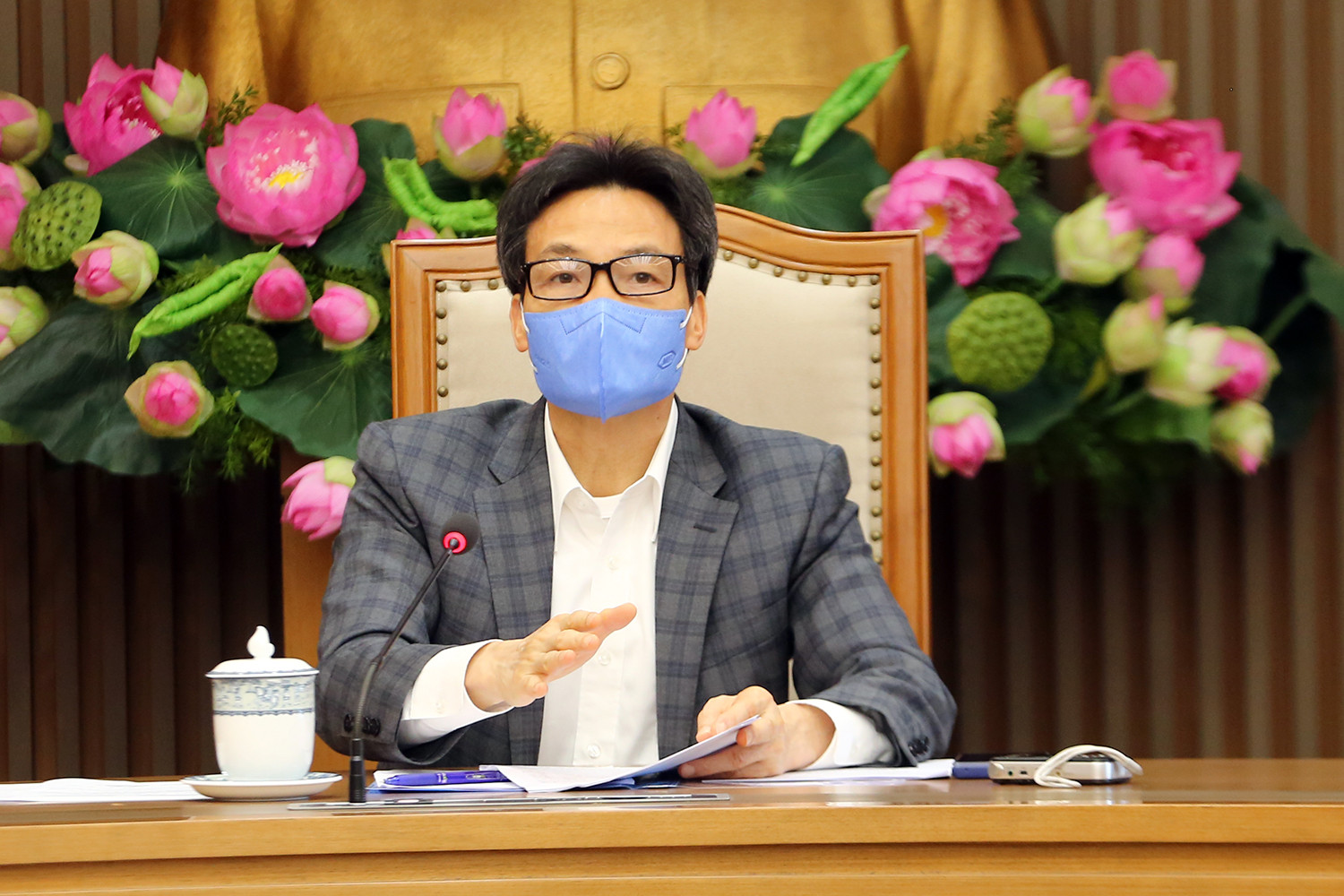
Local authorities "must not block roads and markets," and must not "overreact" to requests that hinder or cause difficulties for the people – this was shared by both Deputy Minister of Health Do Xuan Tuyen and Associate Professor Tran Dac Phu at a meeting of the Standing Committee of the National Steering Committee for COVID-19 prevention and control on the afternoon of February 5th. Deputy Prime Minister Vu Duc Dam, Head of the Steering Committee, chaired the meeting.
|
| Deputy Prime Minister Vu Duc Dam chaired the meeting of the Standing Committee of the National Steering Committee for COVID-19 prevention and control. Photo: VGP/Dinh Nam |
The epidemic situation nationwide is well under control.
Over the past two days, only 6 out of 10 provinces and cities have recorded new cases (Dien Bien, Hai Duong, Hanoi, Gia Lai, Binh Duong, and Quang Ninh). The majority of new cases in these provinces are individuals who have already been quarantined, making community transmission unlikely.
According to the Ministry of Health, given the new developments in the epidemic situation, especially with the emergence of a new SARS-CoV-2 variant, urgent measures are required to be implemented promptly and effectively to prevent the spread and outbreak in provinces and cities.
The Ministry of Health recommends that provinces and cities continue to thoroughly implement Directive No. 05/CT-TTg of the Prime Minister dated January 28, 2021, on some urgent measures to prevent and control the Covid-19 epidemic, and the Prime Minister's directives in Notice 22/TB-VPCP; implement necessary epidemic control measures as directed by the National Steering Committee for Covid-19 prevention and control and the guidance of the Ministry of Health to prevent the spread of the disease.
After hearing the report from the Ministry of Health, the Standing Committee of the Steering Committee unanimously agreed that the epidemic situation nationwide is well controlled, from the outbreaks in Hai Duong and Quang Ninh to the situation in Hanoi, Gia Lai, Binh Duong, Ho Chi Minh City, etc.
The delegates also discussed several issues related to controlling people's movement during the epidemic; adjusting the duration of centralized quarantine; assessing the outbreak situation in Dien Bien province, etc.
|
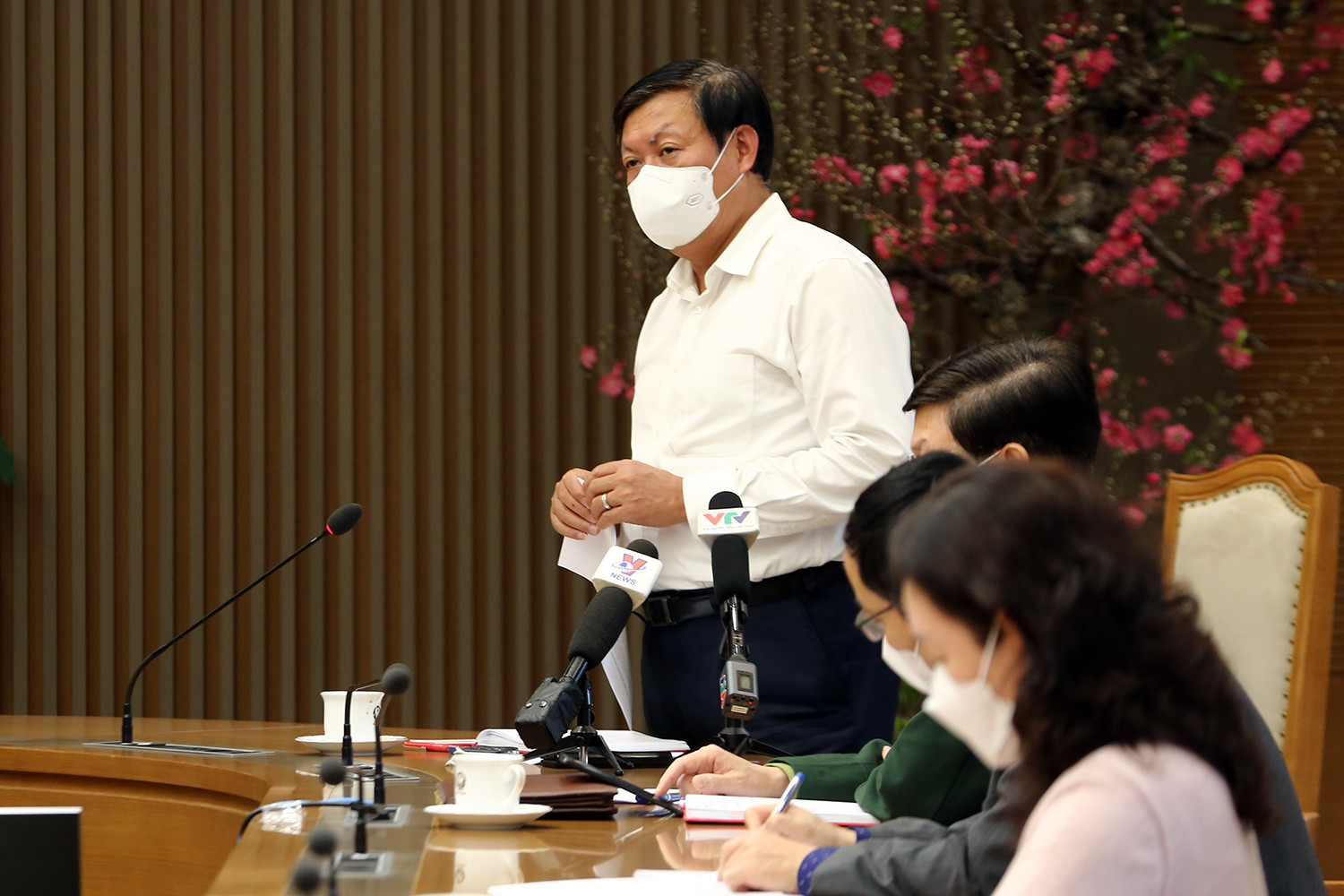
| Deputy Minister of Health Do Xuan Tuyen said that the Ministry will soon issue a document adjusting the duration of centralized quarantine; and a document providing specific guidance on areas with outbreaks. Photo: VGP/Dinh Nam |
People who do not live in the lockdown area are still allowed to move around as usual.
Regarding the control of people's movement in areas affected by the epidemic, according to Associate Professor Dr. Tran Dac Phu - Senior Advisor to the Vietnam Center for Emergency Response to Public Health Events (Ministry of Health), many provinces have not done it properly recently, "overdoing it out of fear and tightening restrictions" so that people are afraid to return to their hometowns.
Associate Professor Tran Dac Phu suggested that the Ministry of Health should soon issue a document clearly defining outbreak points and outbreak areas so that localities have a basis for consistent implementation, avoiding a situation where each province interprets it differently.
Regarding this issue, Deputy Minister of Health Do Xuan Tuyen said that the Ministry of Health is developing and will soon issue specific guidelines on epidemic areas. Based on that, the Chairman of the Provincial People's Committee will decide on the outbreak area and lockdown measures.
All residents within the lockdown area are strictly prohibited from entering or leaving, except in exceptional cases (e.g., seriously ill individuals requiring emergency medical attention), who are allowed to leave the lockdown area and are subject to strict controls.
People who do not live in the lockdown area can still move around normally, as long as they declare their health status and are not required to quarantine (except in cases where they have been identified as F1 or F2 contacts).
Local authorities "are not allowed to block roads and close markets," and are not allowed to "overstep" their boundaries, causing obstacles and difficulties for the people – Deputy Minister Do Xuan Tuyen clearly stated.
In addition, the Ministry of Health stated that it is closely coordinating with localities, drawing on models of lockdown within lockdown implemented in Chi Linh City (Hai Duong) or the consolidation of small areas into larger ones in Quang Ninh, to provide specific guidance in accordance with the Prime Minister's directive to try to implement lockdowns as efficiently as possible.
The Standing Committee of the Steering Committee requested that the Ministry of Health promptly issue guidelines on "lockdown within a lockdown," striving to contain the area as narrowly as possible and ensuring the continued flow of goods for the people during the Tet holiday.
|
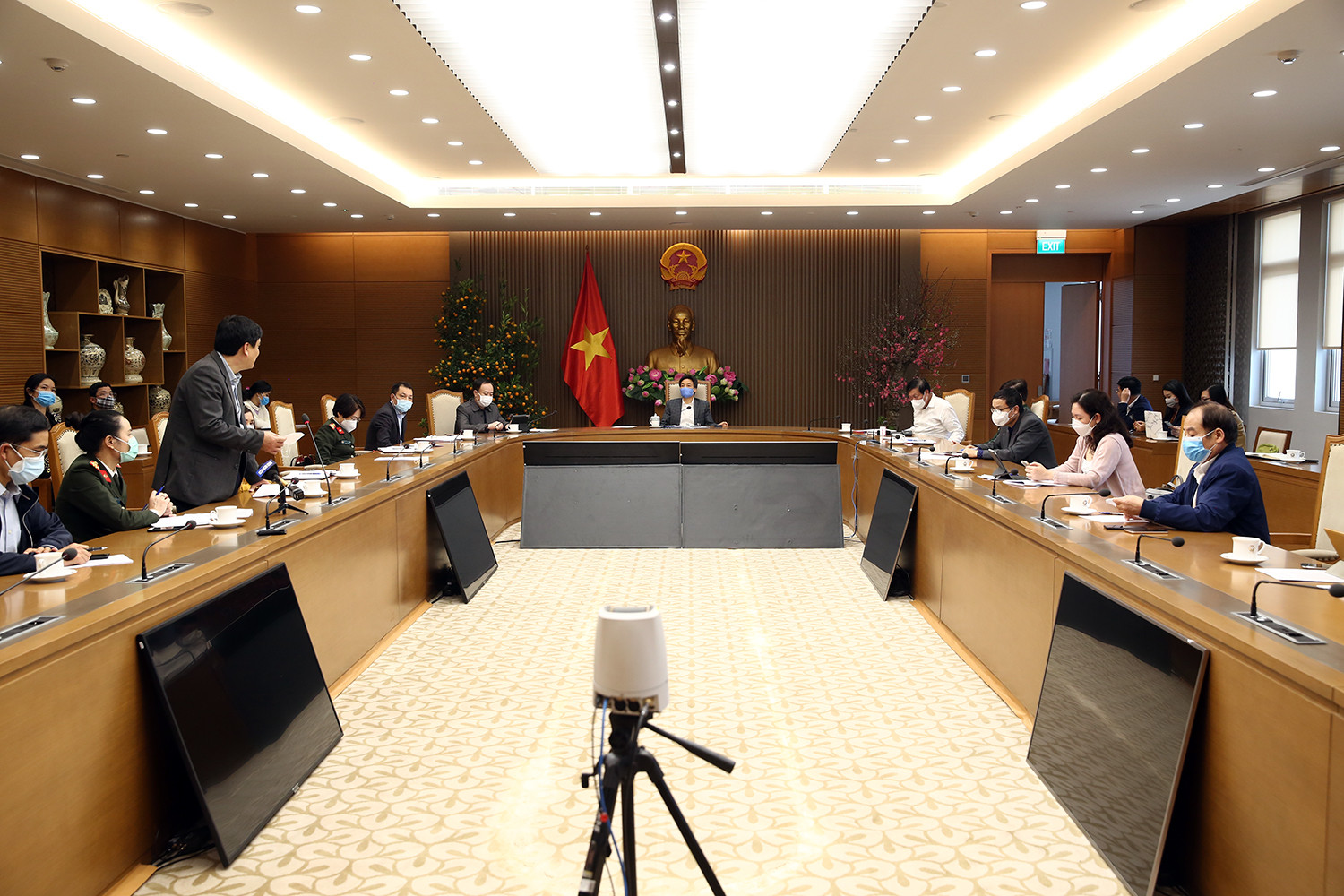
| Members of the Steering Committee believe that, based on the practical experience of the past 10 days in combating the epidemic, localities need to respond calmly and avoid issuing regulations or taking actions that could shock society. (Photo: VGP/Dinh Nam) |
Adjust the duration of centralized quarantine accordingly.
Recently, we stipulated a 21-day mandatory quarantine period (previously, the regulation was 14 days). At the meeting, the Ministry of Health leaders stated that research results show that although the new virus strain has a higher transmission rate and a faster onset time, the incubation period of all variants of the SARS-CoV-2 virus is approximately 14 days. Therefore, the Ministry of Health is reviewing the final scientific analyses to issue a document adjusting the mandatory quarantine period. In fact, countries around the world are also implementing a 14-day mandatory quarantine period.
|
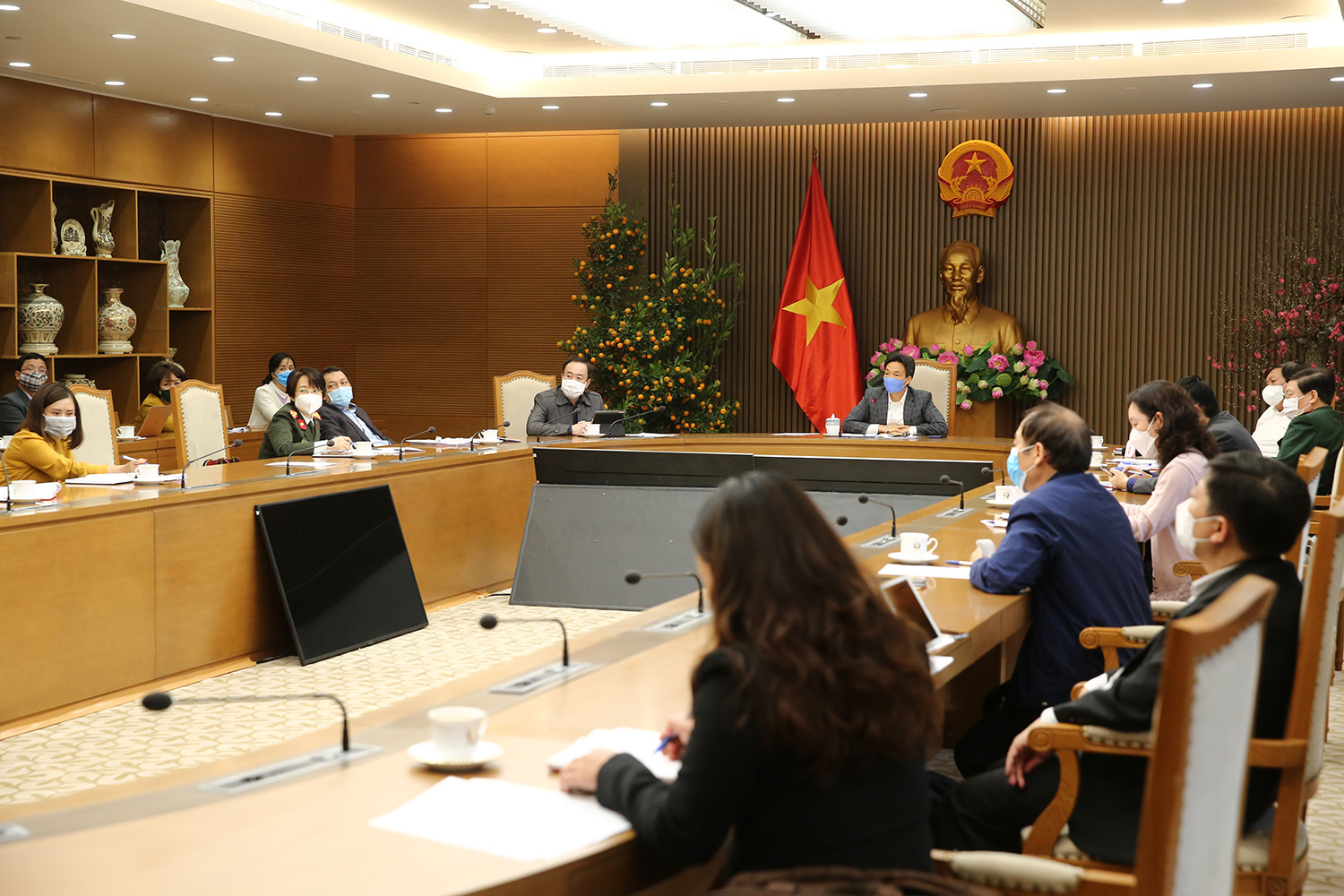
| Experts and members of the Steering Committee recommended strict control and rigorous implementation of regulations on epidemic prevention and control in the transportation sector, especially public passenger transport. Photo: VGP/Dinh Nam |
Strict control over public transportation
However, based on the practical experience of long-distance buses from Dien Bien dropping off passengers along the way, experts and members of the Special Steering Committee have noted this.There are concerns because this bus trip carries many risks. Currently, authorities are urgently tracing and searching for passengers who disembarked along the way.
Furthermore, due to the approaching Lunar New Year holiday and the increased travel, strict control and enforcement of disease prevention and control regulations in the transportation sector are necessary, especially in public passenger transport (taxis, buses, airplanes, etc.). Strict action should be taken against buses carrying more passengers than permitted or failing to comply with disease prevention and control regulations. People are urged to strictly wear masks and adhere to disease prevention measures when using public transportation.
The Steering Committee also requested that localities strengthen their guidance, strictly penalize violations, and be held responsible if disease outbreaks occur in their areas.


