
Markets are classified according to 3 methods.
The government issued Decree No. 60/2024/ND-CP regulating the development and management of markets.
This Decree stipulates policies and mechanisms for the development and management of markets, including: investment in market construction (including new construction, repair, and renovation of existing structures); organization and management of markets and business activities within markets; and management, use, and exploitation of market infrastructure assets invested in and managed by the State.
The decree classifies markets according to three criteria: business model, scale, and capital source.
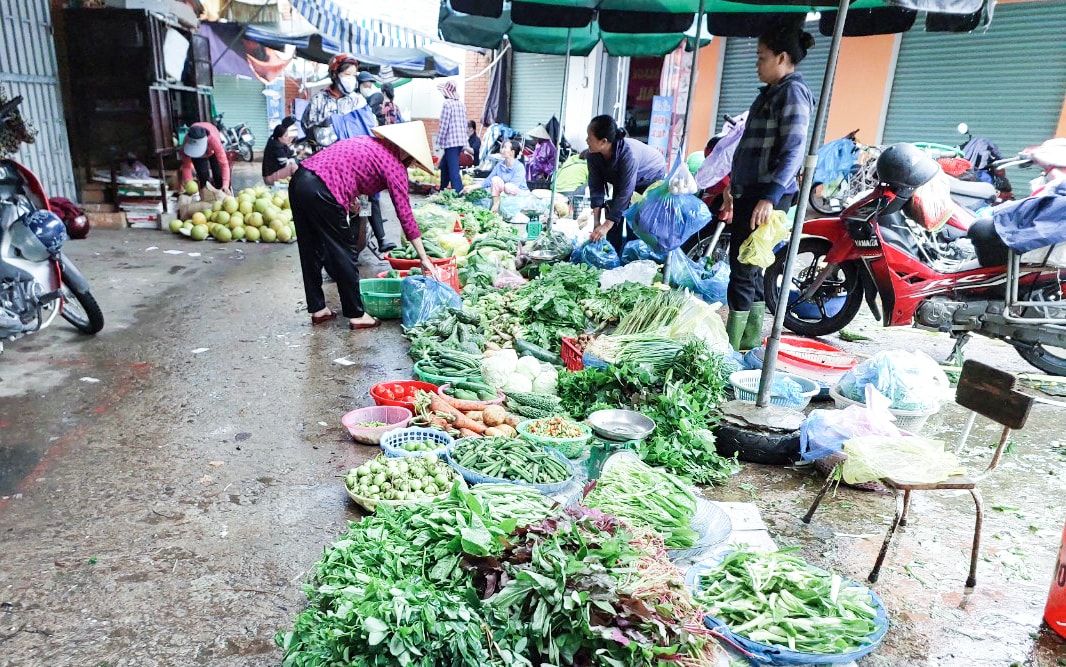
Market classification based on business methods.
Wholesale marketA market is one whose function is as prescribed in Clause 3, Article 3 of this Decree and meets the following criteria:
- Scale (area): The minimum land area for a market is 10,000 m².2This excludes the area allocated for grounds, pathways, parking lots, and other auxiliary facilities.
- Location: Connected to various modes of transportation, facilitating the flow of goods.
- The project scope includes:
Essential facilities include: parking lots, water supply and drainage systems and wastewater treatment, waste and scrap collection points, restrooms and storage areas, and goods loading and unloading areas.
Technical requirements include: Fire prevention and fighting, food safety and environmental protection, and climate change response as stipulated by law;
The main area components include: a goods trading area categorized by industry sector (including wholesale and retail areas); an office area; an inspection, control, and quarantine area (for goods of animal and plant origin that are exported or imported), traceability and quality management; an area for sorting, preliminary processing, packaging, and packing goods; a warehouse for receiving and delivering goods; an area for essential support services; and an area for loading and unloading goods for trucks and containers.
For wholesale markets that were invested in, built, and are operating before this Decree comes into effect, they may continue to operate according to the investment project.
Local marketIt is a market for buying and selling goods produced, raised, and traded by the people, offering common and essential goods to meet the needs of daily life.
Market classification by size
Class 1 MarketThis market has over 400 business stalls and is solidly constructed according to the master plan.
The market area must be suitable for its scale of operation; minimum activities such as parking, public sanitation, and other services must be organized.
Second-tier market:These are markets with 200 to 400 business stalls, built with solid or semi-solid structures according to the plan.
The market area must be suitable for its scale of operation; minimum activities such as parking, public sanitation, and other services must be organized.
Third-tier market:A market is one with fewer than 200 business stalls or one that has not been built with permanent or semi-permanent structures; has a market area suitable for the scale of its operation; and organizes minimum activities such as public sanitation.
Market classification by source of funding
The market was funded by the state budget.The investment, construction, organization, management, and business operations at the market shall be carried out in accordance with the provisions of Chapters II and III of this Decree and other relevant legal regulations.
The management, use, and exploitation of market infrastructure assets invested and managed by the State shall be carried out in accordance with the provisions of Chapter IV of this Decree.
The market was funded from sources outside the state budget (including other legal sources as prescribed by law):The investment, construction, organization, management, and business operations at the market shall be carried out in accordance with the provisions of Chapters II and III of this Decree and other relevant legal regulations.
Market management organization
The market management organization includes: the market construction investor; enterprises and cooperatives investing in, operating, exploiting, and managing the market; organizations assigned to manage market infrastructure assets as stipulated in Clauses 1 and 2 of Article 15 of this Decree; and organizations implementing the exploitation of market infrastructure assets as stipulated in Articles 24 and 25 of this Decree.
Market regulations
Market regulations must include the following main contents: Opening hours; rights and obligations of traders operating in the market; regulations on goods and services traded in the market; regulations on people coming to trade, buy, sell, visit, or perform official duties in the market; regulations for market management officials and staff; fire safety and disaster prevention; security and order in the market; environmental hygiene and food safety...
The decree stipulates that market regulations must be publicly and clearly posted in an easily visible location within the market and must be disseminated to traders operating in the market.
Organizations and individuals participating in the buying, selling, and exchange of goods and services in the market, as well as related organizations and individuals, must comply with the law and the market regulations.
Violations of market regulations will be handled by the market management organization according to its authority.
The provincial People's Committee issues model regulations to standardize the development of market regulations and apply them to all markets in the province.


