The development of the Nghe Tinh Soviet Uprising
The workers' and peasants' struggle in the two provinces of Nghe An and Ha Tinh spread from urban to rural areas, from the lowlands to the mountainous regions, inflicting considerable damage on the semi-feudal colonial government.
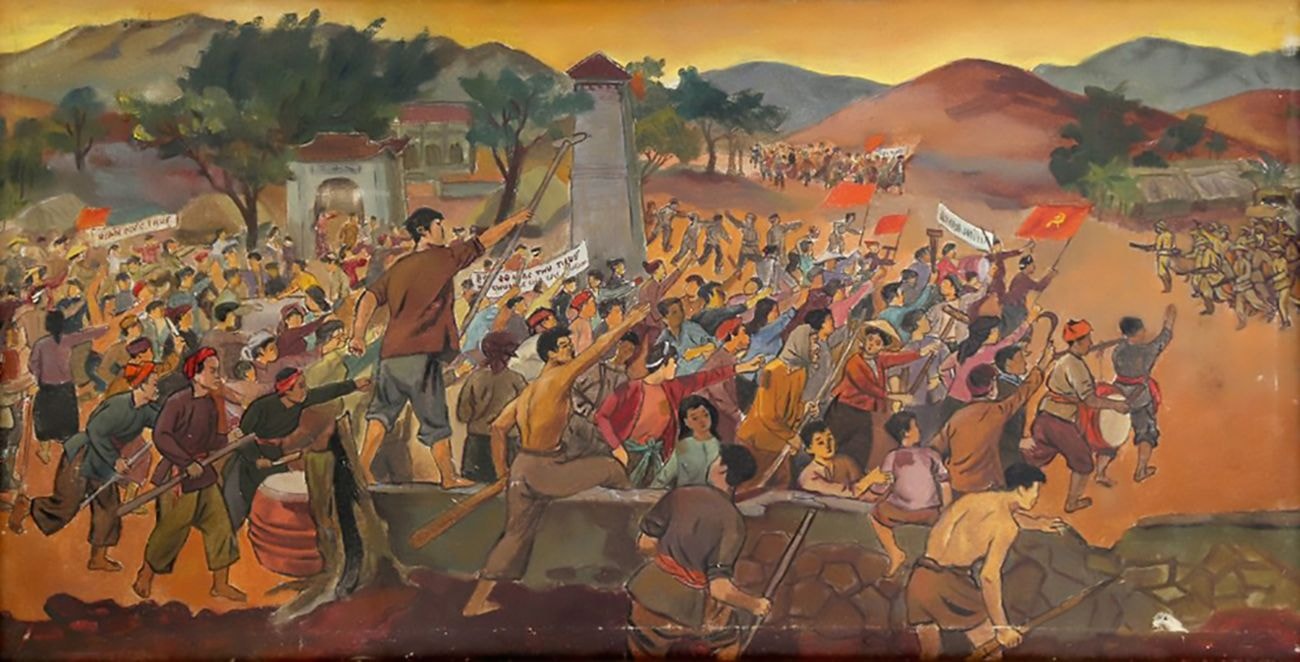
.jpg)
The Central Committee of the Party decided to launch a movement to commemorate International Workers' Day for the first time in Vietnam. The Central Committee of the Central Region and the Party Committees of Nghe An and Ha Tinh provinces actively prepared to implement this initiative from mid-April 1930.
On May 1, 1930, more than 1,200 farmers from the villages of Duc Hau, An Hau, Song Loc (Nghi Loc), Yen Dung, Loc Da, and Duc Thinh (Hung Nguyen) marched into the city and joined forces with...Vinh - Ben Thanh workersThe committee demanded that the French colonialists fulfill their demands such as: increasing wages, reducing taxes, establishing an 8-hour workday, supporting the struggle of the workers at the Nam Dinh Textile Factory, and supporting the Soviet Union...
Faced with the strong resistance movement of the workers and peasants of Nghe An, the French colonialists organized a crackdown, firing on the protesters, killing 7 people, injuring 18, and arresting more than 100.
On the same day, in Hanh Lam commune (Thanh Chuong district), a protest broke out involving 3,000 farmers from the villages of La Mac, Hanh Lam, and Duc Nhuan, fighting to dismantle the Ky Vien plantation and confiscate land to distribute to other farmers. Students from the Thanh Chuong French-Vietnamese Primary School organized a rally to commemorate International Labor Day, marching through the district town and chanting slogans of protest.
.png)
In Ha Tinh, the Provincial Party Committee also launched a large-scale struggle movement throughout the province:
On August 1, 1930, more than 500Can Loc farmers protestThey went to the district office to present their demands.
Farmers from Nghi Xuan, Huong Khe, Duc Tho, and Ky Anh districts gathered for rallies and marched through the villages.
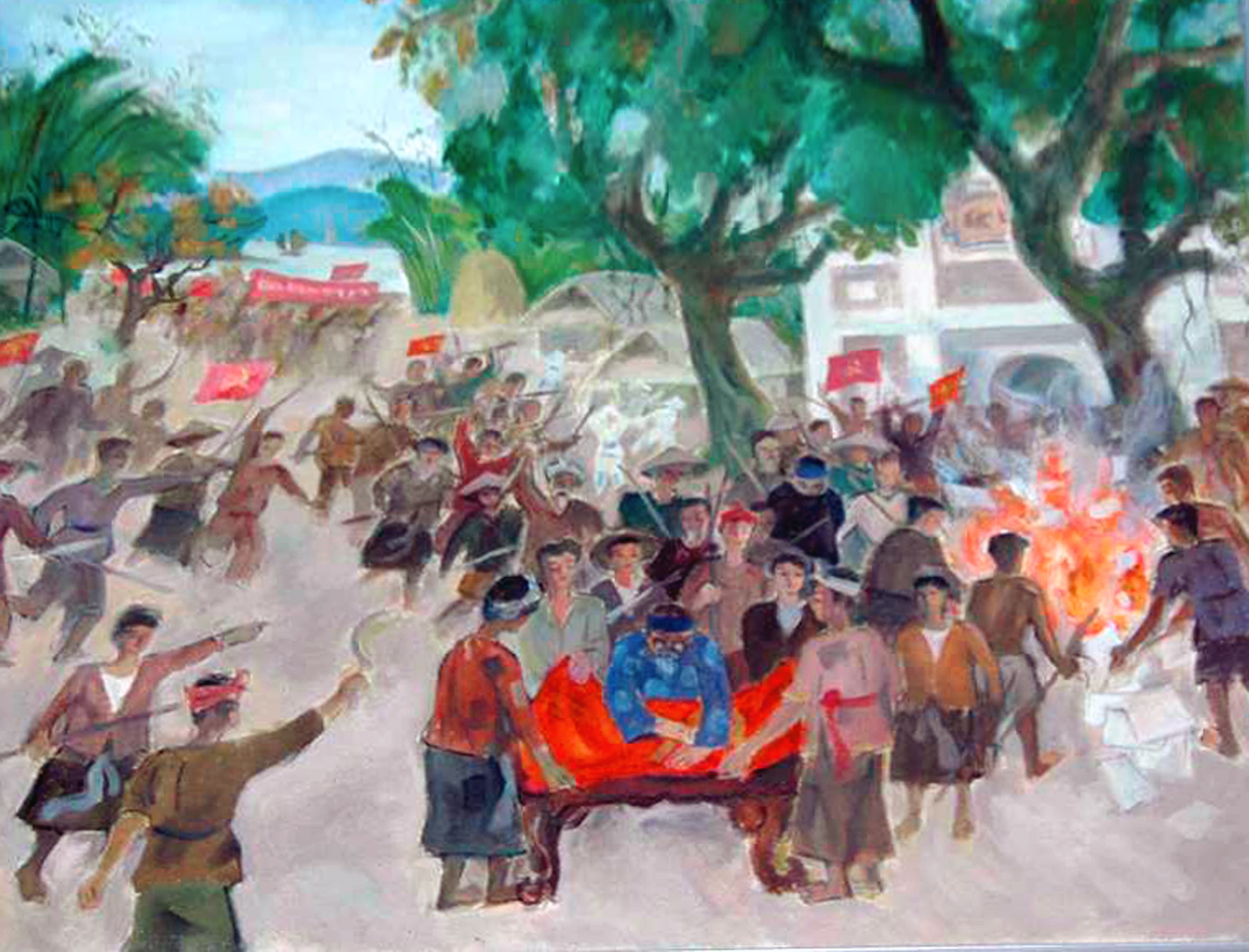
Over 3,000farmers in Nam Dan districtThey marched to the district office, broke into the prison, freed the prisoners, burned the documents and records, and forced the district chief, Le Khac Tuong, to sign the people's demands.
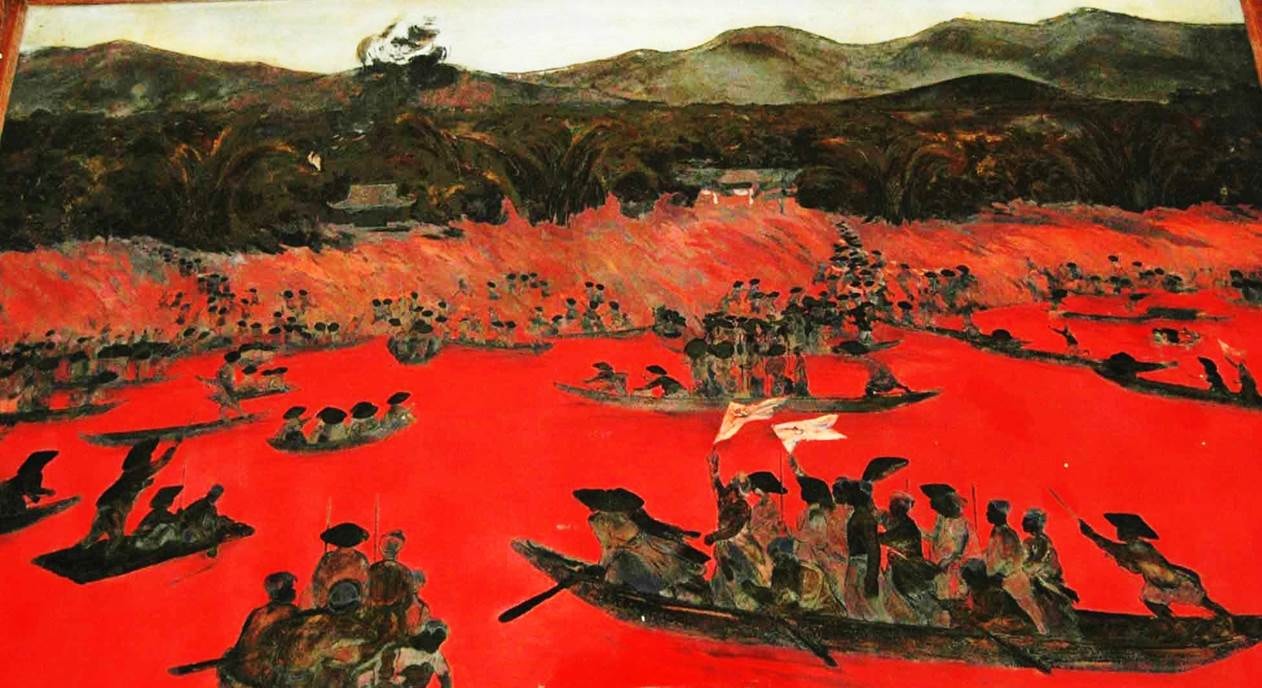
The struggle movement in the two provinces gradually began to spread. In particular, on September 1, 1930, on...20,000 farmers from 5 communes (Thanh Chuong district)The protesters marched to the district capital, broke into the prison to free the prisoners, and burned down the entire district office. Afterwards, they went to the villages to punish the reactionary village chiefs and took control of the hamlets and communes.
This protest is considered a landmark event marking the beginning of the Soviet government in Nghe Tinh. Following this, waves of mass protests surrounding the district headquarters continuously erupted. The worker-peasant movement in Nghe Tinh reached its peak.
.jpg)
On September 7th and 8th, 1930, the people of Can Loc and Thach Ha districts,Cam XuyenThe protesters marched to the Cam Xuyen district headquarters. The people of Anh Son, Ky Anh, and Nghi Loc districts achieved successive victories on September 9th and 10th, 1930.
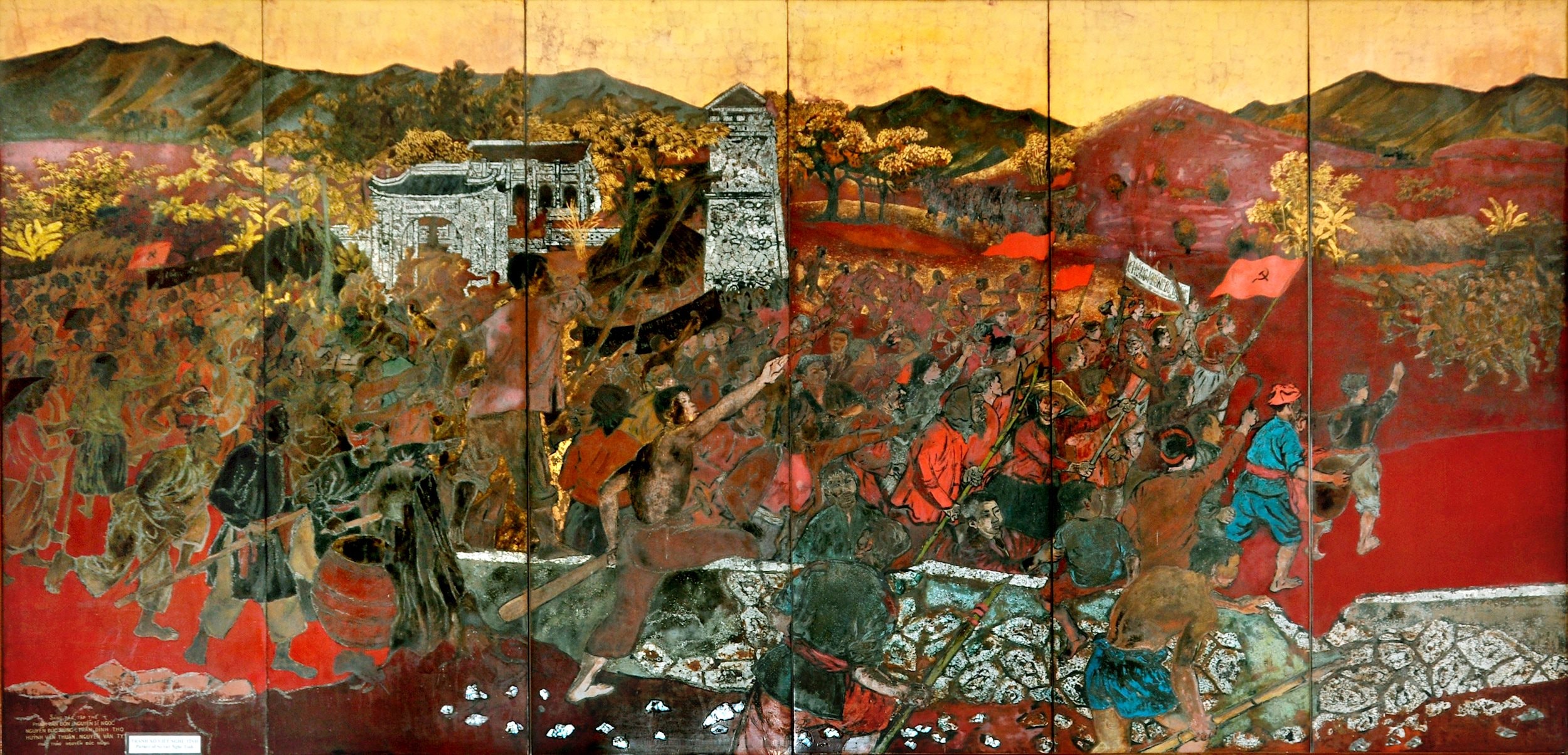
Especiallythe protest of September 12, 1930Approximately 8,000 farmers from Hung Nguyen and Nam Dan districts, under the leadership of the Hung Nguyen District Party Committee, marched to Yen Xuan Station, destroyed the telegraph lines, and arrested the station clerk; then, they proceeded to the Hung Nguyen district capital. The French colonialists bombed and fired upon the protesters, killing 217 and injuring 125.
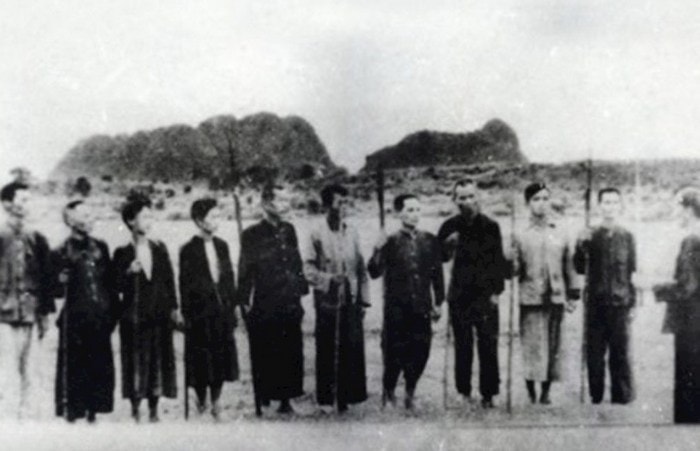
Frommid-September 1930Throughout the two provinces, rallies were held to commemorate those who had sacrificed their lives in Thai Lao. Farmers in the districts of Dien Chau, Yen Thanh, Quynh Luu (Nghe An), and Huong Son (Ha Tinh) fought to destroy the district capitals and French plantations.
Workers in Vinh - Ben Thuy went on strike for two consecutive months to support the peasant movement. In particular, on the 13th anniversary of the Russian October Revolution (November 7, 1930), more than 1,000 farmers from Yen Thanh district and nearly 2,000 farmers from Dien Chau district organized demonstrations to express their spirit of proletarian internationalism.
In the mountainous districts, at the beginning of 1931, the Central Vietnam Regional Party Committee sent Comrade Le Xuan Dao to Mon Son commune (Con Cuong district) to build a revolutionary base:Mon Son Party BranchEstablished in April 1931, on August 9, 1931, the Party cell led 300 farmers of various ethnic groups in the region to fight against landlords, confiscating rice, money, and silver ingots to distribute to poor families.