Keep the Soviet flame burning in the resilient "Red City".
Vinh City is known as the Red City – a name associated with a tradition of patriotism and a tenacious revolutionary spirit throughout history. This was especially evident during the Nghe Tinh Soviet Uprising. Over the years, continuing the tradition of their forefathers, the people here have strived to transform the former Red City into a modern, civilized, youthful, and livable metropolis.
Thanh Quynh • October 31, 2024 10:18 PM
Vinh City is known as the Red City – a name associated with a tradition of patriotism and a tenacious revolutionary spirit throughout history. This was especially evident during the Nghe Tinh Soviet Uprising. Over the years, continuing the tradition of their forefathers, the people here have strived to transform the former Red City into a modern, civilized, youthful, and livable metropolis.
A glorious past
"Look, Ben Thuy is the first to rise up!
Then Thanh Chuong stepped up to follow suit.
Nam Dan, Nghi Loc, Hung Nguyen,
Mr. Son, Ha Tinh, has once again risen up…”
Those deeply moving verses from Comrade Dang Chanh Ky's "Revolutionary Song" have been transcribed and proudly displayed in the grounds of the Nghe Tinh Soviet Museum for many years. The poem serves as a bridge, transporting visitors back to a glorious period in the history of Nghe An province in general, and Vinh city in particular.
Having been associated with the museum for many years, Mr. Nguyen Xuan Thuy - former Director of the Nghe Tinh Soviet Museum - has always held a deep affection for research related to the Nghe Tinh Soviet Uprising. And within the system of documents he has painstakingly collected and researched, he has revealed the pioneering spirit of the Party Committee and people of Vinh City during the Nghe Tinh Soviet Uprising. That spirit contributed to a momentous revolution, creating a heroic Red Nghe Tinh.
According to archives of the Soviet-Nghe Tinh Museum, since 1900, during the colonial exploitation, the French colonialists planned Vinh City as an industrial center in the North Central region. They built many factories in the Ben Thuy area: the Lao Xien Sawmill, the Match Factory, the Railway Repair Factory, the shipbuilding factory, etc., creating a large concentration of workers. This was one of the key forces in the new-trend struggle movement.
As the economic, political, and social center of the North Central region, Vinh City is the birthplace of many prominent patriotic and revolutionary organizations. During the period of the Party's establishment from 1925-1930, many patriotic and revolutionary organizations were formed, such as the Vietnam Revolutionary Youth Association, branches of the Indochinese Communist Party, and mass organizations of the Party such as the Workers' Union, the Peasants' Union, and the Students' Union…
Particularly noteworthy was the establishment of the Central Vietnam Regional Party Committee (March 1930) and the Provincial Party Committees of Vinh-Ben Thuy (March 1930), Nghe An (October 1930), Ha Tinh (March 1930), etc.

As in other rural areas, the people of Vinh city were heavily exploited by hundreds of taxes such as salt tax, market tax, and poll tax… Factory workers were beaten and had their wages withheld by foremen. At the Ben Thuy Match Factory, children and women had to work relentlessly under the whips of their employers for 12-17 hours a day, yet still lacked enough food and clothing… Therefore, they allied with farmers to rise up and fight.
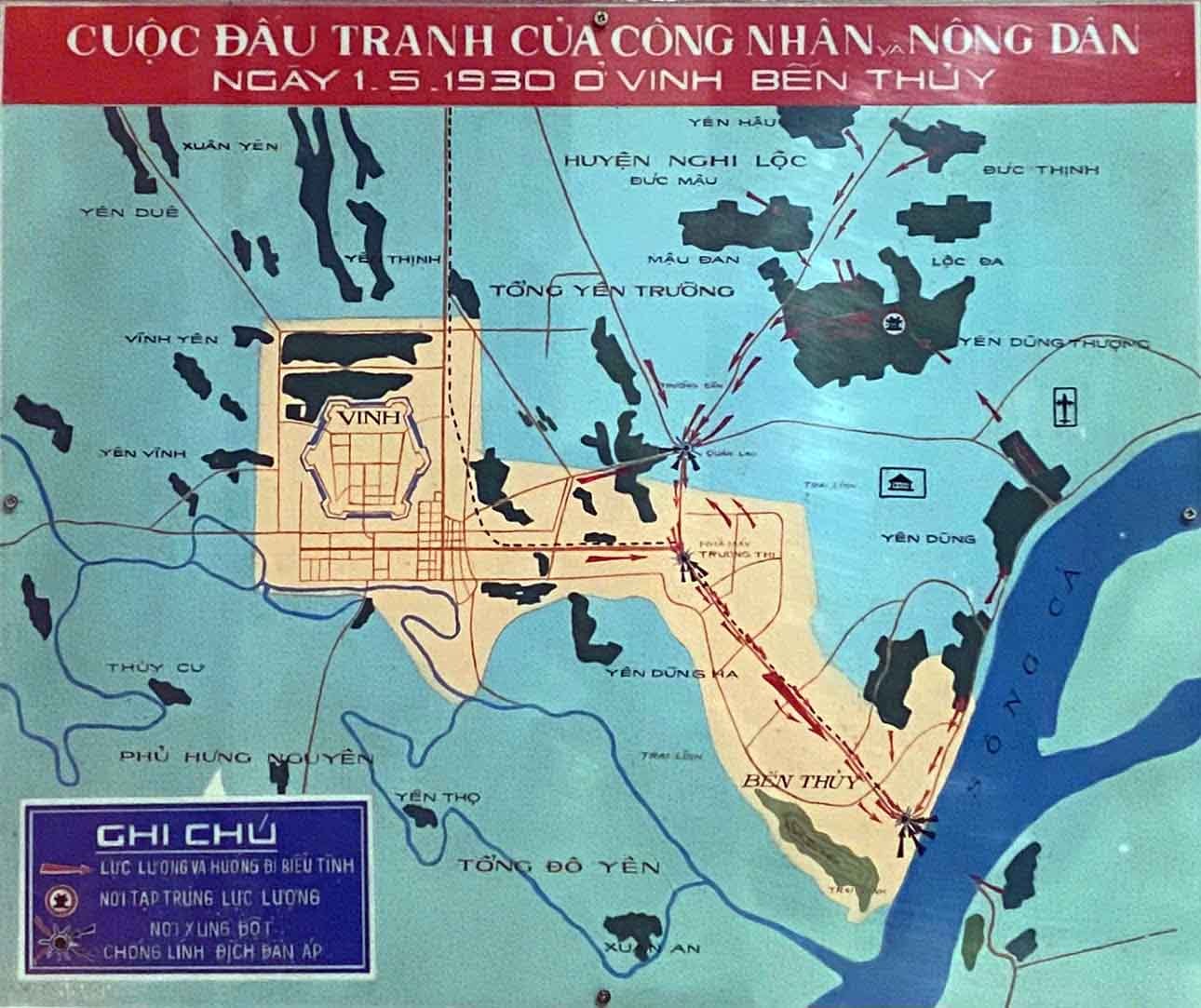
The struggle considered to be the opening act of the Nghe Tinh Soviet movement was the struggle on the morning of May 1st, commemorating International Labor Day, by workers and farmers in Vinh - Ben Thuy.
Under the leadership of comrades Hoang Trong Tri, Nguyen Loi, and Nguyen Phuc, 1,200 farmers from the villages of Yen Dung, Loc Da, Duc Thinh, An Hau, and Song Loc marched in orderly ranks into the city to join workers in presenting demands for higher wages, reduced taxes, and lower levies. At the Quan Lau intersection, the enemy mobilized 10 cars full of French colonial soldiers to suppress the protest. The unarmed masses deflected the enemy's bayonets and rifle butts and advanced straight to the Ben Thuy area. Workers in the factories abandoned their jobs and poured out to the gates to join the farmers in the struggle. Terrified by the powerful fighting spirit of the people, the French guards opened fire on the demonstrators, killing 7 and wounding 18, and arresting 97.
The May 1st, 1930 demonstration marked the beginning of the 1930-1931 revolutionary upsurge in Nghe Tinh. "For the first time in the history of our country's revolution, workers, peasants, and soldiers joined hands on the battlefield."
In June 1930, the workers' struggle movement continued to grow strong. Notably, on July 6, 1930, workers at the Match Factory went on strike en masse, presenting four demands:
1. Assign the workers 6 supervisors and 1 person to oversee the women.
2. Male and female workers must have separate workstations.
3. Buy some green fabric to cover the windows to reduce the heat.
4. The master must dismiss the wicked overseer Chuyen.
On July 13, 1930, the Lao Kho newspaper of the Central Committee of Vietnam published news of the victories of the demonstrations in Nghe Tinh, which included the following passage:"...From June 1930, the French colonial government in Central Vietnam and Nghe Tinh made concessions to fulfill some of the demands of the workers and peasants, such as: abolishing the weekly watch, prohibiting the beating of workers, increasing wages for workers, and releasing women arrested during demonstrations..."
In particular, after the massacre on September 12, 1930, in Hung Nguyen, workers in factories in Vinh - Ben Thuy went on strike en masse to protest against the French colonialists' slaughter of the people. The rally of 300 unemployed workers in La-pic on September 18, the demonstration of 100 workers at the Lao-Xien sawmill… The struggle movement not only developed strongly in the factories but also spread to schools in Vinh.
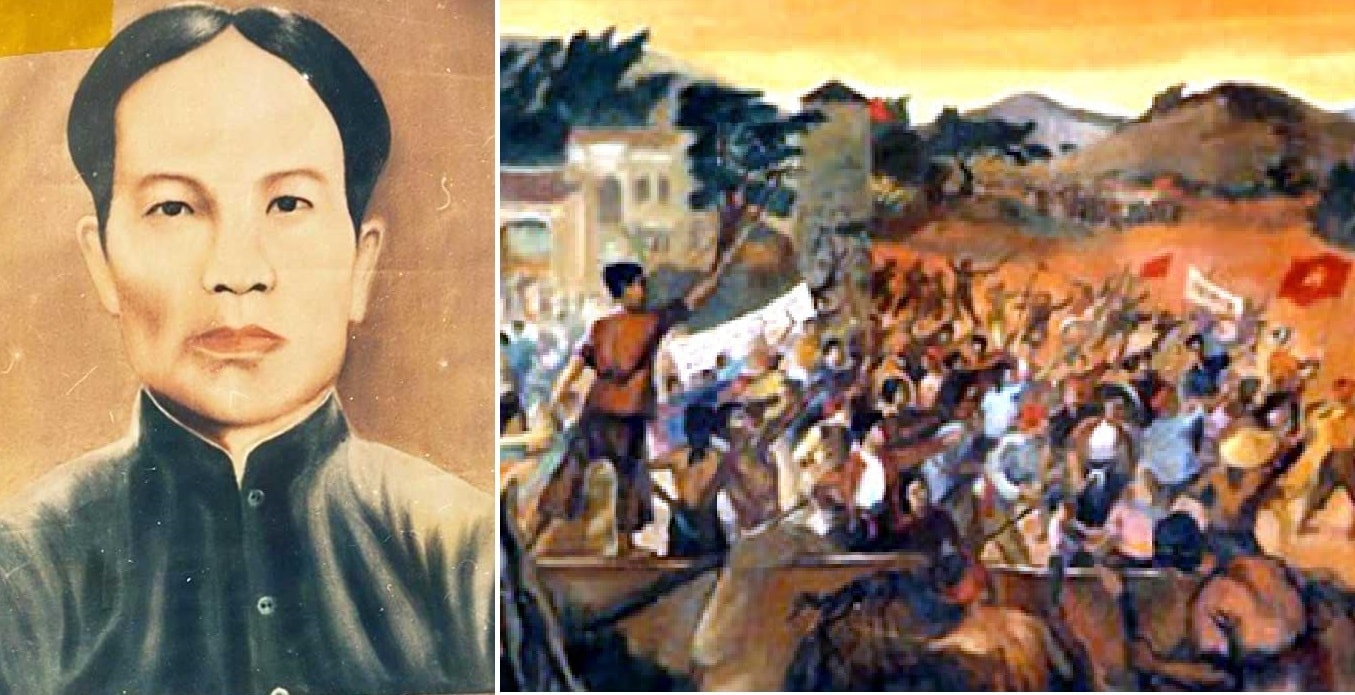
In 1931, while the movement in some districts temporarily subsided, it continued to develop in Vinh City. Later on, the workers' movement became increasingly closely coordinated with the peasant movement, supporting each other to resist the fierce repression of the enemy.
Typical examples include the struggles of over 500 workers in Vinh city protesting the French colonialists' massacre of the people of Quang Cu village in My Thanh (Yen Thanh), and the struggle in support of farmers in Tan Hop and Song Loc villages (Nghi Loc) on January 4th, and the commemoration of the Red Week on January 15th by the people of Vinh - Ben Thuy…
Under the direction of the Central Committee of the Indochina Communist Party, and directly the Vinh Provincial Party Committee, the people of Vinh City continuously organized rallies and demonstrations calling on the masses to fight against the exploitative and terrorist policies of the French colonialists. In the Vinh-Ben Thuy area, there was a resilient and unyielding village called Yen Dung, the Red Village, which stood firm against the enemy's stronghold, the location of the provincial-level administrative headquarters of the feudal colonialists. It is for this reason that Vinh City is known throughout the country as the "Red City." This is to commemorate the tradition of "Behold, Ben Thuy was the first to rise up" in the glorious revolutionary cause of the nation.
Rising with the flow of the times
Previously, when people thought of Vinh City, they often remembered a resilient revolutionary spirit and a fervent enthusiasm during challenging periods in history. Now, however, along every road leading to the city's communes and wards, one can easily sense the extremely vibrant atmosphere of labor and production.
Vinh City is now also known as a city of businesses, with 3,048 new businesses and business households established in 2023 alone, and the city has also established its own "Business Association".
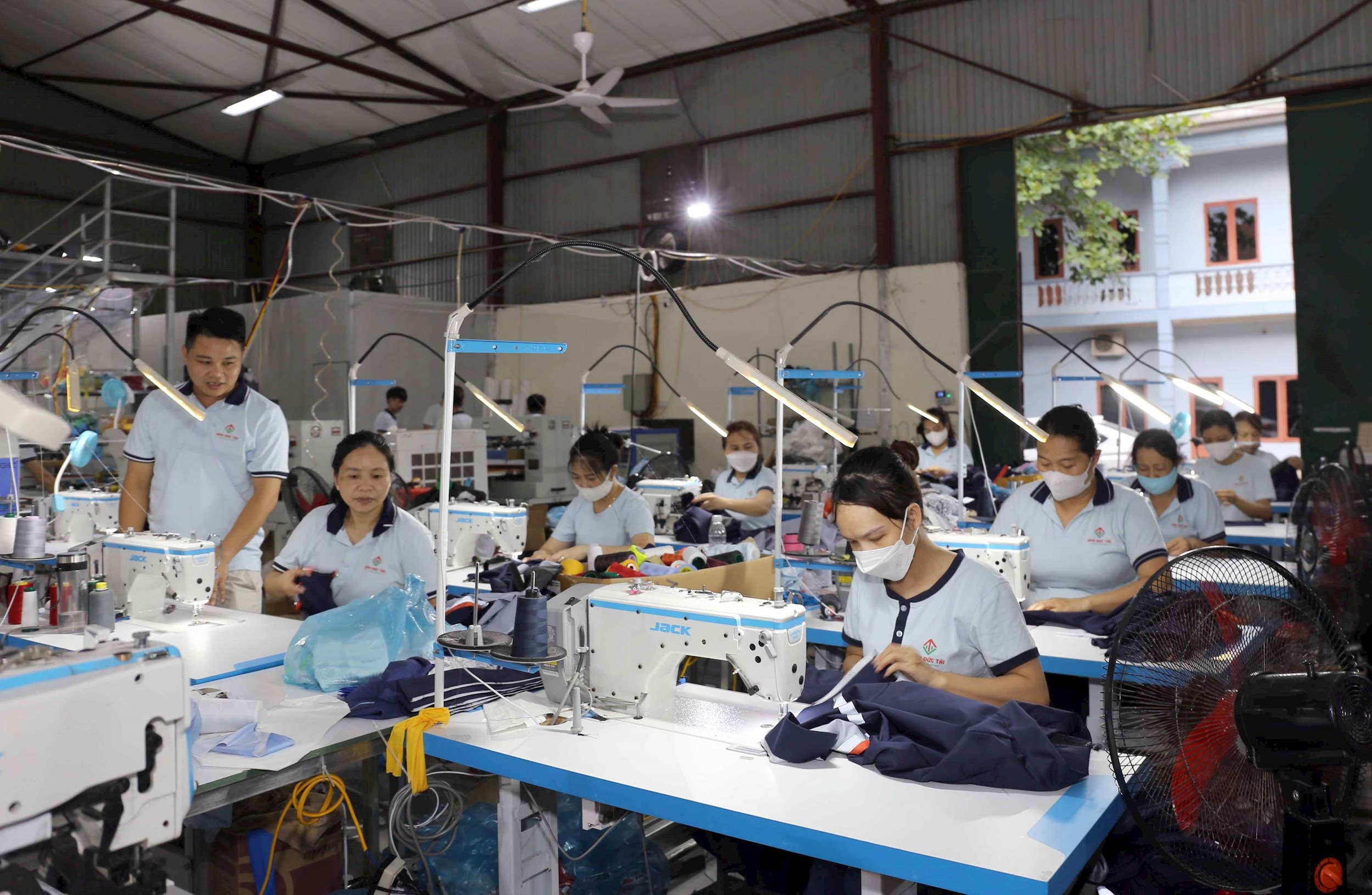
To demonstrate the strong rise of businesses in the area, Mr. Nguyen Van Dung - Vice Chairman of the Young Entrepreneurs Association of Nghe An province - led us to Phan Boi Chau street in Vinh city to visit the garment company of Nguyen Van Tai, a young man born in 1995.
Despite his young age, Tài has been honored as one of the top 100 outstanding young entrepreneurs in Vietnam in 2023, along with numerous awards from the Provincial Young Entrepreneurs Association, the Provincial Youth Union, and the Central Committee of the Vietnam Youth Union. Studying, establishing his career, and living in Vinh City has allowed Tài to access a vibrant market to realize his entrepreneurial dreams. Starting from nothing, he is now the owner of a company with over 50 regular employees and a net profit of hundreds of millions of VND per year. Along with Tài, hundreds of large and small businesses in Vinh City are growing together, contributing to the comprehensive development of their homeland and country.
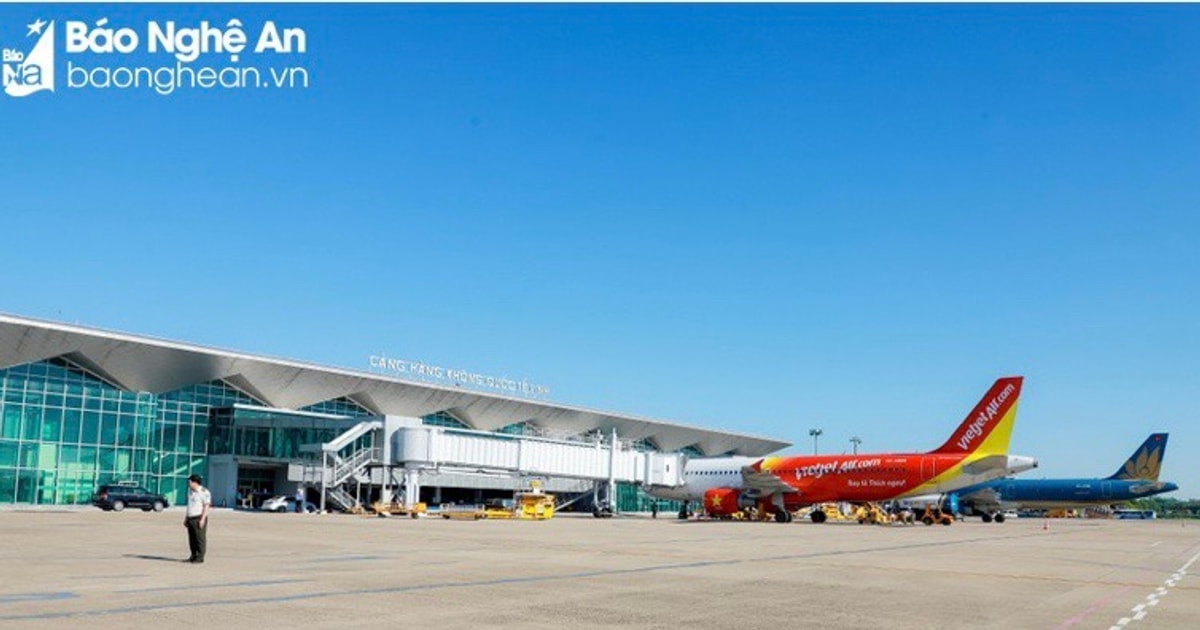
Building upon historical, cultural, and revolutionary traditions, the city's Party committee and government have worked together over the years to transform Vinh into an increasingly modern and attractive city. The city's transportation infrastructure has been systematically and scientifically developed, with high levels of synchronization with train stations, ports, and the international airport, creating significant advantages for movement and goods circulation.
With a clear development orientation towards services and tourism, in recent years, the system of hotels, restaurants, entertainment centers, and shopping malls in the city has been increasingly invested in, becoming more modern and luxurious, effectively meeting the needs of tourists. As a result, the number of tourists visiting the city annually reaches approximately 1.9 million, of which about 1.5 million are overnight visitors, and tourism service revenue exceeds 1,000 billion VND.
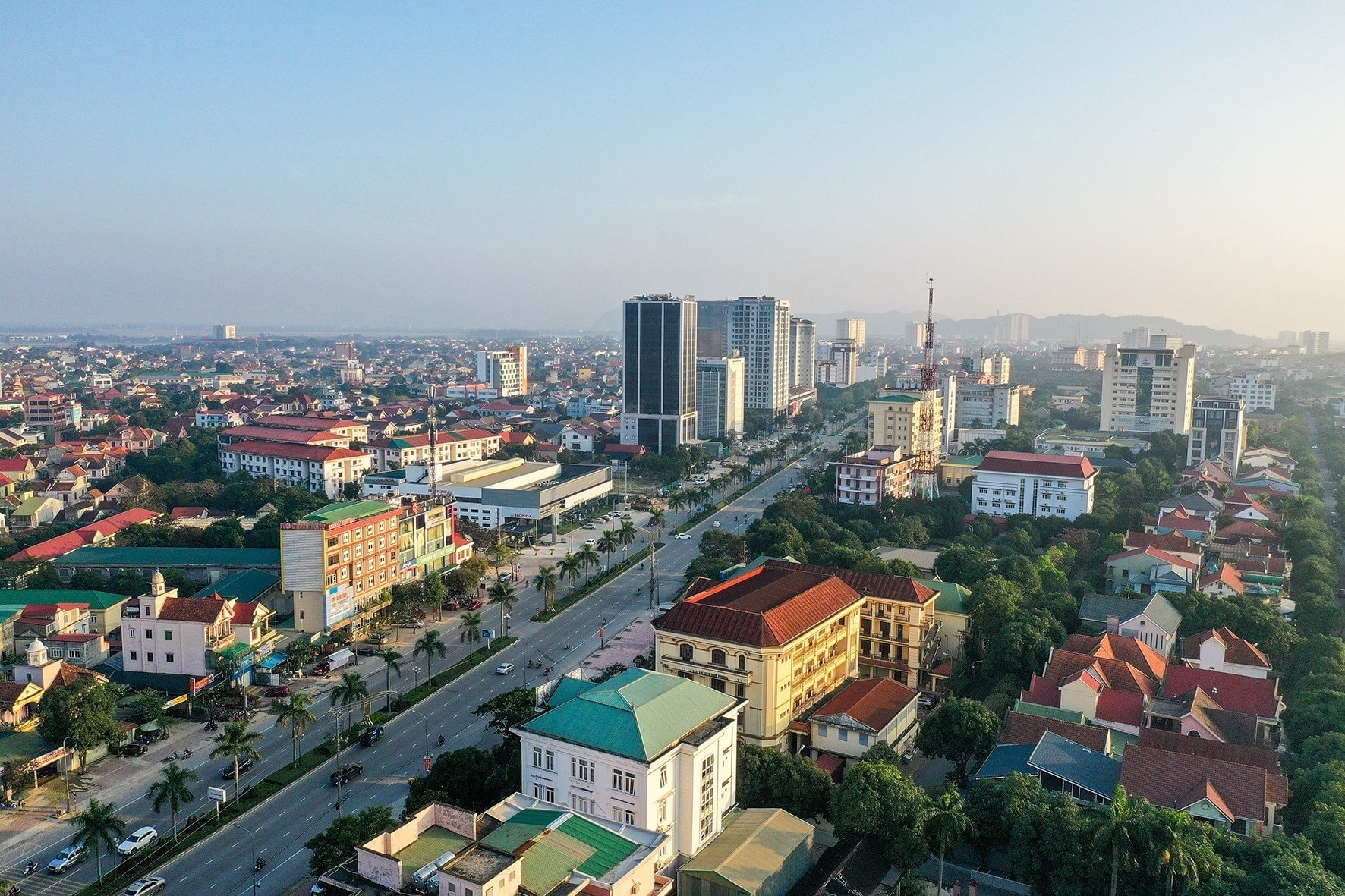
Along with the implementation of phase 2 of the smart city model and the development of the "City of Light" project, Vinh also strives to be a green city and adaptable to climate change. In addition, after a period of preparation, the second phase of the Vinh urban infrastructure upgrade project will begin implementation in 2024, aiming to improve and upgrade the urban infrastructure in the southeastern part of Vinh city to a new level.
As 2024 draws to a close, it can be affirmed that this has been a fairly successful year, with the city's total budget revenue for the first nine months reaching 4,019 billion VND, an increase of 114.5% compared to the same period last year.
Previously, in 2023, the city's economic growth rate reached 9.27%, higher than both the province and the country. These efforts are pivotal in ushering in a new era of development in the next phase.
.jpg)
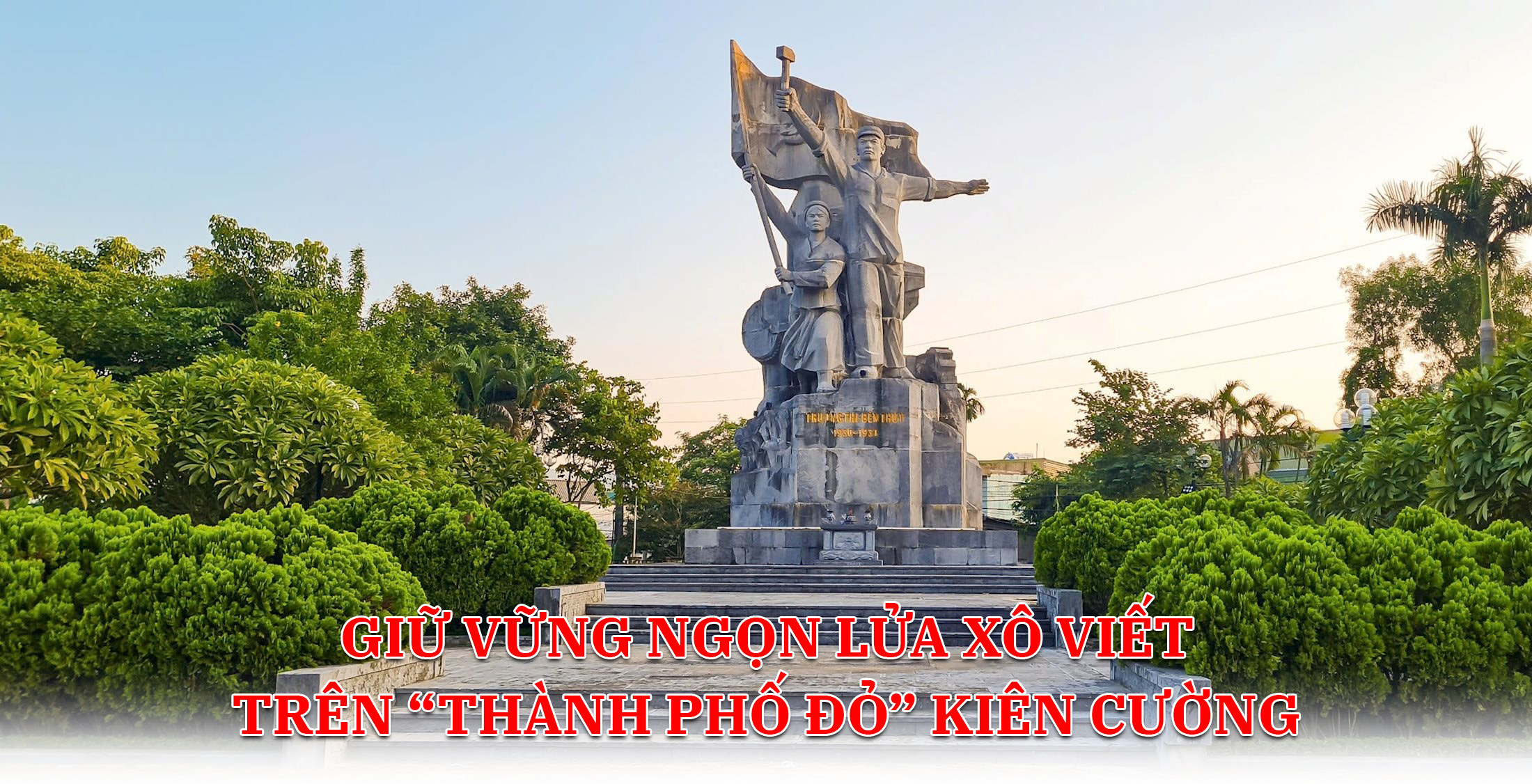
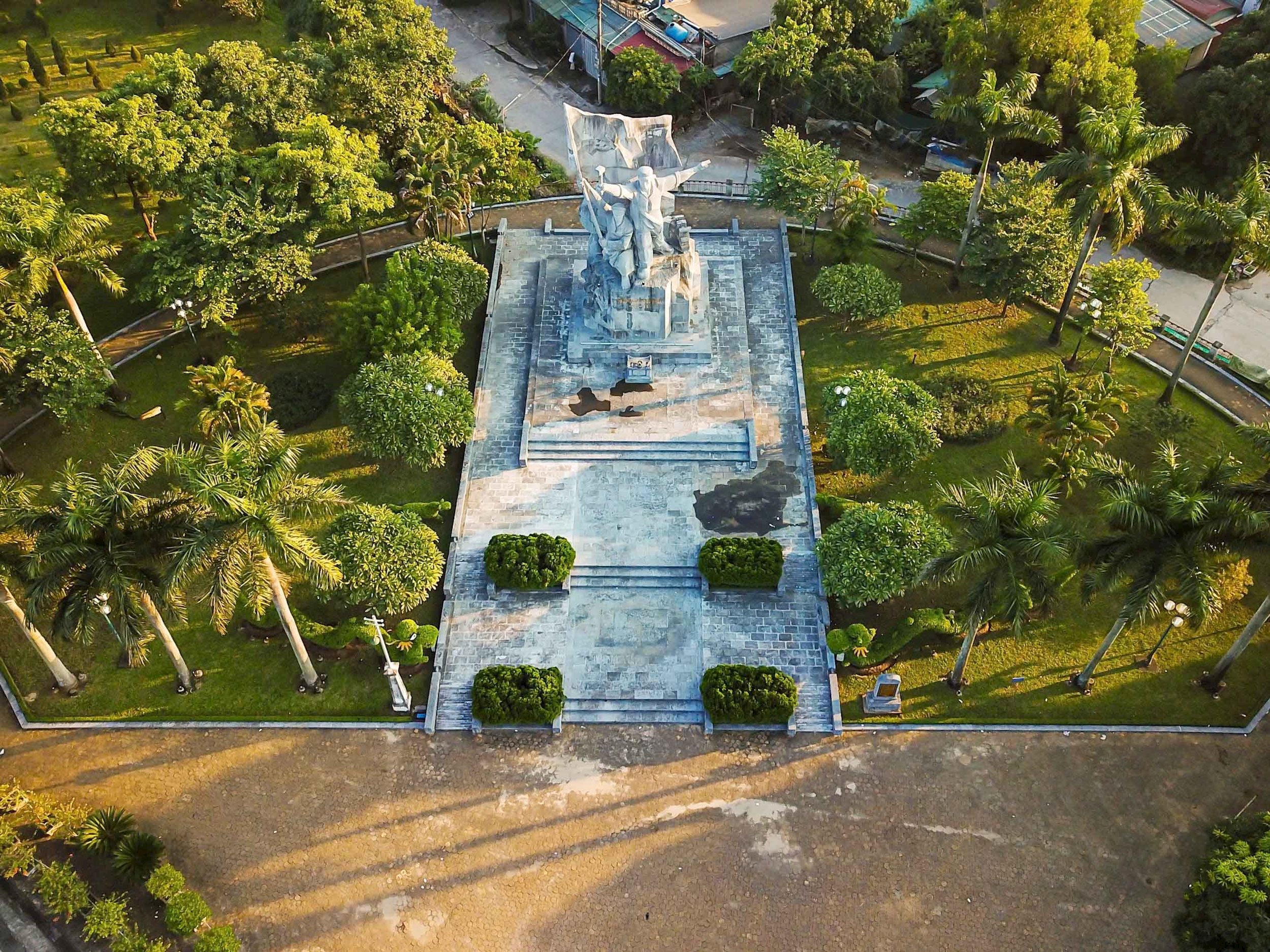
Taking a stroll around the city, one can see that Ben Thuy Junction has become a meeting point of the past and present. To commemorate the glorious revolutionary period of 1930-1931, Nghe An province has erected a magnificent monument to workers and farmers here. Even more gratifying, on November 16, 1988, the Ministry of Culture issued Decision No. 1288-VH/QD recognizing Ben Thuy Junction as a historical and cultural relic for long-term preservation and development of revolutionary traditions.
Since then, it has always been a "sacred place" for the city's people and tourists from near and far to visit, expressing their gratitude and pride in a glorious past. It can be said that the Soviet spirit remains intact on the land of Vinh City, a flame that empowers the people to overcome all obstacles and gradually build a city that is increasingly prosperous and beautiful.