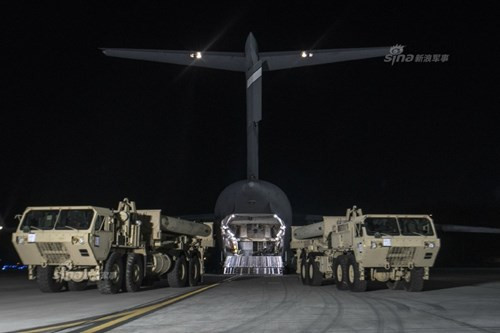
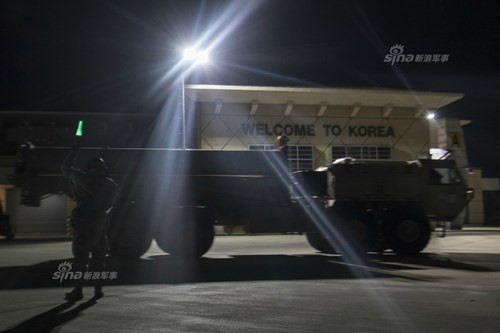
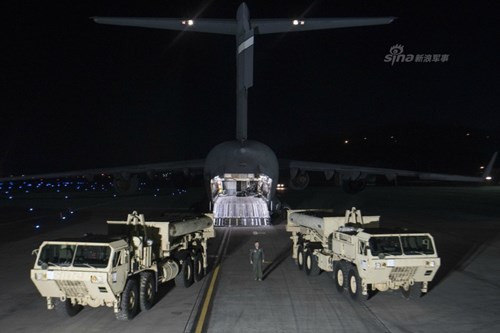
The first components of the Terminal High Altitude Area Defense (THAAD) missile defense system were delivered to South Korea by the US on the evening of March 6th and began deployment on the morning of March 7th.
"The US deploys missile defense systems in South Korea – an action challenging Russia."
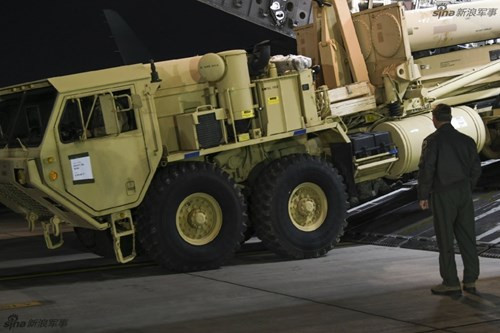 |
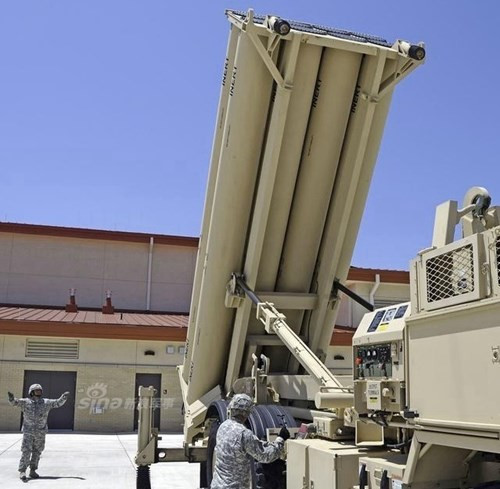
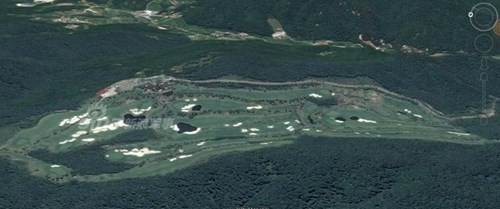
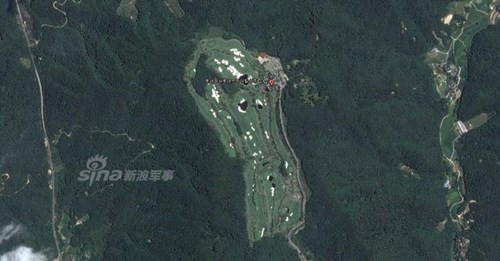
| On the evening of March 6th, a South Korean government representative officially confirmed that two THAAD missile launchers had been transported by air to Osan Air Base in South Korea, and subsequently deployed in the Seongju golf course area in Gyeongsang Province. |
 |
| The deployment of THAAD by South Korea and the US comes as North Korea has just launched four ballistic missiles into the sea east of the Korean Peninsula, further escalating tensions in the region. |
 |
| The THAAD system includes: a command vehicle, a fire control radar, and 6 launchers with 8 launch tubes and 48 missiles. Its technical capabilities are far superior to any other ballistic missile defense system. |
 |
| The THAAD system's missiles have a range of up to 300km, capable of defending an area with a radius of 200km; while the "Patriot-2" and "Patriot-3" missiles only have a range of 15km and 30km, respectively. |
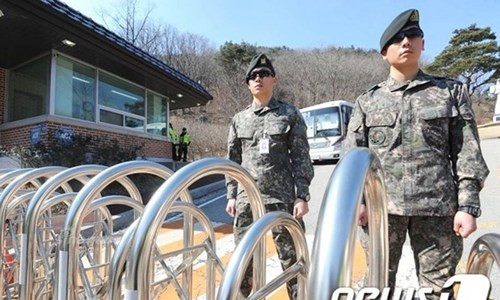 |
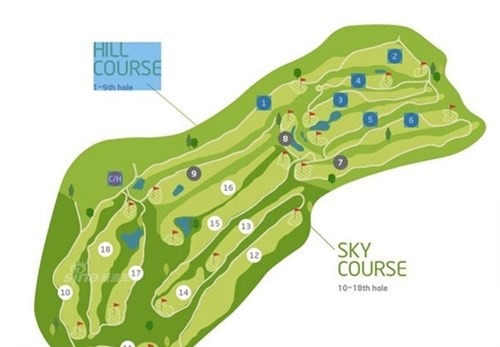
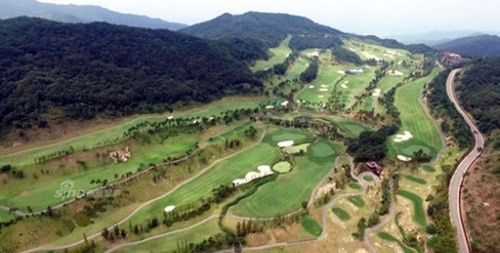
| On February 27, Lotte Group (South Korea's fifth-largest conglomerate) officially signed a land swap agreement with the military, allowing the military to use land from their Seongju golf course in Gyeongsang Province as a site for deploying the THAAD system. |
 |
| The THAAD system uses the AN/TPY-2 radar, considered the world's largest and most powerful mobile ground-based radar system currently available. |
 |
| China claims that THAAD's radar can monitor Chinese missiles from the moment they leave the launch pad, providing intelligence data to aid in later warning and interception, potentially neutralizing their intercontinental ballistic missiles. |
 |
| On March 7, the Chinese Foreign Ministry firmly opposed the deployment of the THAAD system. Foreign Ministry spokesperson Geng Shuang expressed opposition to the deployment, stating that THAAD's powerful radar system could affect China's security and would not help reduce tensions on the Korean Peninsula. |
 |
| The Russian Foreign Ministry also issued a statement on the same day, asserting that the US deployment of the THAAD missile defense system in South Korea would only exacerbate the stalemate on the Korean Peninsula. Leonid Slutsky, Chairman of the Foreign Affairs Committee of the Russian State Duma, frankly stated that the THAAD presence in South Korea goes beyond the policy of deterring North Korea and therefore could disrupt the strategic balance in the region. |
According to Tien Phong



