
Lotus flower: a precious medicinal herb from root to tip.
The lotus flower is not only beautiful, but every part of it is used in medicine, from the seeds, embryo, rhizome to the leaves and seed pod.
Lower cholesterol
Lotus leaf tea and lotus flower tea are excellent for lowering blood cholesterol levels by preventing fat absorption.
Blood sugar control
Lotus leaves help regulate blood sugar levels, preventing hyperglycemia and dyslipidemia in diabetic patients.
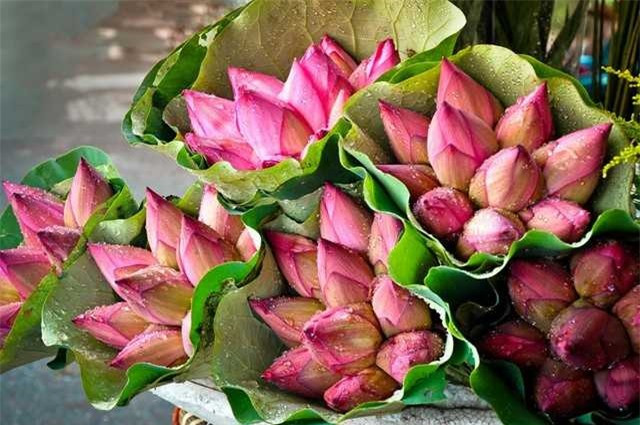 |
| Every part of the lotus plant is used in medicine, from the seeds, embryo, rhizome, to the leaves and seed pod. |
Lowering blood fat
Lotus leaves contain many substances that help remove excess fat from the blood, such as tannins, alkaloids, nuciferin, vitamin C, citric, tartaric, and succinic acids.
Reduce stress
Drinking a few cups of lotus flower tea every day is one of the best ways to relax, calm your nerves, relieve anxiety, and bring about a sense of peace.
Heartburn relief
Lotus leaf tea and lotus flower tea reduce stomach acid when acid levels are high, helping to heal stomach ulcers faster.
Low blood pressure
Instead of taking blood pressure medication, you should try lotus leaf tea, which is more effective and safer.
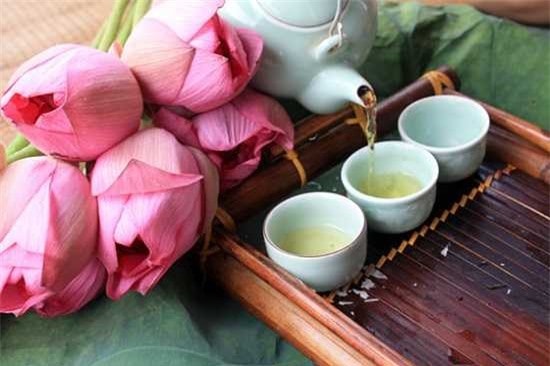 |
| Drinking a few cups of lotus flower tea every day is one of the best ways to help you relax and calm your mind. |
Improve fertility
Regular consumption of lotus leaf tea helps men treat premature ejaculation, and women will find their menstrual periods less stressful and more manageable. Women who are menstruating or pregnant should temporarily stop drinking lotus leaf tea for better results.
Cooling down
According to traditional Chinese medicine, lotus tea helps to relieve heat and treat summer ailments, cooling the internal organs.
Skin beautification
According to the Ayurvedic medical perspective of the Indian people (a system that uses the inherent principles of nature to help maintain human health), lotus flowers, when ground into a paste and applied to the skin, nourish and regenerate skin cells, keeping the skin youthful and smooth. Lotus flower essential oil stimulates the body to produce more melanin, helping to protect the skin from the harmful effects of sunlight.
Cancer prevention
Lotus flowers contain a large amount of vitamin C, a powerful antioxidant that helps the body prevent cancer and other dangerous diseases such as cardiovascular disease and stroke.
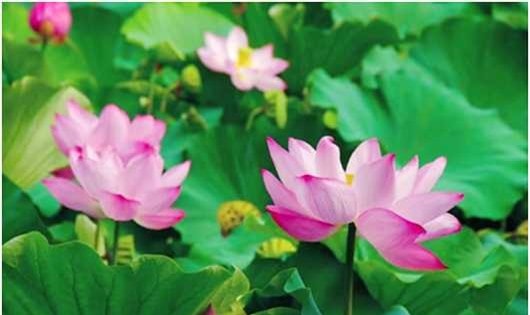 |
| Lotus flowers contain a large amount of vitamin C, a powerful antioxidant that helps the body prevent cancer. |
Treating anemia
Lotus petals contain many components that are highly effective in regenerating blood cells. Therefore, using lotus flowers as medicine or food is an effective way to treat anemia.
strong bones
The phosphorus in lotus flowers is an important element that helps strengthen bones and prevent osteoporosis in older adults.
Preventing heart disease
Lotus leaves contain antioxidants that increase blood flow to the heart and lower blood pressure.
Anti-inflammatory
Lotus leaf tea is an excellent remedy for inflammation, redness, swelling, and pain. When injured, a pinch of lotus leaf tea can effectively stop bleeding.
Losing weight
Regular consumption of lotus leaf tea can help you achieve a slender figure. Lotus leaves contain L-carotene, which increases metabolism while preventing the absorption of starch and fat.
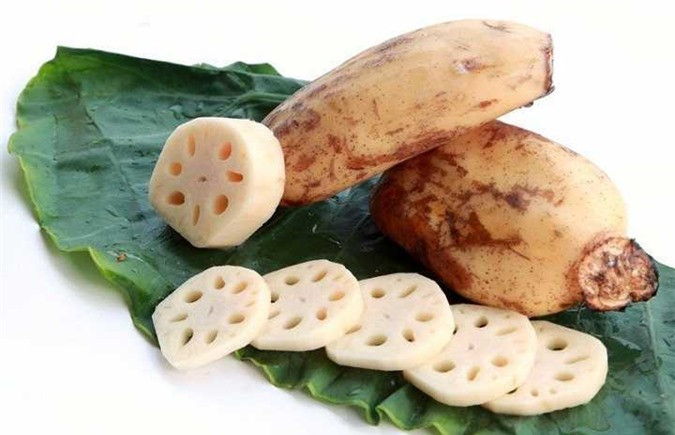 |
| Lotus root contains many minerals and nutrients, such as vitamin C. |
Antifungal and antibacterial
Crushing lotus leaves and applying them to areas of skin affected by fungal infections or inflammation helps to heal the skin quickly and kill the fungus.
Boost immunity
Lotus flowers contain a high amount of linoleic acid, an important substance that helps prevent heart disease, diabetes, cancer, arthritis, and strengthens the immune system.
Antioxidants
Lotus leaves and flowers contain many powerful antioxidants such as nuciferine, lotusine, demethyl coclaurine, and neferin, which help prevent cardiovascular disease, stroke, and cancer, and maintain the body's youthfulness.
Treatment for hematuria (blood in urine)
Lotus leaf tea has astringent properties that stop internal bleeding, and it can treat hematuria (blood in urine) and rectal bleeding (blood in stool).
Remove mucus
If you frequently experience respiratory problems, colds, or sinusitis, you should drink lotus leaf tea because it helps remove harmful mucus from the body.
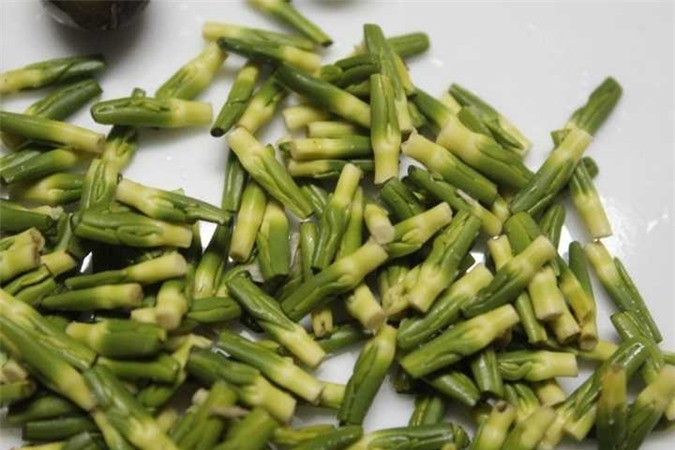 |
| Drinking lotus seed tea or making lotus seed porridge has a calming and sedative effect, helping you fall asleep more easily and sleep more soundly. |
Soothe the stomach
One of the most common uses of lotus flowers in traditional Chinese medicine is to soothe the stomach. Soak lotus seeds in warm water for several hours and then add sugar to taste. However, this method should not be used by people with diarrhea.
Helps you sleep well
A long-known folk remedy is drinking lotus seed tea or cooking lotus seed porridge, which has a calming and sedative effect, helping you fall asleep more easily and sleep more soundly.
Treating postpartum hemorrhage.
Five lotus seeds and 80g of Cyperus rotundus are burned and finely ground. Take 8-24g daily, divided into 2-3 doses. Many traditional medicine practitioners believe lotus leaves have the same uses as lotus seeds. Lotus leaves are used in acute cases, with a dosage of 15-20g in decoction form. According to ancient texts, lotus leaves are bitter and neutral in nature, used to treat diarrhea, edema, vomiting blood, nosebleeds, and postpartum hemorrhage.
Painful and burning urination
Take fresh lotus root and fresh rehmannia root, crush them and squeeze out a bowl of juice, strain it, add a little salt and squeeze in half a lemon, and drink it when thirsty.
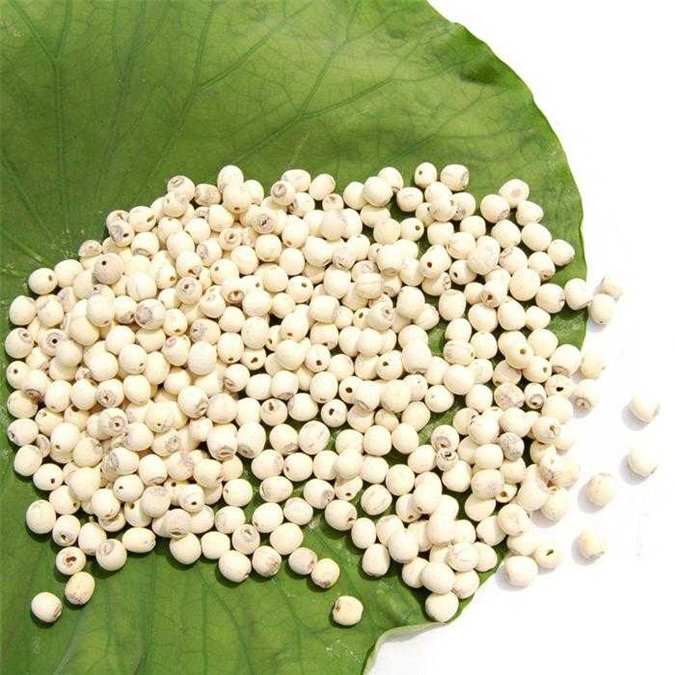 |
| Lotus seeds are used as a tonic, to strengthen the kidneys, and to treat nocturnal emissions, insomnia, and nervous exhaustion. |
Fever and thirst
When you have a cold and are extremely thirsty, take a cup of lotus root juice, mix it with a spoonful of honey, molasses, or fresh sugarcane juice, and drink it slowly in small sips.
Vomiting blood
If you suddenly vomit blood, crush lotus root and lotus leaf buds to extract a bowl of juice and drink it gradually, spoonful by spoonful. Mixing it with a spoonful of honey is even better (you can use lotus leaves or leaf buds as a substitute).
Thirst after having diarrhea
After recovering from diarrhea but still feeling irritable, thirsty, and having a rumbling stomach, take young lotus leaves (both rolled and with stems) and chop them up to eat as a side dish, just like you would eat raw vegetables.
Treating nocturnal emissions and cloudy urine.
Take lotus seeds, peel them, remove the core, roast them until golden brown, grind them into a fine powder, and drink regularly with filtered water. The longer you drink it, the better. If you can find and add Poria cocos to the mixture, grinding it into a fine powder will make the effect even faster.
Painful urination with blood
Roast the lotus seed pod until almost burnt (to preserve its properties), then grind it into a powder. Take two small spoonfuls with rice porridge; if lotus seed pods are unavailable, the leaves can be used as a substitute.
Treating swollen boils
Boil the lotus leaf stems in water to make a concentrated decoction for soaking and washing the affected area. Afterwards, take a few lotus leaves, mash them with sticky rice, and apply the mixture to the boil.
Treating rhinitis and chronic nasal congestion.
Take 100g of finely chopped and dried lotus petals and 100g of Angelica dahurica (available at pharmacies), grind them into a fine powder, mix them together, and roll them into cigarettes using cigarette paper. Lotus leaves are often considered to have the same uses as lotus seeds; however, lotus leaves are used for acute illnesses. The dosage is 15-20g in the form of a decoction.
Treating bloody dysentery
Take the stem end of a lotus leaf, crush it, squeeze out the juice, boil it, let it cool slightly, then drink it.
According to Science and Technology
| RELATED NEWS |
|---|


