
Learn how to have breakfast the Japanese way.
Breakfast is considered the most important meal, providing 40% of the day's energy needs. It is the brain's primary source of energy, especially after a long period of 10-12 hours since the last meal of the previous day.
In Japan, breakfast is the biggest meal of the day. It might include: an egg, a piece of cod, pork, two prawns, seaweed, fruit, a bowl of soup, and some rice. The meal is usually very rich and varied.
Meanwhile, in Vietnam, many families don't have the habit of cooking breakfast at home, instead letting their children eat out with traditional dishes like pho, vermicelli, sticky rice with meat, pate sandwiches, egg sandwiches, etc. It's easy to see that these breakfasts contain carbohydrates, protein, and fat, but often lack vegetables and fruits. Children eat pho, but most don't eat onions or herbs.
Many people find it difficult to prepare a hearty Japanese-style breakfast.In fact, you can do it another way.
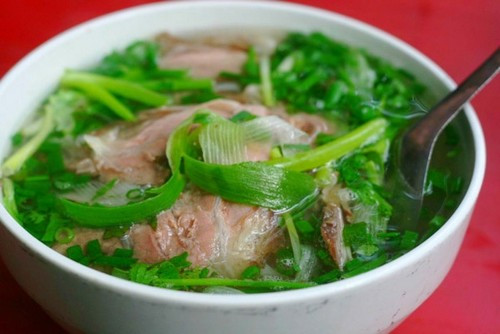 |
For breakfast, parents can give their children rice noodles or pho, but it must include vegetables or fruit. |
According to Associate Professor Le Danh Tuyen, Director of the National Institute of Nutrition, the important principle that parents need to remember is to eat a varied diet; including all four food groups: carbohydrates, proteins, fats, vitamins, and minerals. Breakfast should include vegetables and fruits.
"We can still eat traditional Vietnamese dishes but increase the proportion of vegetables and fruits. For example, when eating pho, we can ask for more onions and herbs."Parents should encourage their children to eat herbs, which are very good for their health."If you don't have the opportunity to eat vegetables for breakfast, you can substitute them with fruits: bananas, sapodillas, seedless guavas, dragon fruit, watermelons...", Associate Professor Tuyen said.
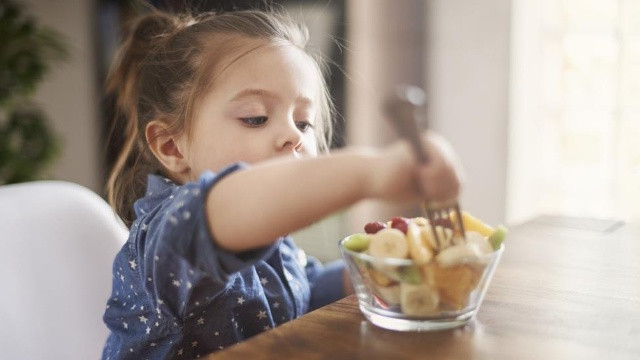 |
| You can have traditional Vietnamese breakfast dishes, but you should increase the proportion of vegetables and fruits... |
It's important to vary your meals regularly because no single meal provides all the necessary micronutrients, nutrients, and food variety.In the morning, parents can cook their child a bowl of noodles with 50g of meat, 50g of vegetables, along with a cup of yogurt, an orange, or a 200g slice of watermelon. The next day, the child can eat sticky rice with meat, or egg sandwiches, but remember to include fruit as well.
However, when it comes to pho, nutritionists recommend limiting salt and MSG. The World Health Organization recommends that an adult consume less than 5g of salt per day, while a bowl of pho or vermicelli can contain as much as 4-5g of salt.
Not only for breakfast, but for other meals as well, homemakers should pay attention to combining 15-20 different foods a day, ensuring all four food groups are present: protein, carbohydrates, vitamins and minerals, and fats. A meal should include five dishes: rice, soup, a main course, vegetables, and dessert. In addition, it's important to choose diverse protein sources, noting that 2-3 meals a week should include fish, crab soup, clams, etc.
According to VNE
| RELATED NEWS |
|---|


