Villages in Nghe An province prosper thanks to the sale of products derived from silkworms.

Thanh Phuc November 12, 2023 08:35

(Baonghean.vn) - Dien Kim silk (Dien Chau) is renowned throughout the country, attracting traders from all over to place orders, and the villagers can't produce enough to meet demand. Besides silk, by-products such as silkworm pupae and silkworm excrement are also in high demand. Thanks to this, the villagers along the banks of the Lach Van River, though not wealthy, always have enough to eat…
bna_bà Đức.JPG
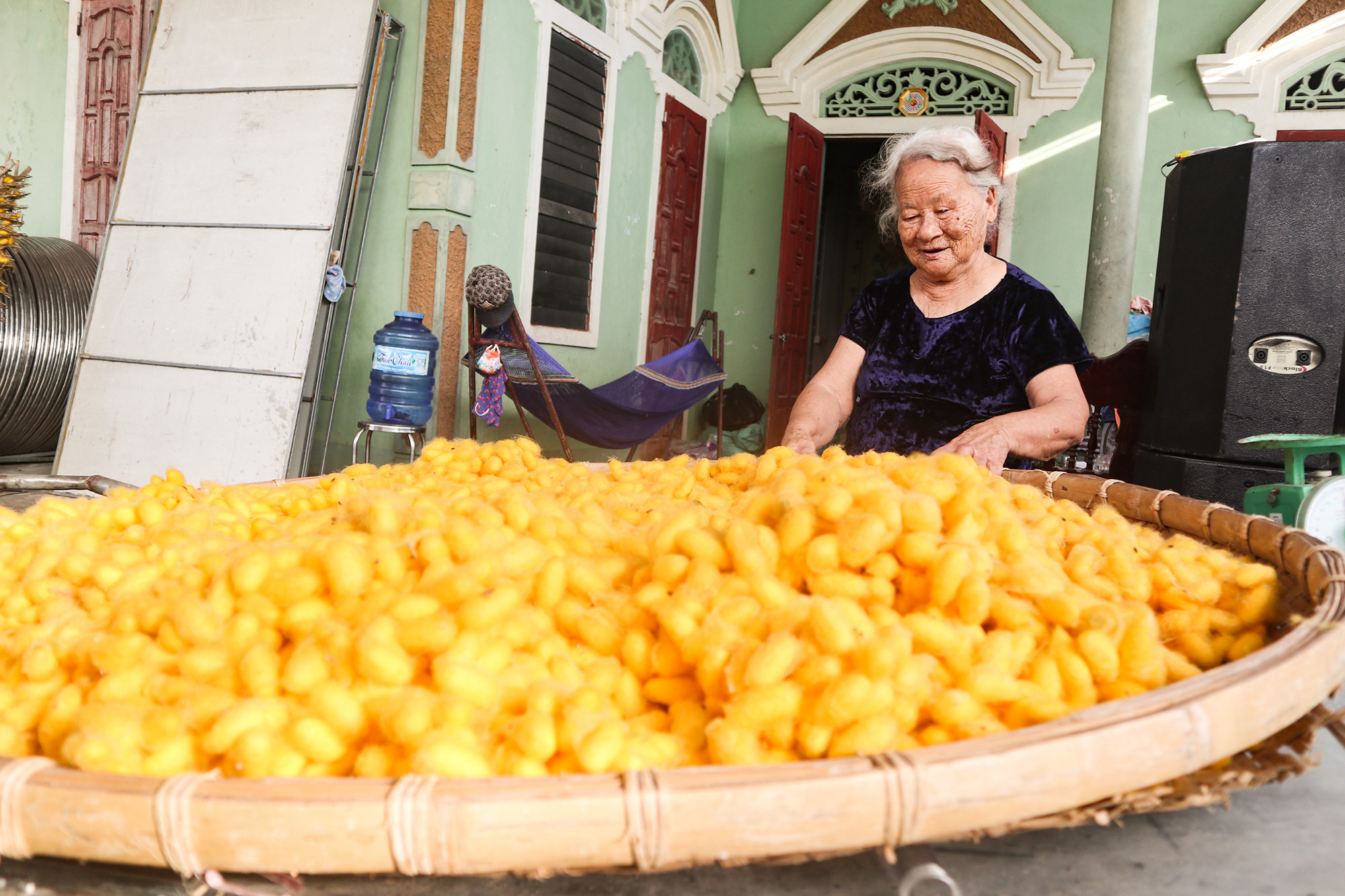
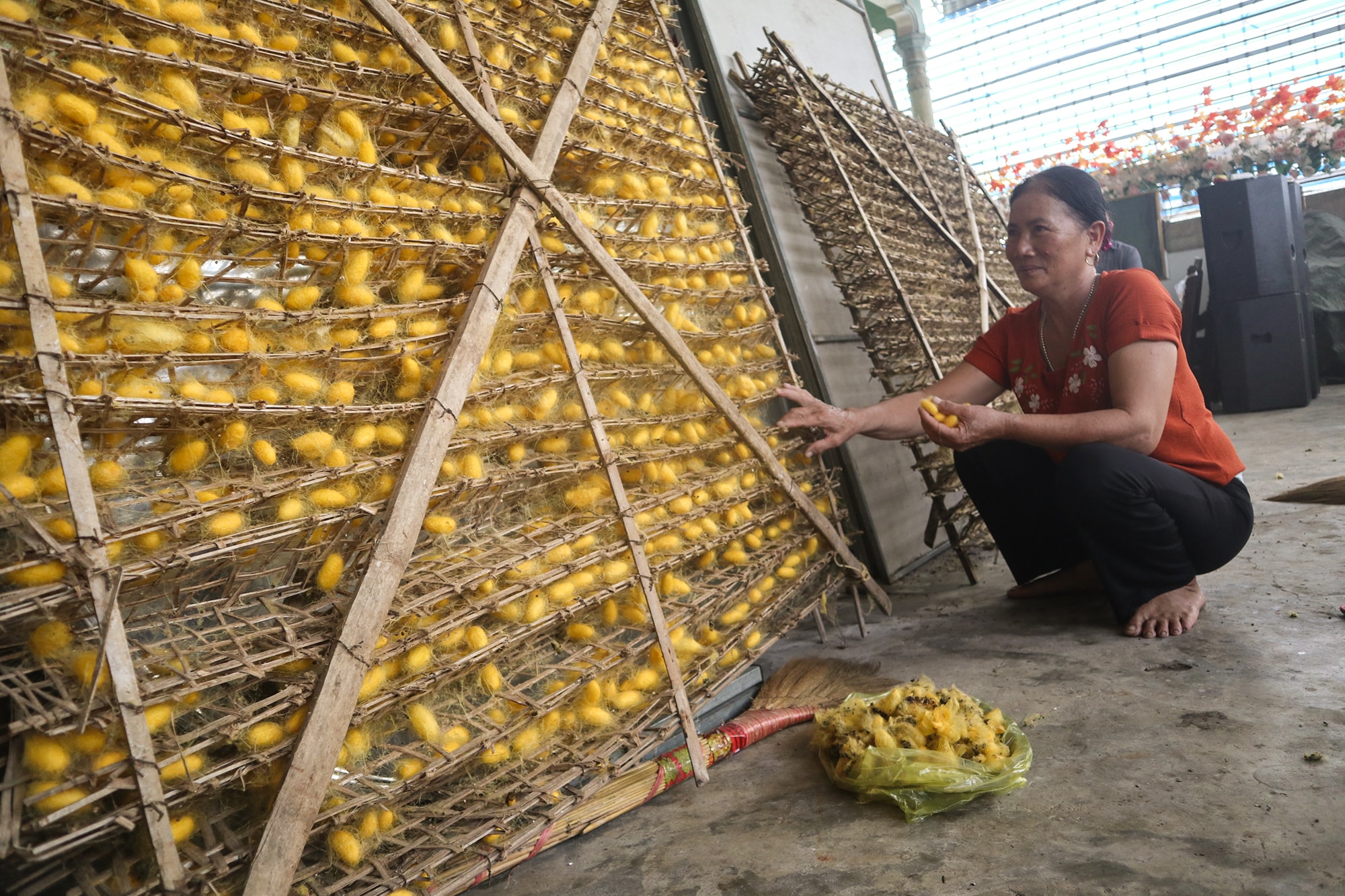
Tien Tien village, Dien Kim commune (Dien Chau district) has 60 hectares of mulberry trees and 95 households engaged in silkworm farming and silk weaving, of which 17 households process and reel silk. Silkworm farming and reeling is a traditional occupation, closely associated with the villagers for hundreds of years. Some families have had 5-7 generations involved in the profession. In the photo: Mrs. Nguyen Thi Duc (95 years old) has been involved in silkworm farming and cocoon handling for over 80 years. Photo: Thanh Phuc
bna_bà Thư.JPG
Later, Mrs. Duc passed the silk farming business down to her daughter, Bui Thi Thu. Now, Thu's family also owns one acre of land for growing mulberry trees, producing 8 quintals of cocoons and 1 quintal of silk annually for sale on the market. Photo: Thanh Phuc
bna_4.JPG
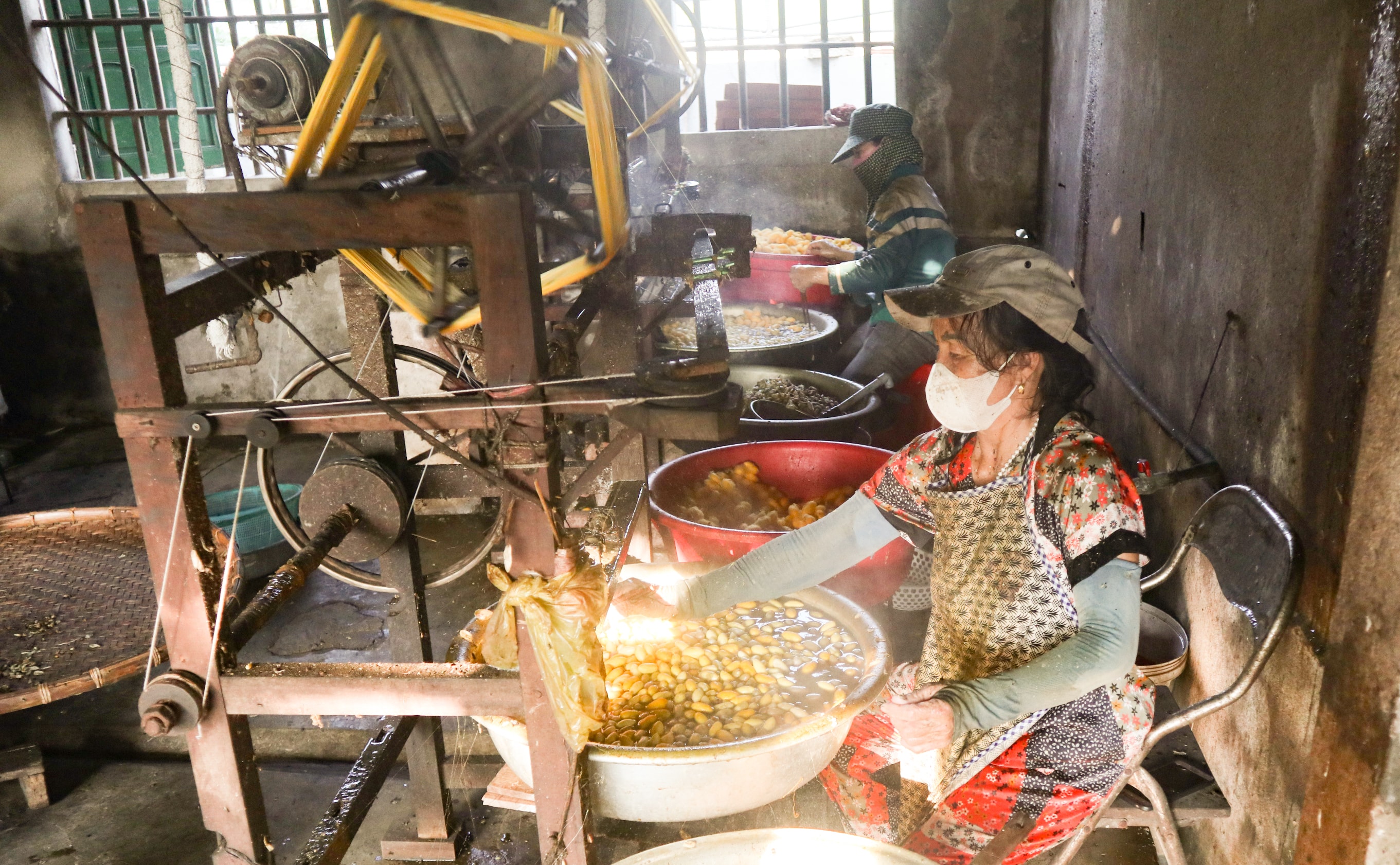
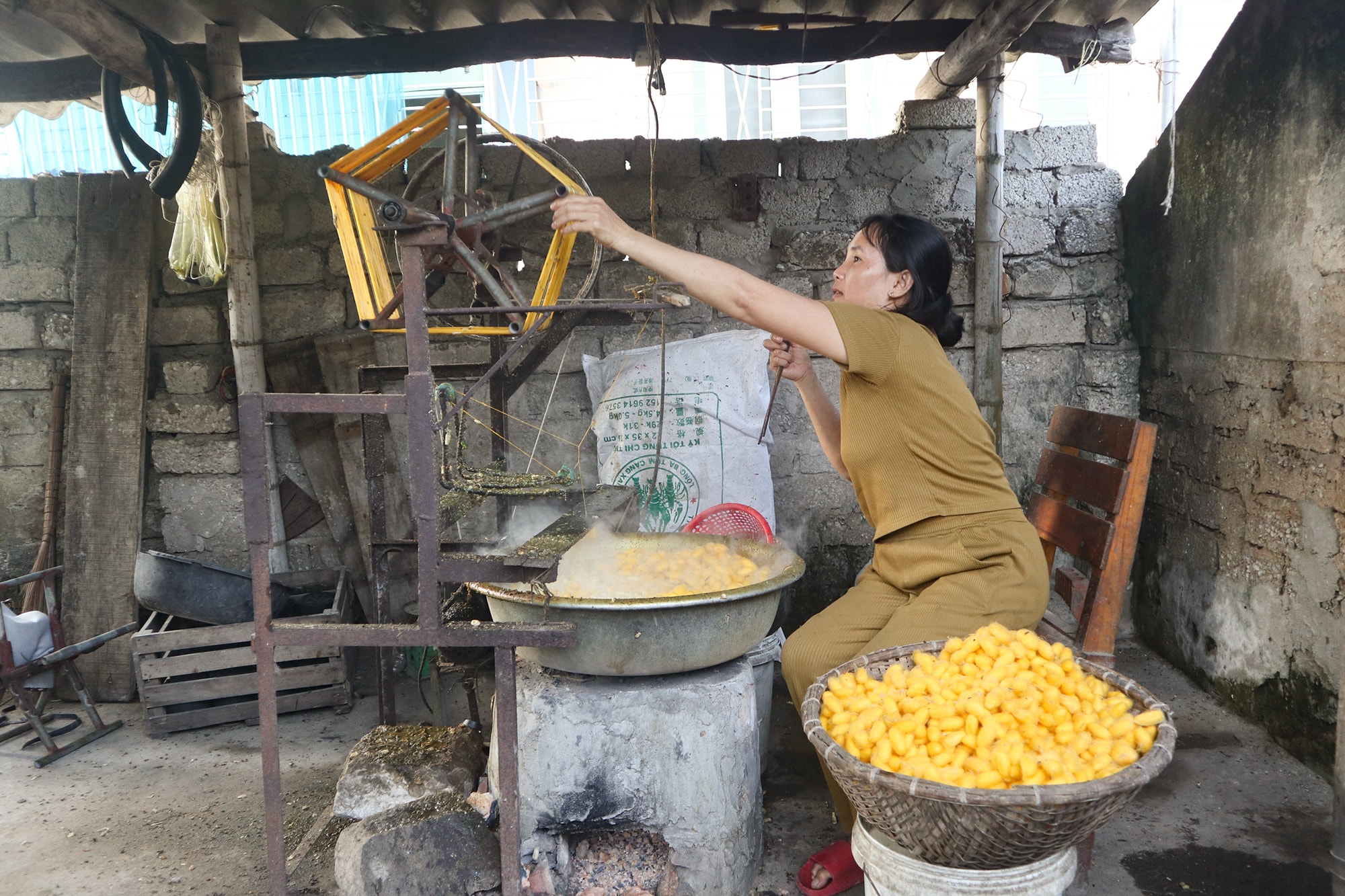
Middle-aged women in Tien Tien village are involved in silk spinning year-round. Photo: Thanh Phuc
bna_đại diện.JPG
Spinning silk is very hard work, requiring one to sit beside a blazing charcoal stove, with steam rising from a boiler, always quick and alert to ensure the silk threads are even, tangle-free, and free of impurities. Photo: Thanh Phuc
bna_tay.JPG
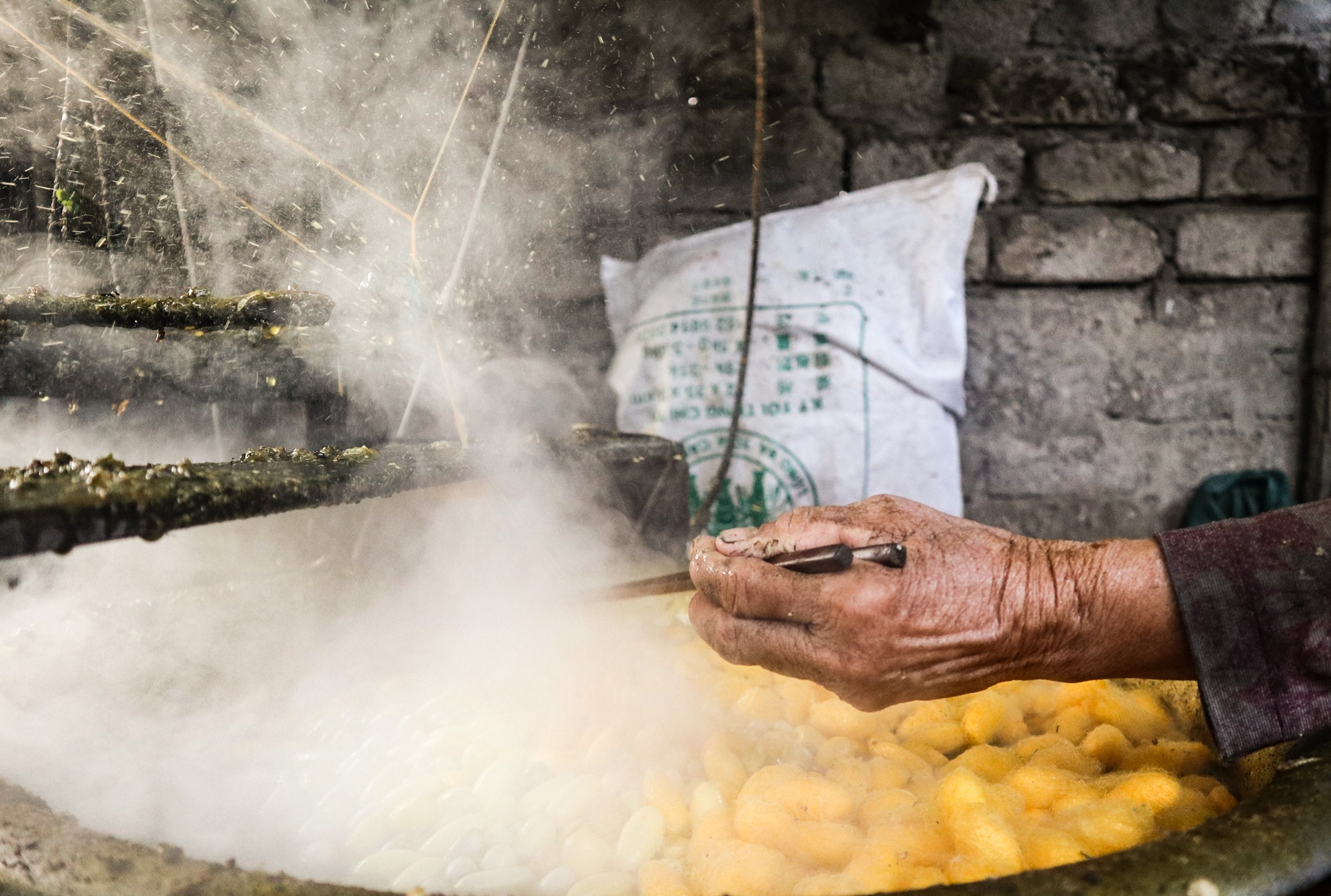
The hands of the women in Tien Tien silk-making village are darkened by mulberry leaf sap, cocoon spinning, and silk reeling. Photo: Thanh Phuc
bna_tằm ăn.JPG
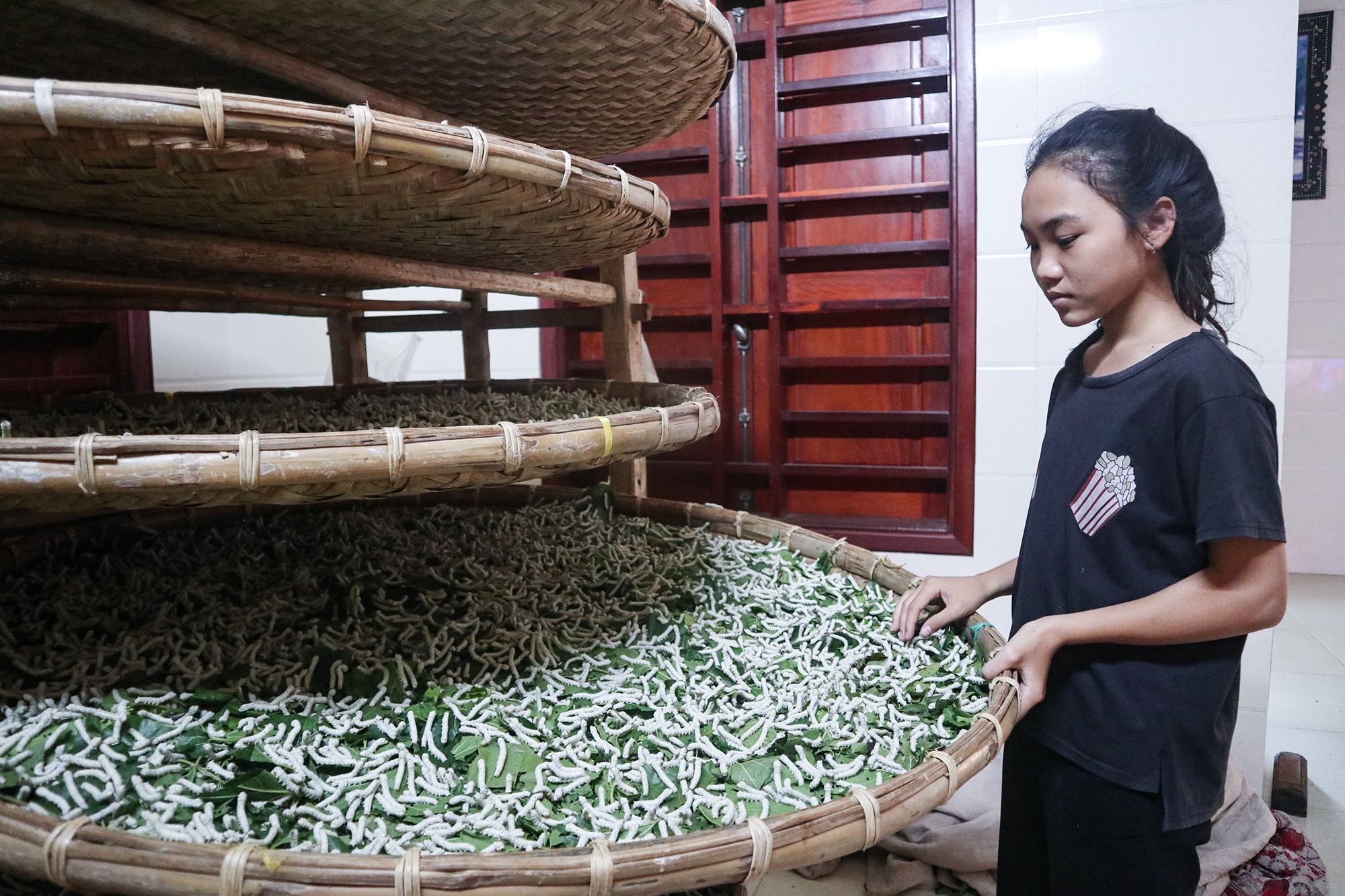
Mrs. Nguyen Thi Dinh's family is one of the largest silkworm farming households in the village. Every family member, from children to the elderly, contributes to the various stages of silk production. In the photo: Mrs. Dinh's granddaughter (15 years old) feeding the silkworms. Photo: Thanh Phuc
bna_ghép 3.jpg
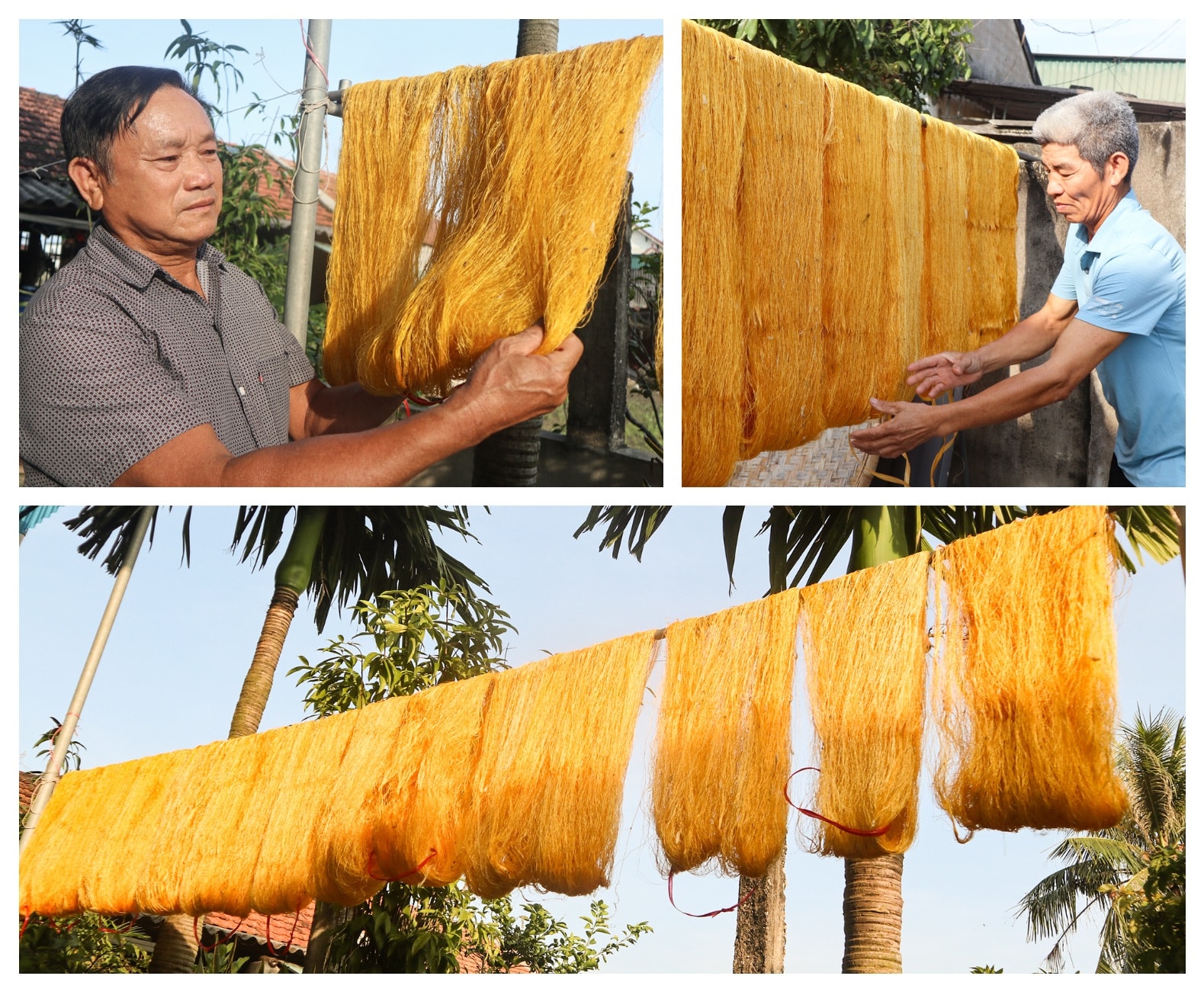
In the early days of winter, with the dry, sunny weather, the yards of households in Tien Tien village are dyed yellow by silk threads being dried in the sun. Photo: Thanh Phuc
bna_ông Trường.JPG
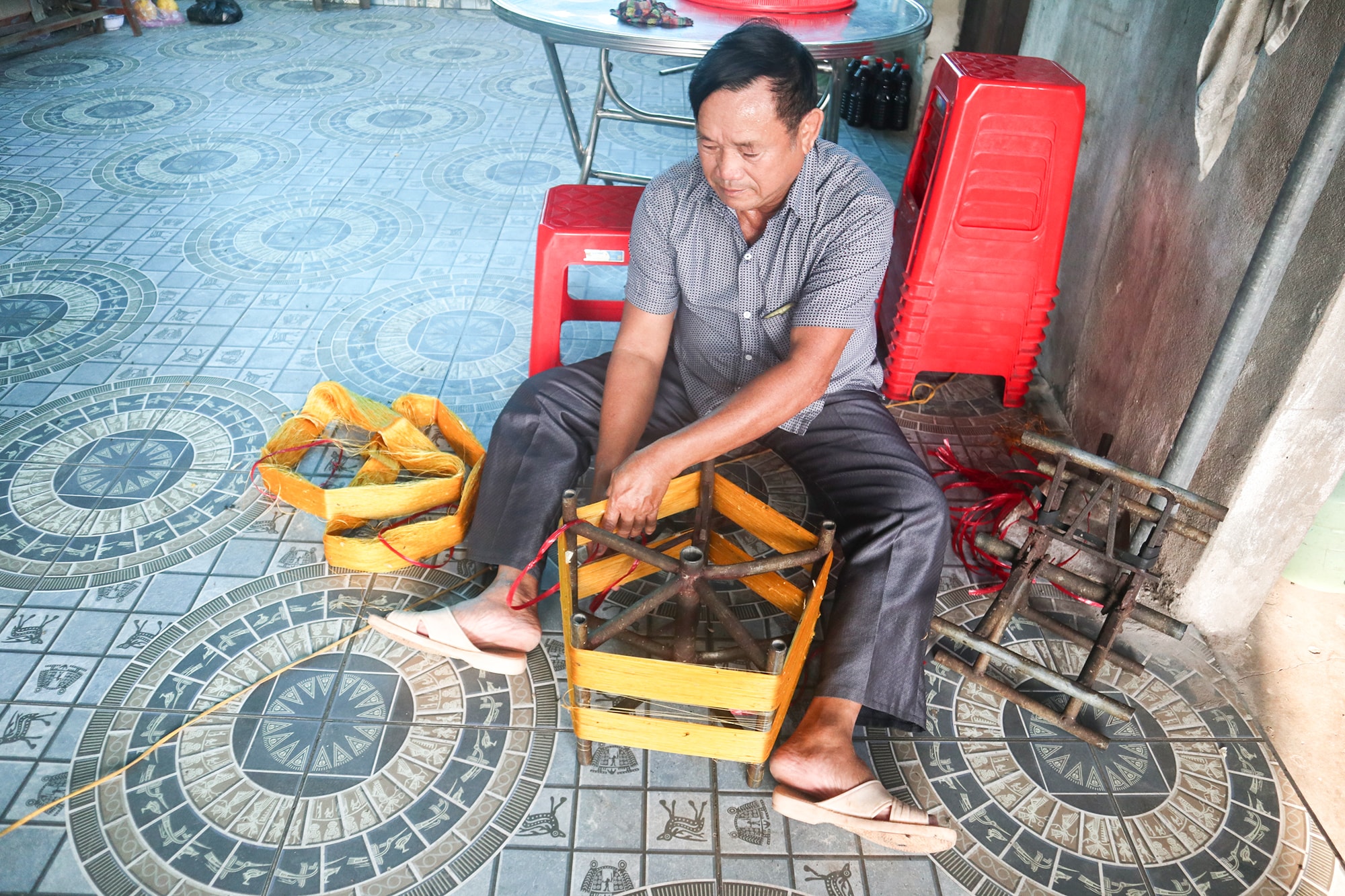
According to Mr. Nguyen Van Truong, Director of the Dien Kim Silk and Agricultural Service Cooperative, Tien Tien village currently sells 30 tons of cocoons and 3.5 tons of silk thread to the market each year. Dien Kim silk provides raw materials for weaving brocade for craft villages in the province, northern provinces, and neighboring Laos. “Market demand is very high, but due to low production, it cannot meet the demand. Dien Kim silk is always in high demand,” Mr. Truong said. Photo: Thanh Phuc
bna_bà Đính.JPG
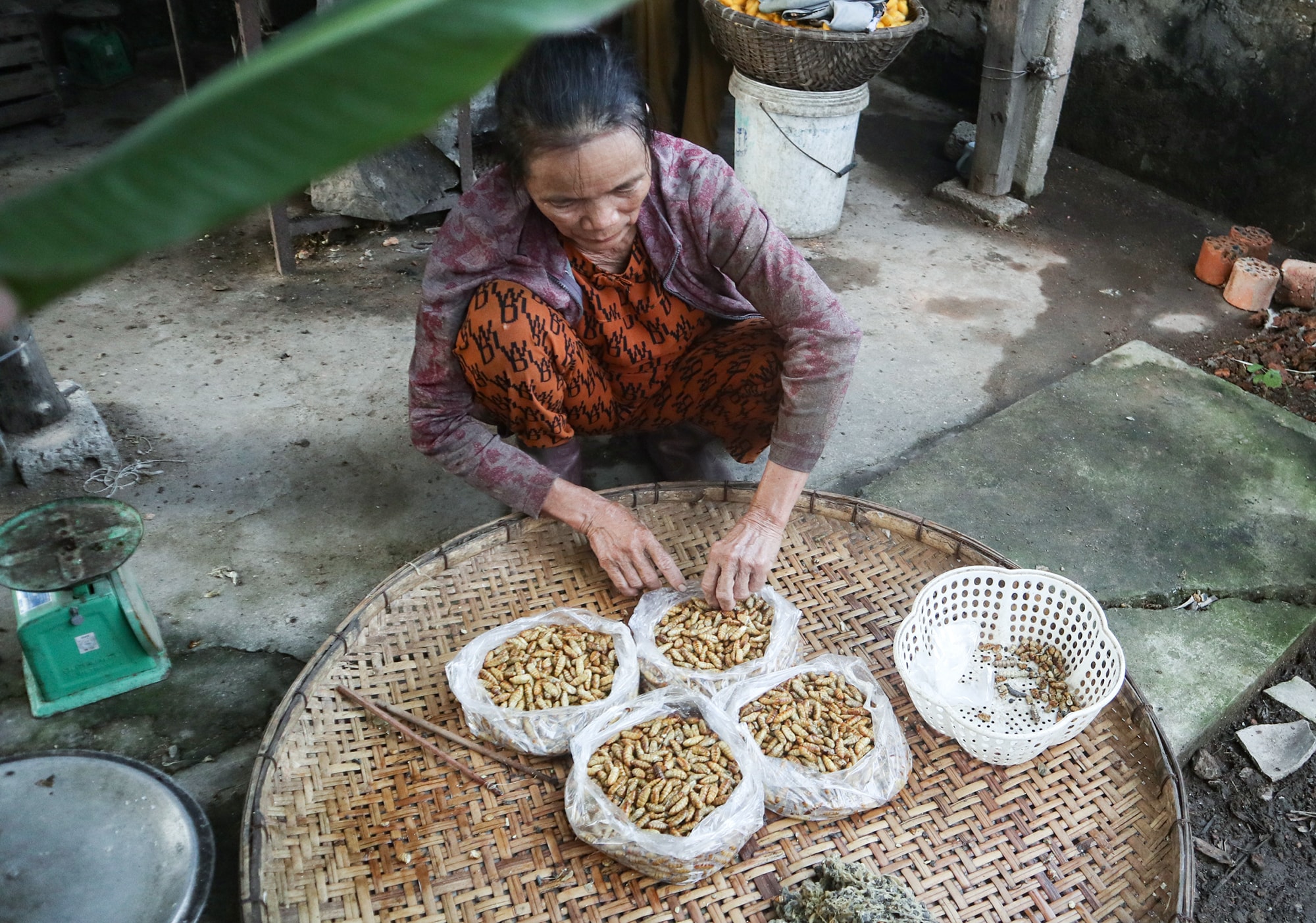
Besides the income from silk, by-products such as silkworm pupae are also highly sought after in the market. Each year, villagers in the silkworm farming industry supply 15-17 tons of pupae to the market. (Photo: Thanh Phuc)
bna_món ngon.jpg
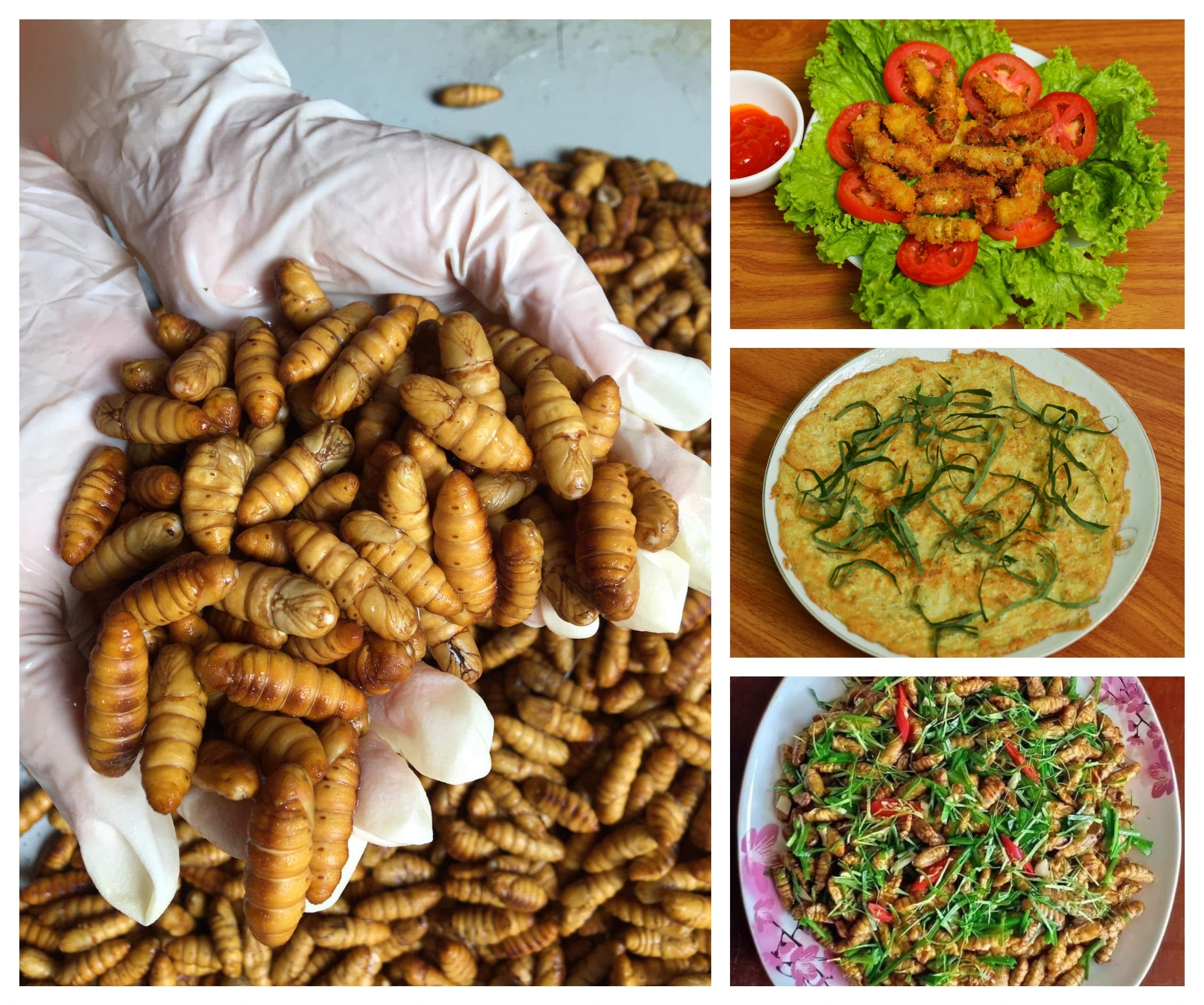
Silkworm pupae can be used to prepare many delicious and nutritious dishes such as: crispy fried silkworm pupae, silkworm pupae patties, stir-fried silkworm pupae with lime leaves... Tien Tien silkworm pupae are perfectly cooked, not overcooked, and especially fresh and delicious, not soaked in water or treated with chemicals, making them very popular. Each month, the silkworm pupae production reaches 1.2-1.5 tons, but it is still not enough to meet the demand of the local market. Photo: Thanh Phuc
bna_phân tằm.JPG
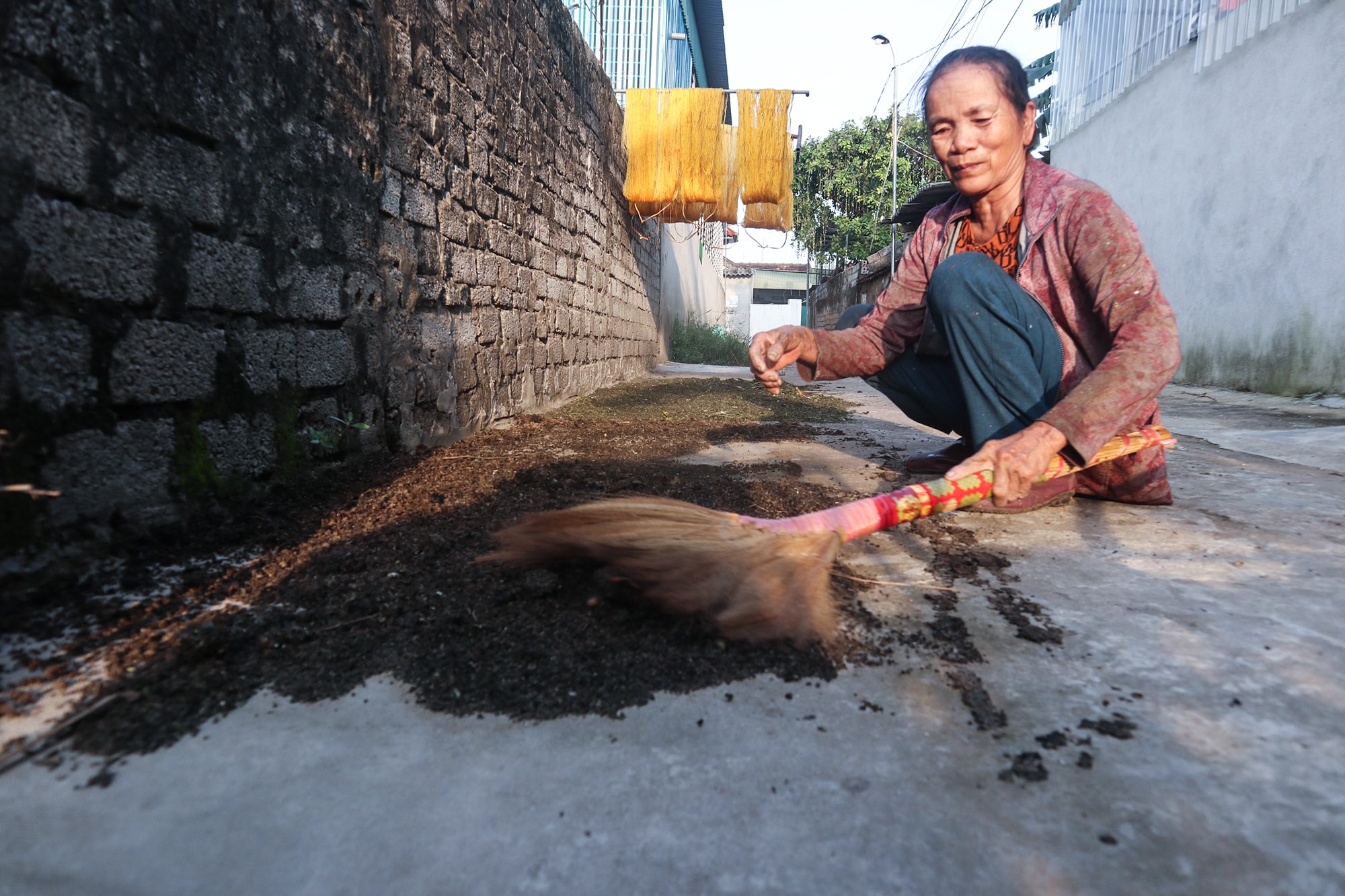
In addition, silkworm excrement is also sought after by flower and ornamental plant growing villages at a relatively high price, averaging 10-12 million VND per ton. Photo: Thanh Phuc
0 0 0
x
Villages in Nghe An province prosper thanks to the sale of products derived from silkworms.
Google News
POWERED BYFREECMS- A PRODUCT OFNEKO