
Na Loi: A border region striving for sustainable development.
Beginning a new phase of development, the border commune of Na Loi has identified the need to enhance the leadership capacity and fighting strength of the Party Committee, build a strong political system; promote the strength of national unity among ethnic groups, focus on socio-economic development, ensure national defense, security, and foreign relations; and resolutely strive to lift Na Loi out of poverty and achieve sustainable development.
Geographical location and natural conditions
Na Loi commune was established on July 1, 2025, based on the merger of Dooc May commune and Na Loi commune (formerly part of Ky Son district). Located in a high mountainous area, it directly borders Laos. With a border nearly 7 km long adjacent to Noong Het district (Xieng Khouang province, Lao People's Democratic Republic), Na Loi holds a particularly important geopolitical position in national defense and security strategy.
.png)
Na Loi has a natural area of 141.86 km².2The area is mostly hilly and mountainous, with complex terrain, steep slopes, and interspersed narrow valleys. The river and stream system is quite dense, including many small streams and ravines, creating biodiversity and favorable conditions for agricultural, forestry, and livestock production, as well as providing a source of water for the people.
The entire commune has 11 villages with 852 households, a total population of 4,321 people, and four ethnic groups living together; including: Khmu people 997 people (accounting for 23.07%); Mong people 2,090 people (accounting for 48.37%); Thai people 1,213 people (accounting for 28.07%); and Kinh people 21 people (accounting for 0.49%).
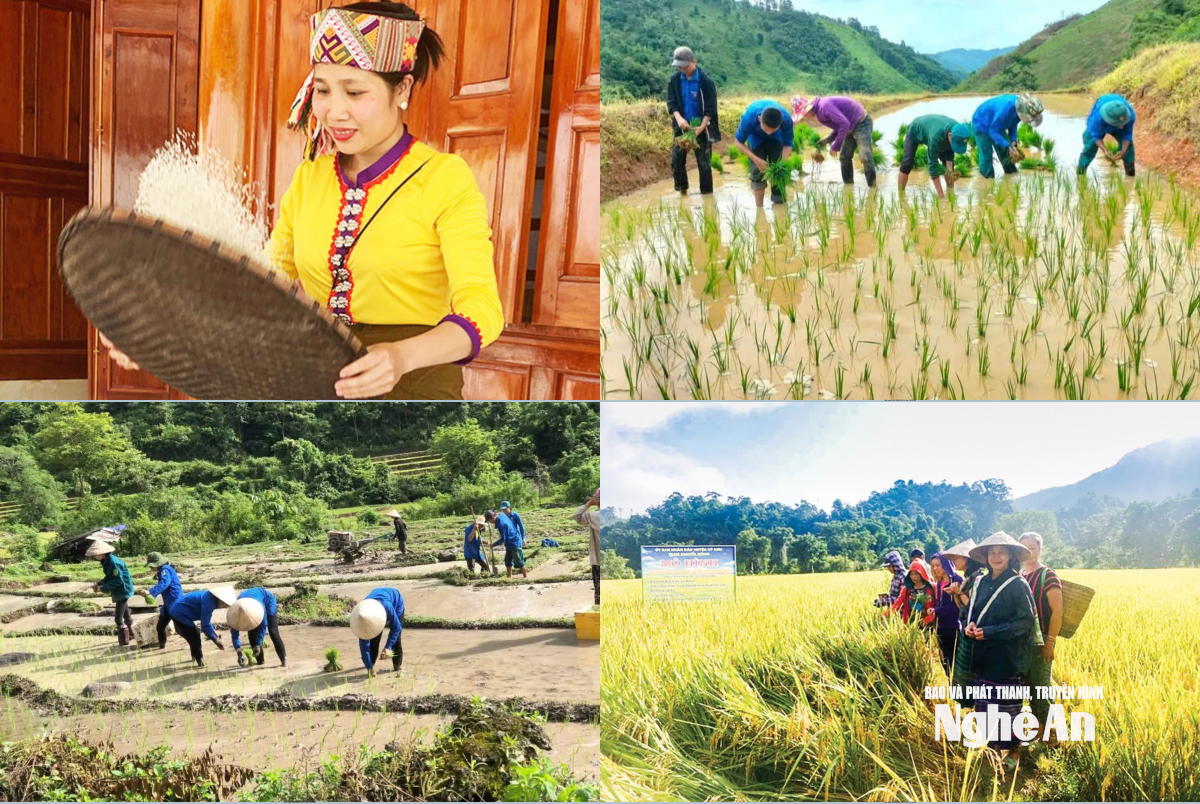
The climate in Na Loi is typical of the high mountainous region of North Central Vietnam, with cold and foggy winters, and areas with cool microclimates year-round (the former Dooc May region). Summers are relatively hot, rainy, and often experience flash floods, landslides, and mudslides. However, the diverse natural conditions provide Na Loi with abundant resources of forests, soil, and valuable medicinal plants, making it favorable for the development of forestry, livestock farming, and unique agricultural products such as black chickens, black pigs, freshwater fish farming, and the cultivation of fragrant Na Loi rice.
History of formation and traditions
Na Loi commune is the long-standing home of ethnic minority groups, primarily the Mong, Thai, and Khmu people. Throughout history of settlement, settlement, and protection of their homeland, the people of Na Loi commune have formed traditional villages with a rich cultural identity, many unique customs, traditions, and festivals associated with their spiritual life and agricultural production methods.
During the two wars of resistance against France and the United States, the people of Na Loi commune, along with the people of Ky Son district (formerly), contributed manpower and resources, simultaneously engaging in production and fighting to protect their homeland, contributing to the overall victory of the nation. In the period of reform, the Party Committee, government, and people of Na Loi commune continue to uphold the tradition of unity, diligence, and overcoming difficulties, striving to build an increasingly prosperous homeland.
.png)
Population, cultureButsociety
The entire Na Loi commune has a total population of 4,321 people, distributed across 11 villages, of which the proportion of ethnic minorities accounts for over 99%. The people mainly live by cultivating rice and corn, raising buffalo, cattle, pigs, and chickens, in conjunction with protecting and developing the forest.
The cultural and spiritual life of the people in Na Loi commune is very rich, reflected in customs, traditions, beliefs, traditional festivals, folk songs and dances such as the xòe dance, the khèn dance, the khèn bè flute, the khèn môi flute… These are unique values that contribute to the distinct cultural identity of this border region.
Over the years, Na Loi commune has focused on developing education, healthcare, and socio-cultural fields. The commune has five schools (two kindergartens, two primary schools, and one secondary school) and two health stations. The school system has been gradually improved, and the school attendance rate has increased significantly, reaching over 95%. Healthcare for the people has been enhanced thanks to the grassroots healthcare network, combined with traditional medicine. Although the people's lives still face many difficulties, the spirit of community solidarity and the close bond among ethnic groups remain important resources for the commune's gradual development.
.jpg)
Economy and rural development
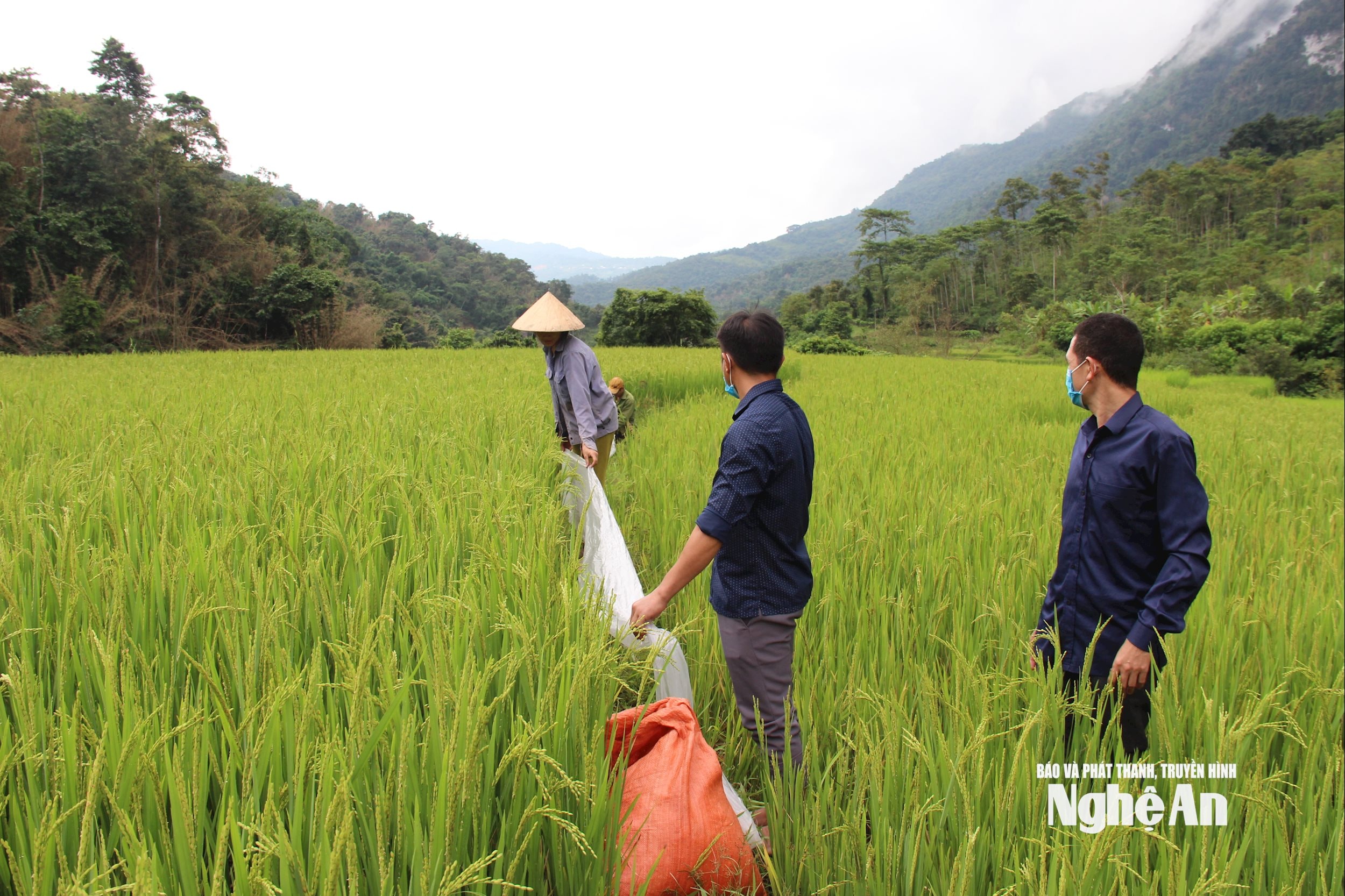
The economy of Na Loi commune is currently based primarily on agriculture, forestry, and livestock farming. The people have learned to combine slash-and-burn agriculture with forest development, the exploitation of non-timber forest products, the raising of buffaloes and cattle, black chickens, Muscovy ducks, black pigs, and the weaving of brocade fabrics. Several household economic models, cooperatives, and craft villages have initially proven effective, contributing to increased income.
Thanks to the State's attention, many essential infrastructure projects such as roads, the national power grid, schools, and health stations have been invested in, creating conditions to promote socio-economic development. Na Loi commune is also gradually implementing national target programs, focusing on developing transportation infrastructure, improving cultural life, achieving sustainable poverty reduction, improving the environment, and building a strong political system.
Defense, security, and foreign affairs
As a border commune, Na Loi plays a crucial role in protecting national sovereignty and border security. Over the years, the local Party committee, government, armed forces, militia, and border guards have consistently coordinated closely, regularly patrolling and controlling the border to prevent infiltration and smuggling, and maintaining political security, order, and social safety.
With rich foreign relations, the Party Committee, government, and people of Na Loi commune regularly organize exchange activities, visits, and thematic and impromptu activities with the government, local units, and people of the districts and villages sharing a border with neighboring Laos. The people on both sides of the border have close relations, frequently visiting each other, exchanging goods, and supporting each other in life and production, contributing to building a peaceful, friendly, cooperative, and mutually developing border.
.jpg)
Development orientation
The entire nation is entering a new era, an era of national progress, rapid and sustainable development based on science and technology, innovation, creativity, and digital transformation. Implementing a two-tiered local government model, the political system's structure is becoming increasingly streamlined, efficient, and effective. For the 2025-2030 term, the Na Loi Commune Party Committee will continue to build upon the achievements of previous terms, leveraging its overall strength and creating a new momentum to resolutely achieve the set goals and targets.
The achievements made in the past period are an important foundation for accelerating socio-economic development; a streamlined and efficient administrative apparatus. Na Loi commune has always received attention and assistance from provincial-level departments and agencies, as well as from sponsors and businesses…
The officials and people of all ethnic groups in the commune have a tradition of hard work, always united, strictly adhering to the policies and laws of the State, the close guidance of the Provincial Party Committee, the Provincial People's Council and the Provincial People's Committee, striving to participate in patriotic emulation, and successfully implementing the policies and guidelines set forth by the Party and the State.
.png)
However, the commune also faces challenges such as: a low economic starting point; limited potential and internal resources; weak infrastructure; limited local budget revenue; difficult living conditions for the majority of the population; and a high poverty rate. The competence of some officials is still weak. The commune is a key area for security and national defense, and the complex weather patterns and disease outbreaks will significantly affect leadership, guidance, and the implementation of tasks within the commune.
The Party Committee of Na Loi commune has set the following goals for the new term: To enhance the leadership capacity and fighting strength of the Party Committee, and build a strong political system. To promote democracy, innovation, creativity, and the strength of national unity and consensus among ethnic groups. To focus on economic development, paying attention to the development of household economies, cooperatives, and the formation of a commodity economy. To improve the quality of education and healthcare, build and implement cultural institutions; preserve and promote the cultural values and identities of the Mong, Thai, and Khmu ethnic groups in the commune. To strengthen national defense and security, and consolidate foreign relations with neighboring Lao units and localities sharing a border. To mobilize and effectively utilize resources, develop internal strengths, and awaken aspirations and determination to build Na Loi commune to soon escape poverty and achieve sustainable development.
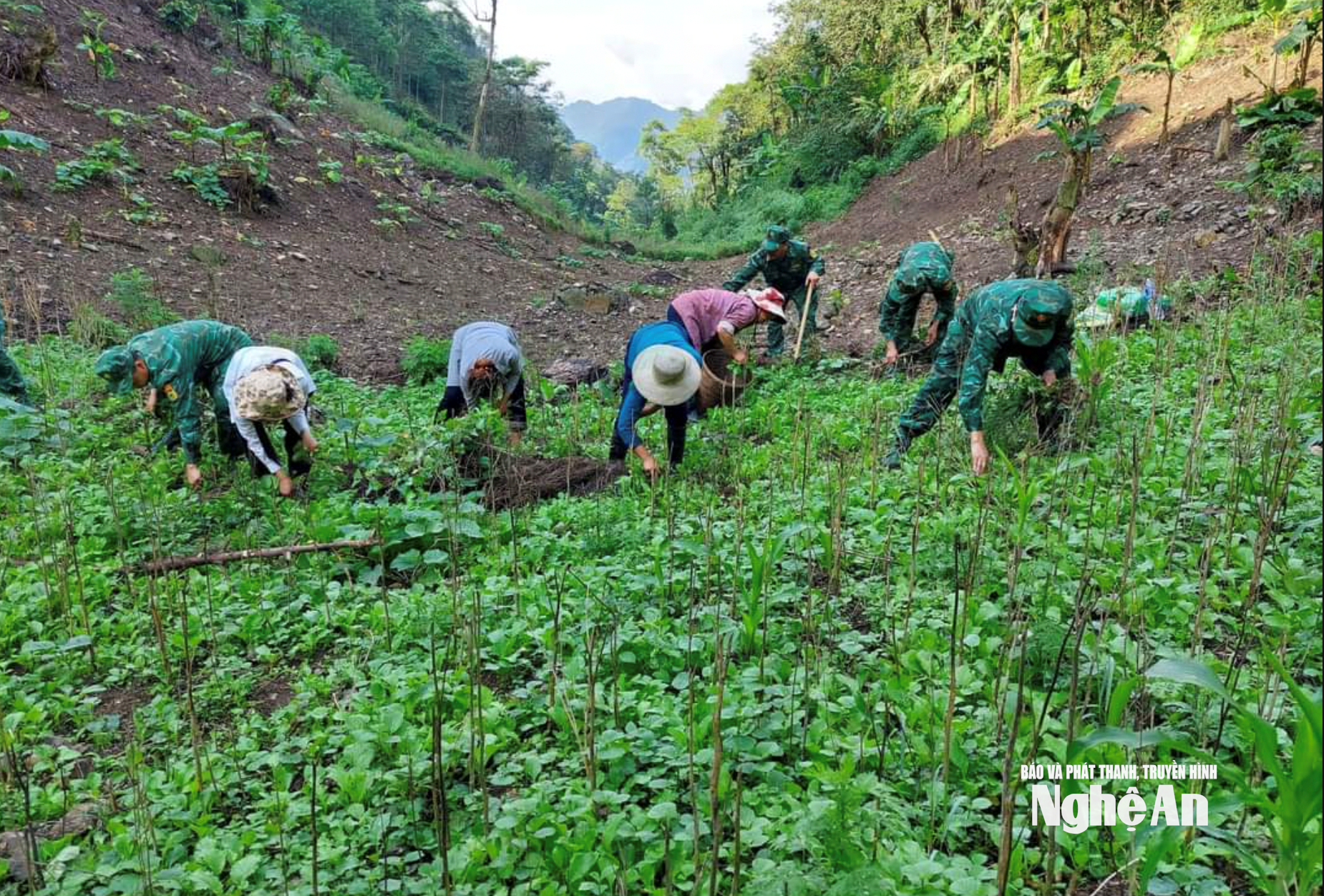
In particular, Na Loi commune aims to accelerate the shift in its economic structure towards sustainable agricultural and forestry development, combining the exploitation of advantages in medicinal plants, large-scale livestock farming, and forest planting with processing, while also developing commercial services. In addition, the commune will continue to focus on developing education, improving the quality of human resources, preserving and promoting the cultural identity of ethnic groups, and linking this with the development of community tourism and ecotourism.
Regarding national defense and security, Na Loi commune is determined to maintain political stability, social order and safety, and build a strong national defense posture integrated with a people's security posture and border defense. People-to-people diplomacy continues to be strengthened, consolidating the special solidarity and friendship between Vietnam and Laos, contributing to maintaining a peaceful, stable, and cooperative border.
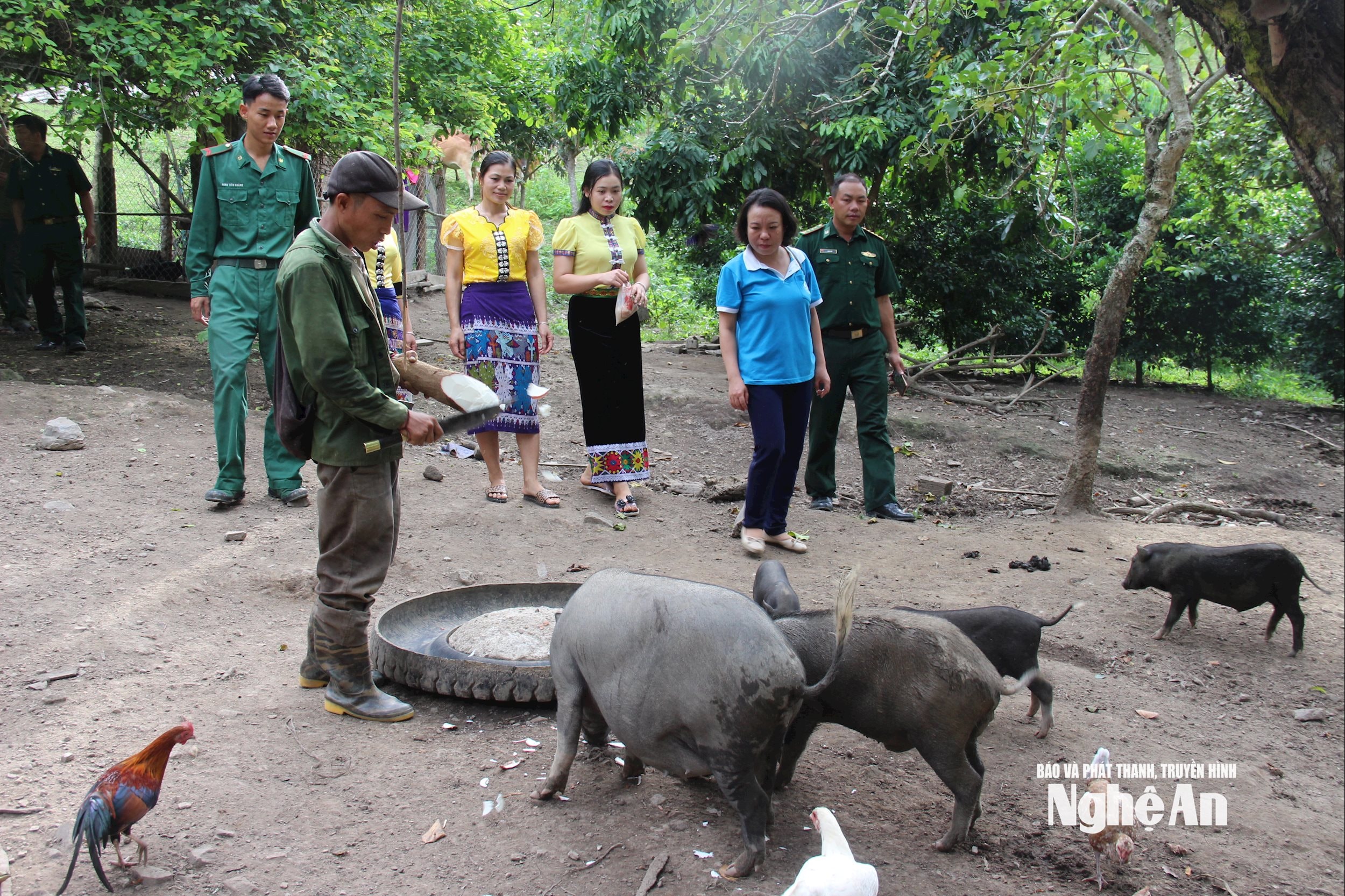
Na Loi – a remote borderland of our country – may still face many difficulties, but it is rich in tradition, identity, and full of development potential. With the attention of the Party and the State, and the efforts of the Party Committee, the government, and the people of all ethnic groups, Na Loi commune will always strive, unite, and overcome difficulties to achieve socio-economic development goals, ensure national defense, security, and foreign relations.
The members of the Standing Committee of the Na Loi Commune Party Committee are: Lang Thanh Luong - Secretary and Chairman of the Commune People's Council; Nguyen Gia Ly - Standing Deputy Secretary of the Commune Party Committee; and Pit Thi Ha - Deputy Secretary and Chairman of the Commune People's Committee.


