
Pù Chông Cha is heavily laden with weight.
Amidst the misty mountains of Pù Chông Cha, the fight against HIV/AIDS continues. In the face of hardship, the people of the former Quế Phong district remain resilient, striving day by day to push back the epidemic, heal wounds, and rekindle hope for a better future...
Damage in the Cinnamon region
The area of the former Que Phong district, comprising the communes of Thong Thu, Tien Phong, Que Phong, Muong Quang, and Tri Le, is considered one of the three hotspots for HIV/AIDS in Nghe An province (along with Vinh city and the former Tuong Duong district). Since the first case was detected in 1999, by the end of 2024, this area had recorded 2,192 people infected with HIV/AIDS, of which 741 had died, 1,453 were living with the virus, and 981 were receiving ARV treatment. Almost every village in the area has someone infected.
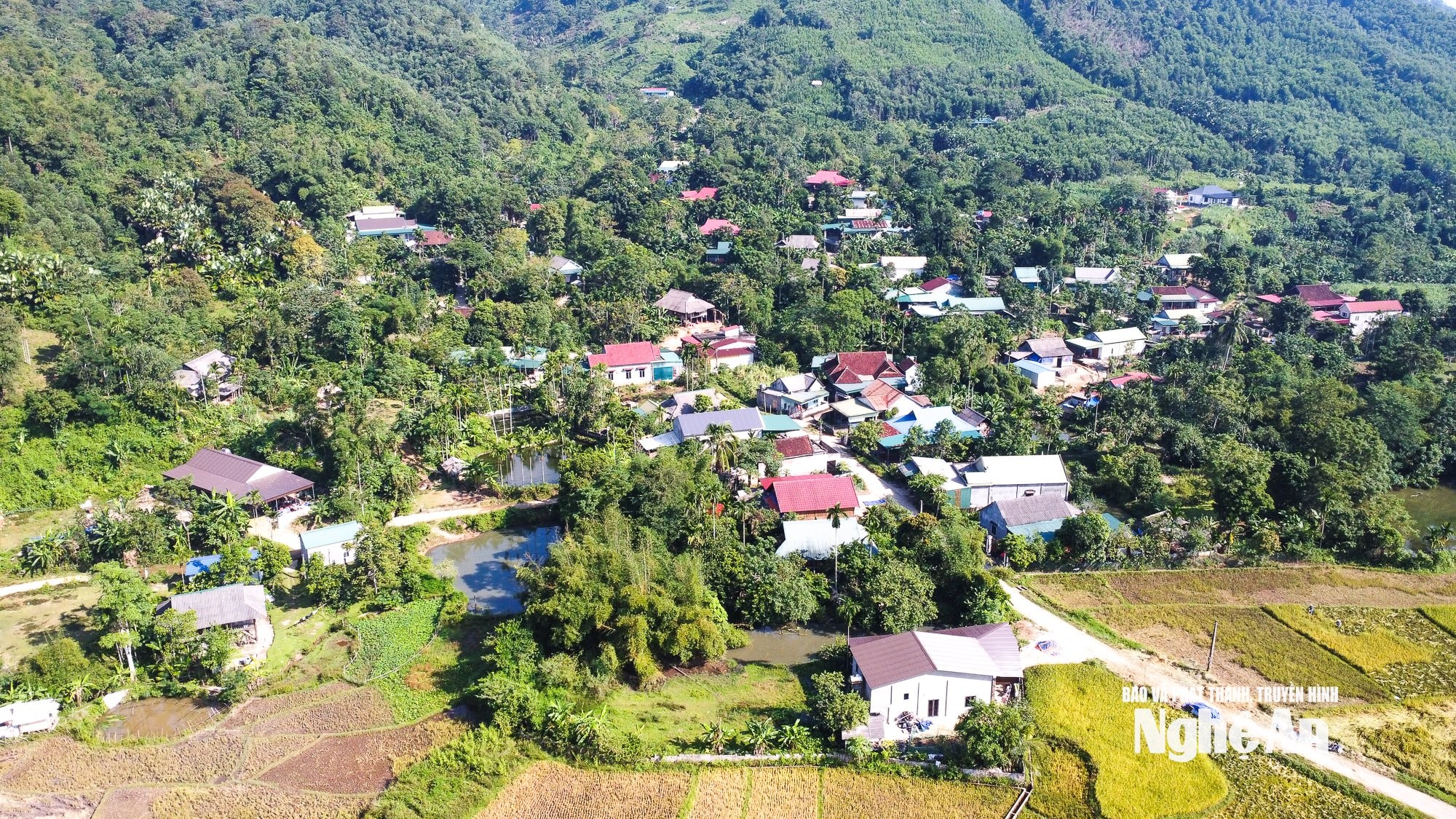
In the past, the land of the old Que Phong district was very peaceful and prosperous. The forests were rich in timber, the mountains in minerals, and the rivers and streams teemed with shrimp and fish. The people of various ethnic groups rejoiced with jars of rice wine during village and hamlet festivals, and during harvest festivals. Therefore, the old Que Phong district had a central town named Kim Son (meaning "Golden Mountain"); and a commune named Cam Muon (meaning "Happy Gold")...
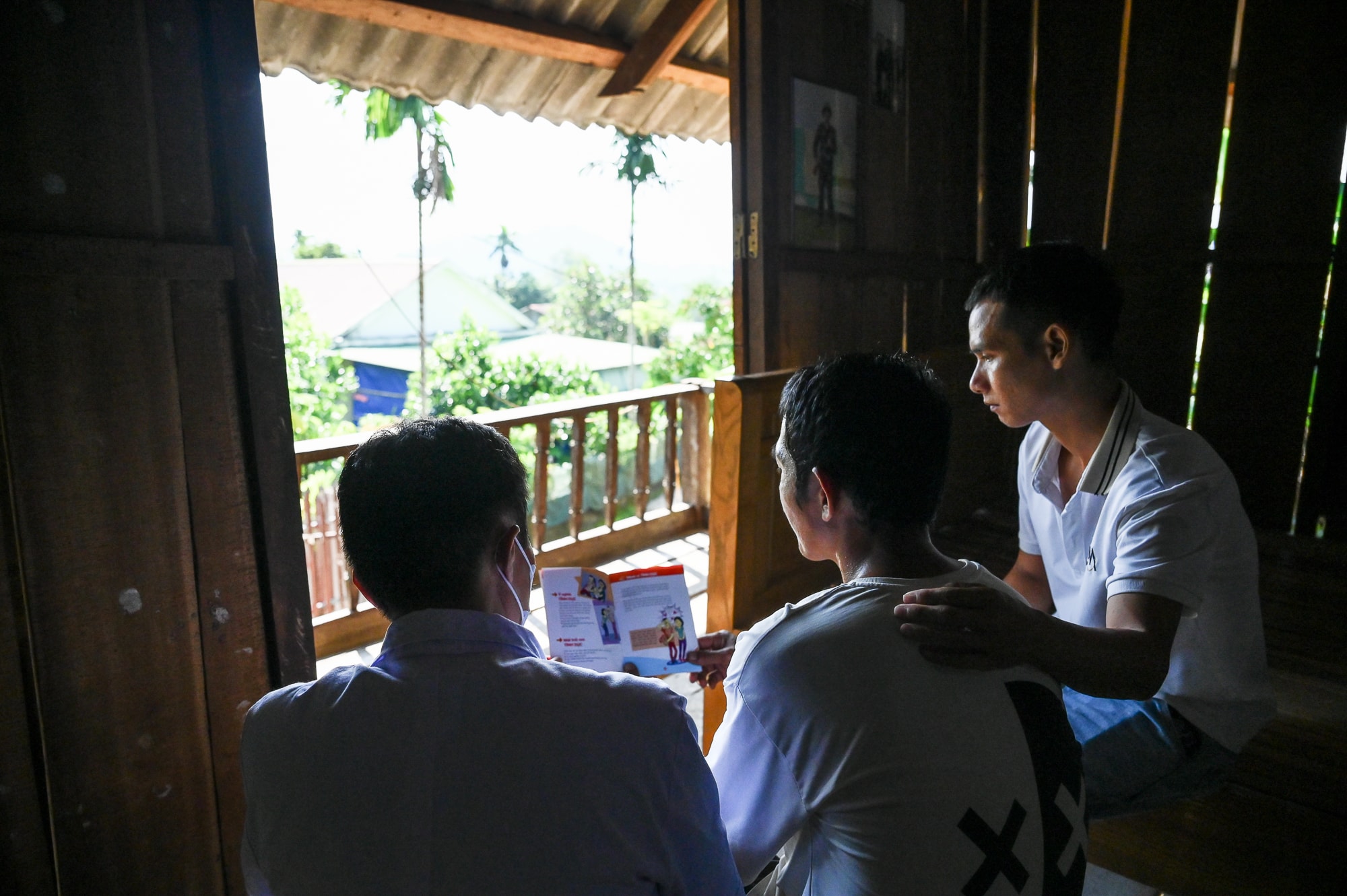
But then, in the early years of the 21st century, the disease of the century, carried by drugs, swept through and devastated this land. When it comes to the drug problem and the HIV/AIDS epidemic in Que Phong, no one knows more about it than LNV – the leader of the Sao Va Peer Group. Because he himself was once a "victim," both pitiable and blameworthy in this story.
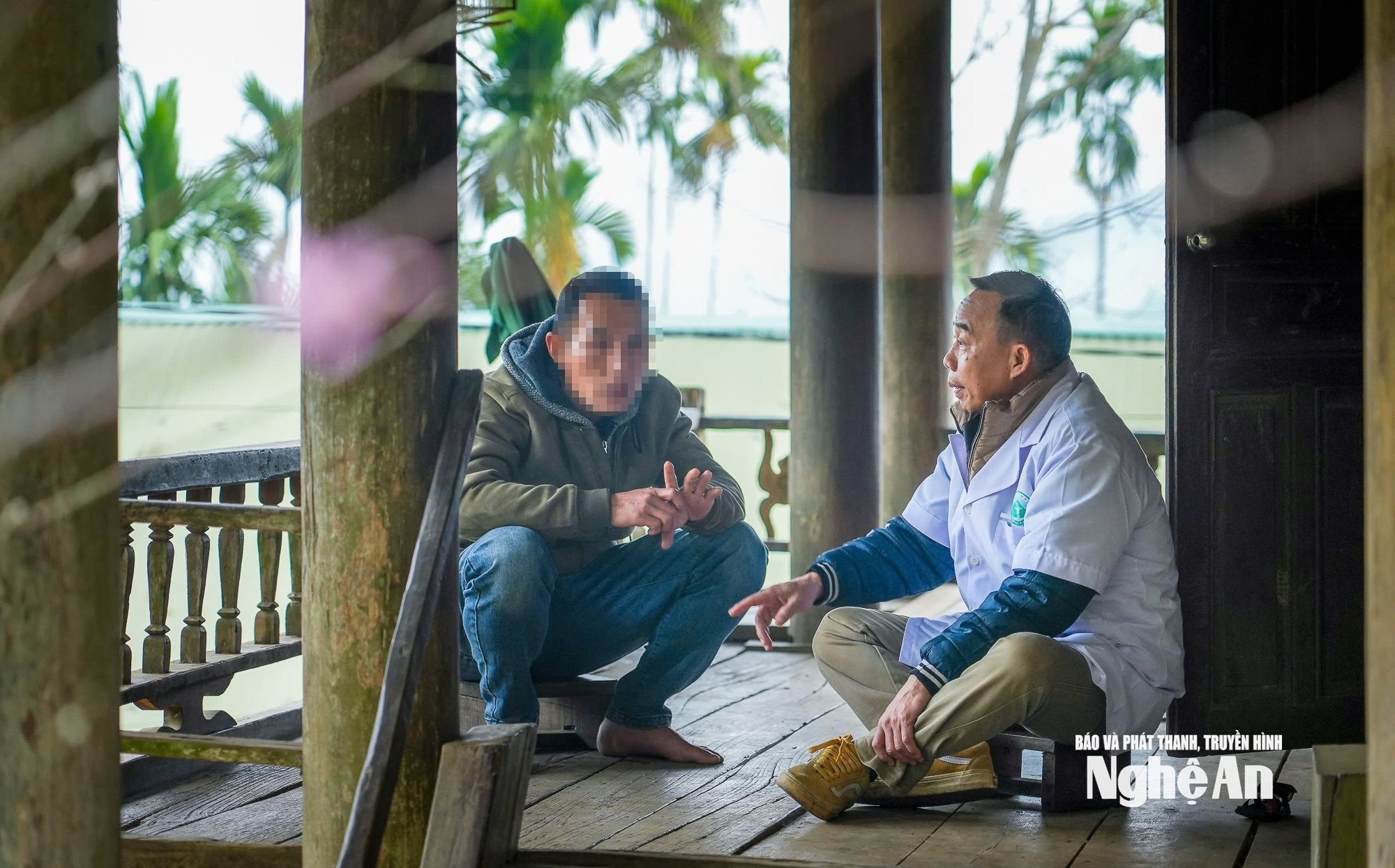
LVV recounted: “In the early years of the 21st century, in Que Phong, drugs from across the border flooded in. Heroin was cheaper and easier to obtain than buying a bunch of vegetables. In 2002, I went to the town to study high school, and I followed my peers and got involved with drugs. Seven of us shared one syringe. By the sixth or seventh person's turn, the needle was thick with blood. I contracted HIV from then on. In our generation, there was a family with three brothers, and all three were infected.”
According to Mr. LNV, since 2004, local Party committees, authorities, and police forces have been working hard to combat and dismantle drug trafficking rings, arresting many drug criminals, which is why the "white death" (heroin) has temporarily subsided. Drug criminals retreated into the deep forests near the border, approaching illegal gold mining sites and illegal logging areas. There, drug traffickers lured gold and timber miners by distributing drugs for free. HIV/AIDS, carried by drugs, infiltrated remote villages.
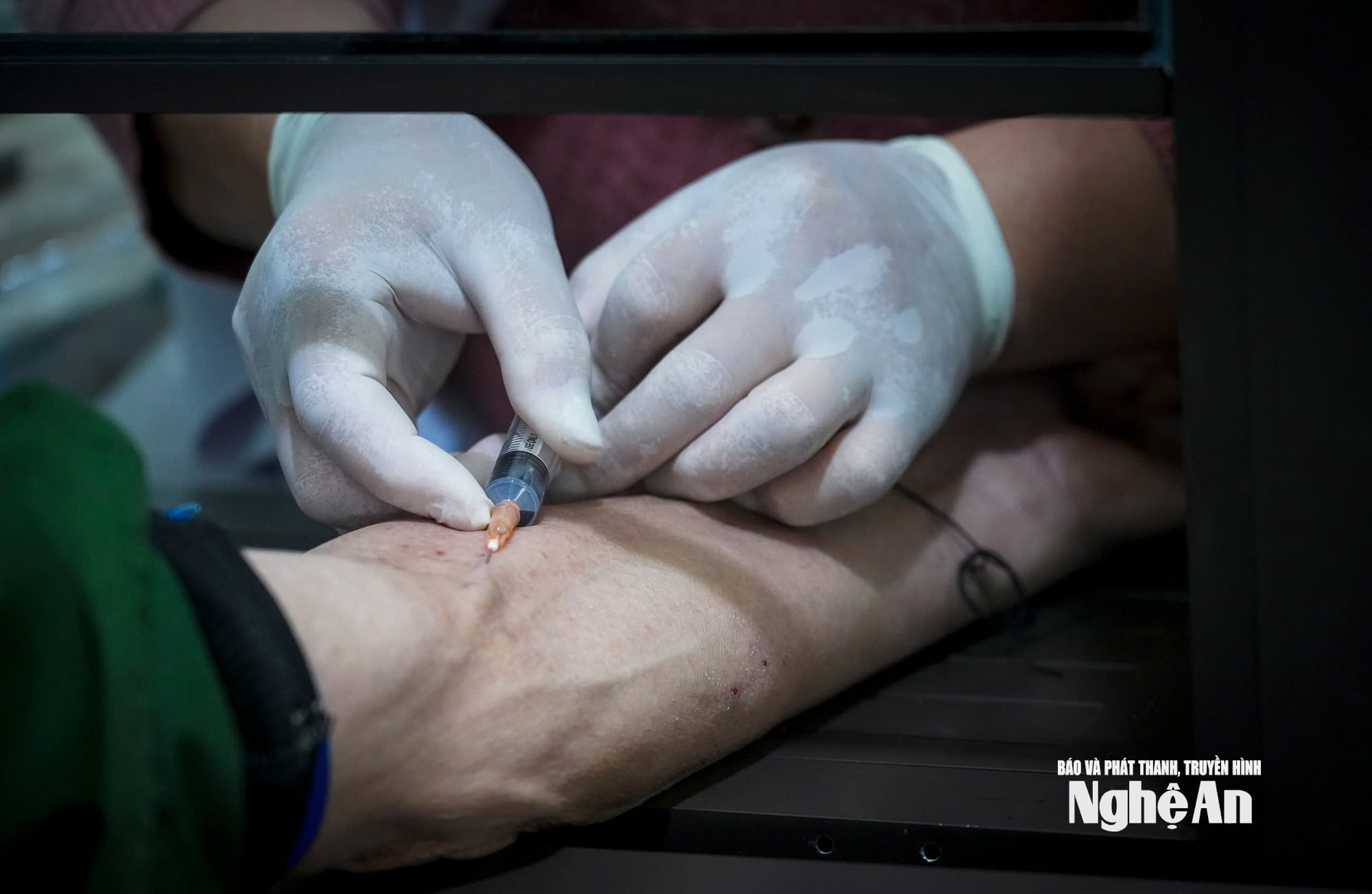
The second wave of HIV/AIDS outbreaks in the former Que Phong district occurred between 2007 and 2009 when the Hua Na hydroelectric power plant was under construction. At the construction site, as night fell, the lights of cafes and karaoke bars disguised as prostitution establishments lit up. Workers and prostitutes with limited knowledge of the disease and safe sex became the next victims of HIV/AIDS, and in turn, they became agents of infection for the community.
Mr. Sam Van Lan, a specialist in HIV/AIDS prevention and control at the Que Phong Health Center, shared regretfully: "During this period, many families received large sums of money as compensation for their land from the hydropower plant. Instead of using that money to develop their economy, they squandered it on frivolous activities. In the resettlement villages, we encountered many families who knew nothing about HIV/AIDS or the harmful effects of drugs, yet they were very familiar with the latest motorcycle models. Their houses lacked drinking water, but were filled with empty and soon-to-be-consumed bottles and cans of beer."
Between 2007 and 2009, every village had someone die from HIV/AIDS. Scenes of mourning gradually became commonplace. When the disease manifested, instead of taking the infected person to medical facilities for testing and treatment, relatives would invite shamans to perform rituals to drive away the "evil spirit" of the disease.
As of the end of 2024, the cumulative number of people infected with HIV in Nghe An province was 11,037, with 6,651 people progressing to the AIDS stage, 4,650 people infected with HIV/AIDS had died, and the number of people living with HIV/AIDS was 6,387.
The "undercurrents" in remote villages
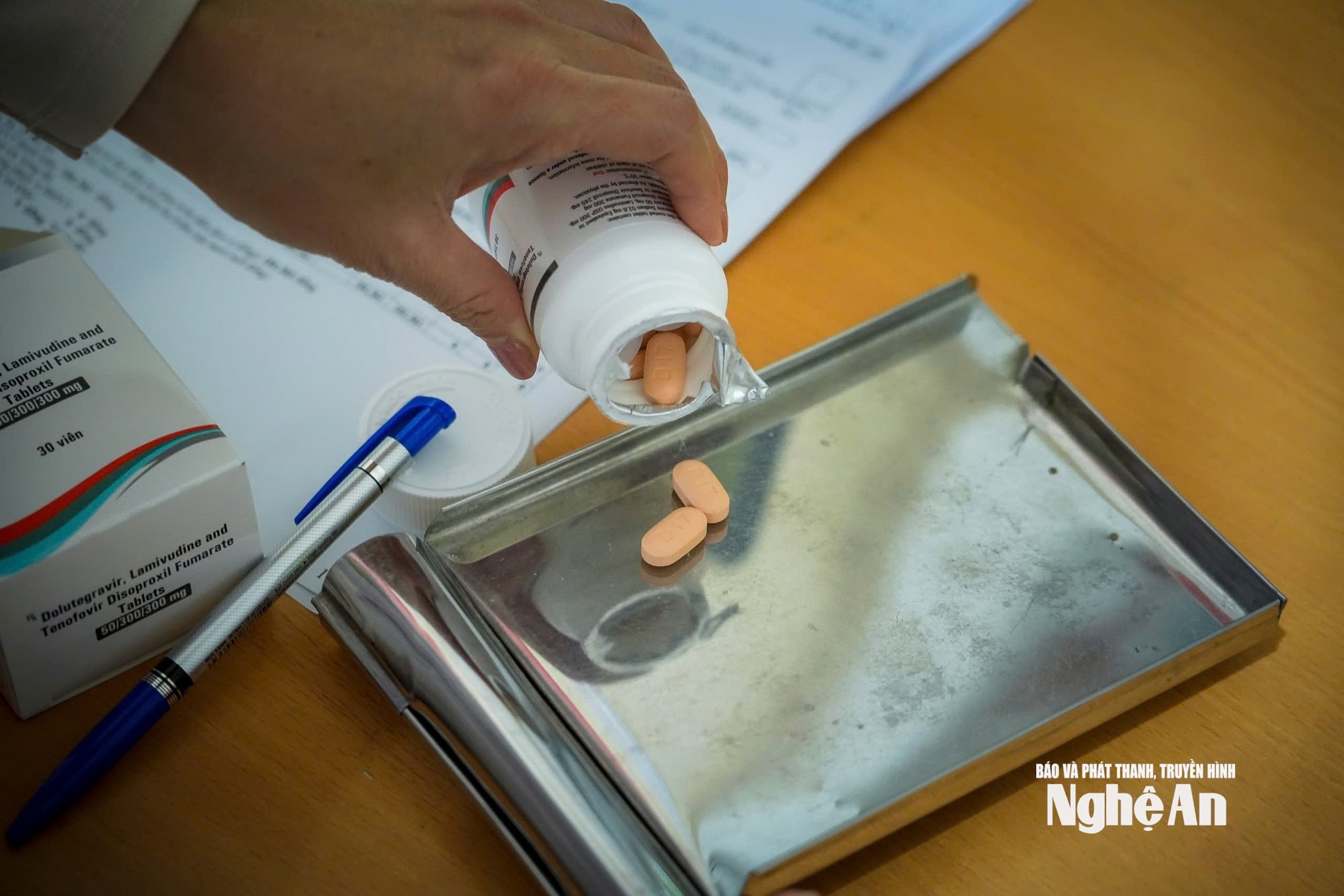
From 2010 to the present, with the strong involvement of the Party Committee, the government, the health sector, and the support of international organizations and community groups, the HIV/AIDS epidemic in Que Phong has gradually subsided. Many effective solutions have been implemented, such as: propaganda, counseling and testing; providing harm reduction intervention services and preventing mother-to-child HIV transmission; treating HIV/AIDS with ARV drugs for infected people; and providing Methadone treatment for drug addicts... HIV/AIDS and drug prevention and control activities in the locality are linked to the "All people build a cultured life in residential areas" movement.
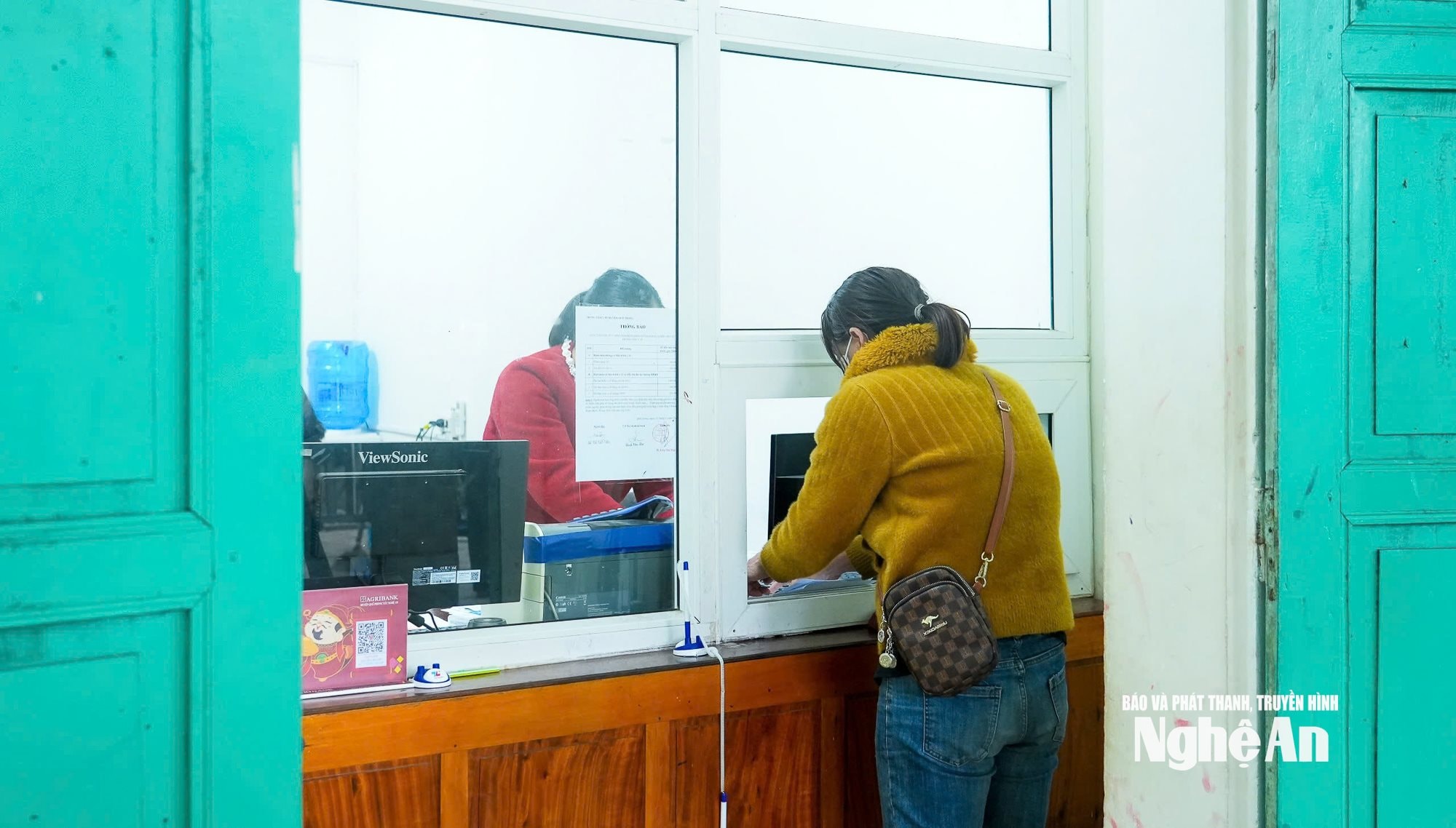
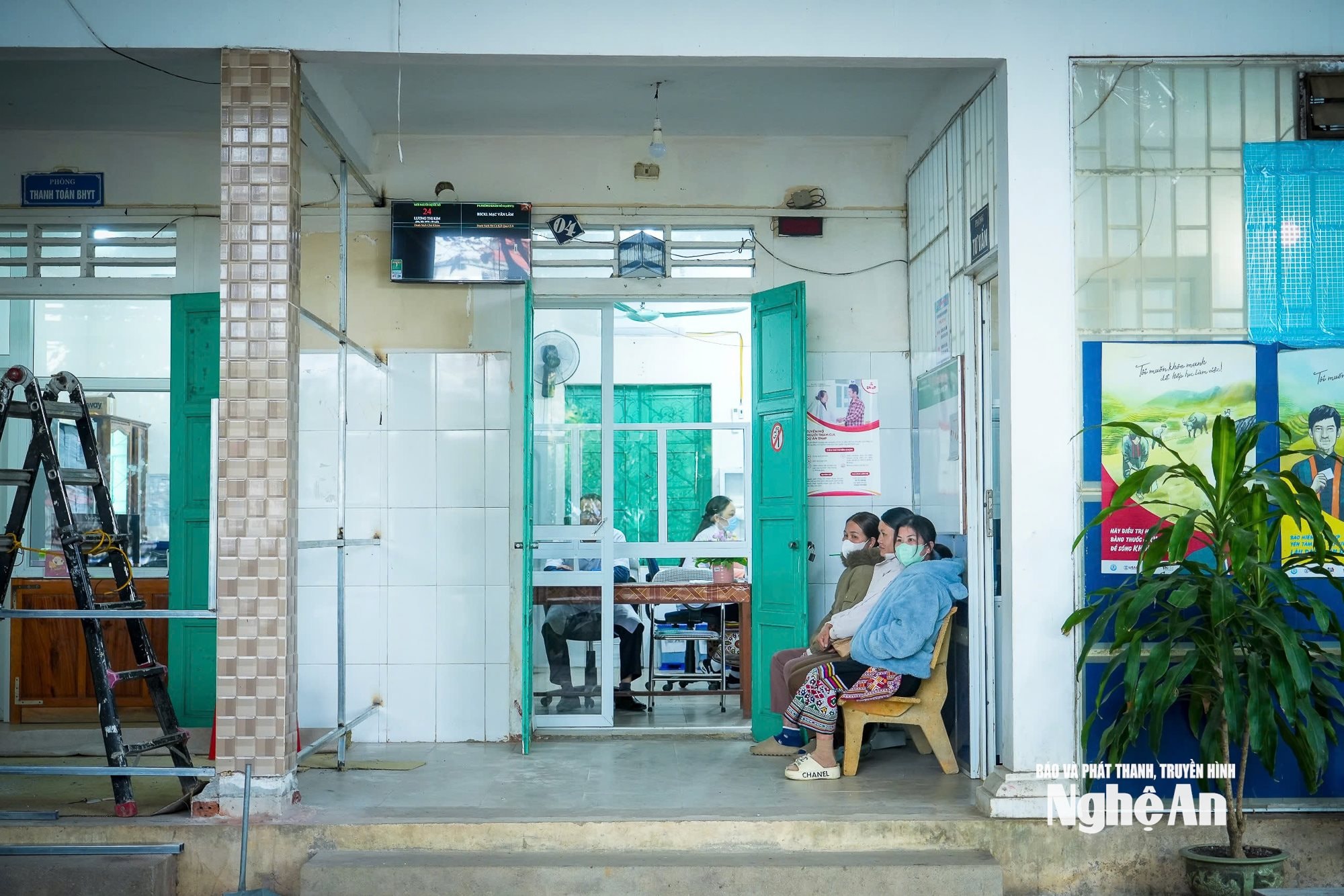
Dr. Le Quang Trung, Deputy Director of Que Phong Medical Center, said: "From here, people in Que Phong are gradually gaining knowledge about the disease; they are more aware of preventing crime, social evils, and HIV/AIDS. Patients are gradually overcoming their inferiority complex and actively participating in treatment; actively participating in labor and production. The number of new infections has decreased gradually each year. In 2023, Que Phong detected 24 cases; in 2024, 20 cases; and in 2025, only 7 cases have been detected."
The HIV/AIDS epidemic in Que Phong has decreased, but there are still strong undercurrents in the villages and hamlets. The most worrying "undercurrent" is the abandonment of ARV treatment by patients. According to statistics from the Que Phong Health Center, out of 981 patients registered for ARV treatment, more than 100 have abandoned treatment or do not maintain regular ARV medication.
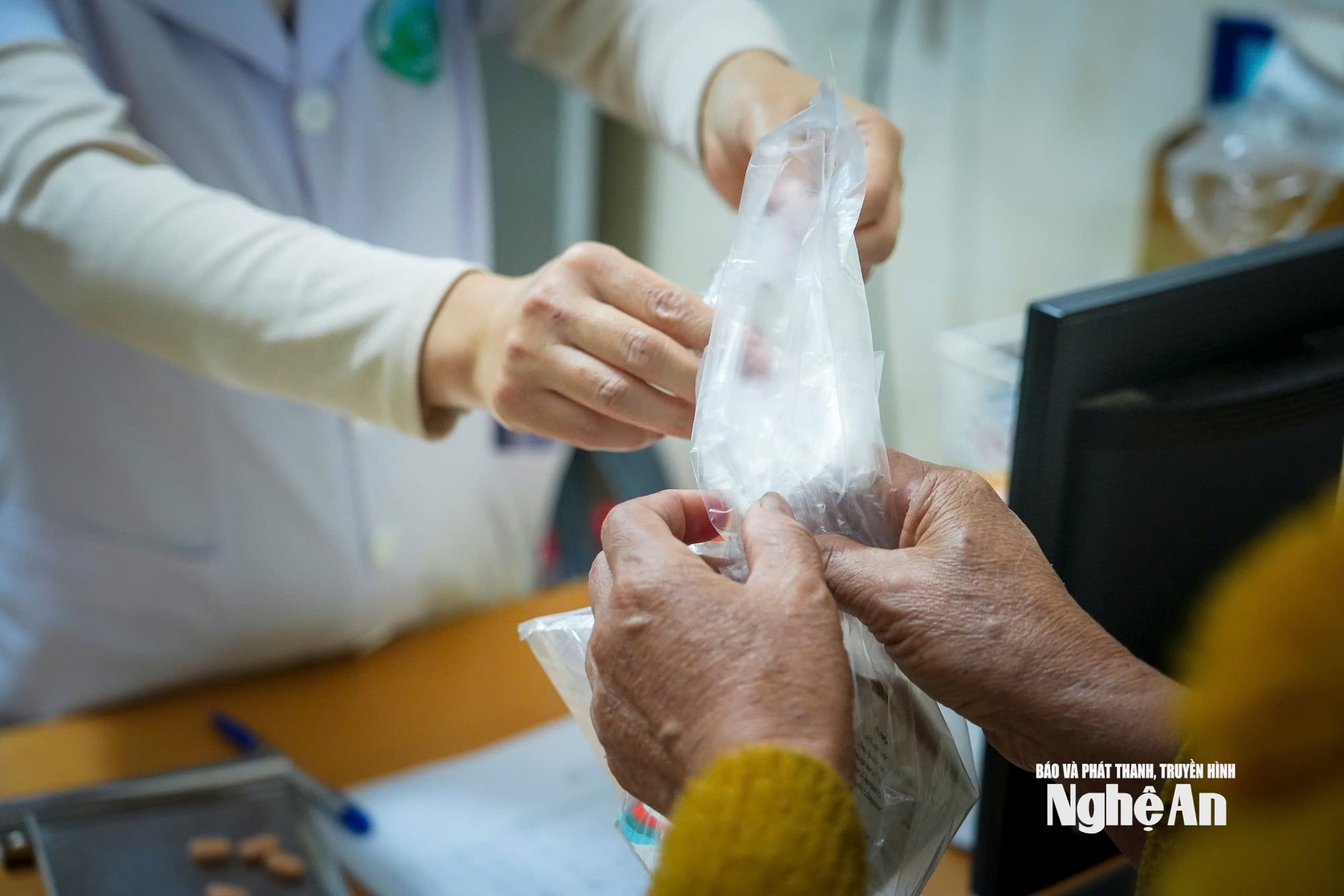
According to investigations by the health sector: The majority of patients abandon treatment due to working far from home and lacking money for travel. But underlying this is a feeling of inferiority, secrecy, and sometimes exhaustion. Meeting at the Que Phong Health Center, Ms. LTH (from Tien Phong commune), carrying bags of medication for examination and ARV treatment, bitterly recounted her life story: “My husband died of AIDS, and I left my children with my mother-in-law to go to Hanoi to make a living. I come back every one or two months to get my medication. Recently, I haven't been able to come back on schedule because of difficult work conditions; and also because I recently met and am living with someone else as husband and wife. If I come back too often, I'm afraid he'll find out I have the disease.”
It is known that in the Que Phong area, not only Ms. LT H, but many other infected individuals have "drifted" to work far from home for a living and cannot return to their hometowns to receive medication regularly, thus gradually abandoning treatment... The health center cannot know whether these patients are registered for ARV treatment at their new residences. - When patients abandon treatment or do not maintain regular medication, their viral load increases; it is very possible that these people become new sources of infection.

In addition, there are quite a few patients who are present in the area but do not go to the health center or health station to receive their medication. Mr. LVD (38 years old, from Thong Thu commune) lay slumped in his dilapidated thatched house, his dark, tanned skin and emaciated body gasping for breath: "Now, my health is too weak to go get medicine, I can't do anything... well, I'll just live for as long as I can."
The real reasons for abandoning treatment are probably only known to the patients themselves. However, the reality shows that feelings of inferiority and the tendency to hide the disease are still prevalent. LNV, the leader of the Sao Va Peer Group, recounted: “Recently, we discovered a suspected case. However, when we went to their home to encourage them to get tested and receive treatment, they evaded us and immediately took a bus to an industrial zone in the northern provinces that same night.”
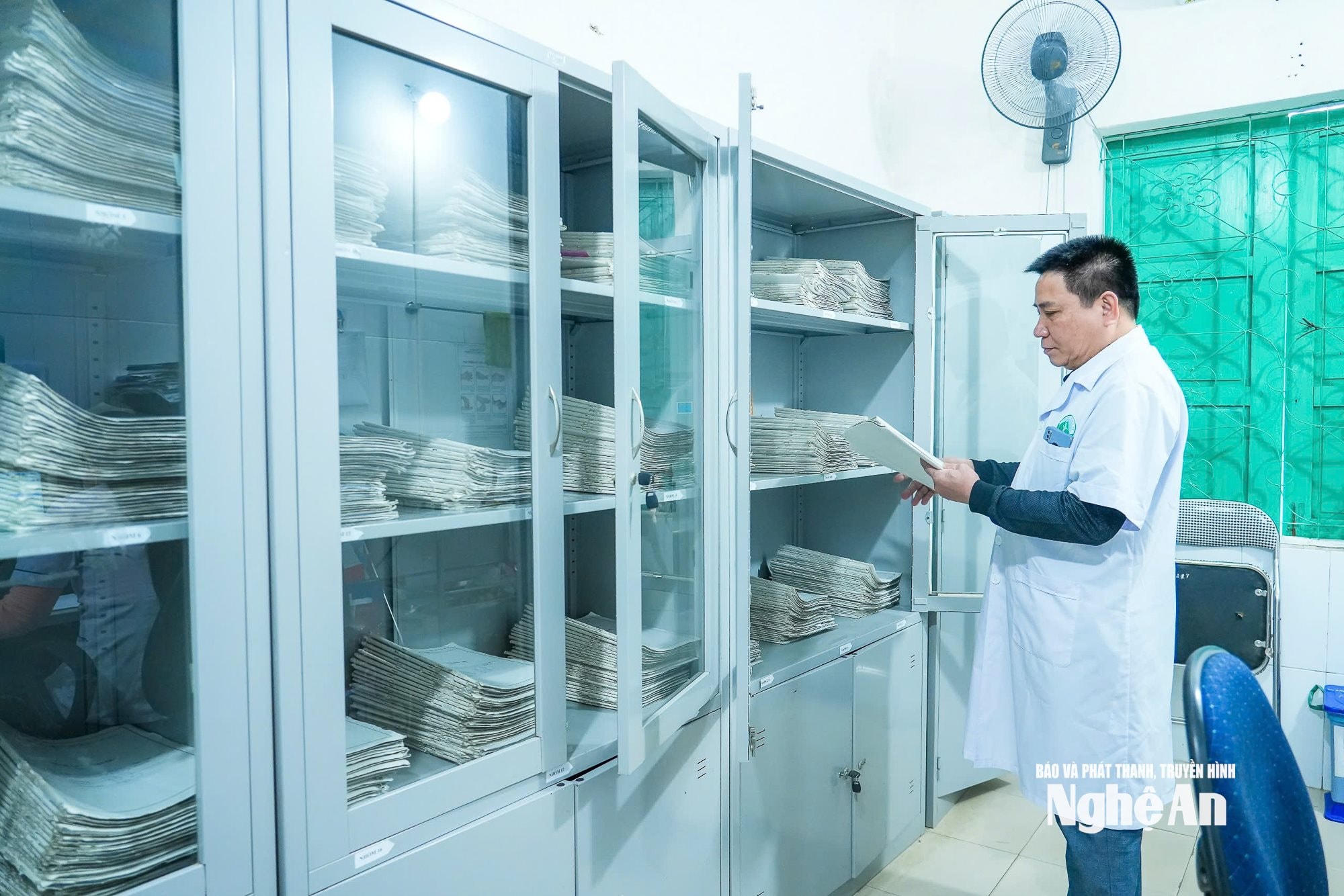
The emerging "undercurrent" of same-sex relationships was revealed by the Sao Va Peer Group: "In 5 communes in the Que Phong area, there are about 150 people belonging to this group, of which 80 are openly gay and at least 2 have been infected with HIV"... According to the Sao Va Peer Group, besides same-sex relationships, there are other "undercurrents" such as young people using methamphetamine and engaging in group sex without using safe sex practices.
"Healing" deep wounds
In the former Que Phong district, there is a high mountain range called Pu Chong Cha. This mountain range is associated with a sad legend – the story of a father carrying his child across a treacherous mountain slope, only to be separated forever. Pu Chong Cha divides the former Que Phong district into two parts: the eastern part includes the communes of Thong Thu, Tien Phong, and Que Phong, while the western part includes the communes of Muong Quang and Tri Le. Previously, HIV/AIDS was concentrated only in the eastern communes. Now, HIV/AIDS is present on both slopes of the mountain.
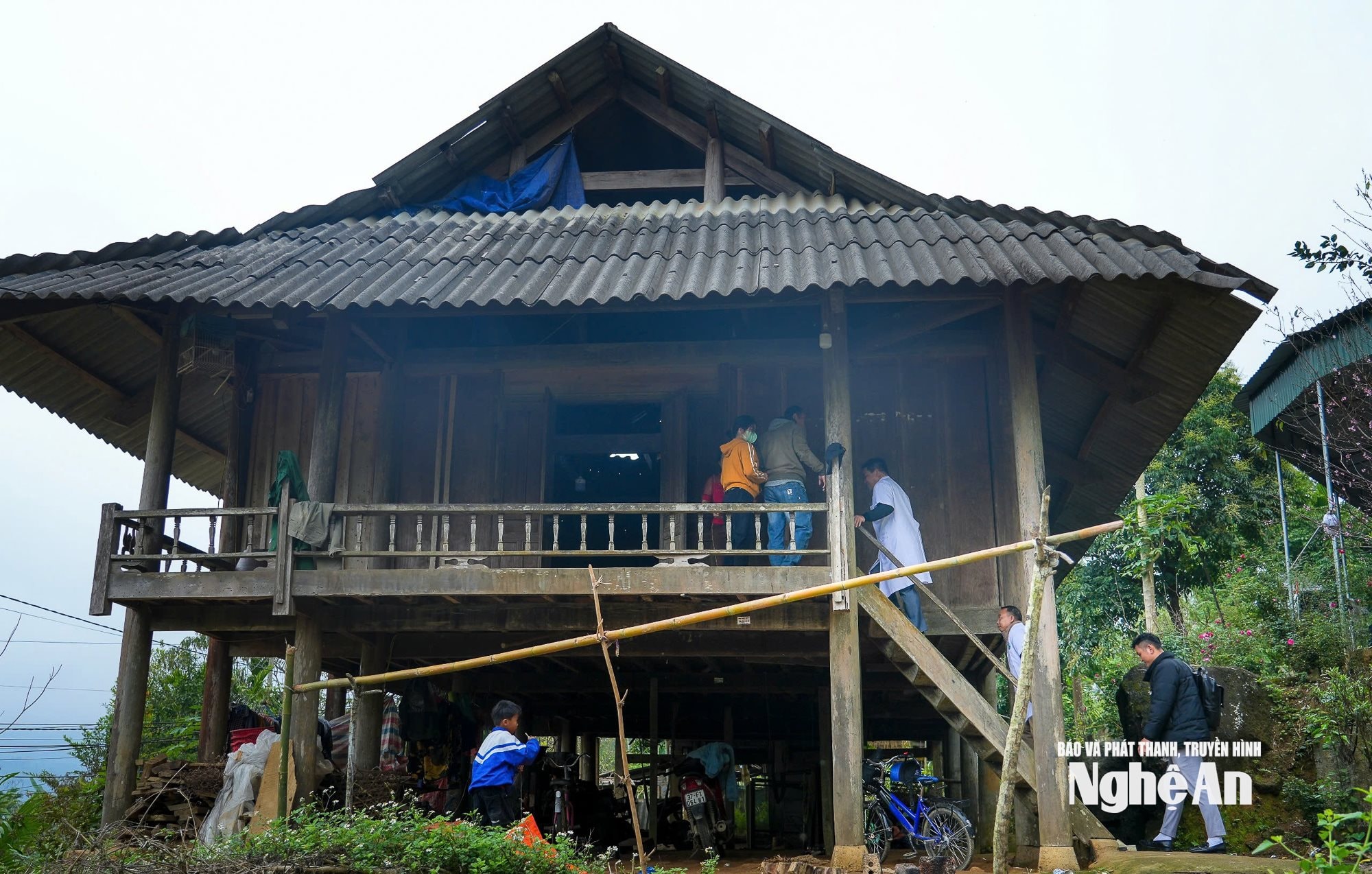
Dr. Le Quang Trung said: "In previous years, the Mong villages in Tri Le commune had no HIV/AIDS patients. Now, HIV/AIDS has infiltrated this community. Young people leave the mountains to work in industrial zones in the lowlands. They bring HIV/AIDS with them when they return to the villages. Even more dangerous is that they often feel ashamed and hide their illness. When health officials come to their homes to talk about HIV/AIDS, they remain silent and wave their hands dismissively. Only when the village elders or leaders speak on their behalf do they agree to get tested and treated."
Nearly 25 years have passed, yet Que Phong still hears sighs of despair. The HIV/AIDS epidemic is now quieter but more difficult to control. Meanwhile, prevention and control efforts face mounting challenges: from poverty; low levels of education; persistent stigma; limited budgets; reduced funding; to the infiltration of HIV/AIDS into remote, hard-to-reach villages.
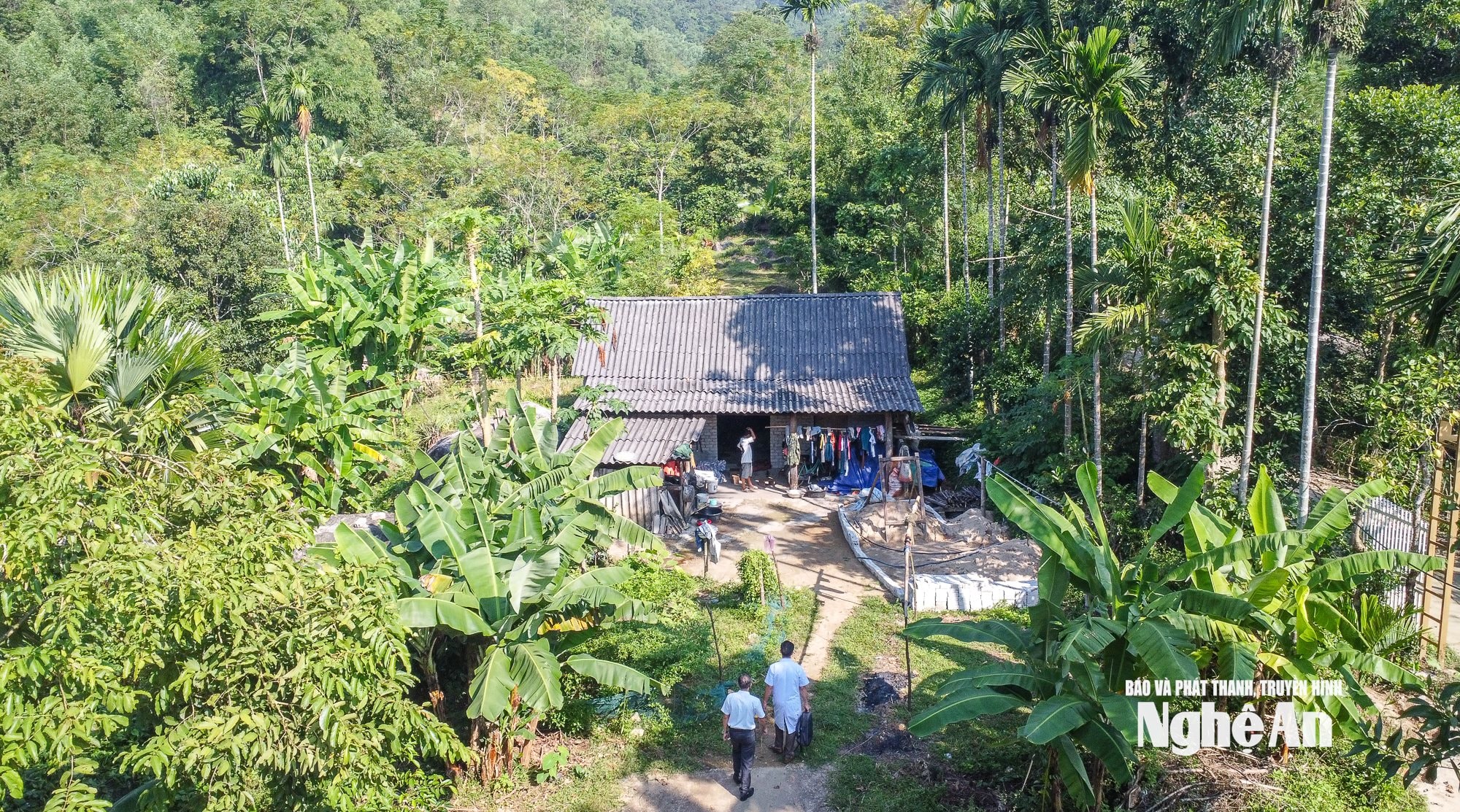
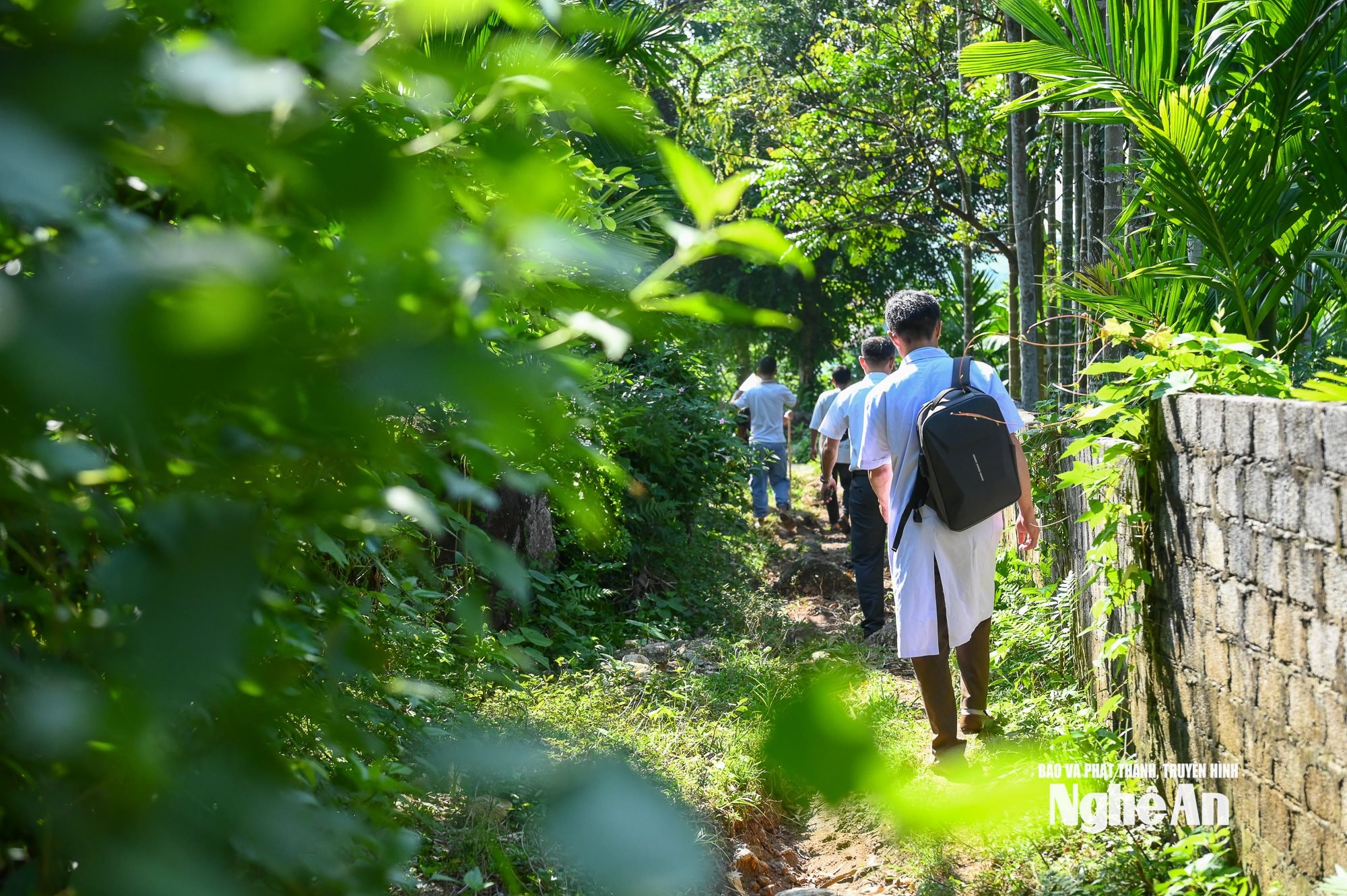
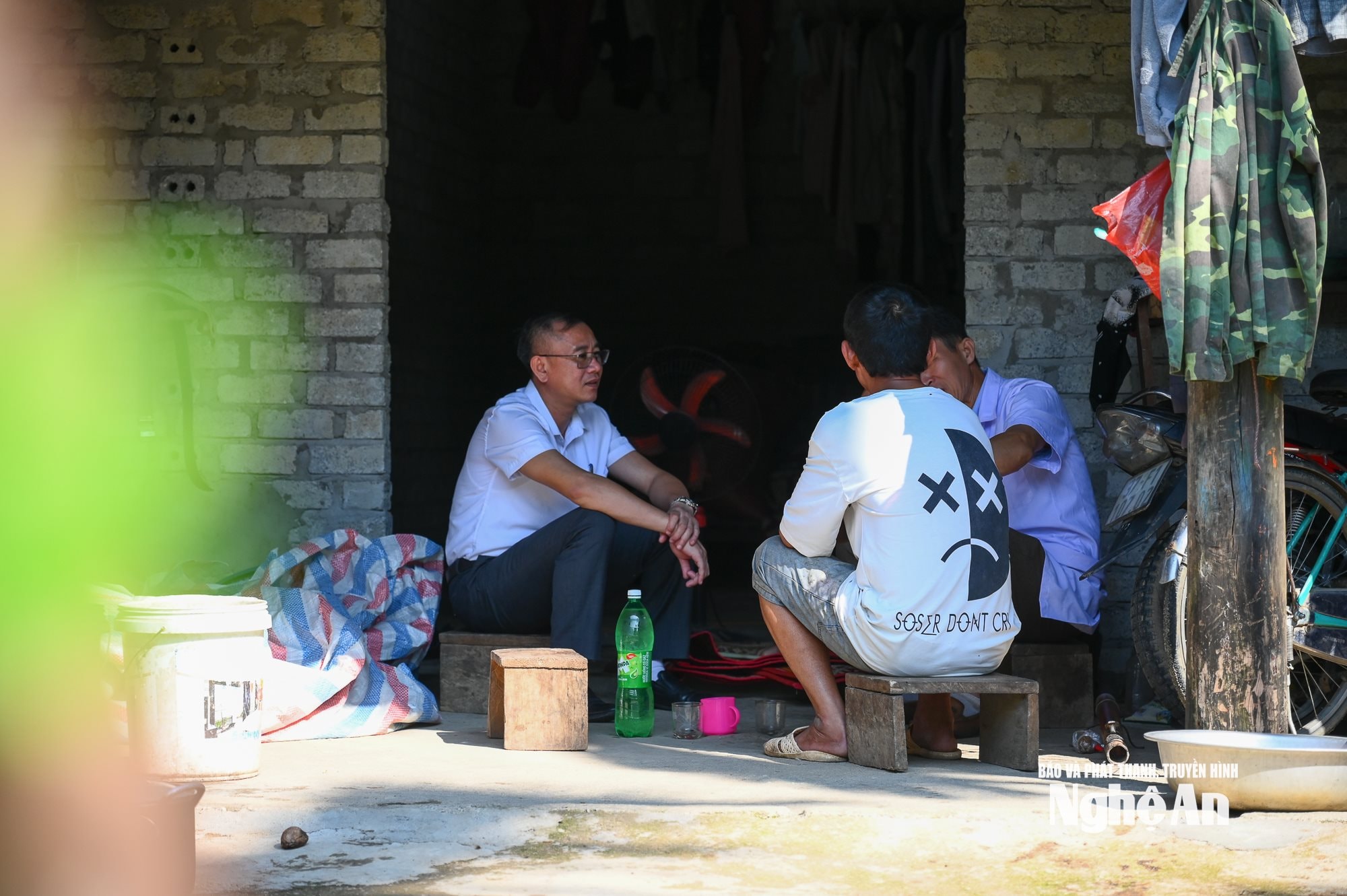
Despite the many difficulties, the healthcare workers and peer groups here have never given up. Every day, they persistently travel back and forth across Pù Chông Cha to find sources of infection, suspected cases, and those who have abandoned treatment; they conduct awareness campaigns, provide counseling and testing; and offer harm reduction and HIV transmission prevention services.
Dr. Pham Dinh Du, Deputy Director of the Nghe An Provincial Center for Disease Control, stated: "The HIV/AIDS situation in the former Que Phong district is a microcosm of Nghe An province. To effectively achieve the 95-95-95 targets, reduce the number of new HIV infections and AIDS-related deaths, minimize the impact of the HIV/AIDS epidemic on socio-economic development, and ultimately end the AIDS epidemic by 2030, so that AIDS is no longer a worrying health issue in the community, we need to continue our efforts. We earnestly hope for stronger involvement from the Party committees, government, Fatherland Front, mass organizations, socio-political organizations, and the entire community."
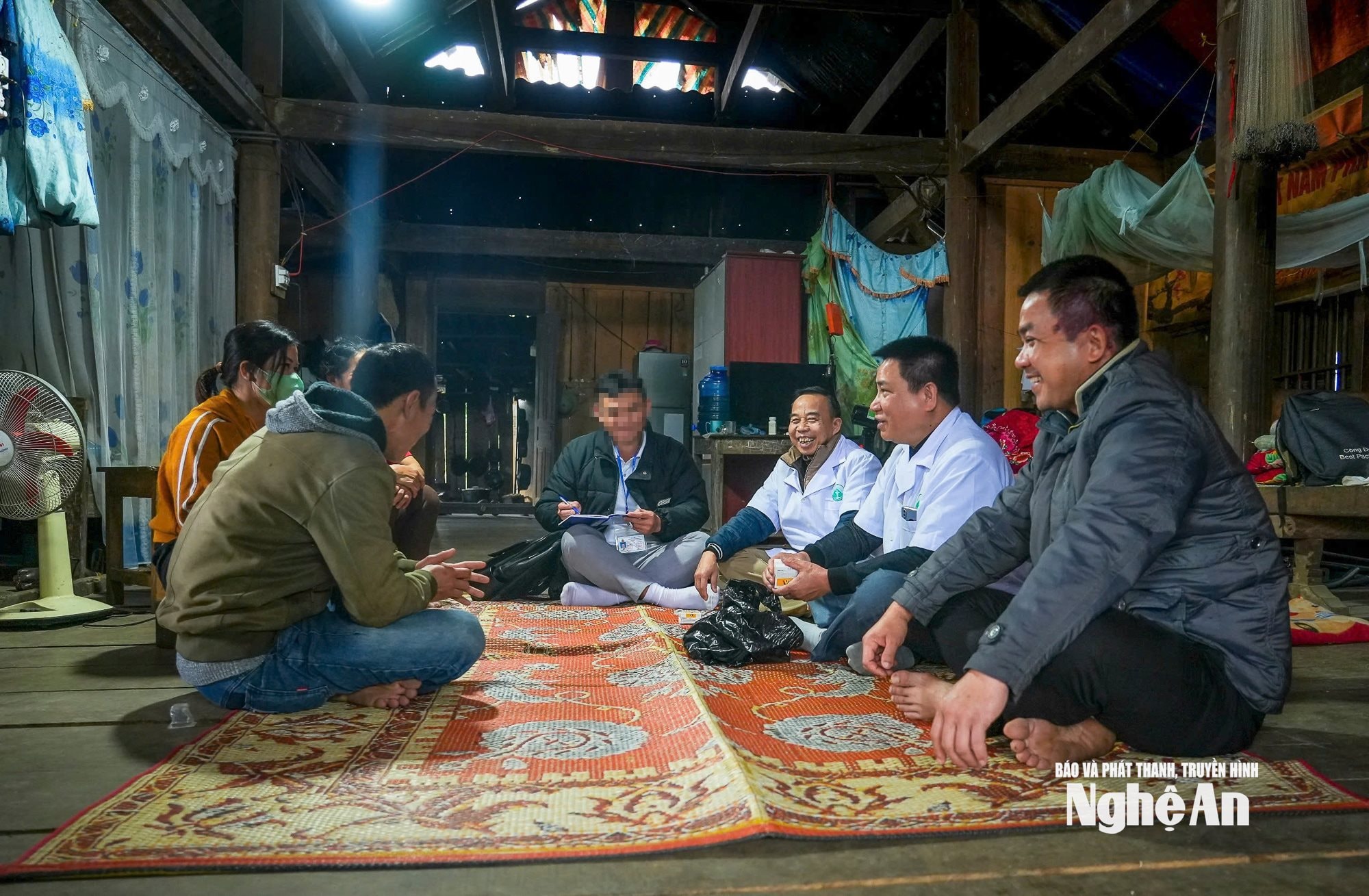
The fight against HIV/AIDS continues on the slopes of Mount Pù Chông Cha. Amidst the mountain mist of Pù Chông Cha, the eyes of the LNV (Land Development Volunteers) light up as they speak of the future: “We believe that one day Pù Chông Cha will no longer be burdened by the worry of HIV/AIDS. We, who have fallen and risen again, will continue to work alongside the authorities to try to ‘heal’ the wounds in this land; striving to prevent others from going astray and repeating the mistakes we made in the past.”


