
Nghe An province issues specific regulations on tutoring and supplementary classes.
According to the new regulations, extra classes and tutoring can only be organized when students have a need for extra classes, voluntarily choose to attend, and have parental consent. Schools and individuals organizing extra classes and tutoring are prohibited from using any form of coercion to force students to attend.
On June 20th, the People's Committee of Nghe An province issued regulations on supplementary teaching and learning in the province. These regulations will take effect from July 1st, 2025 and replace the regulations in Decision No. 01/2013/QD-UBND issued in 2013.
According to the new regulations, extra classes and tutoring can only be organized when students have a need for extra classes, voluntarily choose to attend, and have parental consent. Schools and individuals organizing extra classes and tutoring are prohibited from using any form of coercion to force students to attend.
The content of supplementary teaching and learning must not violate regulations.belong toVietnamese law is not prejudiced based on ethnicity, religion, occupation, gender, or social status; it respects individuality and treats all students fairly. It does not reduce the content of school-planned instruction to make room for supplementary teaching.
Extracurricular tutoring must contribute to the development of students' qualities and abilities; it should not affect the school's educational program or the teachers' subject curriculum, and it should create an environment and motivation to foster students' talents, strengths, and creative aspirations.
The duration, time, location, and format of supplementary tutoring must be appropriate to the psychological and physiological development of the age group, ensuring the health of students; complying with legal regulations on working hours and overtime hours. Complying with legal regulations on security, order, safety, environmental hygiene, and fire and explosion prevention in the area where supplementary tutoring is conducted.
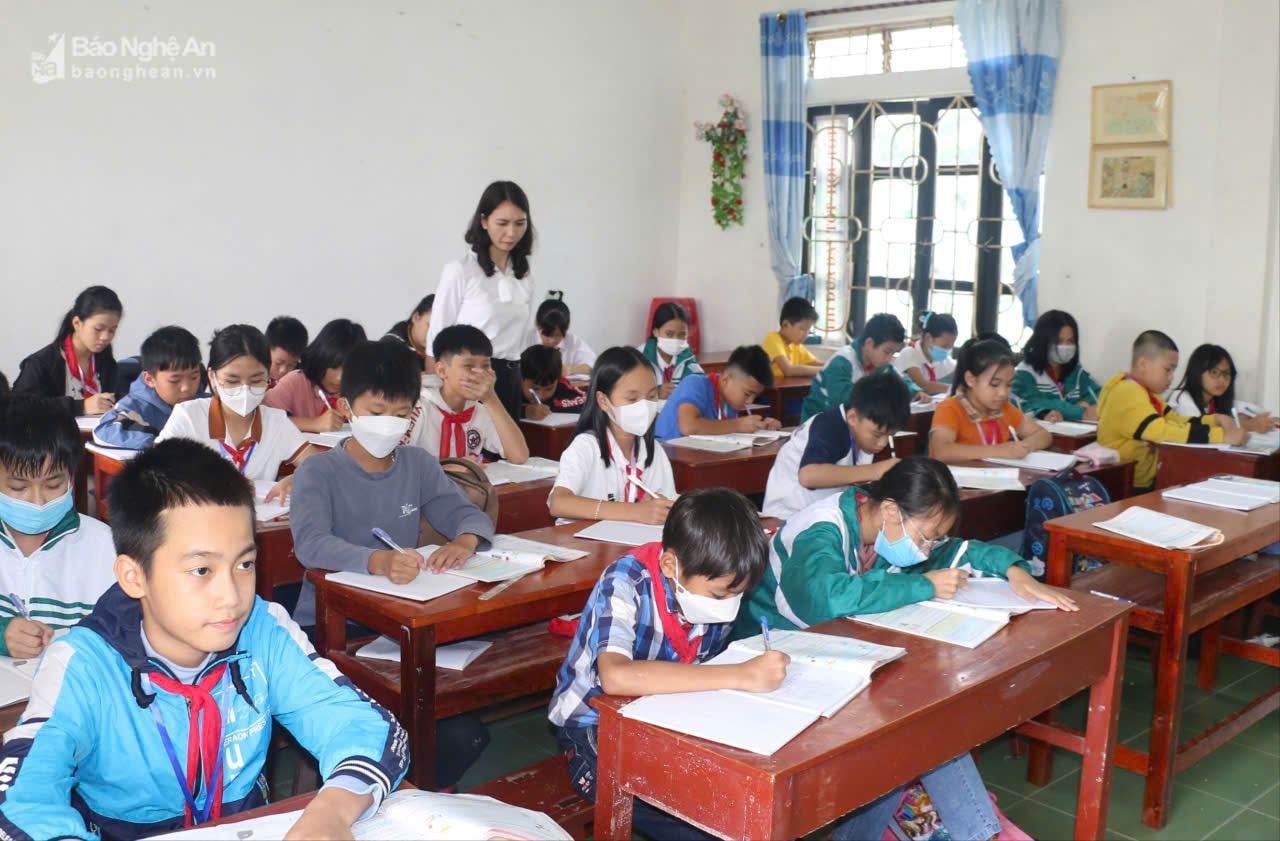
Cases where tutoring or organizing tutoring is prohibited.This includes: No extracurricular tutoring for primary school students, except for: training in arts, physical education, sports, and life skills. Teachers currently teaching in schools are not allowed to provide paid extracurricular tutoring to students they are assigned to teach according to the school's educational plan. Teachers in public schools are not allowed to participate in managing or operating extracurricular tutoring but may participate in tutoring outside of school.
According to the regulations of the People's Committee of Nghe An province,Extracurricular tutoring within schools is not permitted to charge students any fees.This is only for students who register for extra classes in specific subjects as follows: Students whose end-of-semester grades in the subject were below the passing level; Students selected by the school for gifted student training; Final-year students who voluntarily register for entrance exam preparation or graduation exam preparation according to the school's educational plan.
The school organizes for students who meet the specified criteria to submit applications for extra classes in each subject and grade level. Based on the number of students who register, the school develops a plan to organize extra classes for each subject and grade level.
Extracurricular classes are organized by subject for each grade level; each class has no more than 45 students. Extracurricular classes are not scheduled to overlap with the regular timetable and do not include content that precedes the curriculum outlined in the school's educational plan. Each subject is allowed no more than 2 extracurricular lessons per week. The plan for organizing extracurricular classes is publicly available on the school's website or posted at the school.
Abouttutoring and extra classes outside of school.Tutoring centers that charge students fees must register their business in accordance with the law. They must publicly disclose on their electronic portal or post at the tutoring center's location the subjects offered; the duration of tutoring for each subject and grade level; the location, format, and time of tutoring; the list of tutors; and the tuition fees before enrolling students in tutoring classes.
For private continuing education centers that organize supplementary classes, they must comply with the requirements stipulated in Government Decree No. 125/2024/ND-CP dated October 5, 2024, on investment and operation conditions in the education sector. Specifically, they must have a location, facilities, classrooms, functional rooms, and teaching equipment that meet the requirements of the continuing education programs implemented at the center and ensure fire safety. They must have educational programs, teaching materials, and learning resources that meet the requirements of the continuing education programs implemented at the center as prescribed by the Ministry of Education and Training. They must have a sufficient number of qualified management staff, teachers, employees, and workers to meet the requirements of each continuing education program implemented at the center as prescribed by the Ministry of Education and Training. They must also have regulations on the organization and operation of the center.
Extracurricular tutors must possess good moral character and professional competence appropriate to the subject they teach.
The People's Committee of Nghe An province also encourages organizations and individuals providing supplementary education to enhance the use of project-based learning, problem-solving, and artificial intelligence (AI) applications in teaching to promote students' initiative and creativity, contributing to the development of digital human resources.
Teachers currently teaching at schools who participate in extracurricular tutoring must report to the Principal, Director, or Head of the school regarding the subject, location, format, and duration of the tutoring, as per regulations.
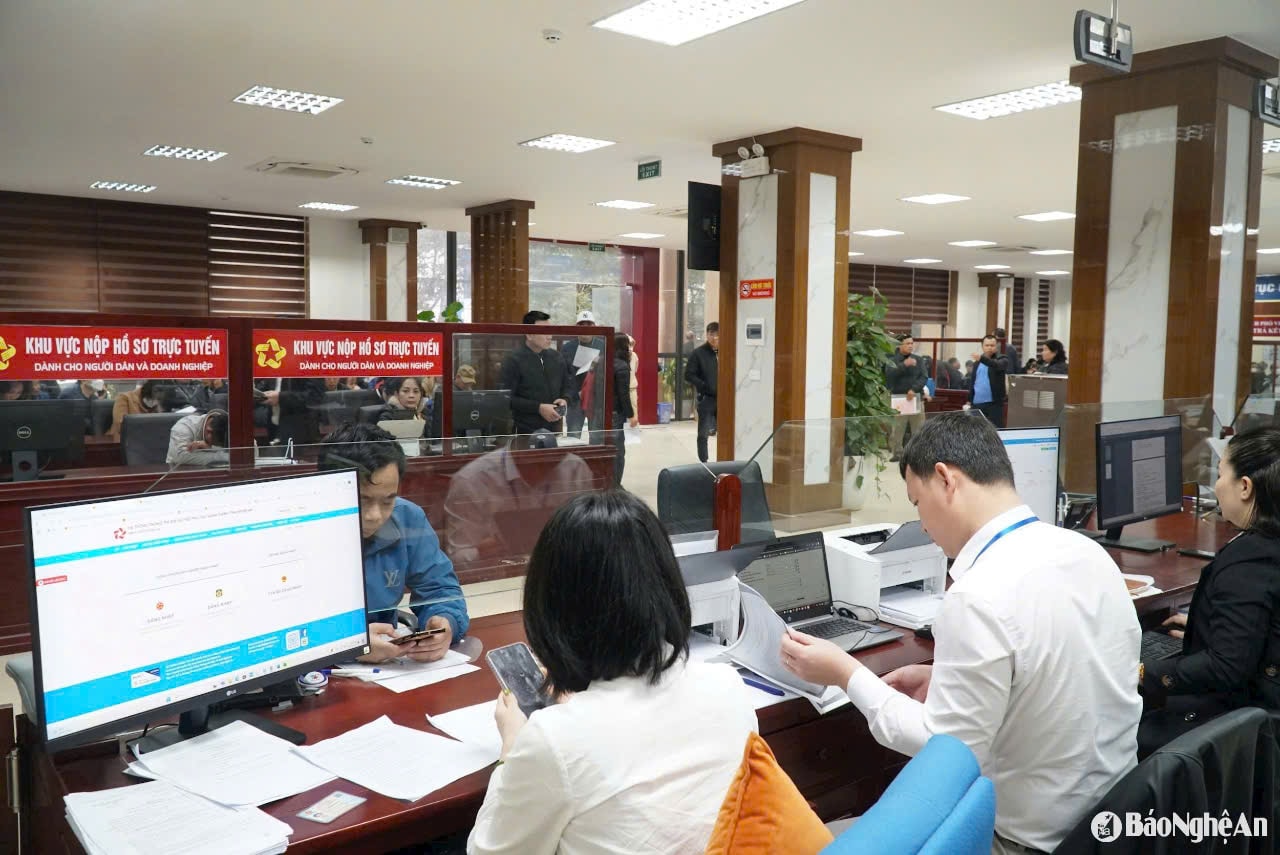
AboutManagement and utilization of funds for organizing extra classes and tutoring.For extracurricular tutoring within schools, funding comes from the state budget and other legitimate sources as prescribed by law. For extracurricular tutoring outside of schools, the fees are determined by agreement between parents, students, and the tutoring institution.
The collection, management, and use of tuition fees for extra classes shall comply with the provisions of the law on finance, budget, assets, accounting, taxation, and other relevant regulations.


