
The soldier and the dawn after the orange darkness
On the occasion of Vietnam's Day for Victims of Agent Orange (August 10th), reporters from Nghe An Newspaper and Radio and Television had an interview with veteran Pham Ba Canh (residing in Hamlet 2, Yen Trung Commune). Despite suffering from the lingering effects of chemical toxins from the war years, Mr. Canh has always maintained the spirit of a soldier of Uncle Ho and strived to overcome adversity and build a better life for his family.
Interviewer: Sir, we understand you enlisted in the army twice. Could you share some details about those arduous but glorious years of fighting?
Mr. Pham Ba Canh:I was born and raised in Hung Yen Bac commune, now Yen Trung commune, Nghe An province. In my youth, like many young men in my village, I always longed to go directly to the battlefield to contribute to the defense of the Fatherland. That dream came true in 1972, when I was just 19 years old. I was assigned to Regiment 270, Division 341, and participated in fierce battles on battlefields such as Quang Tri, Route 9 South Laos, Khe Sanh, Tay Ninh... and the Ho Chi Minh Campaign.
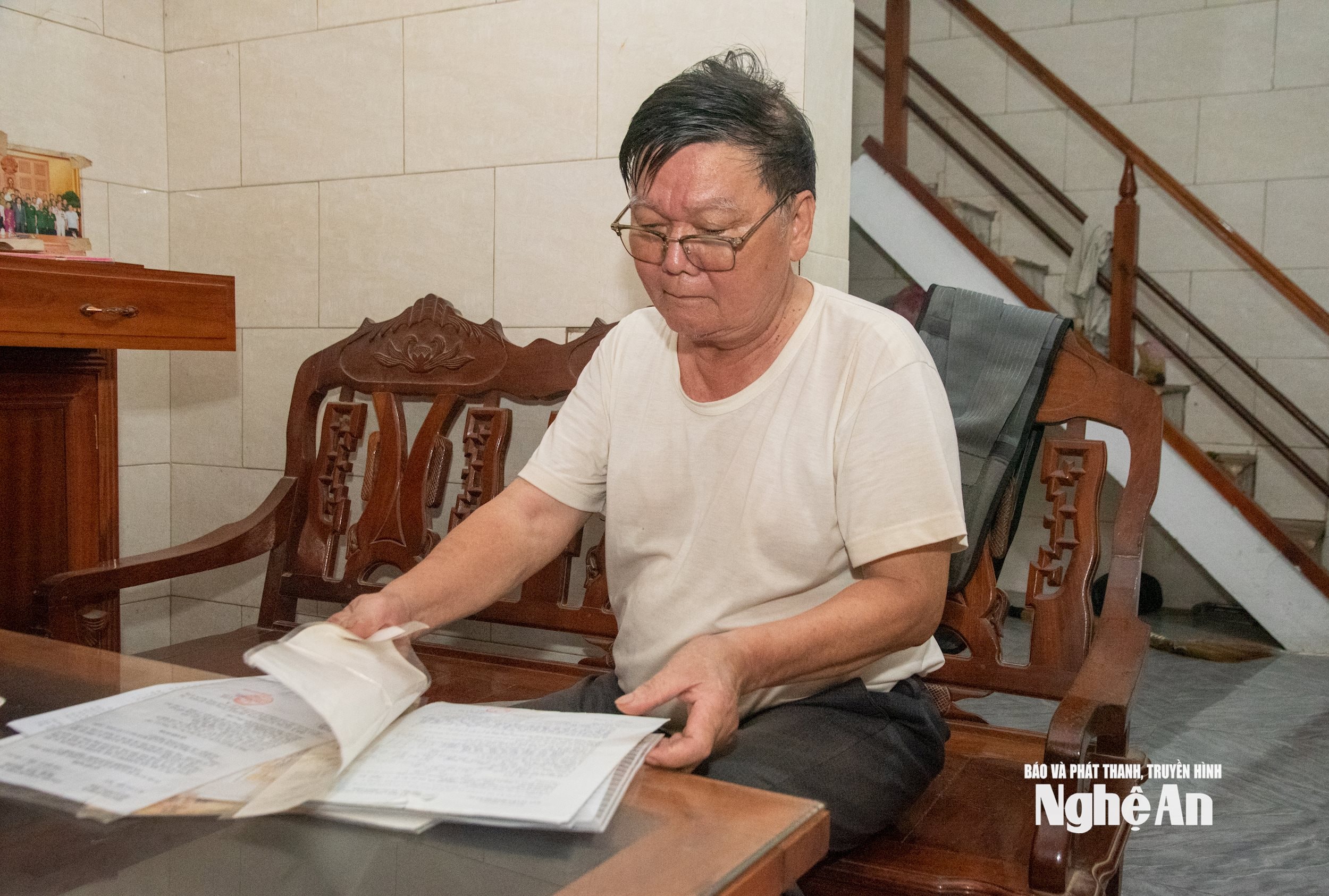
The situation was extremely harsh at that time: Bombs and bullets rained down incessantly, and many battles took place under extremely difficult conditions. My fellow soldiers and I fought while encouraging each other to overcome hardships. In 1975, the country was unified, and I returned home to the joy of victory. In early 1976, I was discharged from the army and returned to my hometown to start a family.
Just about two years later, when the situation on the southwestern border became tense due to Khmer Rouge aggression, I once again volunteered to re-enlist, continuing to fight to defend the nation's borders. From 1978 to 1981, I participated in combat in the southwestern battlefield in many campaigns to sweep and secure the border region. When the situation gradually stabilized, I was finally able to return to my hometown and live a civilian life until now.
PV: One thing that troubles many people is that soldiers like you, who fought in key areas where Agent Orange was sprayed like Quang Tri and Khe Sanh, only found out about the effects much later. When you realized that the consequences weren't just for yourself, but also for your children, what were your feelings at that time?
Mr. Pham Ba Canh:When we were on the battlefield, we were very young, and no one knew about the existence of Agent Orange or dioxin. At that time, as soldiers of the 341st Division, we only had one spirit: "To die for the Fatherland." No matter how fierce the battlefield, no matter how heavy the bombs and bullets, we remained steadfast, holding our ground and fighting to the end.
In 1976, after my first discharge from the army, I returned to my hometown with great happiness because I was unharmed, without a single wound. That same year, I married Ms. Nguyen Thi Van, a woman from the same village. In 1977, our first daughter, Pham Thi Xuan, although not perfectly healthy, grew up like any other normal child. At that time, I thought that the war had truly ended, and peaceful days awaited us.
But that joy was short-lived. In 1979, when my wife gave birth to our second child, Pham Thi Thuy, just a few months later I noticed she had unusual symptoms: her limbs wouldn't move, her eyes wouldn't react to light, and she couldn't recognize her surroundings. Even more heartbreaking was that our two younger sons, Pham Ba Long (born in 1982) and Pham Ba Phuong (1985), also developed similar symptoms. Taking them to Hanoi for examination, my wife and I were devastated when the doctor informed us that they were suffering from the effects of Agent Orange inherited from their father.
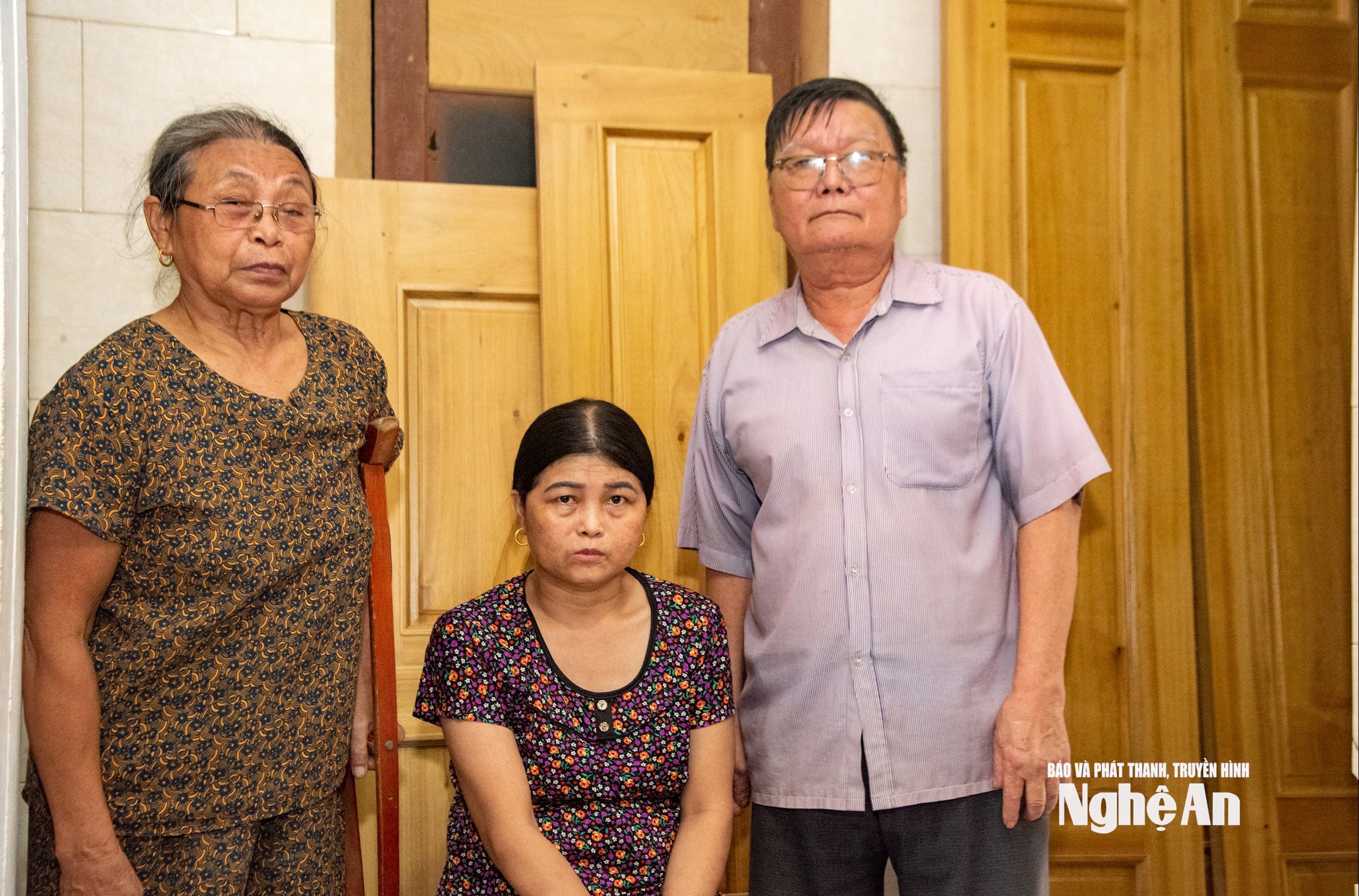
That has been a persistent pain in my life. Although I myself was not injured in the war, the ultimate suffering came from my children being disabled due to Agent Orange exposure from their father. That pain was multiplied many times over when, in 2012, my youngest child, Pham Ba Phuong, passed away after a sudden epileptic seizure on the 29th day of the Lunar New Year.
For my part, I also began to feel the belated consequences: frequent illnesses, high blood pressure, and nerves that were easily damaged whenever the weather changed. It wasn't until around 2001, after undergoing the necessary assessment procedures, that my children and I were recognized as victims of chemical warfare and began receiving benefits.
PV: With three children suffering from the effects of Agent Orange, your family life must have gone through many hardships. But looking at your journey of overcoming difficulties and building your carpentry workshop, it seems like a path full of resilience?
Mr. Pham Ba Canh:In the early years after my second military service, my family life was incredibly difficult. My wife and I both came from farming backgrounds, starting from scratch, and had to raise four young children, three of whom had disabilities due to the effects of Agent Orange. The burden of life was therefore even heavier. My wife had to work as a hired laborer, struggling to make ends meet. Many times, my wife and I felt like we couldn't go on anymore. At night, I would toss and turn, unable to sleep, wondering, "Why can't our family escape this hardship?"
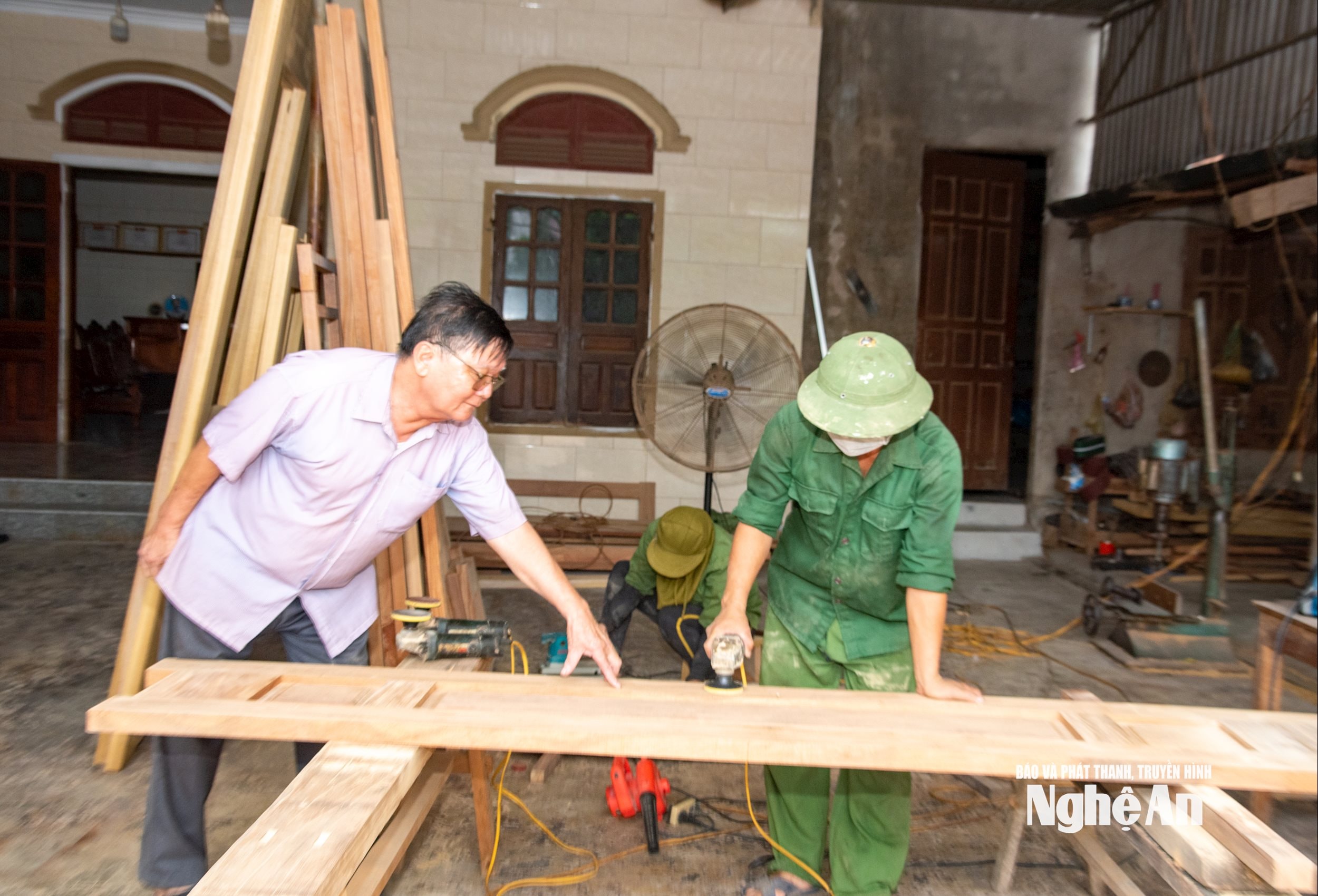
In my most desperate moments, a glimmer of hope emerged from what I had learned. In the early 1980s, I apprenticed as a carpenter and worked as a laborer in several small workshops. In 1995, I decided to set up a small carpentry workshop at home. Initially, I only repaired plows and built rudimentary tools for the villagers. Although the work was simple, I always did it with meticulousness, care, and a spirit of learning. As a result, my skills improved, and my products became more refined, durable, and beautiful. Gradually, people from the former Hung Nguyen district and surrounding areas began to seek my services. Word spread, and my small carpentry workshop received more and more orders.
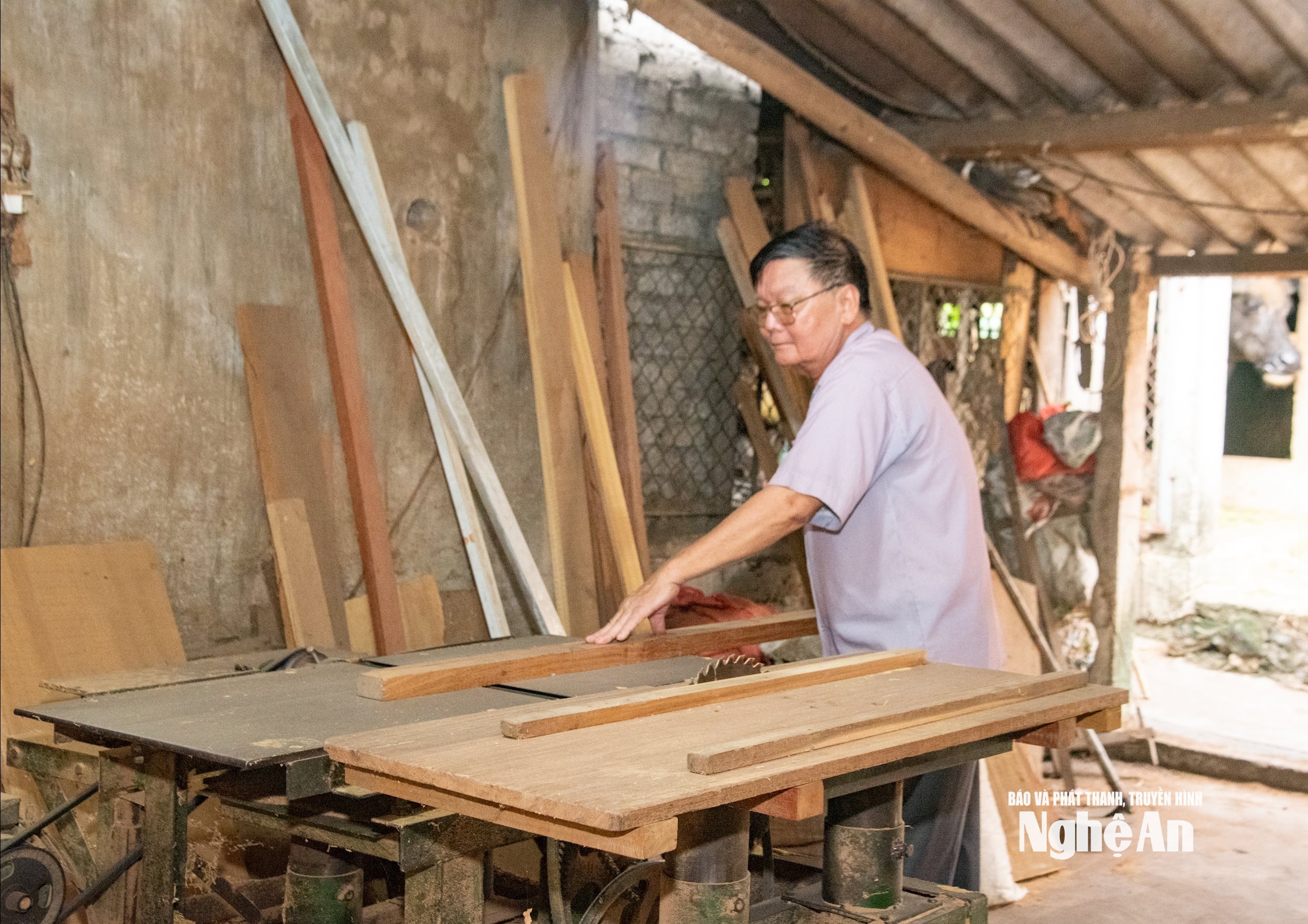
After more than 10 years of persistent hard work, by 2008, I had accumulated enough capital to expand the workshop, purchase more modern machinery, and hire more workers. Currently, my carpentry workshop provides stable employment for at least 5 local workers, including the children of war invalids and victims of Agent Orange. After deducting expenses, my family accumulates about 500 million VND each year. Thanks to this, our finances have gradually stabilized, my children are better cared for, and have better opportunities for education and development. My eldest son, Pham Ba Long, despite his weak health, continues the family trade, helping me manage the workshop and taking on the role of main carpenter when I am unable to work directly.
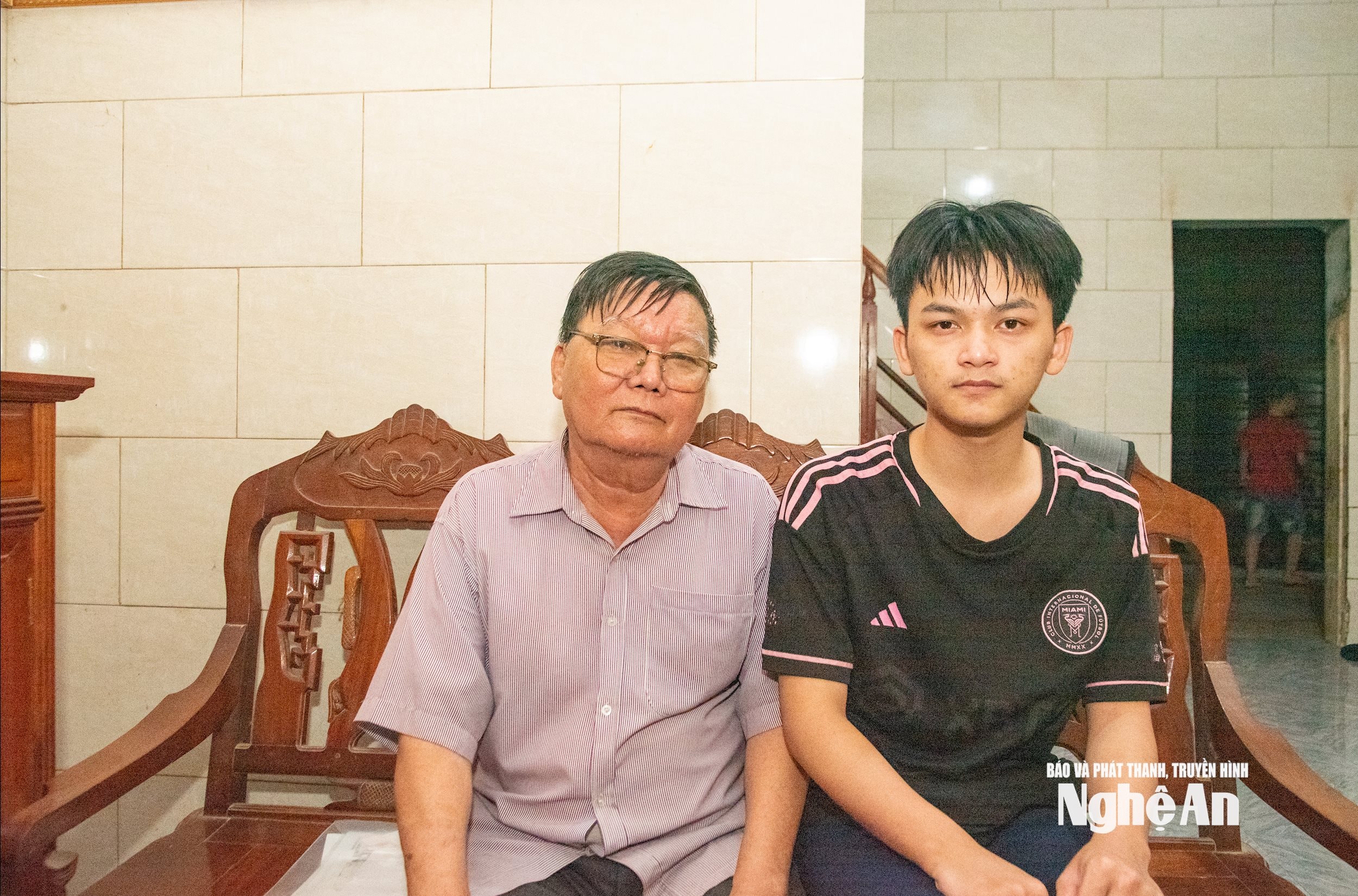
In particular, my two grandsons – Pham Ba Trong (born in 2006) and Pham Ba Quy (born in 2008) – are both students at Phan Boi Chau Specialized High School. Trong, in particular, was the national runner-up in the science stream last year and is currently a second-year student at Hanoi Medical University. This is a source of immense pride and a spiritual gift that somewhat alleviates the losses that the war left behind for my family.
As my life gradually stabilized, I had the opportunity to contribute more to the community. Since leaving the military, I have always actively participated in activities of the Youth Union, the Farmers' Association, the Veterans' Association, and the Association of Victims of Agent Orange in my locality. In 2009, I and some comrades established the Association of Victims of Agent Orange in Hung Yen Bac commune (formerly), and I served as the Standing Vice Chairman of the Association until April 2021. From that time until now, I have been a Standing Committee member of the Association of Victims of Agent Orange in Yen Trung commune (the new name after the merger of Hung Yen Bac, Hung Yen Nam, and Hung Trung communes of the former Hung Nguyen district).
I have also had the honor of being invited many times to attend the Congresses of the Association of Victims of Agent Orange at the district and provincial levels, and especially the 4th National Congress of the Association of Victims of Agent Orange/Dioxin in Vietnam in 2018. For me, this is not only an honor, but also a responsibility - the responsibility of a soldier of Uncle Ho in peacetime, using my experience, heart, and determination to accompany, share, and help other victim families to confidently overcome difficulties, ensuring that no one is left behind.
PV: Having served as the Standing Committee member of the Association of Agent Orange Victims in the commune for over 15 years, you have had the opportunity to interact with many people in similar circumstances. From the perspective of someone who has experienced it firsthand, what do you think the victim community needs most today to overcome their fate?
Mr. Pham Ba Canh:When the Association of Agent Orange Victims in Hung Yen Bac commune was established, there were 22 families of victims in the entire commune. Today, that number has dwindled to only 11, as many have passed away. Each family has its own story, a pain difficult to put into words. Many families have children with severe disabilities, lacking mobility and unable to care for themselves. The majority of them are facing countless difficulties, both material and emotional.
As a permanent member of the Association, I, along with my colleagues in the Executive Committee, always strive to stand alongside the victims' families, regularly visiting, encouraging, and sharing their burdens. We actively mobilize charitable organizations and individuals to join hands in providing support – from practical gifts and assistance with house repairs, to connecting and guiding them in livelihood development, helping them gradually improve their economic situation.
As the leader of the Association of Victims of Agent Orange in the commune, I spend a lot of time meeting, listening to, and sharing with families in similar circumstances. I always remind them that: No matter how difficult life is, as long as they have health and determination, they can still learn a trade, support themselves, and take care of their families – just as I myself have experienced. To those who are still able to work, I frankly advise them: don't wait for or rely on support from the State or the community, but try to be your own support first.
Veteran Pham Ba Canh (Hamlet 2, Yen Trung Commune, Nghe An Province)
We have also persistently petitioned local authorities and relevant agencies to strengthen more practical support programs, from career guidance and job placement to production capital support. Only with the right support can Agent Orange victims and their families have the opportunity to develop their inner strength and confidently rise above their circumstances. This is not only an immediate need but also a sustainable path for them to regain their faith, values, and rightful place in the community.
PV: On August 10th - Vietnam's Day for Victims of Agent Orange, if you could send a message to your former comrades, those who also bear the scars of war, what would you say?
Mr. Pham Ba Canh:Throughout my military career and working life, I have come to understand that being alive and contributing to the Fatherland is a great happiness. During the war, we overcame countless hardships, and today – in peacetime – we must be even more resilient, using our own hands and willpower to overcome poverty and conquer disease. Losses and suffering may be immense, but if we give up and surrender, we will regret it for the rest of our lives.
On the occasion of Vietnam's National Day for Victims of Agent Orange, I would like to express my deepest gratitude to all levels of government, organizations, and benevolent individuals who have consistently shown concern and support for my family and other Agent Orange victims over the years. The gifts, visits during holidays and Tet (Lunar New Year), assistance with house repairs, donations, and medical care have all been a tremendous source of encouragement, both materially and spiritually. Thanks to this care, my family has not only gradually stabilized our lives but also gained the confidence to continue striving for a better future.
I also hope that in the future, all levels of government and organizations will continue to pay closer, more specific, and more flexible attention to the families of Agent Orange victims. Some of these families are in very difficult circumstances, and simply receiving assistance in completing paperwork, resolving procedural issues, or supplementing benefits could help them confidently move forward.
I would like to send a message to my comrades, those who share the same plight: let's unite, love, and encourage each other to overcome challenges. Let's consider every day we have health as an opportunity to learn a trade, work, and contribute to our families and society. We, victims of Agent Orange, may be physically weak, but we must never be weak in spirit. Let our community join hands so that no one is left behind.
Veteran Pham Ba Canh


