
Pioneers in regenerating samu forests in Na Ngoi
In the high mountains of Na Ngoi commune, Ky Son district, where clouds cover the landscape year-round, Mr. Gia Phai Chia has spent more than half his life quietly preserving the forest, planting trees, reviving the greenery on the mountain slopes, and silently regenerating the precious samu forest of his homeland.
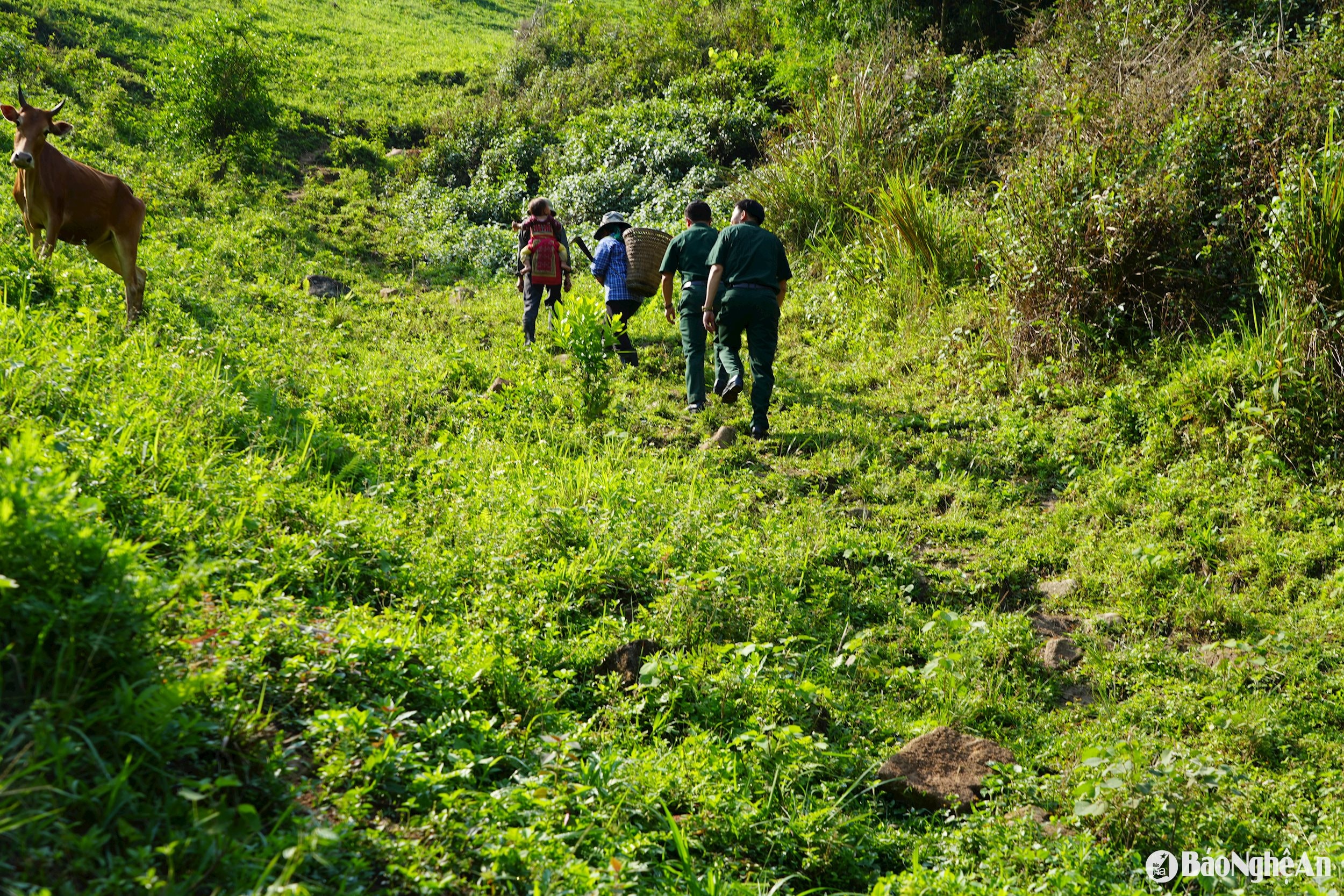
At 60 years old, Mr. Chia still diligently goes to the fields and forests every day to care for each samu tree. He recounts that since childhood, he had seen samu forests covering the mountain slopes around his village. The tall trees stood majestically, their fallen leaves carpeting the ground. But then hunger and poverty forced people to cut down the forests for wood to build houses and sell to earn money for food and clothing. Samu gradually became scarce…
Around the early 2000s, while most people were still struggling to make ends meet, Mr. Chia quietly began a journey to find and breed samu trees to regenerate the forests.
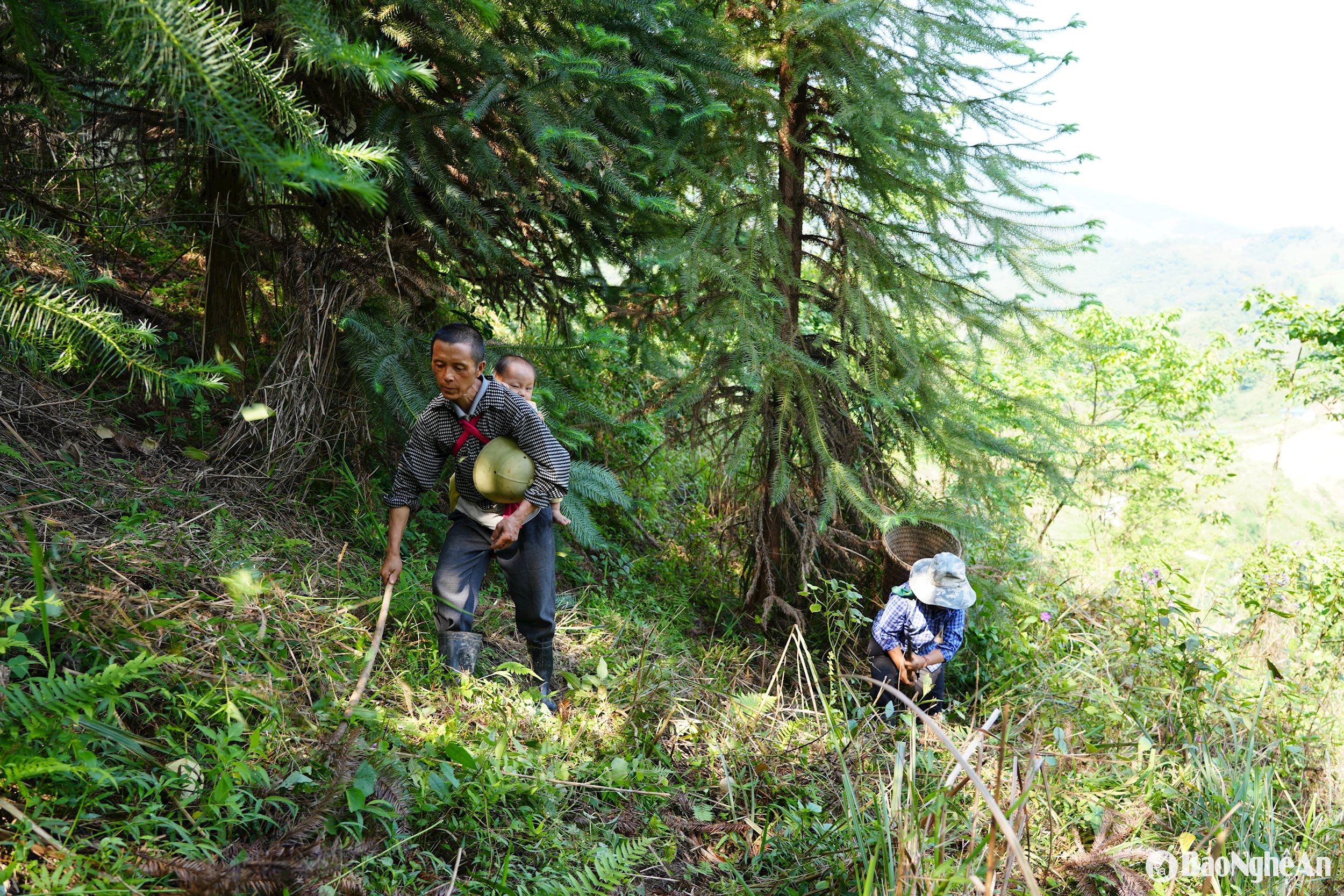
Every day, he would go into the forest to collect leftover saplings, carrying them back to plant around his house. He gathered dried fruits, separated the seeds, and sowed them, learning as he went, failing and then trying again. There were years when storms killed all the trees, but he never gave up. Sometimes there wasn't enough rice for the family, but he resolutely refused to sell a single samu tree. For him, the samu tree was not just a precious timber tree, but also a part of the soul and essence of the Hmong people – something that could not be traded.
Over twenty years of perseverance, he has cultivated a forest with more than 1,000 samu trees; some have grown so large that it would take an entire arm to encircle them, with wide-spreading canopies, while others are only as tall as a person's head, and some have just been planted from their nursery bags...
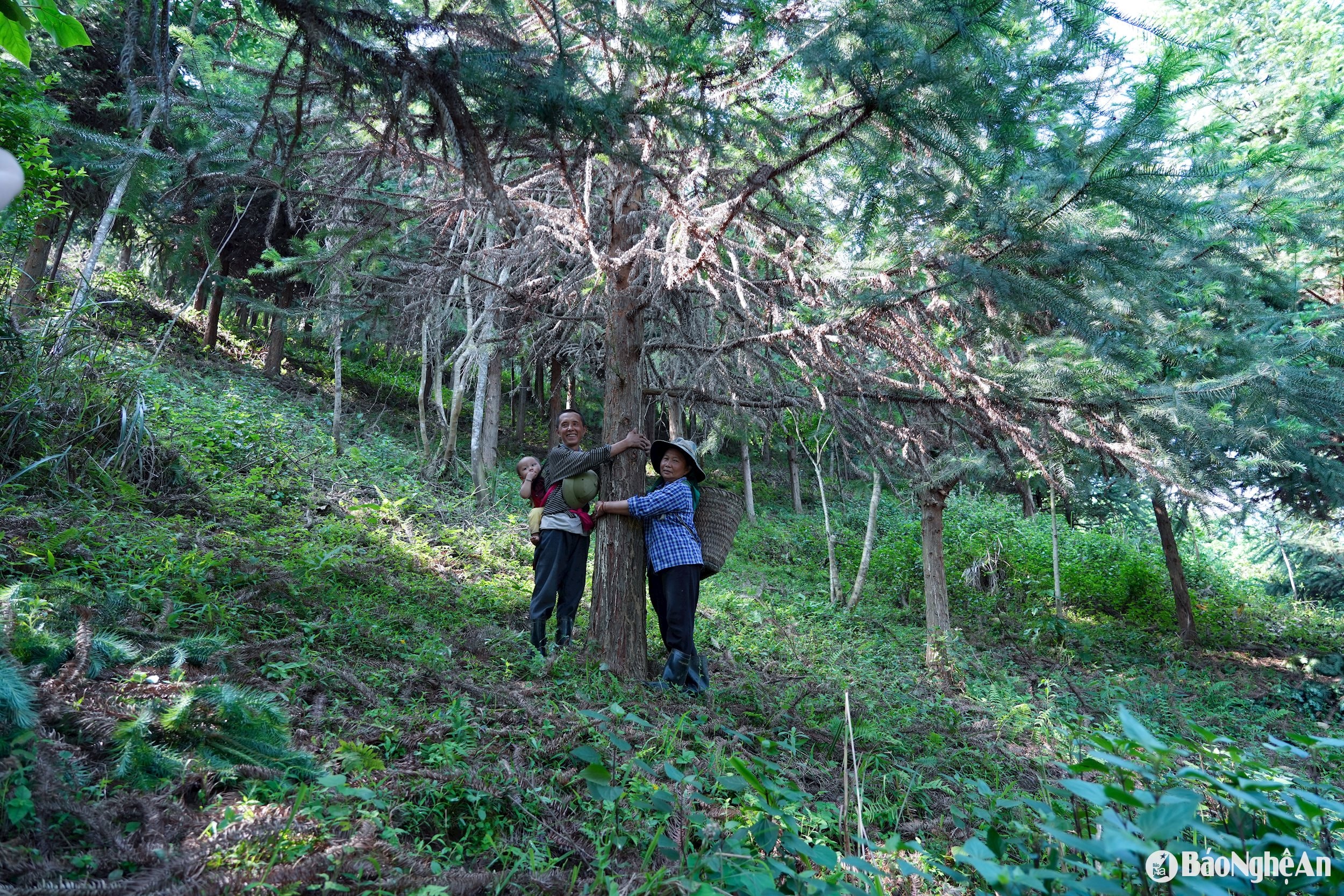
“Samu wood is very rare and precious. It's highly durable; it can withstand rain, sun, or even being buried underground for decades without being affected by termites. In particular, samu wood has a distinctive fragrance that repels insects, making it very sought after. Samu logs with a diameter of 30 cm are ready for harvesting, but I have no intention of selling them,” Mr. Chia said.
Not only does Mr. Gia Phai Chia preserve the precious forest, but he also knows how to live in harmony with it and create a sustainable forest economy. On an area of more than 10 hectares around his house, he plants bamboo, bamboo shoots, and bitter bamboo – native plants suitable for sloping land, cold climates, and especially providing a stable income.
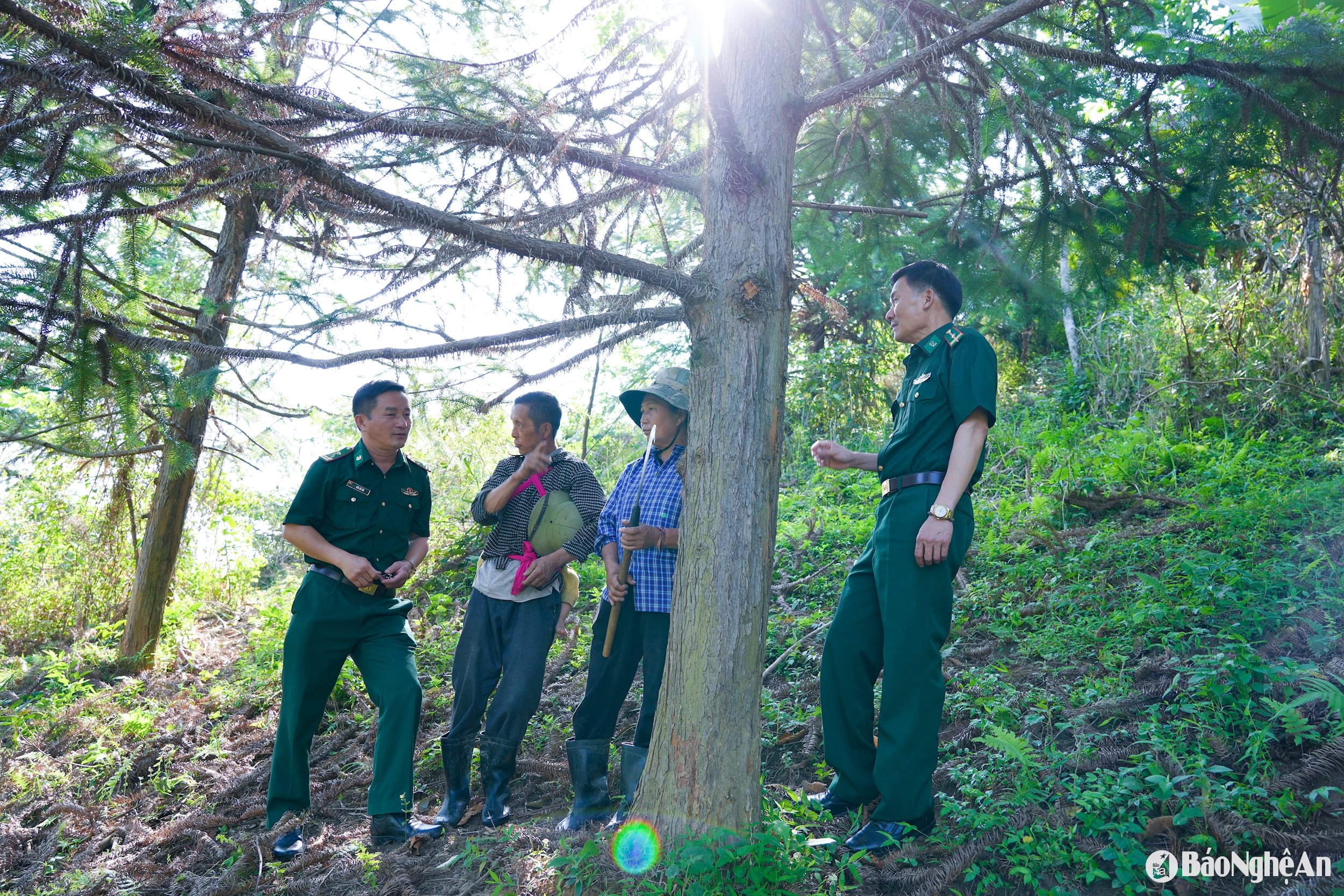
Thanks to the bamboo forest, he earns tens of millions of dong each year from selling bamboo shoots and bamboo stalks, enough to cover his living expenses and support his children's education without having to cut down the natural forest.
“Bamboo and reed forests are not only a means of livelihood but also help us avoid cutting down valuable timber trees like samu. Selling bamboo and reeds each year is enough to cover expenses and support our children's education.” Thanks to his approach, many villagers have changed their way of thinking. From habitually burning forests for slash-and-burn agriculture and cutting down trees for timber, they are now following his example, planting trees, preserving forests, and exploiting them in a planned manner. Green is returning to the once barren hillsides.
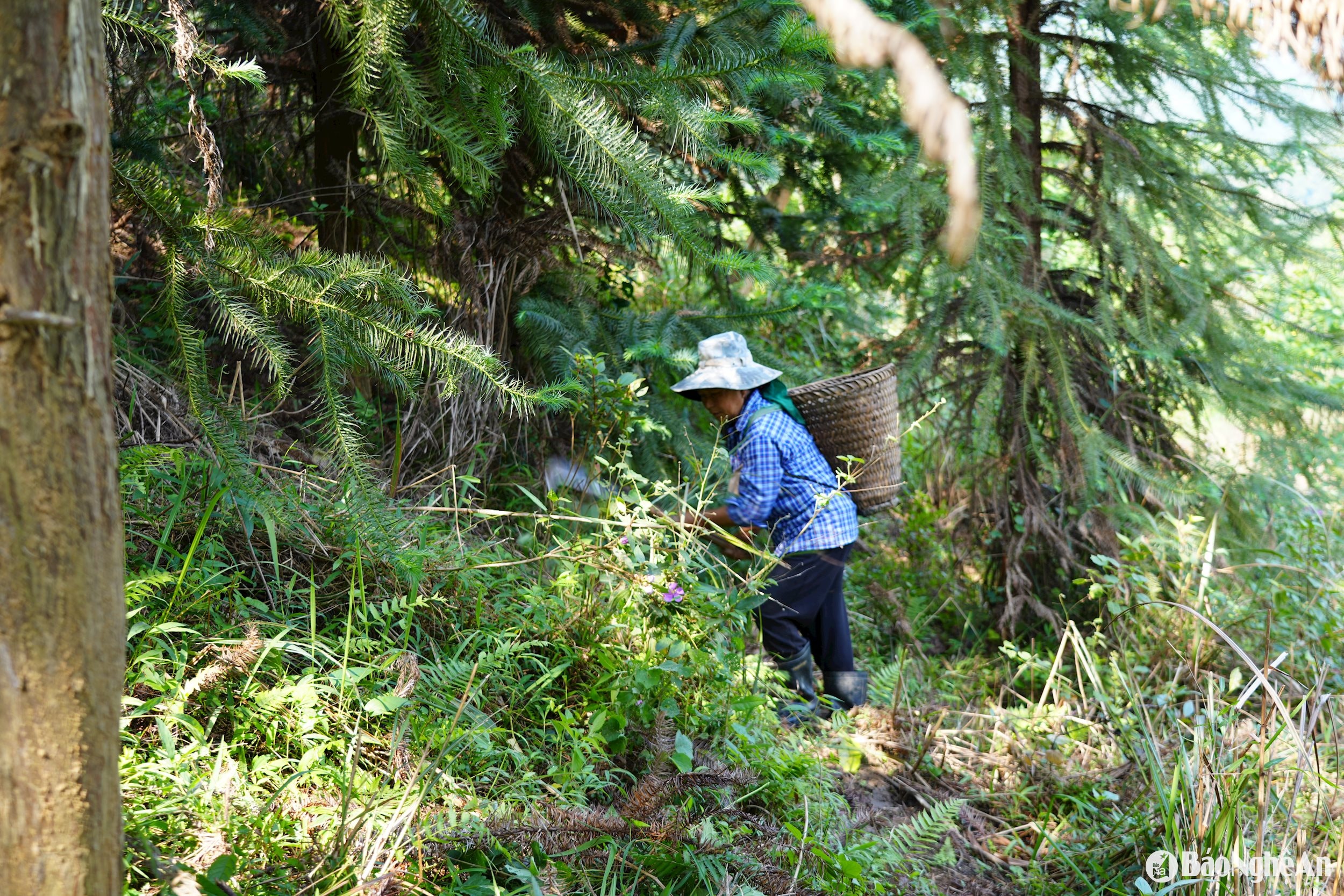
Mr. Chia said that forestry is a lifelong endeavor and cannot be rushed. It requires perseverance and faith in the trees and the soil. "I'm old now, and I only hope to see the samu forest grow thicker, and the villagers appreciate the forest and make a living from it. That's what I hope for most," he said, his eyes shining with contentment.
The story of Old Man Phai Chia is not just about planting trees and preserving the forest. It is a journey of preserving a part of the cultural memory and identity of the Hmong people on the summit of Na Ngoi mountain.
Major Già Bá Ná - Team Leader of the Community Mobilization Team, Na Ngoi Border Guard Station (Nghe An Border Guard Command) said: “Mr. Chia’s quiet but persistent work shows the sustainable path for the people to protect the forest, which is protecting themselves, developing the economy from the forest, and is the most long-term and fundamental way to get rich. People like Mr. Chia are exemplary role models for the villagers to look up to and follow.”
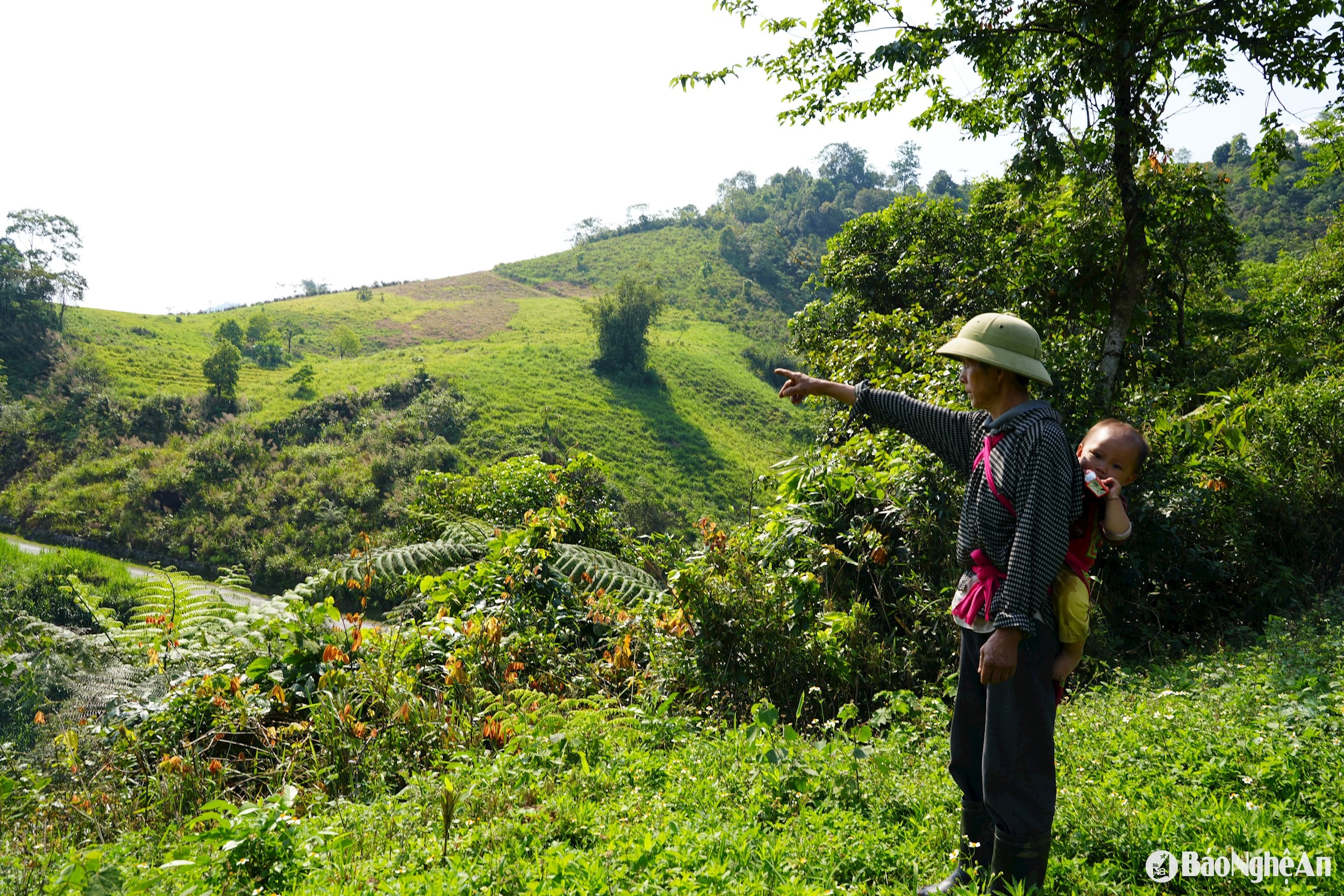
Amidst all the changes in the highlands, Mr. Chia remains as quiet as ever. He only hopes that in the future, his descendants will still see the samu tree, appreciate the forest, and know how to protect it—that's enough to make him happy…


