
Car shaking: causes and solutions.
If your car is shaking unusually, it can be dangerous. Here are the most common reasons why your car might be experiencing this.
 |
Owning a car for a long time means it can't maintain its original perfect functionality. And one of the most common and annoying problems is vibration while driving. Annoyingly, this inconvenience comes on gradually, until one day you wonder why you're experiencing this problem.
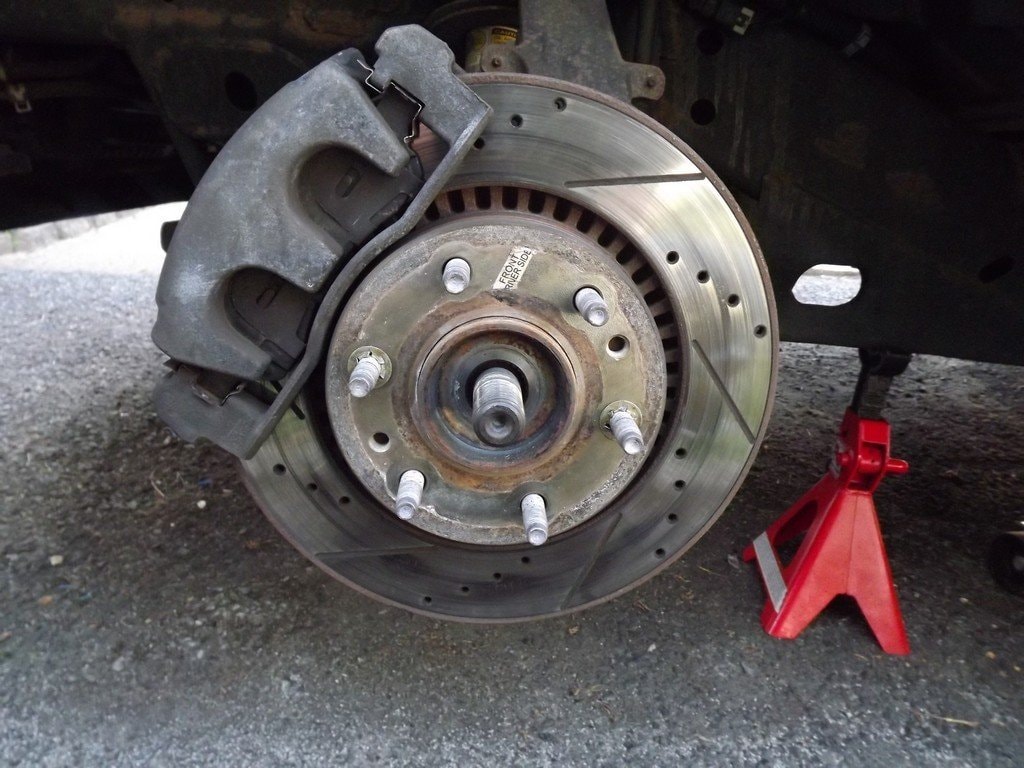 |
Braking system
Vibrations that occur when braking indicate that the brake drums or discs may be warped, bent, or unevenly worn. Additionally, excessive dirt and grime on the brake drum or disc surface can also cause this. This is most evident when the vehicle is moving at high speeds, as these rotating parts are subjected to uneven force from the brake pads, resulting in significant impact forces that cause vibrations and jerking.
To fix this, technicians usually have to remove the brake discs or drums, clean them, and straighten them if they are warped. Ideally, you should replace the brake discs and related components with new ones.
 |
Tires
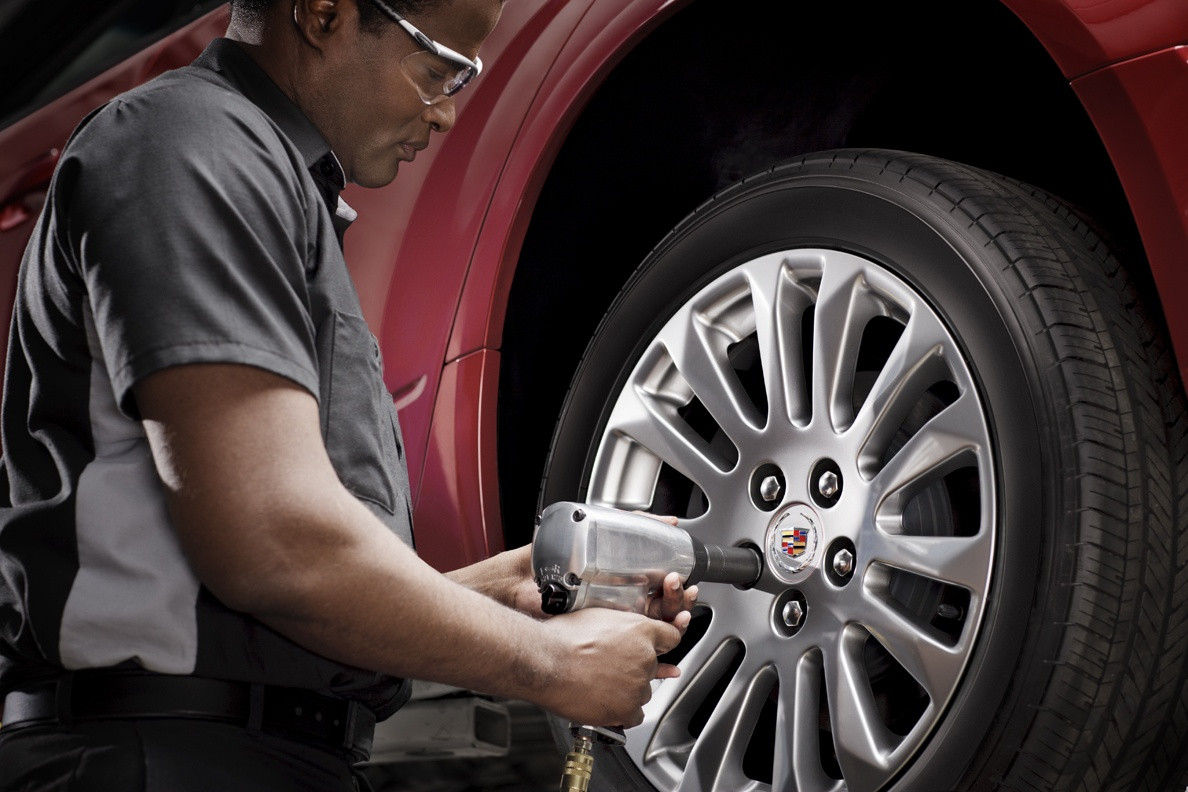
The list of situations where tire problems can contribute to uncomfortable driving conditions that detract from a smooth ride is quite long. However, we have simplified it and only highlighted the main points here:
+ The vehicle vibrates at certain speeds – requiring tire balancing.
+ Cracked or torn tires – require replacement.
Uneven tire wear – Tire rotation is required.
+ Tires that are not spinning smoothly and rolling evenly – Replace with new tires.
Sometimes, the problem isn't with the tires themselves, but with the wheels they surround. Consider and avoid potholes and poorly maintained sections of road that could be dangerous for your wheels.
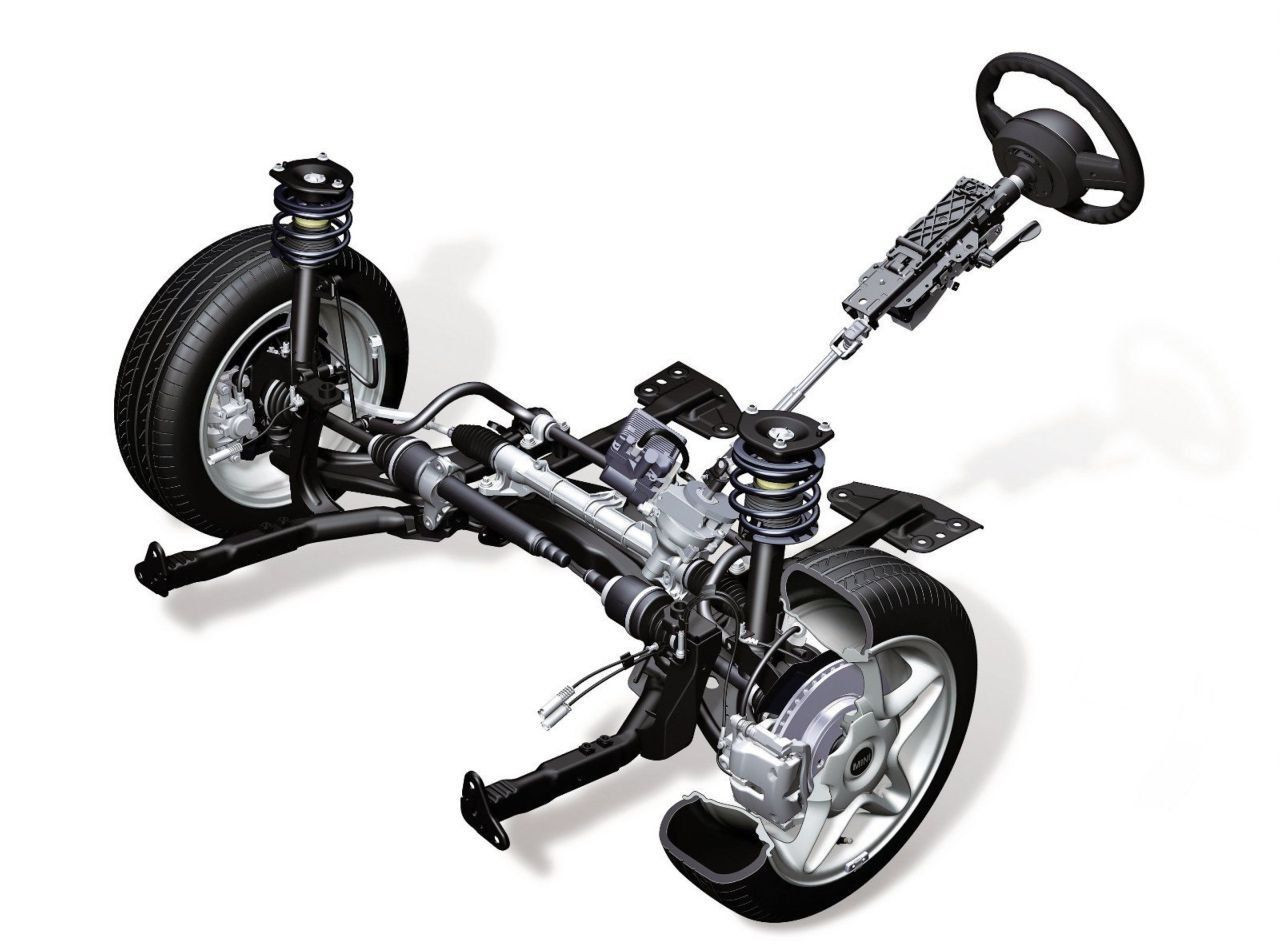 |
Shaft problem
Our vehicles have numerous rotating or linearly moving parts that must operate within specific dimensions or tolerances to function correctly.
If an axle is bent, your vehicle will be more susceptible to a collision or crash. It will create a jolt afterward. With this problem, the shock usually increases in intensity as you accelerate.
One related issue is checking the driveshaft. This rotating part transfers engine power to the rear axles and wheels in a vehicle with a rear-wheel drive system. If the shaft is bent, the vehicle may sway.
Worn constant velocity joints are in the same league as the problem. If the inserts—such as the rubber bushings, the covers around the ends of the drive shafts—are intact, and the clamps and lubricant aren't leaking, they're probably not the issue. But if the inserts are torn, that means dirt, dust, and road debris will get inside and damage the joints. For those...carWith a pre-drive system, if the constant velocity joints overheat, it means you need to buy a new drive shaft.
 |
Wheel rim
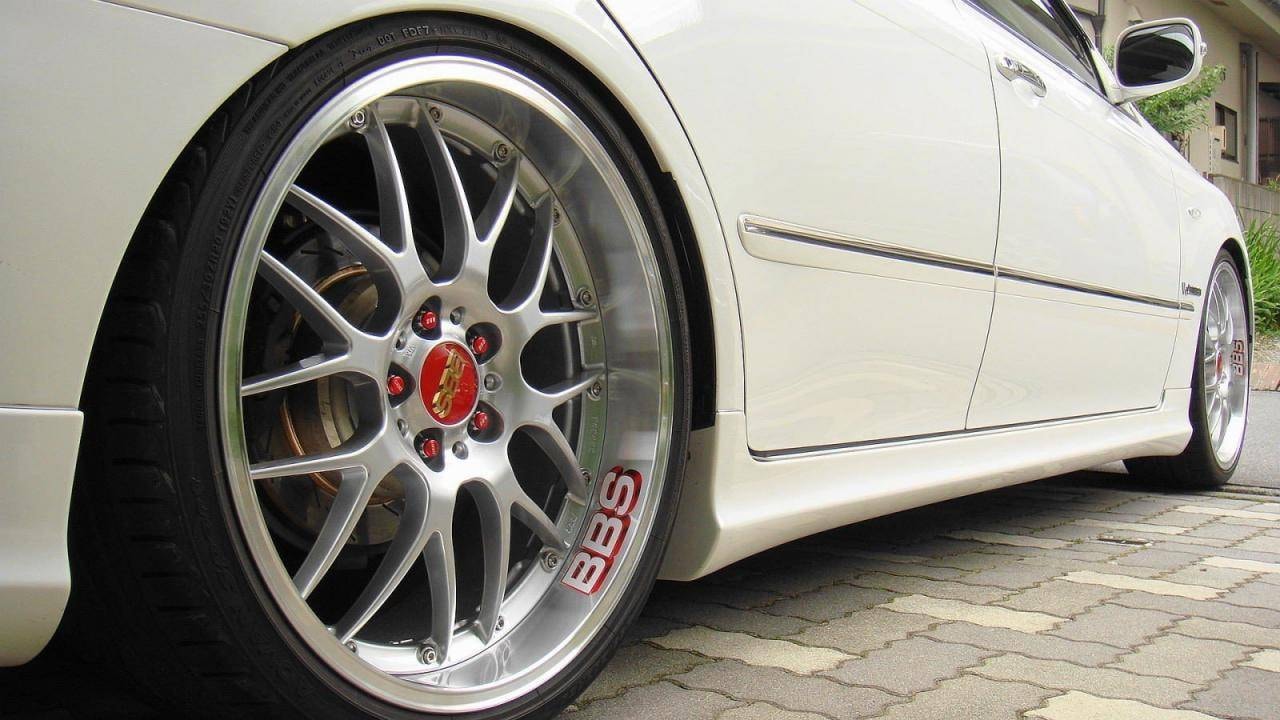
When driving, a wheel rim hitting the curb might not cause damage, but if you pay attention, you might notice the car vibrates afterward. This is because the wheel rim or axle is bent, causing the wheel's rotation to deviate from its correct trajectory, resulting in vibrations, or simply because the balancing weights have come loose.
A bent wheel rim or axle can be checked by a technician using a gauge to measure the deviation. Most manufacturers allow a deviation of no more than 1/32 of an inch. Steel rims can be straightened. Aluminum rims (cast rims) will need to be replaced.
 |
Engine
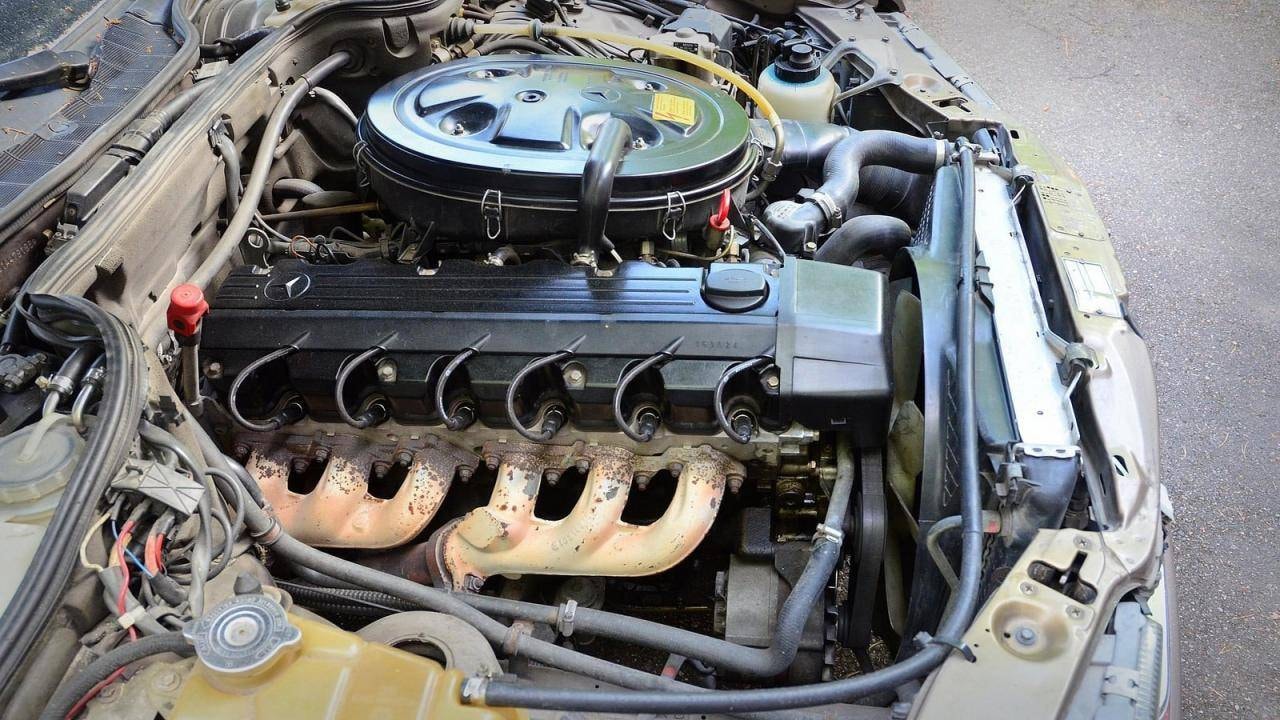
At first glance, many might find this illogical, especially with today's modern engines. However, we must acknowledge the reality that when an engine is running, hundreds of different parts participate in rotational movement. Therefore, even though each engine is designed to be optimally balanced thanks to balancing shafts, the simultaneous movement of hundreds of different parts at varying speeds still causes certain vibrations.
To eliminate these vibrations, manufacturers often place the engine on rubber mounts, which is why we usually see almost no vibration when cars are new. However, after a period of use, these rubber mounts will gradually lose their elasticity, leading to the gradual appearance of vibrations.
Furthermore, if the engine misfires (one of the cylinders fails to fire), the vibration and shaking will be noticeably felt by those inside the vehicle. Misfiring can be easily checked by disconnecting each high-voltage wire from the spark plugs on each cylinder. If the vibration doesn't change after disconnection, it indicates that cylinder is malfunctioning; otherwise, the solution will depend on the cause.


