
Bringing "new life" to traditional markets in Nghe An
Traditional markets have long been an integral part of people's lives, but they are facing numerous challenges in the face of e-commerce and modern retail systems. So what are the solutions to develop the network of traditional markets to meet people's needs and adapt to new trends?
Many shortcomings need to be addressed.
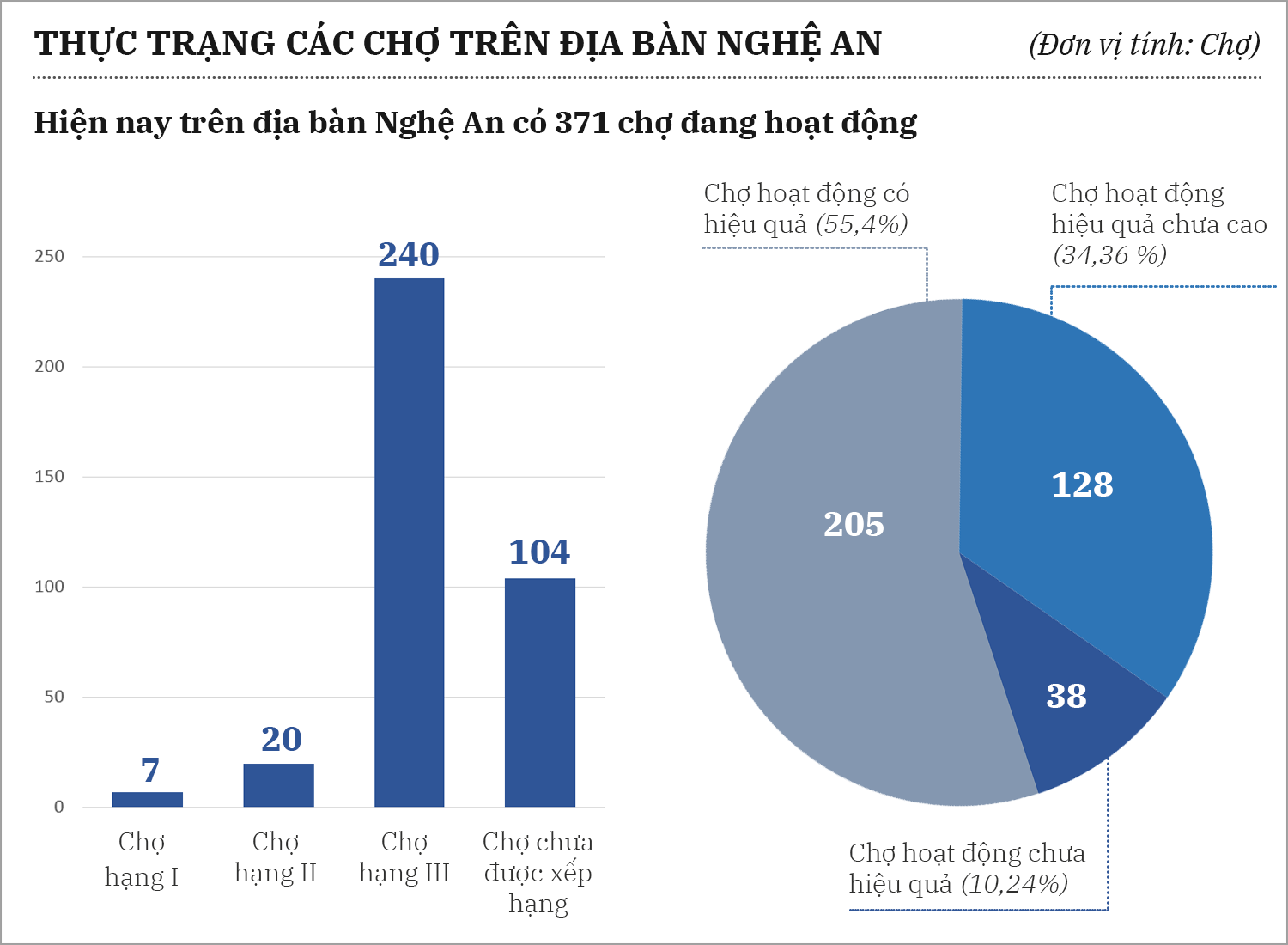
Currently, Nghe An province has 371 operating local markets, including 7 Class I markets, 20 Class II markets, and the rest are Class III or unclassified. Commercial infrastructure is not yet synchronized, mainly concentrated in Vinh City and some central districts, while remote and rural areas lack markets that meet standards.
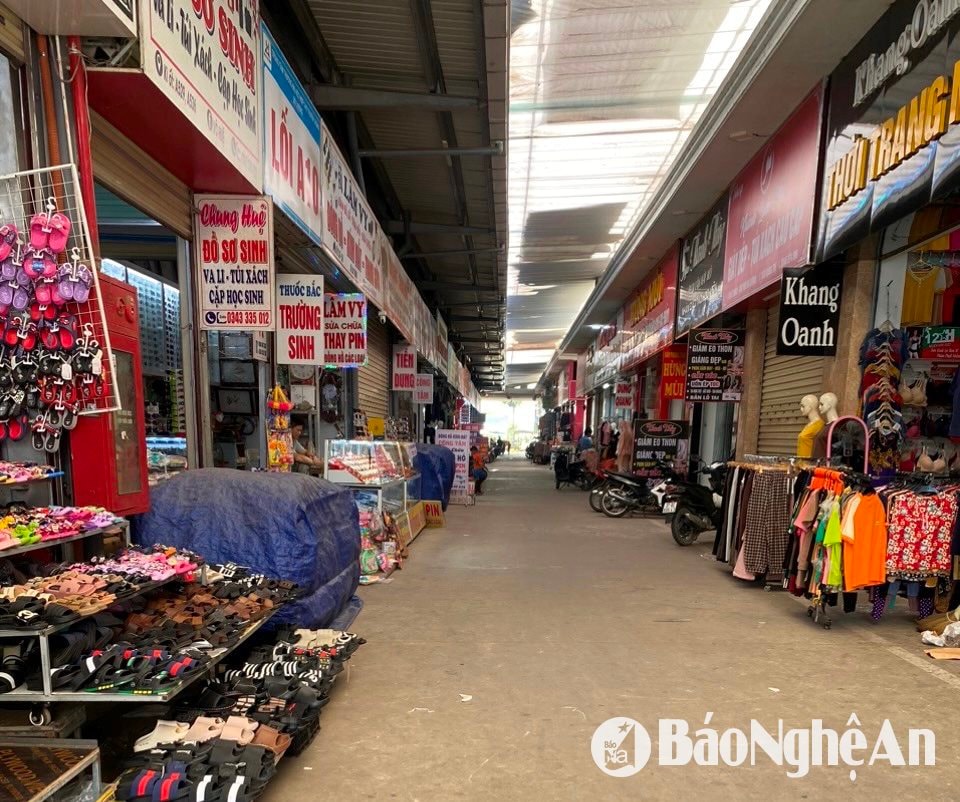
According to reports from the People's Committees of districts, cities, and towns, the province currently has 154 permanent markets that meet the economic and technical standards of the markets. Many of these markets have attracted significant investment, are quite large-scale and modern, and meet requirements for fire prevention, firefighting, and environmental sanitation, such as the Do Luong Traditional Market and Commercial Service Area, Kim Son Market (Que Phong), Hoang Mai Market, and Tan Ky Market, etc.
According to statistics, over 22% of markets have makeshift and dilapidated facilities, affecting business conditions and the safety of traders. Fire prevention and fighting systems, as well as environmental sanitation, are inadequate: Many markets only have simple fire extinguishers, and walkways are often encroached upon. In any traditional market, it is easy to find traders blocking walkways with their goods, using flammable materials for partitions between stalls, and having complex electrical wiring systems that are difficult to ensure safety.
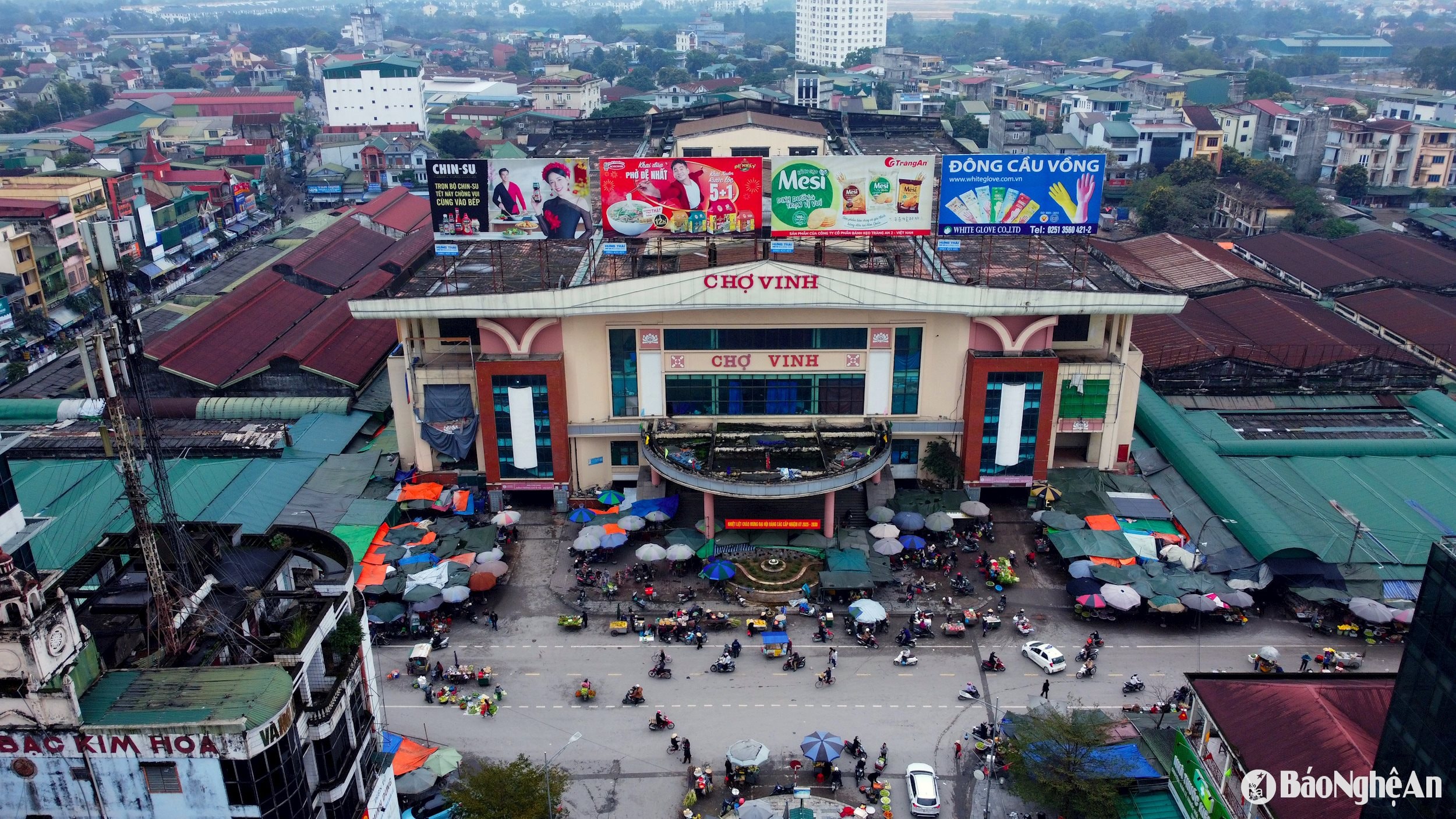
According to the Trade Management Department of the Department of Industry and Trade, most markets are built on public land, with a few on land invested in by businesses and cooperatives. Most of these markets existed before the Government's Decree No. 02/2003/ND-CP came into effect, and the average area of each business stall is only 2-2.5 square meters.2(not yet meeting the current standard of 3m)2They do not have their own warehouses but utilize existing business locations as storage facilities.
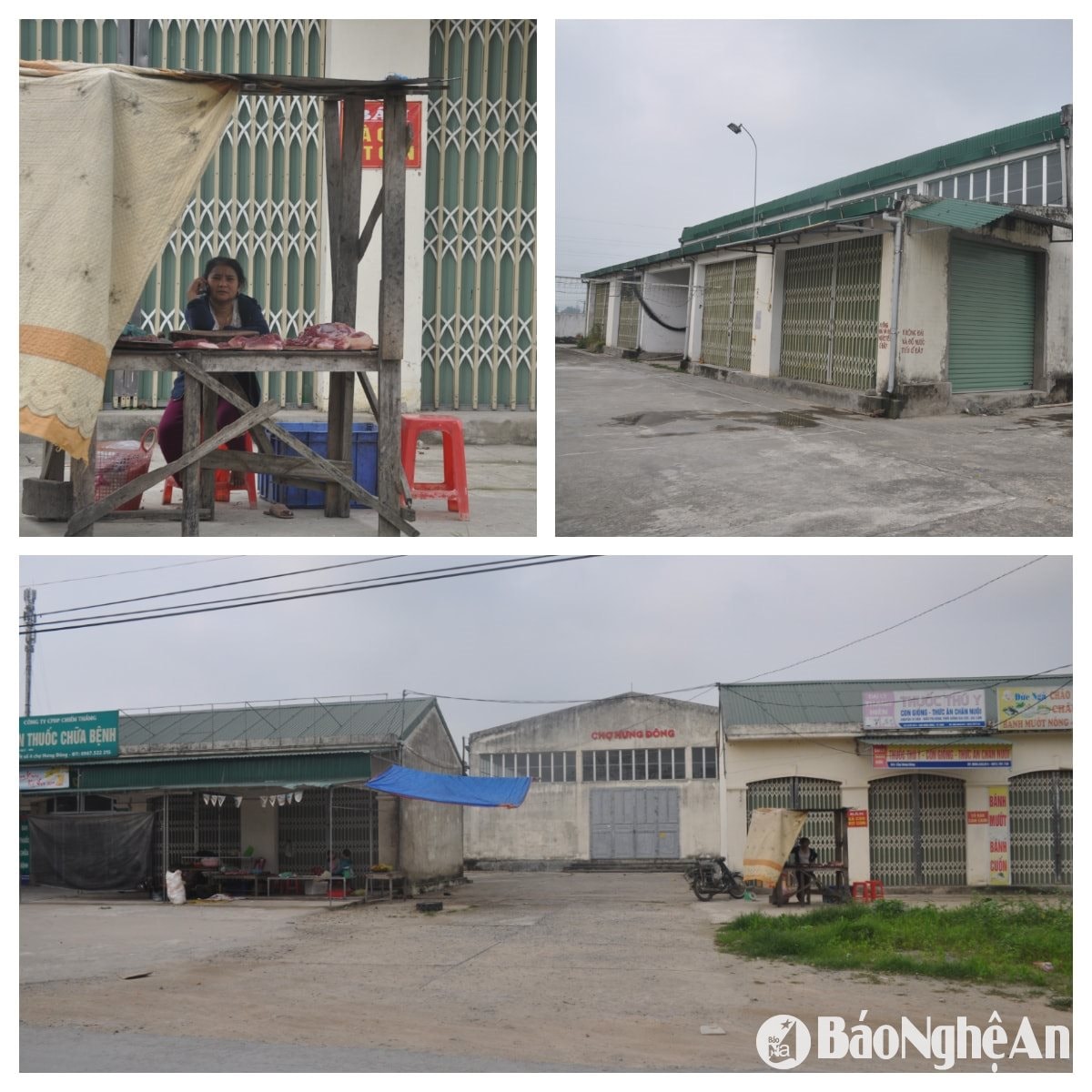
Furthermore, the rapid development of e-commerce, supermarkets, and convenience stores has created many difficulties for traditional markets. According to statistics, 34.36% of markets are operating at a low efficiency, 10.24% are operating inefficiently, and many markets are experiencing sluggish sales as people gradually shift to online shopping.
During the period 2021-2024, nearly 25 billion VND was mobilized for investment to upgrade and repair 9 markets; and 16.01 billion VND was invested in the construction of 3 new markets from the central government budget under the National Target Program for socio-economic development in ethnic minority and mountainous areas for the period 2021-2024, as assigned by the Prime Minister based on proposals from localities.
Nearly 3 trillion VND is needed for market development investment.
The impact of the digital economy, shifting from direct buying and selling to buying and selling through e-commerce platforms and digital marketplaces, has changed people's shopping and consumption habits, affecting the operational efficiency of markets, supermarkets, and shopping malls.
Mr. Pham Van Hoa, Director of the Department of Industry and Trade, stated: The domestic and global markets are expected to remain complex and challenging in the coming period. The development of e-commerce will significantly impact the efficiency of the traditional trade system. Therefore, a plan for developing a network of markets, supermarkets, and shopping centers is necessary to provide long-term investment and business orientation, serving as a basis for mobilizing investment resources into a synchronized, civilized, and modern commercial infrastructure.
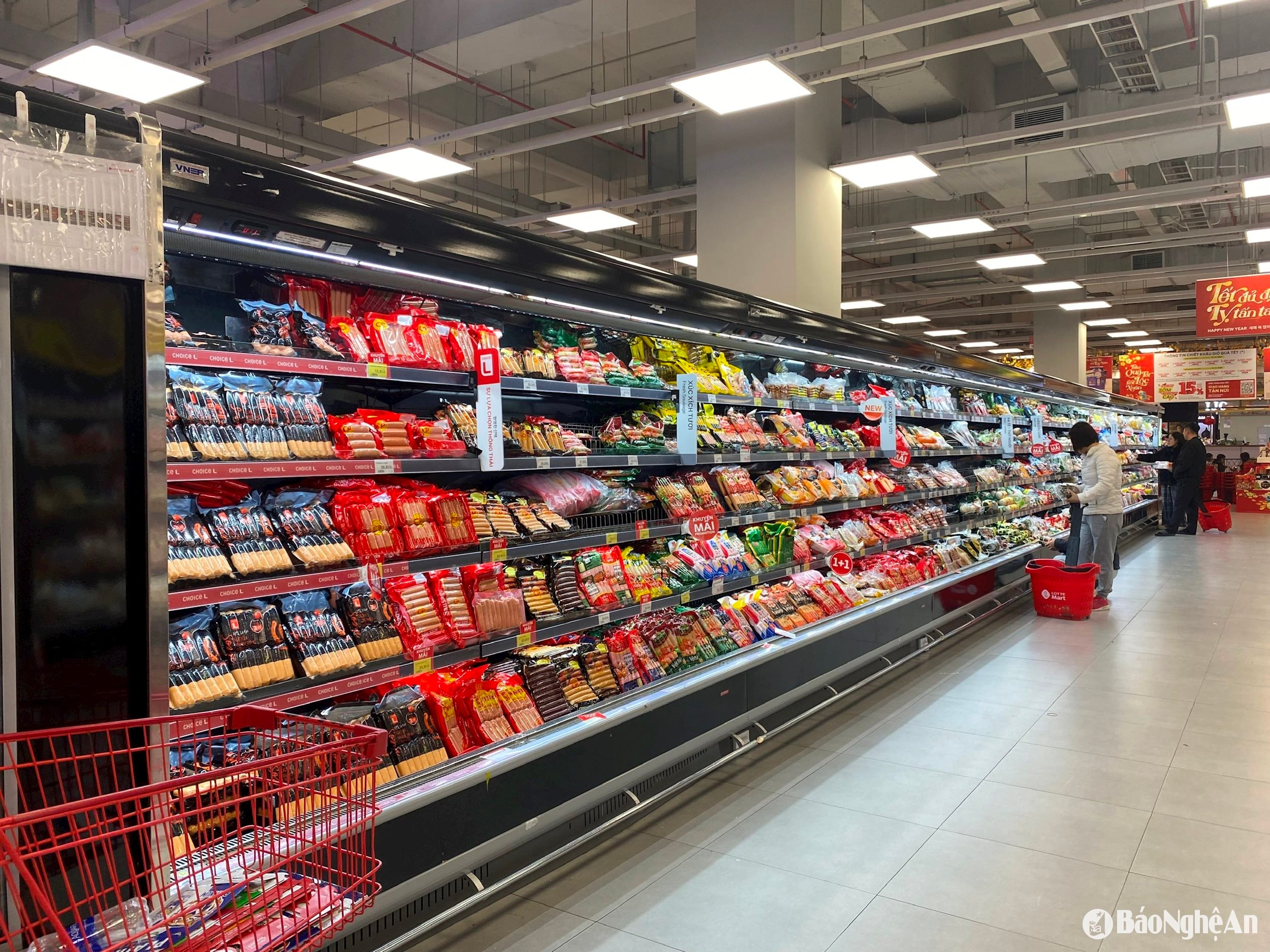
On February 14, 2025, the People's Committee of Nghe An province issued Plan No. 91/KH-UBND on the development of the network of markets, supermarkets, and commercial centers in the province. The main objective is to develop a network of markets, supermarkets, and commercial centers that is synchronized with transportation and logistics infrastructure to maximize investment efficiency. It aims to mobilize all social resources to participate in the investment, construction, and renovation of market systems, and the construction of commercial centers and supermarkets; the goal is to establish a civilized and modern market system by 2030.
To improve the efficiency of traditional markets and create a civilized and modern market system, a comprehensive set of solutions is needed. In addition to mobilizing resources to improve infrastructure, upgrade facilities, and invest in market upgrades, it is necessary to proactively combine traditional markets with modern sales models; implement market-integrated shopping mall models and e-commerce markets to help traders expand their sales channels. In particular, it is crucial to actively promote digital transformation in traditional markets, applying technology to stall management, cashless payments, and online ordering.
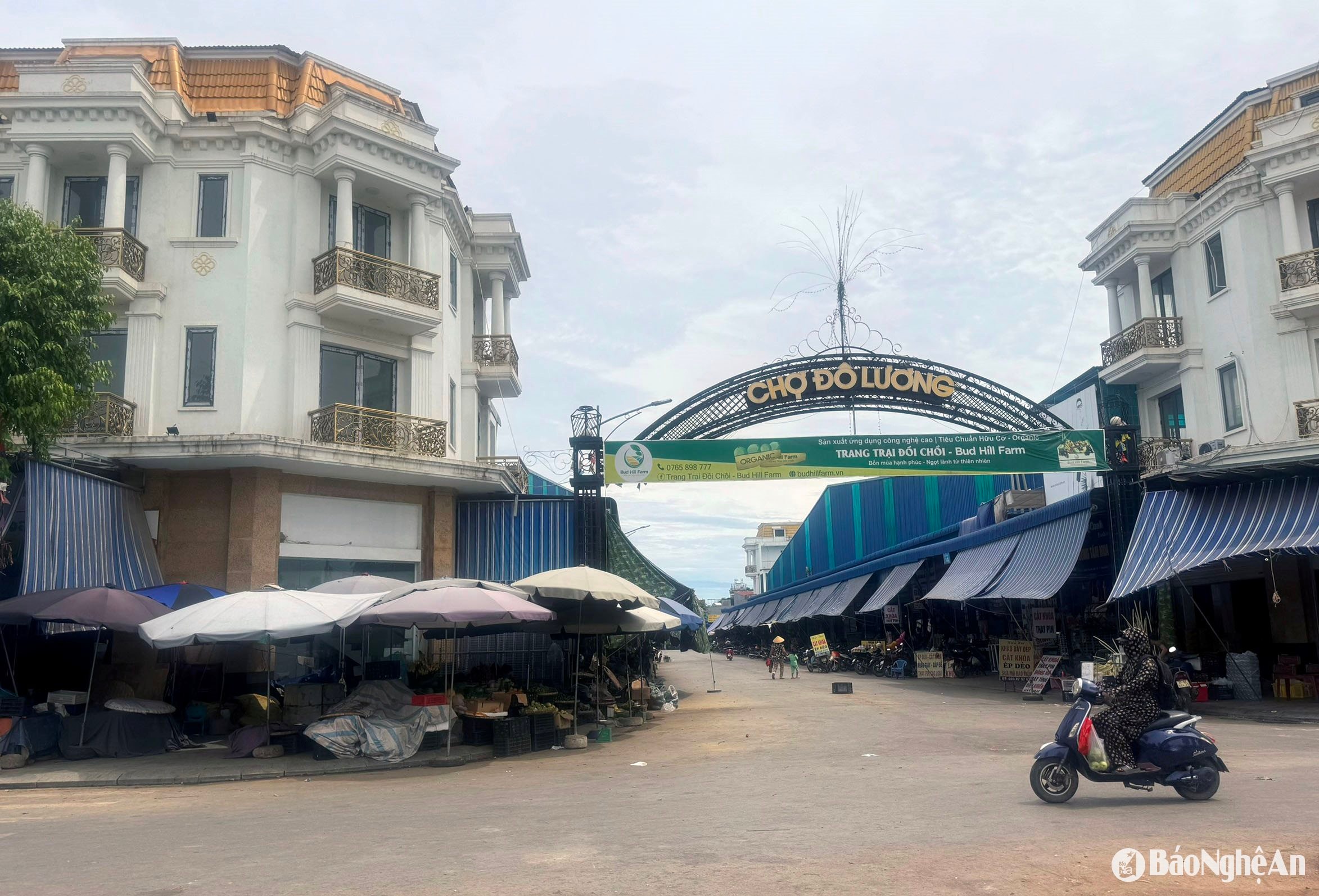
Furthermore, developing markets in conjunction with cultural and tourism characteristics, building specialty markets, night markets, and tourist markets will attract customers and increase competitiveness. Linking traditional markets with OCOP products, craft villages, and local products will help promote the consumption of goods.
With synchronized solutions and appropriate strategies, traditional markets in Nghe An will gradually be modernized, maintaining their role as an important channel for goods distribution, while also meeting the new consumer trends of the people.
According to Plan No. 91/KH-UBND of the People's Committee of Nghe An province, by 2030, the province will develop approximately 100 commercial centers, including the construction of 68 new ones. It will also build 368 supermarkets meeting Grade I-III standards to serve shopping needs. The total investment capital required for market development is approximately 2,839 billion VND, with the majority coming from socialized capital sources.


