
Communication aimed at reducing Thalassemia
This is also one of the meaningful activities to celebrate World Population Day on July 11th and contribute to improving the quality of the population.
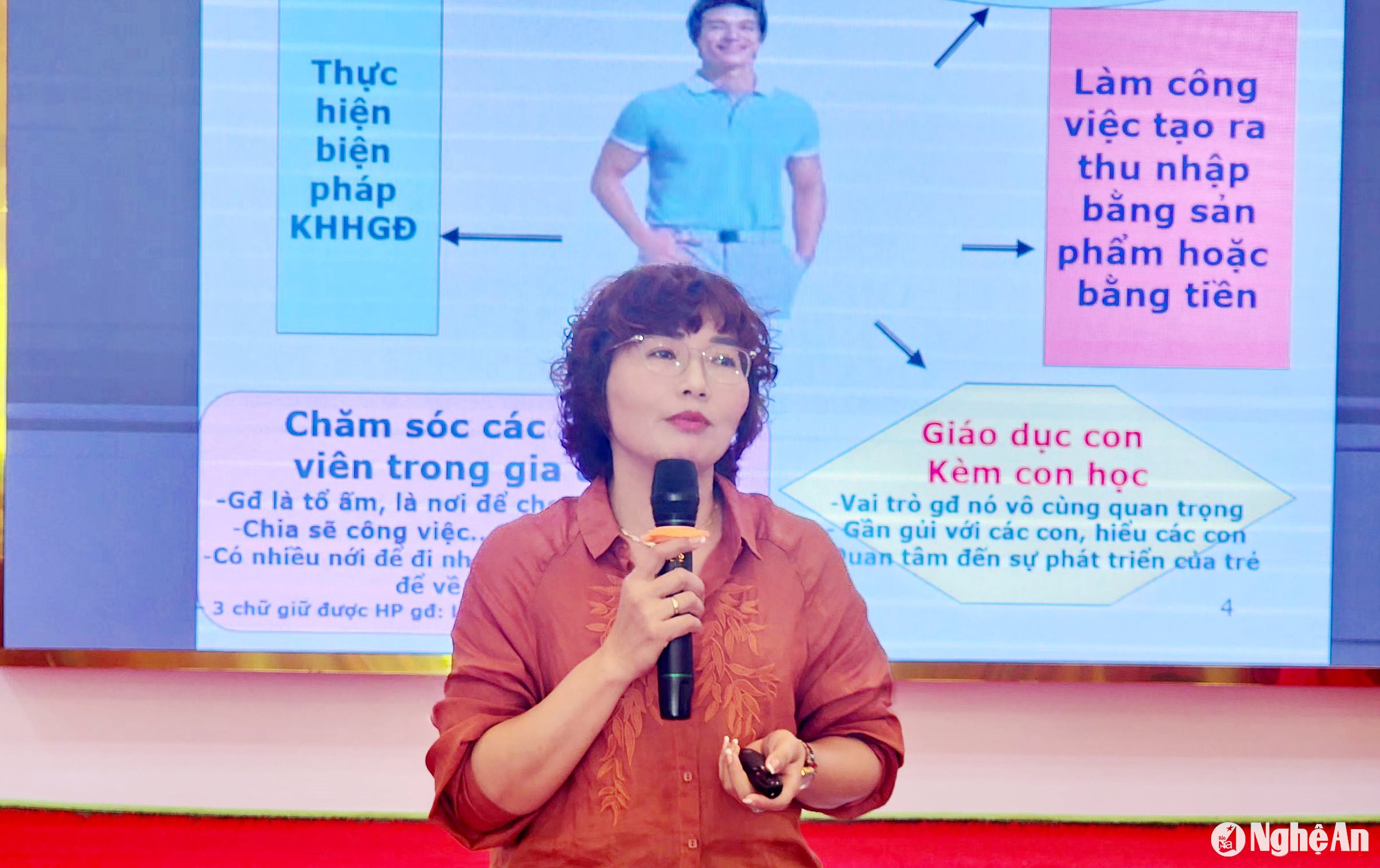
On the morning of July 9th, the Nghe An Provincial Population and Family Planning Department, in coordination with the Que Phong District Health Center, organized a training course on communication aimed at reducing Thalassemia (congenital hemolytic anemia) for nearly 118 district and commune-level population officials and village health workers.
.jpg)
Thalassemia (hereditary hemolytic anemia) is currently the most common inherited hematological disease in the world, with 7% of the global population carrying the gene. More than 200 countries and territories are affected by this disease, including Vietnam. Currently, more than 12 million people in the country carry the gene, with a high prevalence in mountainous districts.
This is one of the diseases that has been causing very serious consequences for the human race, and when the number of people carrying the disease gene increases, the risk of the disease spreading rapidly is high if preventive measures are not taken.
.jpg)
In Nghe An province, according to a report from the Provincial Hematology and Blood Transfusion Center, approximately 350-400 patients receive treatment there annually. This figure only represents patients who have been diagnosed and are currently receiving treatment at several hospitals. In reality, in the community, primarily in remote, mountainous areas, the number of undiagnosed patients is quite large. This indicates that there has been no specific assessment of the actual situation of thalassemia patients in Nghe An.
Speaking at the program, Dr. Phan Van Hue, Deputy Head of the Provincial Population and Family Planning Department, said that the inclusion of activities to prevent and control thalassemia in the National Target Program for socio-economic development in ethnic minority and mountainous areas is an important step in the fight against thalassemia.
Previously, Nghe An was one of five provinces (along with Ha Giang, Yen Bai, Bac Giang, and Thanh Hoa) selected to pilot Phase 1 of the Communication Program to Reduce Thalassemia (from 2021-2025) with the aim of: reducing the number of cases of fetal hydrops due to Thalassemia, reducing the number of children born with the disease, gradually improving the quality of treatment at medical facilities for ethnic minority patients, and gradually extending the lifespan of existing patients.
.jpg)
During the program, trainees, officials, and population collaborators from 13 communes and towns throughout Que Phong district were introduced in detail and in an easy-to-understand manner to the disease, its symptoms, and prevention methods.
Through the knowledge provided, the leaders of the Population and Family Planning Department hope that the trainees will actively update their knowledge and communication skills to disseminate information and encourage people to raise awareness about thalassemia; the benefits of early screening and detection of the disease; and to ensure that all children are born healthy. This will contribute to improving the quality of the population.
In addition to Que Phong, the program was also organized for population officials and collaborators in Ky Son district.


