Sustainable 'circular'
Nghe An province is promoting the development of a circular economy. Based on this, it encourages people and businesses to focus on optimizing resources, extending product lifecycles, and minimizing negative impacts on the environment.
.png)
Nguyen NguyenMarch 10, 2025
Nghe An province is promoting the development of a circular economy. Based on this, it encourages people and businesses to focus on optimizing resources, recycling, extending product lifecycles, and minimizing negative impacts on the environment.
The People's Committee of Nghe An province has recently issued a document guiding localities to implement the Circular Economy Development Project, linked with the National Green Growth Strategy for the period 2021–2030. Among the proposed solutions is strengthening the application of science and technology and supporting businesses in the field of recycling and the use of clean technologies.
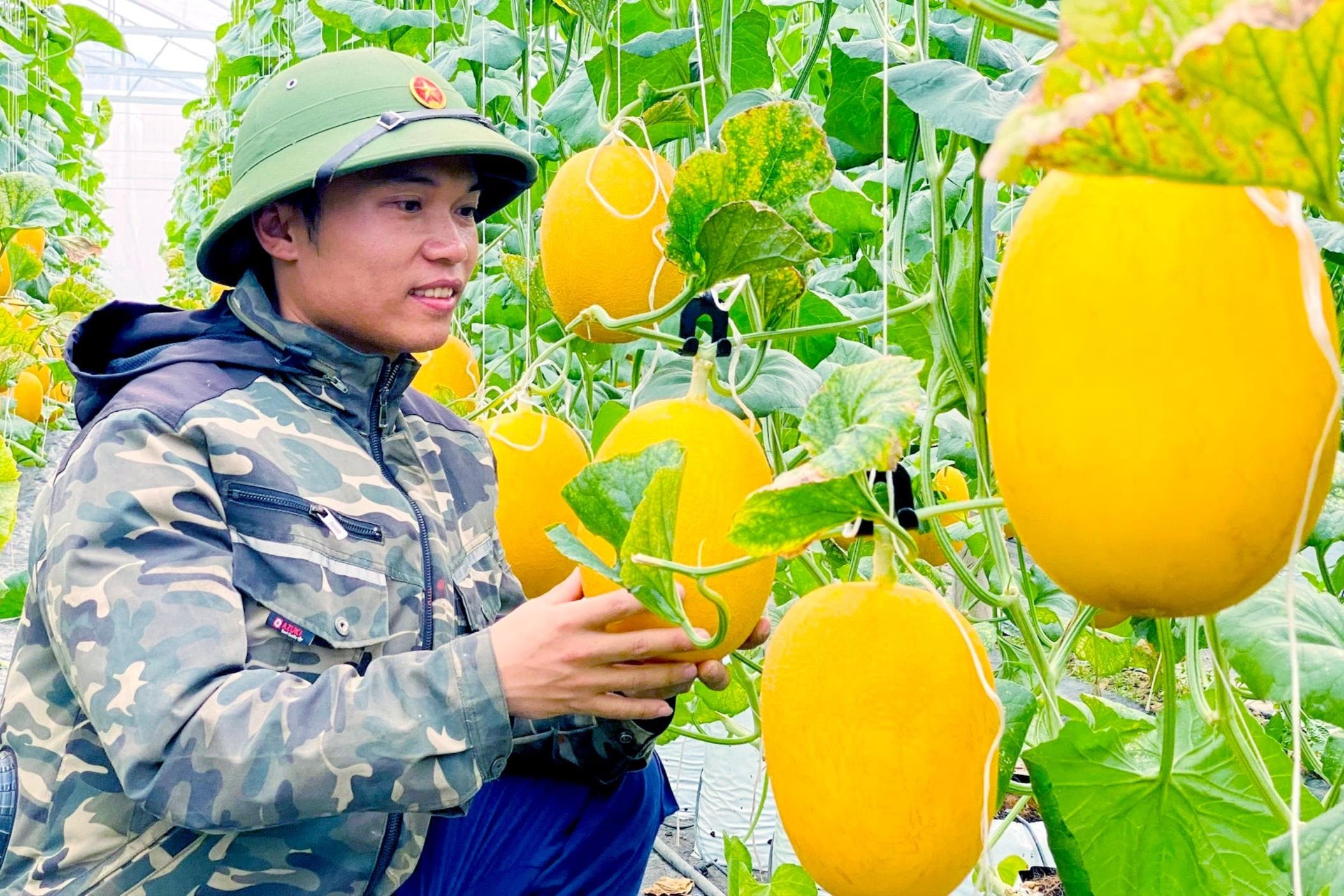
At the same time, strengthening trade promotion activities and connecting the consumption of agricultural products from farms following the circular economy model will contribute to helping farmers increase their income and protect the environment. Previously, in 2022, the Prime Minister issued Decision No. 687/QD-TTg approving the "Scheme for the Development of the Circular Economy in Vietnam".
In fact, the circular economy has been implemented in Vietnam and many other countries. For example, raising livestock and poultry for commercial purposes and using manure to reinvest in agricultural production; then, a portion of agricultural products or by-products are used to feed the livestock. Or many models of recycling pineapple and banana plants to create fibers, make other products, or even weave fabric…
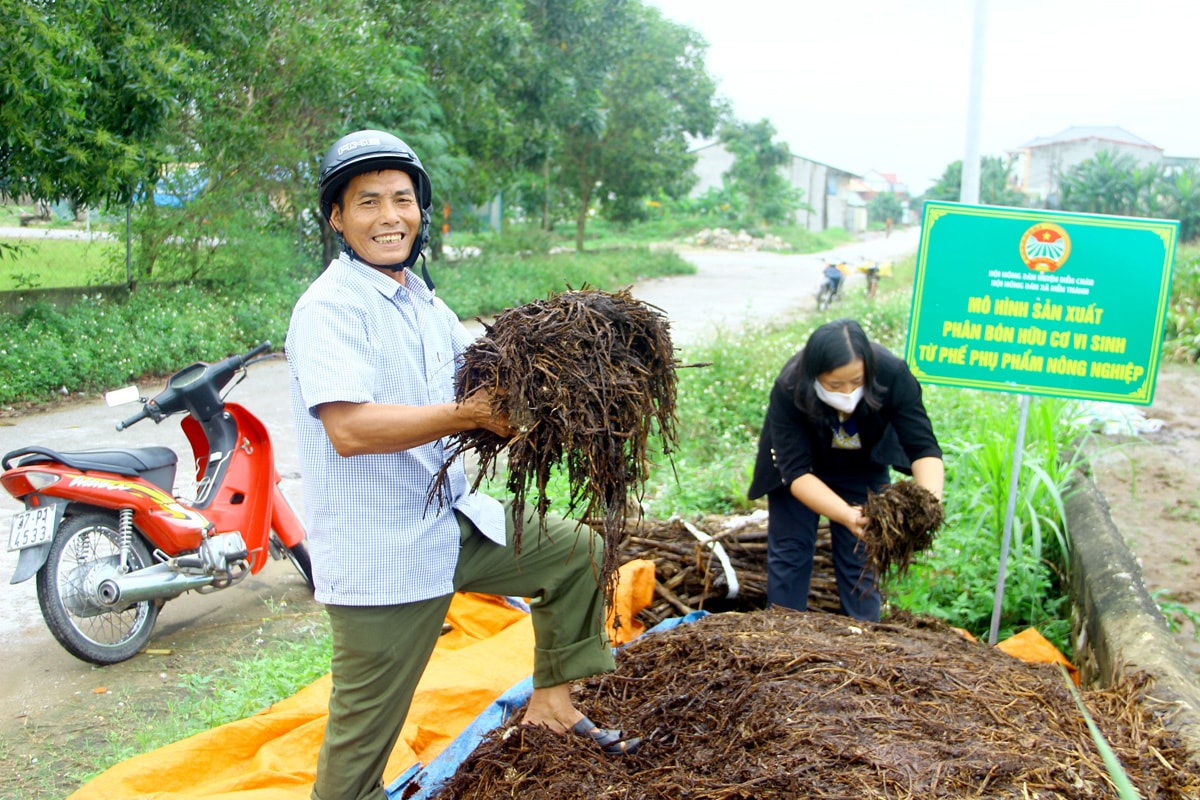
However, the full exploitation of the value of the circular economy has not received sufficient attention. Given the increasing depletion of natural resources and worsening environmental pollution, circular economy models are becoming an inevitable trend worldwide. The circular economy is opening up new growth opportunities, creating higher economic value, and moving towards sustainable development and environmental protection.
Previously, production methods, including resource extraction, followed the model of "extraction - production - consumption - disposal." Now, the circular economy will focus on optimizing resources, extending product lifecycles, and minimizing negative impacts on the environment.
Thus, in addition to the traditional production, processing, and consumption, the thorough application of the circular economy will add processing stages through recycling. This will both increase the value of products and resources, protect the environment, and potentially create more jobs. With these multifaceted benefits, the circular economy will be an effective "solution" for the economy and lives increasingly facing the negative impacts of climate change and the depletion of natural resources.
To maximize the development of the circular economy, the State should only play a guiding and encouraging role, while businesses and each individual participating in production and business play a crucial role. Thoroughly implementing circular economy solutions will reduce costs and enhance product and brand value. This process inevitably requires the contribution of the community in promoting the circular economy by choosing environmentally friendly products, recycled products, etc.