
Why should you be cautious when scanning unfamiliar QR codes?
QR codes are becoming increasingly common in daily life, from payments to accessing information. However, behind this convenience lie potential security risks if you accidentally scan an unfamiliar QR code.
QR codes have now become a familiar part of modern life. They appear everywhere, from shops and supermarkets to food services and product information retrieval.
Thanks to their ability to provide instant access to websites, Wi-Fi networks, or contact information with just one scan, QR codes have quickly become a convenient tool trusted by millions. However, this very popularity has made QR codes an attractive target for cybercriminals.
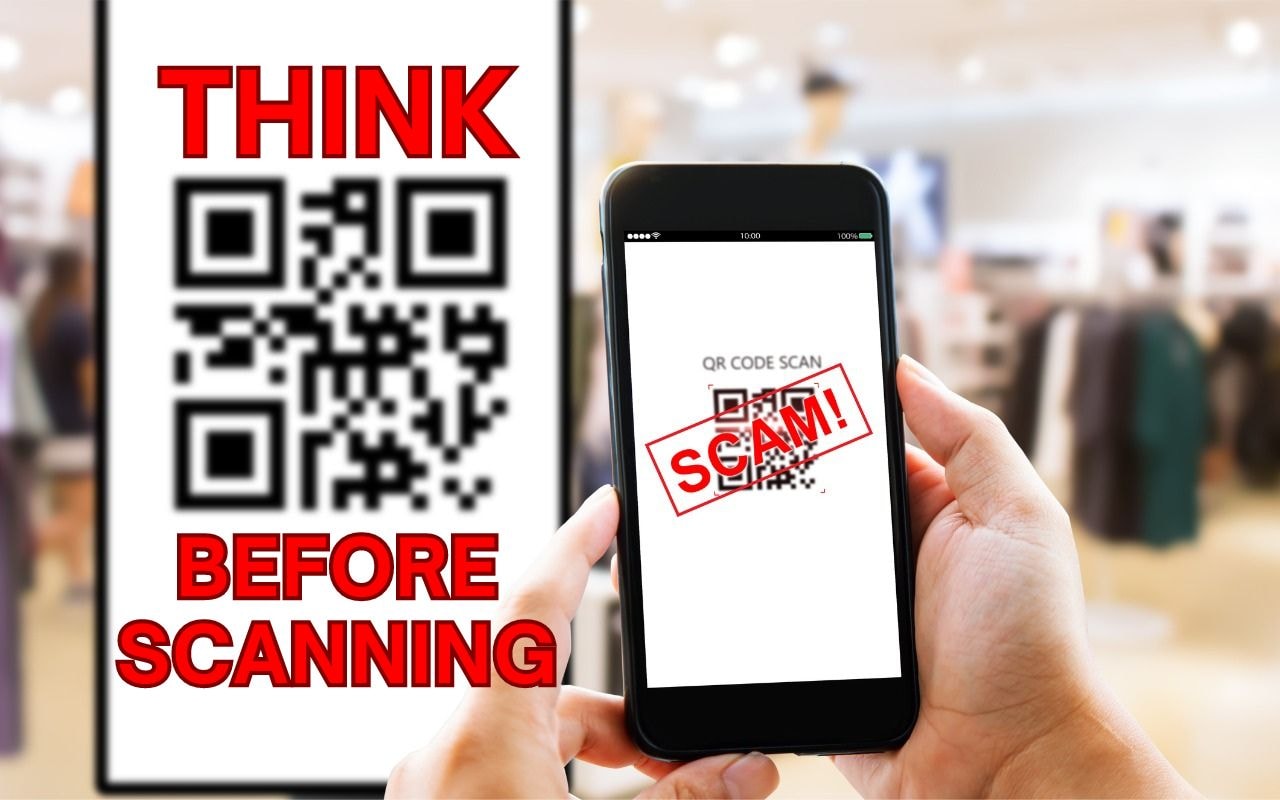
With just a few simple steps, anyone can create a QR code that looks completely legitimate. Scammers can replace real QR codes in public places with fake ones, or send them via email, text messages, and even embed them in online advertisements.
When you accidentally scan for these malicious codes, they can lead to phishing websites, steal personal information, or silently install malware on your device.
Be cautious of QR codes in emails and packages from unknown sources.
One increasingly sophisticated form of fraud involves the use of QR codes in emails, known as "Quishing." These emails are often cleverly designed to appear as if they come from reputable organizations, such as banks, technology companies, or e-commerce platforms.
The emails typically warn about security breaches, request password updates, or ask for account confirmation, often including a QR code for immediate action. However, when you scan the code, it leads to a fake website requesting login credentials, credit card information, or other personal data, all of which are sent directly to the scammer.
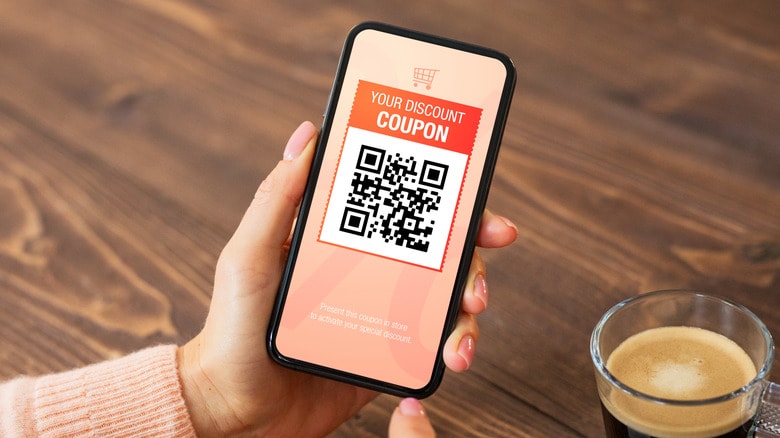
Photo: Internet
Beyond emails and text messages, QR code scams are now appearing in the form of surprise packages delivered to your home address. Inside, you'll often find a simple piece of paper with a QR code and an enticing message like "Scan the code to receive a special gift" or "Scan to complete your return." However, these codes can actually lead to fraudulent websites or cause you to unknowingly download malware disguised as legitimate apps.
QR code scams are particularly effective because they hide malicious links behind a seemingly harmless string of symbols. In fact, scanning a QR code from an unknown source is just as dangerous as clicking on an unverified link; you never know what awaits you on the other side.
How can you protect yourself from malicious QR codes?
Although QR codes offer convenience, scanning them carelessly can make you a victim of sophisticated scams. Therefore, increased vigilance and the application of basic protective measures are essential.
First, always question the source of the QR code. If you receive a code in a surprise email, a strange text message, or an unclear package, it's best not to scan it.
When using QR codes in public places or restaurants, carefully check if another code is pasted over it, or if there are any unusual markings in the brand name, logo, or accompanying image, as these could be signs of counterfeiting.
When you are forced to scan a QR code, don't click the link immediately. Most smartphones today, including iPhones and Android devices, display a preview of the link when scanned using the native camera app.
Treat these links with the same caution as you would when checking suspicious emails, carefully reading the URL, looking for spelling errors, unfamiliar domains, or any unusual signs. If the QR code uses a link shortening service (like bit.ly), you should be even more wary, as it's difficult to know the link's true destination.
If you accidentally visit a suspicious website, do not enter any personal information. If you are asked to download an app, close the page and search for the app directly on the App Store or Google Play to ensure you don't inadvertently install malware.
Finally, proactively stay informed about new scams involving QR codes; early awareness is the most effective defense in the digital age.


