
Why do cooperatives have difficulty accessing credit?
Capital for expanding and developing production, investing in equipment and machinery, etc., has always been a difficult problem for the collective economic sector. Due to objective and subjective difficulties, very few cooperatives and cooperative groups have access to credit from banks.
The cooperative lacks capital.
In 2025, Tho Thanh General Agricultural Service Cooperative (Tho Thanh commune, Yen Thanh district) will transform into a new, multi-sectoral cooperative model, becoming a reliable address for thousands of farmers in the area.
In its early days, the cooperative had only 58 members and faced many difficulties. With hard work and dynamism, the cooperative has now developed quite strongly. To better serve agricultural production, the cooperative has invested in purchasing machinery for farmers, such as seedling tray machines, plows, harvesters, transplanters, and seedling trays. In both rice production and livestock farming, the Tho Thanh General Agricultural Service Cooperative operates a linked chain, from production to harvesting and guaranteed product sales. In addition, the cooperative performs well in environmental protection, waste collection and treatment, and internal credit activities.
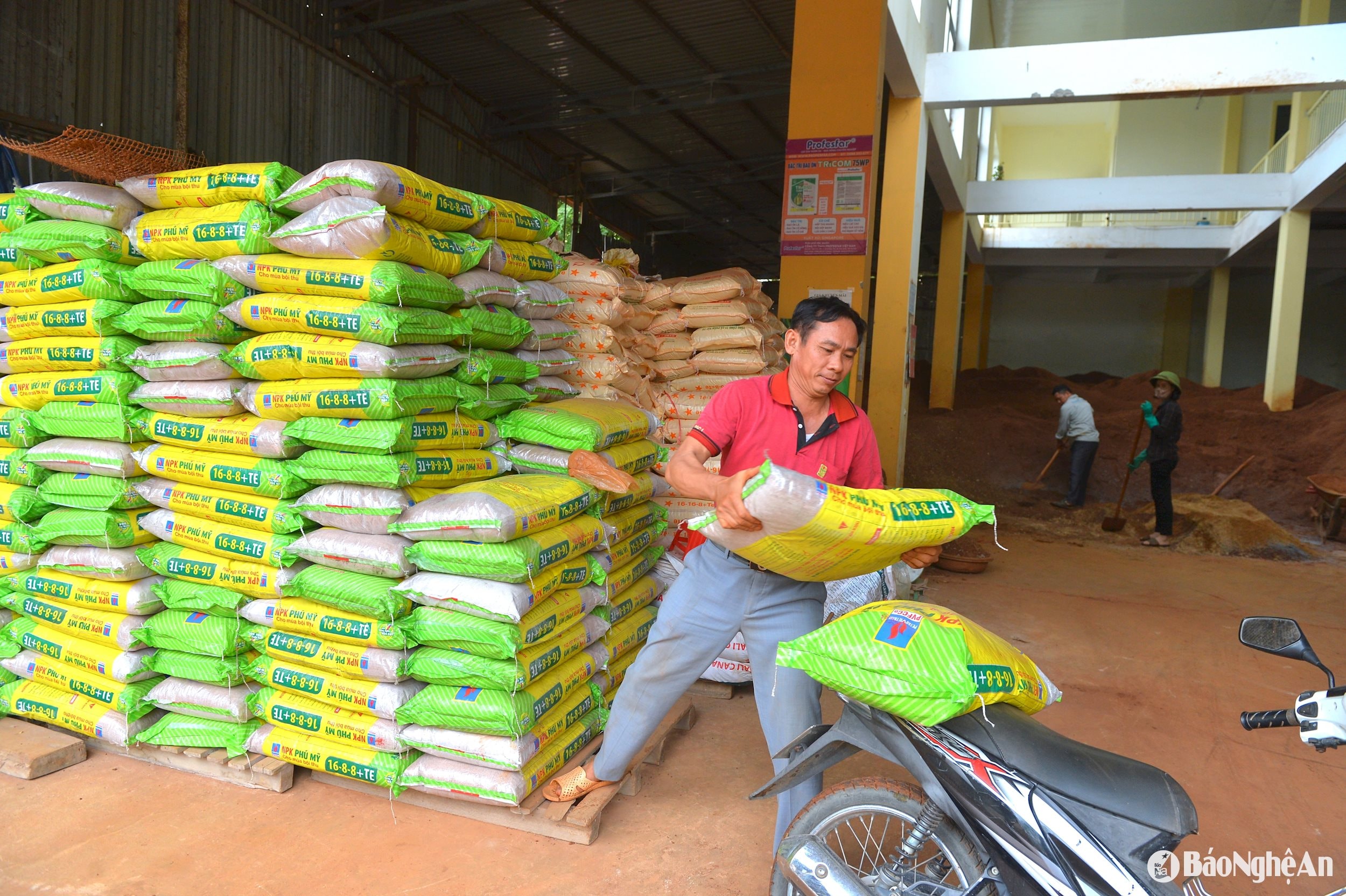
Mr. Ho Si Quang, Chairman of the Board of Directors and Director of Tho Thanh General Agricultural Service Cooperative, stated: "The Party and State's policies are very concerned with the collective economy and the development of cooperatives. However, since its establishment, we have not been able to access bank credit. To maintain production and business operations, our cooperative needs a considerable amount of capital, but we have no collateral. The cooperative's land plot is 600 square meters."2The land is located in a prime location in the commune, worth tens of billions of dong, but it cannot be used as collateral for loans because it is a collective land title. Furthermore, regulations prohibit borrowing working capital for seasonal production; loans for machinery and raw materials are only permitted, but these require purchase invoices. Once these procedures are completed to secure a loan, the cooperative loses its investment opportunity.

"We understand the bank's regulations and the concerns of credit officers, but we need solutions to create favorable conditions for cooperatives like ours to borrow capital for production and business investment," Mr. Quang shared.
Similarly, the Hung Nguyen Town Agricultural and Environmental Services Cooperative (Hung Nguyen District), once famous for its tray seedling services, has seen its services scaled down, facing numerous difficulties, and one of the main reasons is a lack of capital. Mr. Nguyen Quoc Hue, the director of this cooperative, stated: "Most cooperatives cannot access bank loans because they lack collateral; even if they have land titles, they are often collective titles that cannot be used for loans. Even borrowing from the Nghe An Provincial Cooperative Development Support Fund through the Social Policy Bank in the past has been very problematic. Cooperatives needing loans face difficulties with collateral, and in some cases, they lack clear or convincing production and business plans that demonstrate feasibility and effectiveness."

"To keep operations running, I had to use my family's personal savings to borrow funds for the cooperative. This is a vicious cycle, a common situation for many cooperatives today. When implementing interest-subsidized loan packages, credit institutions need to research and implement them in a way that simplifies and simplifies procedures so that the policy can be put into practice and cooperatives can more easily access preferential interest rate loan packages," Mr. Hue said.
It is necessary to review and resolve the difficulties.
After two years of implementing Resolution No. 20-NQ/TW of the Central Committee of the Communist Party of Vietnam on continuing to innovate, develop, and improve the efficiency of the collective economy in the new period and the amended Cooperative Law of 2023, the understanding of the viewpoint, nature, position, and role of the collective economic sector and cooperatives has become clearer and more consistent among Party committees, governments at all levels, and all strata of the people. State management of the collective economy has been gradually reformed, and the state management apparatus for the collective economy and cooperatives has been gradually strengthened and made more professional.
In 2024, Nghe An province developed 30 new cooperatives, bringing the total number of active cooperatives in the province to 888 out of 925. Of these, 545 cooperatives are operating effectively (accounting for 61.4% of the total active cooperatives). However, very few cooperatives meet the criteria to access bank loans. According to information from the State Bank of Vietnam's Nghe An branch, only 46 cooperatives have borrowed or are currently borrowing from banks, of which 39 cooperatives still have outstanding debt totaling over 124 billion VND, with cumulative loan disbursements from the beginning of 2025 exceeding 121.7 billion VND, and bad debts amounting to 2.32 trillion VND...
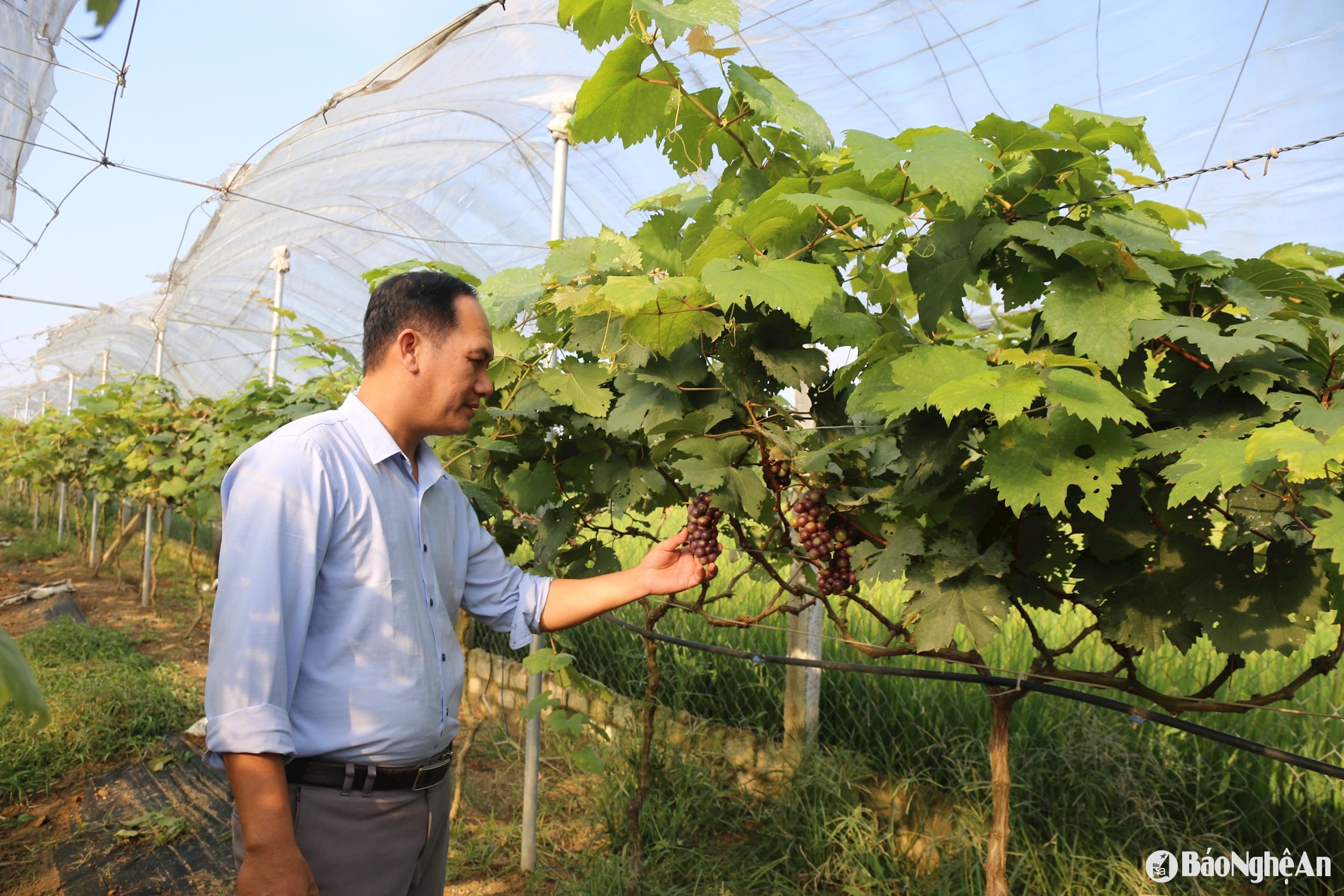
Cooperatives' access to credit policies is slow and difficult due to the lack of collateral and their reluctance to develop expansion plans. Many cooperatives lack financial transparency, operate inefficiently, have weak management, and their staff have limited expertise. Meanwhile, the pandemic and economic difficulties, along with the pressure of fluctuating commodity and input material prices, affect the business operations of cooperatives. Cooperative development is uneven across localities, regions, and between agricultural and non-agricultural sectors. Market issues, the application of science and technology, and digital transformation in cooperative operations remain limited. There are instances of inefficient use of borrowed capital, misuse of funds, prolonged overdue debts, and a mentality of dependence and reliance on state support...
Furthermore, the credit limits of lending policies are low, mainly based on the value of collateral without considering the feasibility of the loan plan, and there is no mechanism for cooperatives to borrow working capital to support seasonal production.
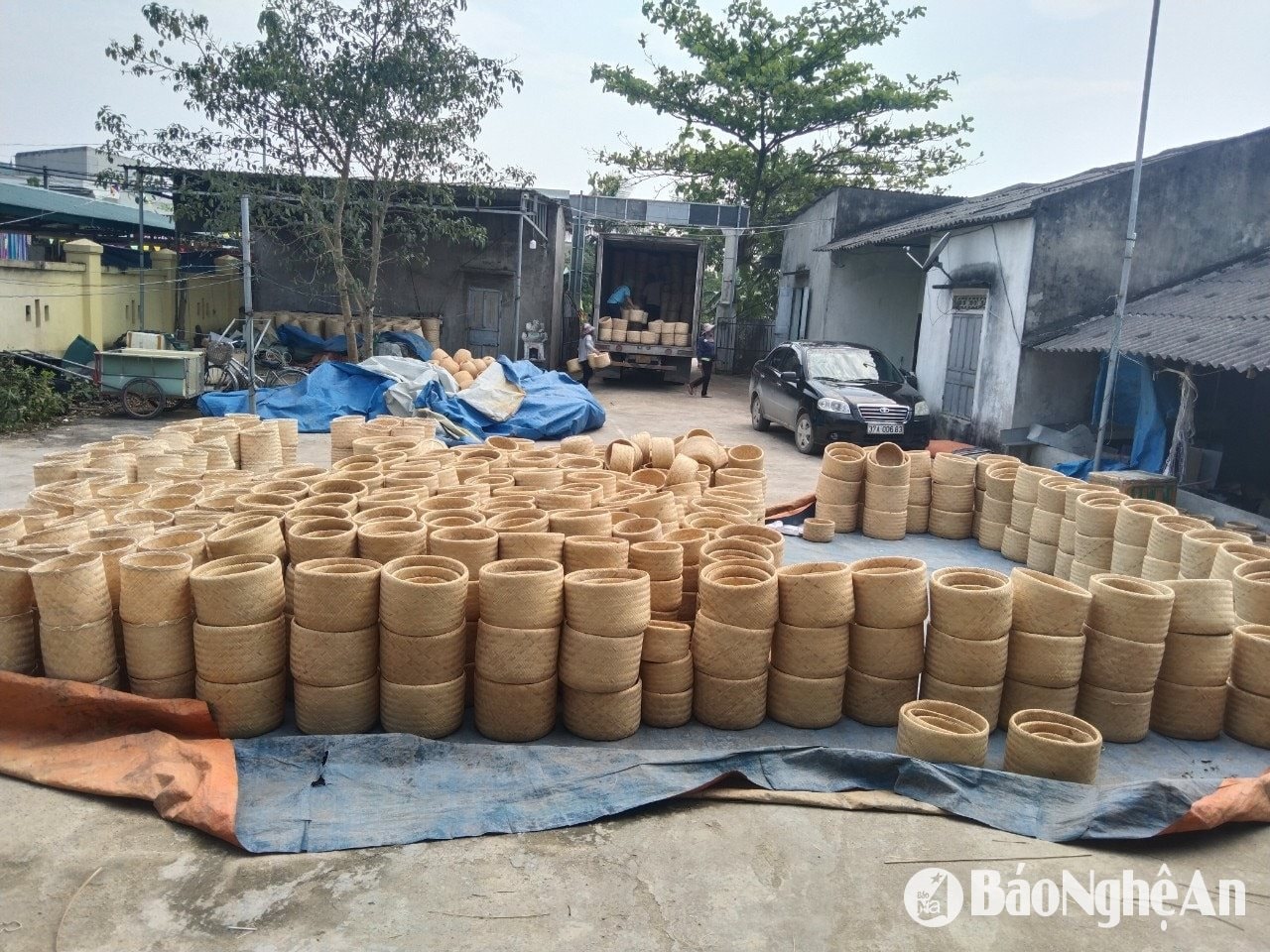
Given the shortcomings in lending activities, solutions are needed to strengthen credit for the collective economic sector. In a report on the credit situation for the collective economic sector and cooperatives, Mr. Doan Manh Ha - Deputy Director of the State Bank of Vietnam, Nghe An branch, stated that it is necessary to review and propose improvements to mechanisms and policies to create conditions for expanding credit investment and increasing access to banking products and services for the collective economic sector. He directed credit institutions to balance capital sources and focus credit on cooperative economic organizations and cooperatives operating in production and business sectors, priority sectors according to government policies, new cooperative models that operate effectively, cooperatives participating in the development of products with strengths, production along value chains applying high technology, and high commercial value. He also emphasized the need to regularly research and develop diverse banking credit products. Review, improve, and innovate credit granting processes, procedures, and conditions to suit the requirements and practical operations of cooperatives, in order to gradually expand and strengthen capital support, as well as improve access to bank credit for collective economic entities.
To access bank credit, cooperatives need to overcome limitations such as scale, competitiveness, and management capabilities; focus on improving management skills; develop scientific production and business plans that are appropriate to the practical situation; balance capital sources, deciding on investments based on the cooperative's financial capacity; and strengthen joint ventures and linkages between enterprises to implement projects and ensure resources. In particular, during the course of business, cooperatives need to consciously accumulate assets to be eligible to access loans from credit institutions.


