
Sharing a common origin, sharing a common strength of unity.
Every nation in the world has its origins, but the Vietnamese people are different from other nations in that they all worship a common ancestor - King Hung.
Ten years after UNESCO recognized the Hung Kings worship belief as a world cultural heritage, Dr. Bui Hoai Son - Standing Member of the National Assembly's Committee on Culture and Education, and Secretary of the Hung Kings worship belief dossier in Phu Tho - still vividly remembers the days of preparing the dossier for submission to UNESCO for approval.
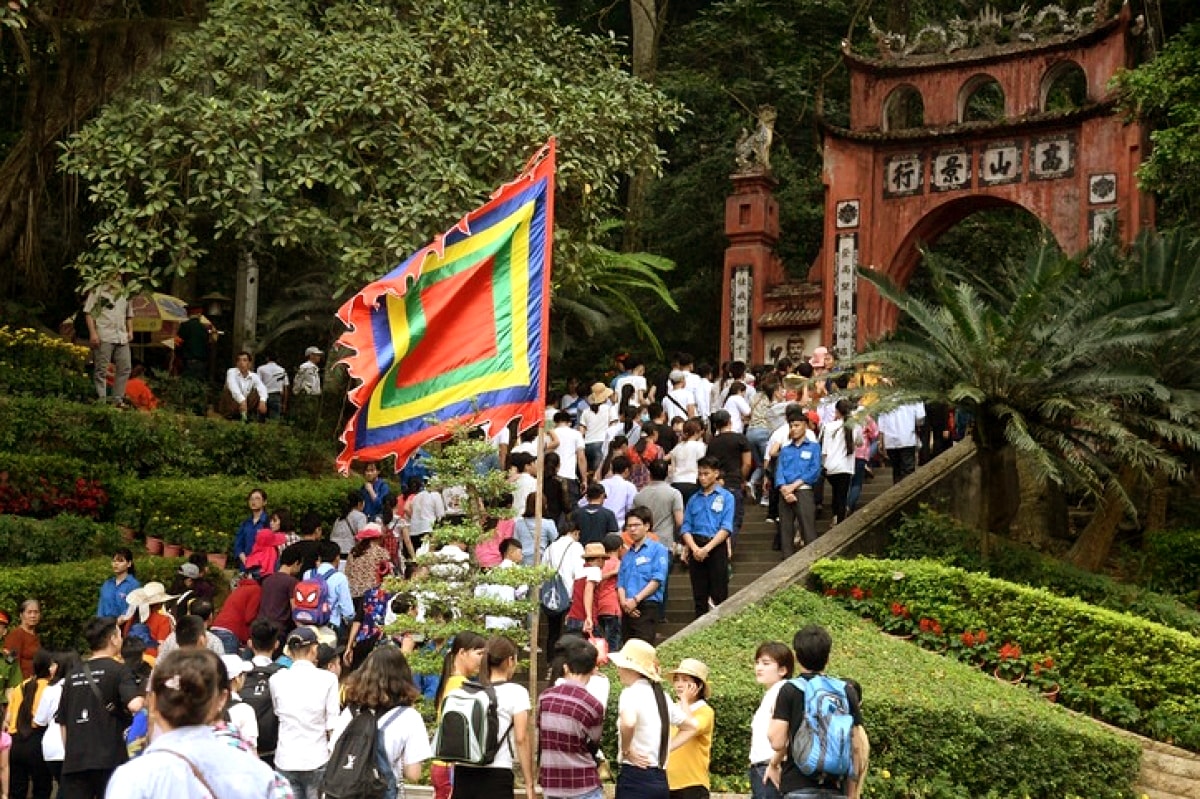 |
| The Hung Kings worshiping belief has been recognized as a world cultural heritage for 10 years. |
Back then, the Ministry of Culture, Sports and Tourism, the leaders of Phu Tho province, and relevant agencies were all determined to work day and night to ensure that the dossier submitted to UNESCO would be recognized as a heritage site on the first attempt. And the result was a resounding success; Vietnam gained a heritage site that honors its ancestors and is highly admired by the world.
Although not a religion, every year on the 10th day of the third lunar month, Vietnamese people across the five continents turn their thoughts to their roots, remembering the meaning of "compatriots," and return to Hung Temple to light incense at the ancestral altar, expressing gratitude for the merits of their ancestors.
According to Dr. Bui Hoai Son, Standing Member of the National Assembly's Committee on Culture and Education, this is something that not every place can achieve: "After 10 years, many genealogical records, royal decrees, and Sino-Vietnamese documents existing in Phu Tho and throughout the country have been translated into Vietnamese and stored in various formats."
Customs and traditions have been preserved and promoted. We have an entire performance environment and setting for the Hung Kings era, encompassing not only historical relics but also intangible cultural heritage...
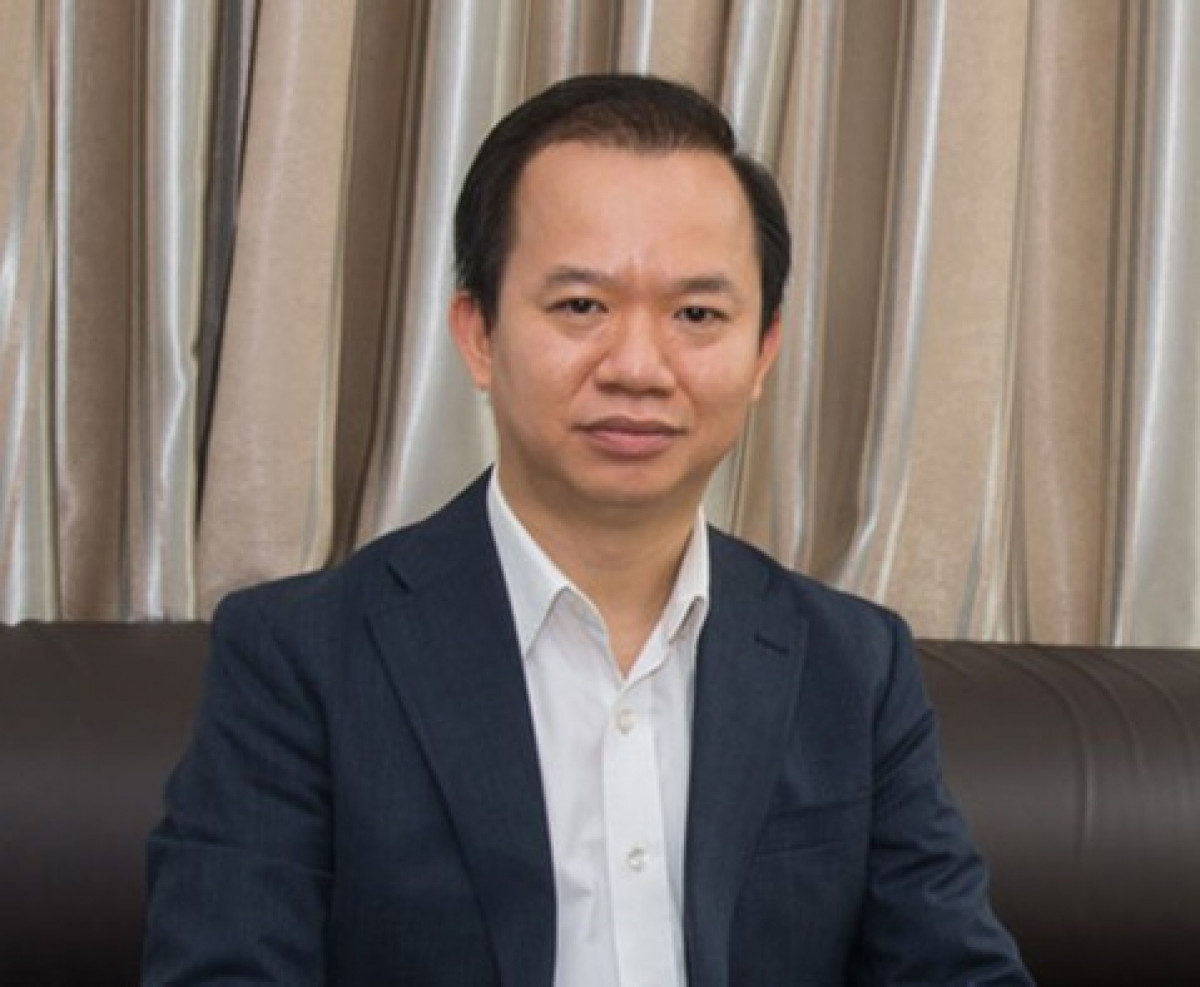 |
| Dr. Bui Hoai Son. |
In addition, many historical sites have deteriorated over time. After being recognized by UNESCO, there has been significant investment and support for their restoration and preservation, enabling them to retain their value in contemporary life."
Every nation in the world has its origins, but the Vietnamese people differ from other nations in that they all worship a common ancestor – King Hung. This is what creates a unique Vietnamese identity, recognized by UNESCO. For Vietnam, the Hung King belief is a national symbol.
We have always regarded it as the ancestor of the nation, the element that has bound the community together within a territorial space to become a strong community that survives, develops, and maintains its cultural identity.
According to historian Duong Trung Quoc, the concept of King Hung Vuong has been recorded in historical texts for hundreds of years, and the initial religious practices were closely linked to villages, especially in the midland region of Northern Vietnam: "At the Hung Vuong Ancestor Commemoration Day in 1946, the year of the Rat, the State organized the event for the first time at the Indochina University campus, with President Ho Chi Minh as the chief officiant. I can say that for the first time in history, a head of state, the head of government, presided over the ceremony."
"Also on that day, the Minister of the Interior, a highly respected figure among the people, Mr. Huynh Thuc Khang, led a government delegation to the Upper Temple in Phu Tho to perform a ceremony to inform heaven and earth, to the ancestors, and to King Hung that the country had achieved independence. It is said that the delegation brought with them a map of Vietnam, showing the three regions of Central, South, and North connected to form a single independent nation. We can clearly see that, at that time, the symbol of King Hung was not just a symbol of a distant ancestor, but it had become a symbol of community strength," shared historian Duong Trung Quoc.
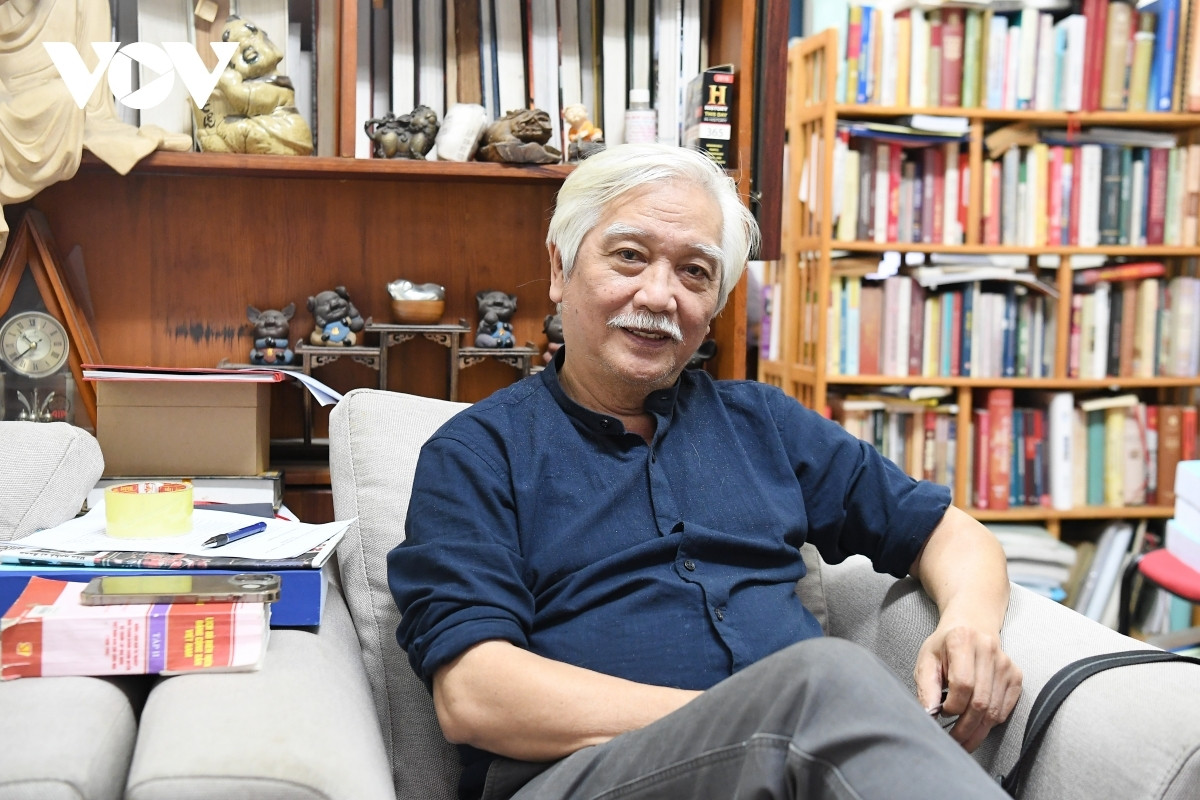 |
| Historian Duong Trung Quoc. |
Today, on the S-shaped strip of land that is Vietnam, 54 ethnic groups live together, each with their own distinct culture, yet they all share a common ancestor – Hung Vuong. This is the unifying element for the Vietnamese people in the modern era, and the practice of worshipping Hung Vuong is recognized by the world as a prominent value in the cultural life of the Vietnamese people.
Our generation's responsibility is to foster that spirit of unity and connection to our roots, transforming it into an intrinsic strength to overcome difficulties, preserve our heritage, and remember the merits of our ancestors, as pledged by Mr. Nguyen Tien Khoi, Chairman of the Phu Tho Provincial Historical Society: "We are honored to have been recognized by UNESCO as a heritage site, which is something to be very proud of, but we must be conscious of preserving this heritage because it is not only our property but has become a world heritage site."
Every year on the anniversary of Hung Vuong's death, we strongly promote the commemoration of Hung Vuong's death and the spirit of national unity: Phu Tho province has the responsibility to continuously restore and preserve this site, leveraging social contributions to further expand it into a national cultural heritage site. This is both about preserving the historical site and developing the economy."
That strength will help the 54 ethnic groups, who are "one family," overcome all obstacles and challenges on the path of nation-building and national defense, and in the immediate future, overcome natural disasters and epidemics, and restore the economy.
The more we become aware of the values of the past, the more we understand the spirit of great unity, so that not only the 54 ethnic groups on the S-shaped land of Vietnam understand the meaning of brotherhood, but also unite 3,000,000 Vietnamese citizens living in many different countries around the world to look back to their roots and feel the sacred value of the two words "brotherhood".


